Broccoli vs cauliflower nutrition
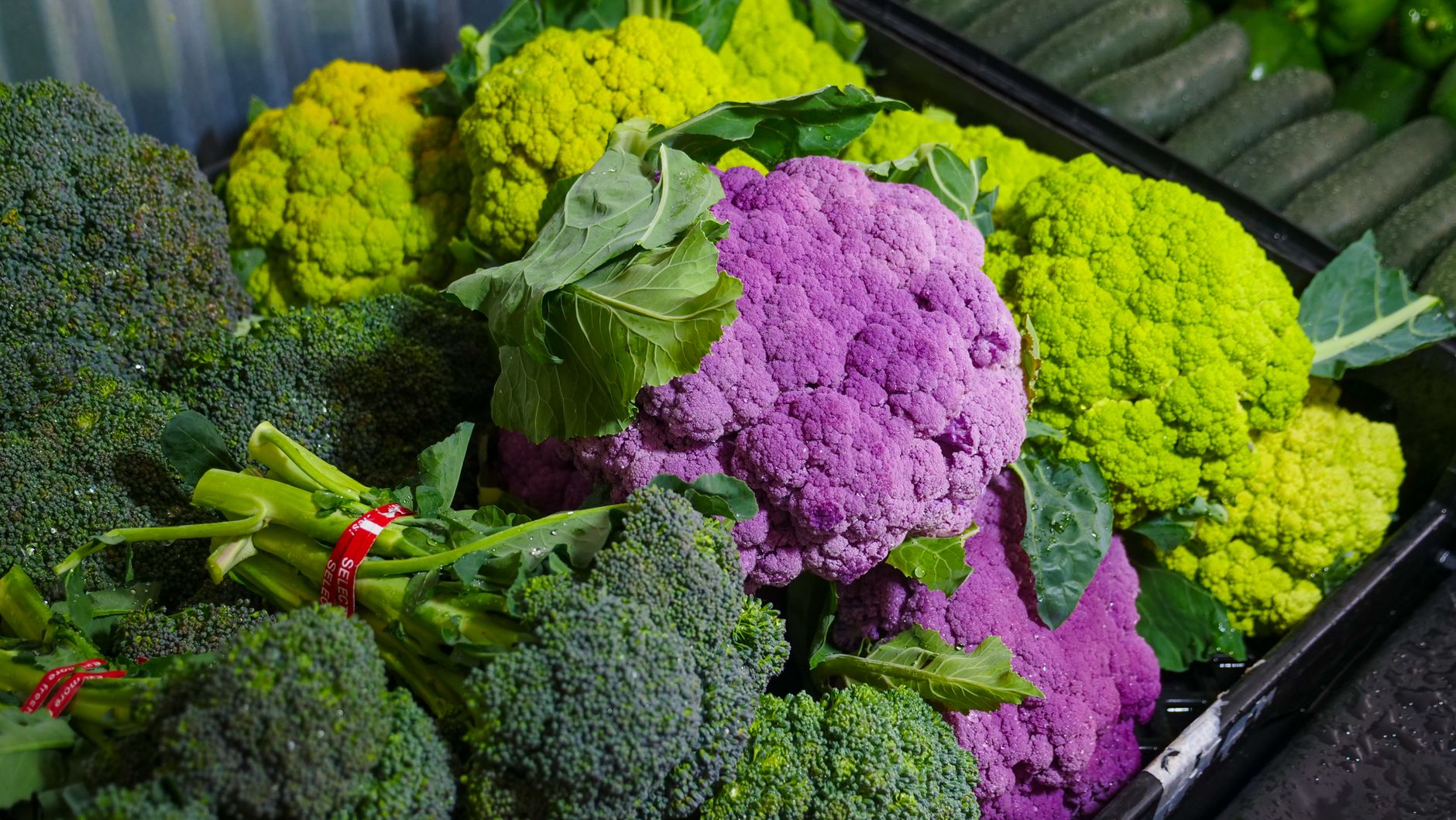
Compare broccoli and cauliflower nutrition for gardeners: calories, vitamins, minerals, and how growing conditions affect nutrient density. Real data for 2026.
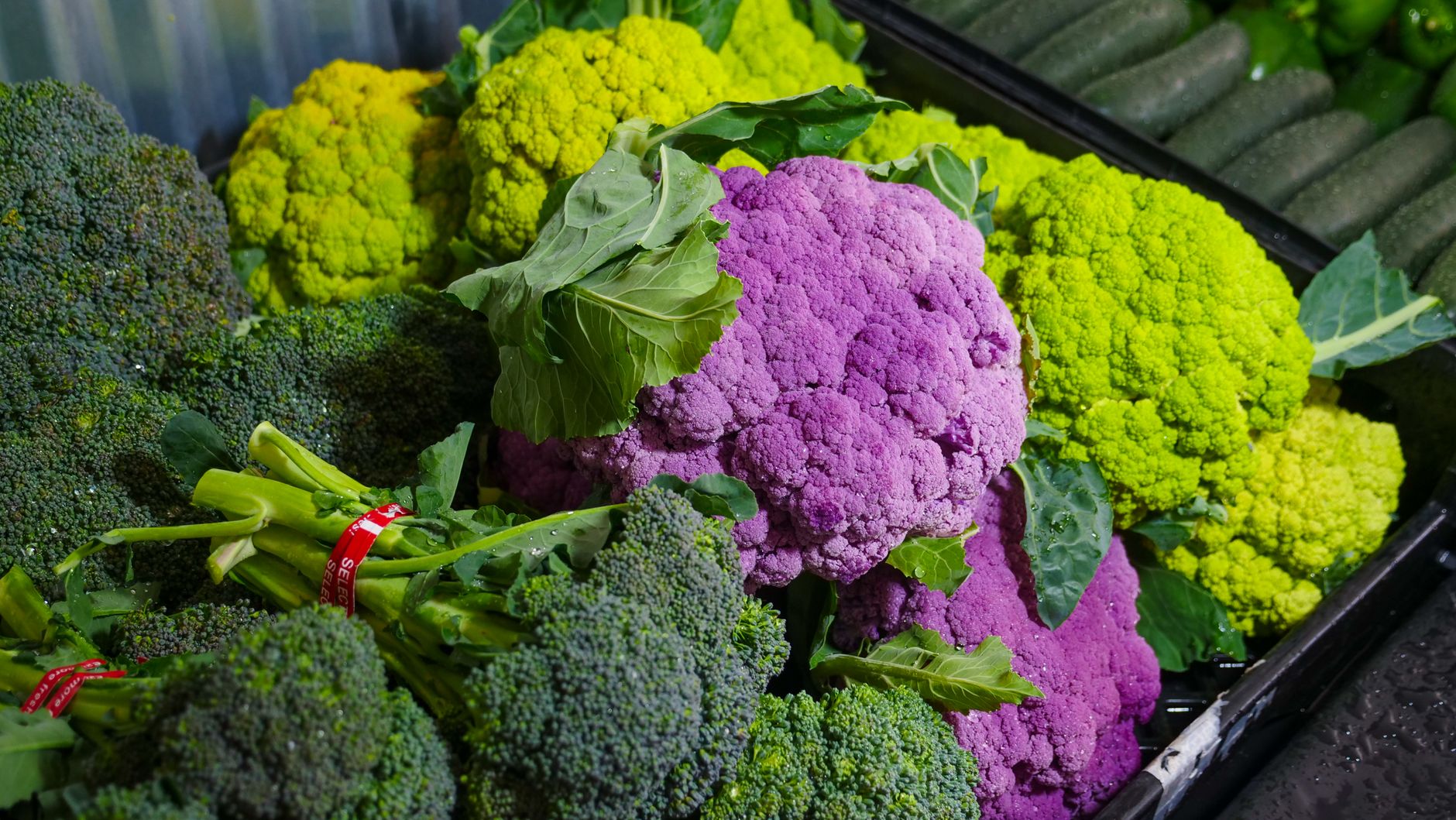
If you are deciding between broccoli and cauliflower for your garden based on nutrition, here is the short answer: broccoli wins on most vitamins and minerals, especially vitamin C, vitamin K, and calcium, while cauliflower is lower in calories and carbohydrates but offers a respectable amount of vitamin C and folate. Both are cool-season brassicas with similar growing requirements, but their nutrient profiles differ enough that your choice might depend on your health goals. Let’s break down the numbers and what they mean for your plate.
Nutritional comparison: the raw numbers
The following values are based on 100 grams (about 1.5 cups) of raw, chopped vegetable, using USDA FoodData Central as of 2026. Ranges reflect typical variation between varieties and growing conditions.
| Nutrient | Broccoli (raw) | Cauliflower (raw) | Winner |
|---|---|---|---|
| Calories | 34 kcal | 25 kcal | Cauliflower (lower) |
| Carbohydrates | 6.6 g | 5.0 g | Cauliflower (lower) |
| Fiber | 2.6 g | 2.0 g | Broccoli |
| Protein | 2.8 g | 1.9 g | Broccoli |
| Vitamin C | 89 mg (99% DV) | 48 mg (53% DV) | Broccoli |
| Vitamin K | 101 mcg (84% DV) | 16 mcg (13% DV) | Broccoli |
| Folate | 63 mcg (16% DV) | 57 mcg (14% DV) | Broccoli (slight) |
| Calcium | 47 mg | 22 mg | Broccoli |
| Potassium | 316 mg | 299 mg | Broccoli (slight) |
| Glucosinolates | Higher (sulforaphane) | Moderate | Broccoli |
Note: DV = Daily Value based on a 2,000-calorie diet. Broccoli also contains more beta-carotene (which converts to vitamin A) and lutein, important for eye health. Cauliflower, however, is a good source of choline
 , which supports brain and liver function, and it has a milder flavor that some find easier to eat raw.
What these differences mean for you
If you are growing for maximum nutrient density per calorie, broccoli is the clear choice. It delivers nearly double the vitamin C and six times the vitamin K of cauliflower, plus more fiber and protein. For gardeners focused on bone health, vitamin K is crucial, and broccoli is one of the best vegetable sources. If you are watching carbohydrates or calories, cauliflower offers a lower-calorie alternative that still provides a decent vitamin C boost, and it is a popular low-carb substitute for rice or pizza crust.
One caveat: these values are for raw vegetables. Cooking changes things. Boiling broccoli can leach up to 30% of vitamin C into the water, while steaming preserves more. Cauliflower also loses some nutrients when boiled. For maximum nutrition, eat them raw or lightly steamed.
How growing conditions affect nutrition
The nutrient content in your homegrown broccoli and cauliflower can vary significantly based on soil health, maturity, and variety. Here is what matters:
- Soil fertility: Brassicas need nitrogen for protein and leaf growth, and phosphorus for root development. A soil test is your best tool. Apply a balanced fertilizer like 10-10-10 at planting, then side-dress with nitrogen (e.g., blood meal) three weeks later. Nutrient-deficient plants will have lower vitamin content.
- Harvest timing: The younger the head, the more tender and often higher in certain nutrients. Broccoli should be harvested when the florets are tight and dark green, before flowers open. Cauliflower should be harvested when the curd is compact and white, usually 60-80 days after transplanting. Overmature heads become woody and lose vitamin C.
- Sunlight: Both need full sun (6+ hours) for optimal photosynthesis, which drives nutrient production. Shaded plants will have lower sugar and vitamin levels.
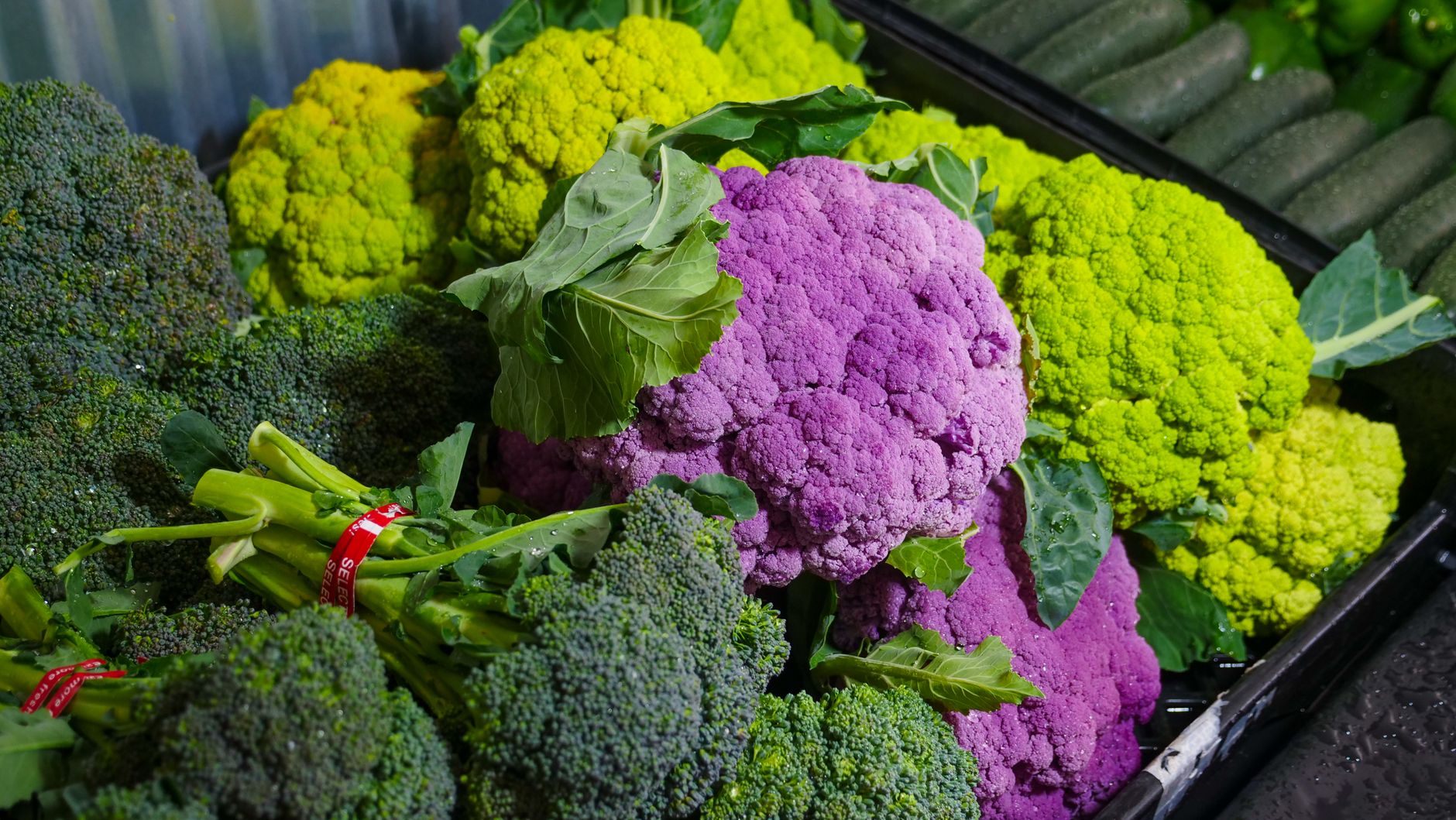
- Variety selection: Some varieties are bred for higher nutrient content. For broccoli, look for ‘Green Magic’ or ‘Arcadia’, which are reliable in many zones. For cauliflower, ‘Snow Crown’ is a standard, but purple varieties like ‘Graffiti’ contain anthocyanins, an antioxidant not found in white types. Orange cauliflower like ‘Cheddar’ has 25 times more beta-carotene than white.
Practical steps for this week
If you want to boost the nutrition of your brassicas, here is what to do now:
- Test your soil: Get a soil test kit (around $15-$25 from your local extension service or garden center). Aim for pH 6.0-7.0 for best nutrient uptake. If pH is below 6.0, add lime now.
- Choose the right variety: For broccoli, pick ‘Green Magic’ (fast, 55 days) or ‘Arcadia’ (cold tolerant, 63 days). For cauliflower, ‘Snow Crown’ (58 days) is reliable, but try ‘Graffiti’ for extra antioxidants. Order seeds now for spring planting.
- Plan your planting dates: In USDA zones 3-6, start seeds indoors 6-8 weeks before last frost, transplant 2-4 weeks before last frost. For fall crop, direct sow in July for zones 5-6, August for zones 7-8. Use a soil thermometer: soil should be at least 50°F for transplanting.
- Fertilize at planting: Mix 1 tablespoon of 10-10-10 per plant into the planting hole. Three weeks later, side-dress with 1 tablespoon of blood meal per plant, worked into the top inch of soil.
- Harvest at peak: Cut broccoli heads when florets are tight, before any yellow petals show. Cut cauliflower when the curd is smooth and white, and blanch (tie leaves over the head) if temperatures are above 80°F to keep it white and sweet.
Cost and yield expectations
Homegrown broccoli and cauliflower are not cheaper than store-bought when you factor in seeds, fertilizer, and water, but the flavor and nutrient density are often superior. A packet of seeds costs $3-$5 and produces dozens of plants. A 10-foot row of broccoli (spaced 18 inches apart) yields about 5-8 pounds of heads. Cauliflower yields slightly less, about 4-6 pounds per 10-foot row, because it takes longer to mature and is more sensitive to stress. In 2026, organic broccoli at the store runs $2.50-$3.50 per pound, cauliflower $3.00-$4.00 per pound, so growing your own can save money if you have the space and time.
FAQ
Is broccoli or cauliflower better for weight loss? Cauliflower is lower in calories (25 vs 34 per 100g) and carbohydrates, making it a better choice for very low-calorie or low-carb diets. However, broccoli’s higher fiber and protein may help you feel fuller longer, so both can support weight loss.
Can I eat broccoli and cauliflower leaves? Yes, the leaves are edible and actually contain more calcium and vitamin A than the florets. Harvest young leaves and use them like kale or collards. This is a free bonus from your garden.
Do purple or orange cauliflower have different nutrition? Yes. Purple varieties contain anthocyanins, antioxidants also found in red cabbage. Orange varieties have high beta-carotene, which converts to vitamin A. Both are more nutritious than white cauliflower in those specific compounds.
Which is better for bone health? Broccoli is superior due to its high vitamin K content (101 mcg per 100g vs 16 mcg in cauliflower). Vitamin K is essential for calcium absorption and bone metabolism. If you are at risk for osteoporosis, choose broccoli regularly.
The bottom line
Broccoli is the nutritional winner in almost every category, especially vitamin C, vitamin K, and calcium. Cauliflower is a lighter, lower-carb option with its own benefits, particularly choline and versatility in the kitchen. For gardeners, grow both if you have space: they share similar soil and climate needs, and a fall crop of each gives you a nutrient-dense harvest. Whichever you choose, harvest at peak maturity and eat them soon after picking for the best nutrition. Your garden can provide both, so there is no need to pick a side permanently.