Broccoli vs broccolini
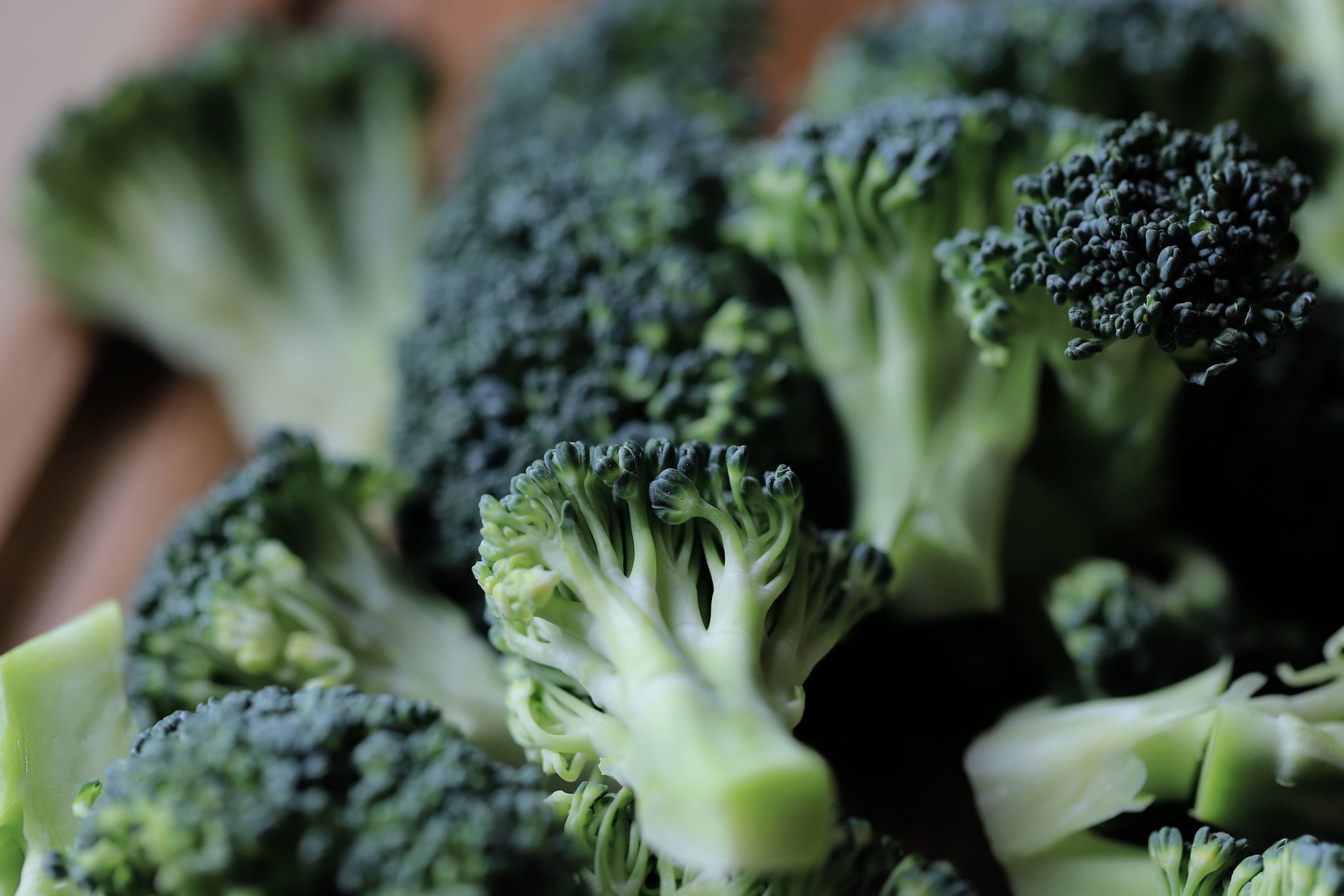
Compare broccoli and broccolini for your garden: taste, growing time, yields, varieties, and which suits your climate and kitchen.
Broccoli and broccolini are both brassicas, but they are not the same plant. Broccoli (Brassica oleracea var. italica) forms a single large head, while broccolini (Brassica oleracea var. botrytis) is a hybrid of broccoli and Chinese kale, producing many small florets on long, tender stems. If you want a classic, dense head for freezing or one big meal, grow broccoli. If you prefer multiple harvests of slender, sweet stems that cook quickly, grow broccolini. Both are cool-season crops, but their growing times and space needs differ, so choose based on your garden size and how you like to eat them.
What’s the difference in taste and texture?
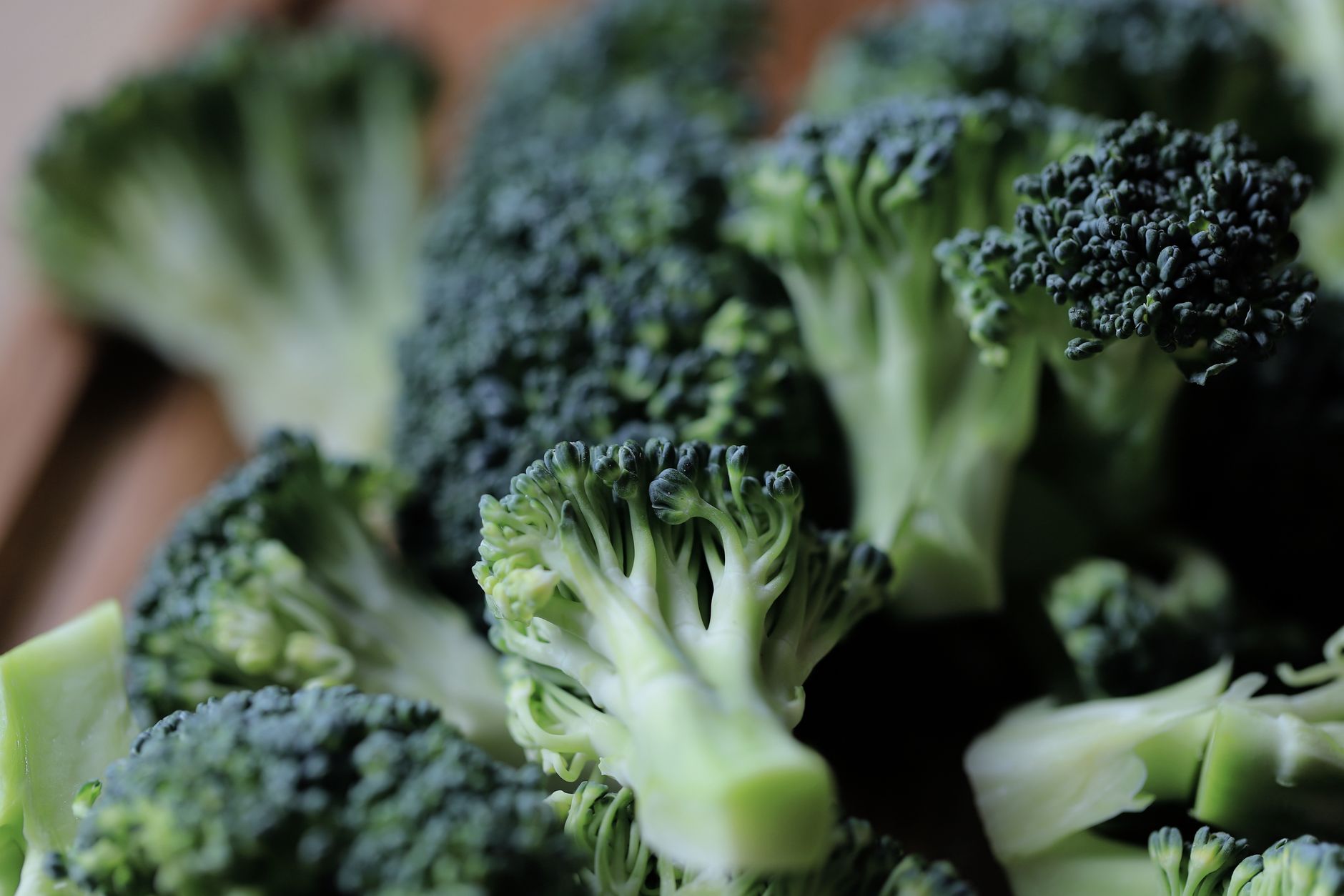
Broccoli has a dense, earthy flavor with a firm, crunchy texture. The head is the main edible part, though the stalks are also good if peeled. Broccolini is sweeter and more delicate, with a mild, slightly peppery taste. The entire stem is tender and edible, so there is less waste.
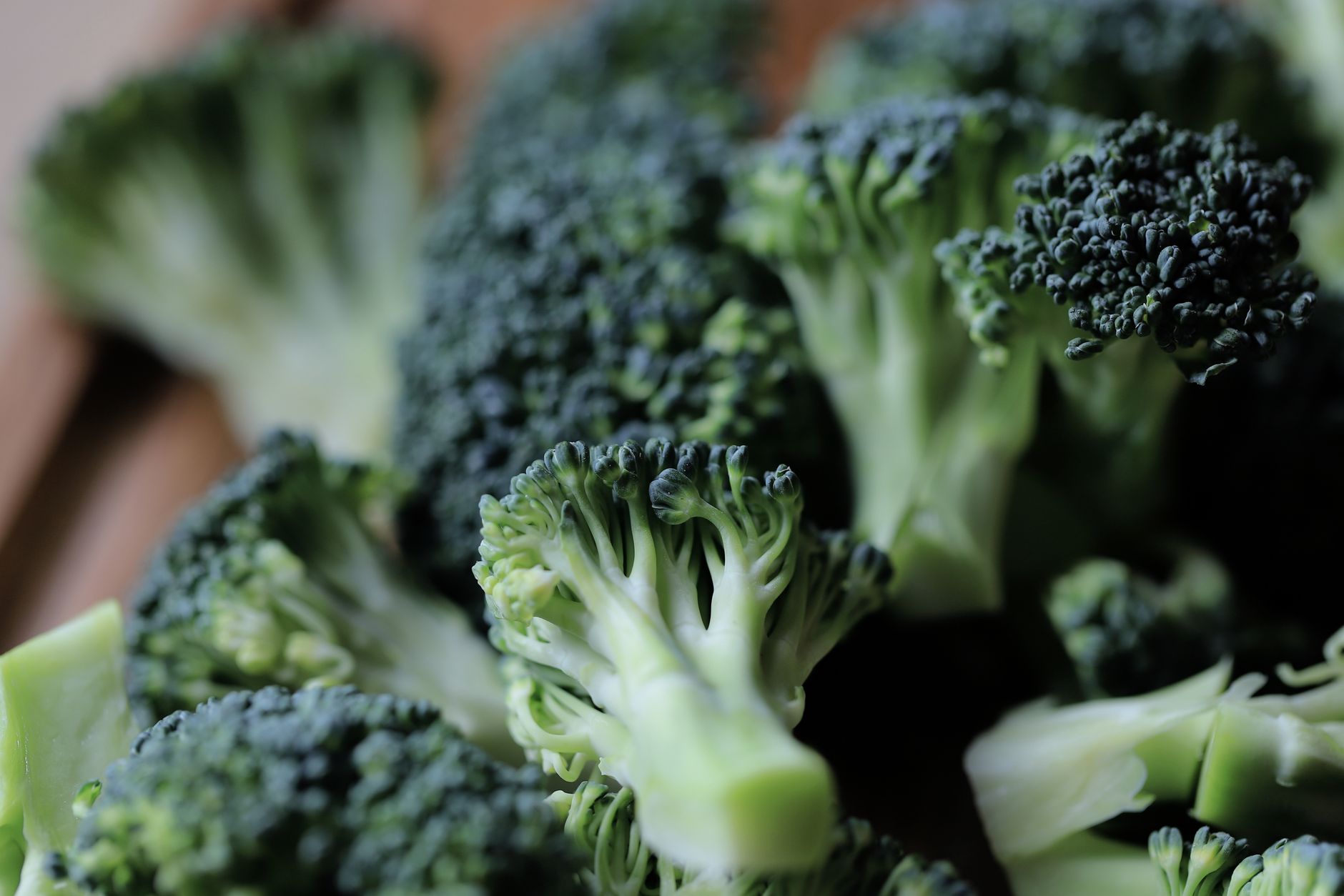 If you find regular broccoli too bitter or tough, broccolini is often a favorite.
Growing time and harvest
Broccoli takes 60 to 90 days from transplant to maturity, depending on the variety. You harvest one central head, then sometimes smaller side shoots. Broccolini takes 50 to 70 days from transplant, but you harvest multiple times over several weeks, cutting the central shoot first, then side shoots as they develop. A single broccolini plant can yield 8 to 12 ounces over its season, while one broccoli plant gives you a single head of 1 to 2 pounds. If you have limited space, broccolini gives you more harvests per square foot, but broccoli gives you a bigger single yield.
Planting and spacing
Both crops prefer full sun and fertile, well-drained soil with a pH of 6.0 to 7.0. Start seeds indoors 5 to 7 weeks before your last frost date, or buy transplants. Harden off for a week before planting out.
| Crop | Spacing between plants | Spacing between rows | Depth | Days to maturity |
|---|---|---|---|---|
| Broccoli | 18-24 inches | 24-36 inches | 1/4 inch | 60-90 |
| Broccolini | 12-18 inches | 18-24 inches | 1/4 inch | 50-70 |
For a spring crop, plant 2 to 3 weeks before your last frost. For a fall crop, plant 85 to 100 days before your first fall frost. In USDA zones 3-6, plant spring crops in April or May, fall crops in July or August. In zones 7-9, plant fall crops in September or October for winter harvest.
Varieties to try
For broccoli, choose varieties that suit your season. ‘Calabrese’ is a classic Italian heirloom with large heads and good side shoots. ‘Belstar’ is a hybrid that tolerates heat better, good for early summer. ‘Arcadia’ is cold-hardy and great for fall. For broccolini, ‘Aspabroc’ is the original hybrid, also sold as ‘Broccolini’. ‘Spring Rapini’ is a similar type, though technically a different plant. ‘Bountiful’ is a newer broccolini variety with good side shoot production. All are available from major seed companies like Johnny’s Selected Seeds, Burpee, or Territorial Seed.
Care and common problems
Both crops need consistent moisture, about 1 to 1.5 inches per week. Mulch to keep soil cool and retain water. Fertilize with a balanced organic fertilizer, like 5-5-5, at planting and again when the central head or shoot begins to form. Watch for cabbage worms, aphids, and flea beetles. Use row covers to exclude pests, and handpick caterpillars. If you see yellowing leaves or stunted growth, check for club root, which is a soil-borne disease. Rotate brassicas on a 3-year cycle to reduce disease.
Harvesting and storage
Harvest broccoli when the head is tight and dark green, before the yellow flowers open. Cut the central head with 6 inches of stem. Then leave the plant in the ground; it will produce smaller side shoots. Harvest broccolini when the stems are about 6 to 8 inches long and the florets are still tight. Cut the central shoot first, then side shoots every few days. Both crops store in the refrigerator for up to a week. For longer storage, blanch and freeze broccoli or broccolini for up to 12 months.
Cost and yield comparison
Broccoli seeds cost $3 to $5 per packet, and transplants cost $3 to $4 each. A 10-foot row of broccoli (about 5 plants) yields 5 to 10 pounds. Broccolini seeds cost $4 to $6 per packet, transplants $4 to $5 each. A 10-foot row of broccolini (about 7 plants) yields 4 to 7 pounds over several weeks. In 2026, fresh broccoli costs $2 to $3 per pound at the store, while broccolini costs $5 to $7 per bundle. Growing your own saves money, especially for broccolini.
Which should you grow?
Choose broccoli if you want a single, large harvest for freezing or feeding a crowd. Choose broccolini if you prefer continuous picking and don’t mind a smaller per-plant yield. Both are worth growing, and many gardeners plant a few of each. Broccoli is more forgiving for beginners, while broccolini requires more frequent harvesting to keep producing.
FAQ
Can I grow broccolini in containers?
Yes, broccolini grows well in containers at least 12 inches deep and wide. Use a quality potting mix and keep the soil consistently moist. You can get 2 to 3 harvests per plant in a container.
Why is my broccoli not forming a head?
Broccoli needs cool temperatures (below 75°F) to form heads. If it gets too hot, it may bolt or stay loose. Plant early enough in spring or late enough in fall. Also, too much nitrogen can cause leafy growth instead of heads.
Can I eat broccolini leaves?
Yes, broccolini leaves are edible and taste like a mild version of the stems. Use them in salads or stir-fries. Broccoli leaves are also edible but tougher; cook them like collard greens.
How do I get more side shoots from broccoli?
After cutting the central head, keep the plant watered and fertilize lightly. Cut side shoots when they are 4 to 6 inches long. Some varieties, like ‘Calabrese’, produce more side shoots than others.
The bottom line
Broccoli and broccolini are both excellent cool-season crops, but they serve different purposes. Broccoli gives you a big, dense head for freezing or a family meal. Broccolini offers a longer harvest of tender, sweet stems that are a gourmet treat. If you have space, grow both. If you must choose, think about how you cook: broccoli for soups and casseroles, broccolini for quick sautés and roasting. Either way, you’ll get fresh, homegrown brassicas that beat anything from the store.