Broccoli vs broccolini nutrition
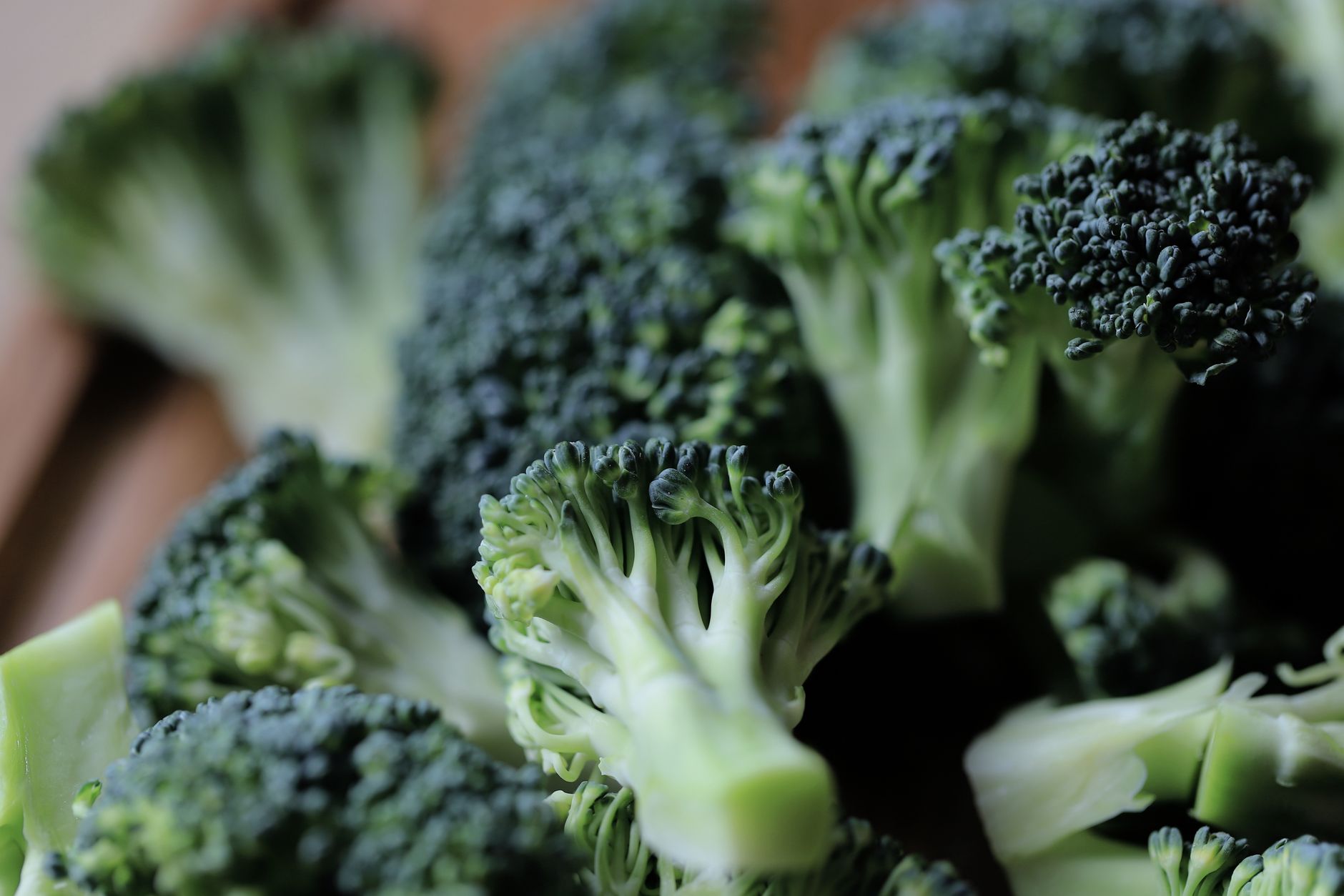
Compare broccoli and broccolini nutrition facts, growing tips, and which is better for your garden and diet in 2026.
Broccoli and broccolini are both Brassica vegetables, but they differ in nutrition and growing habits. Broccoli is a single large head with thick stalks; broccolini is a hybrid of broccoli and Chinese kale, producing many small florets on slender, sweet stalks. In terms of nutrition, broccoli generally has more vitamin C and fiber per cup, while broccolini offers more calcium and vitamin A. For gardeners, the choice depends on space, climate, and how you like to cook. Let’s break down the numbers and the practical differences so you can decide which to plant this season.
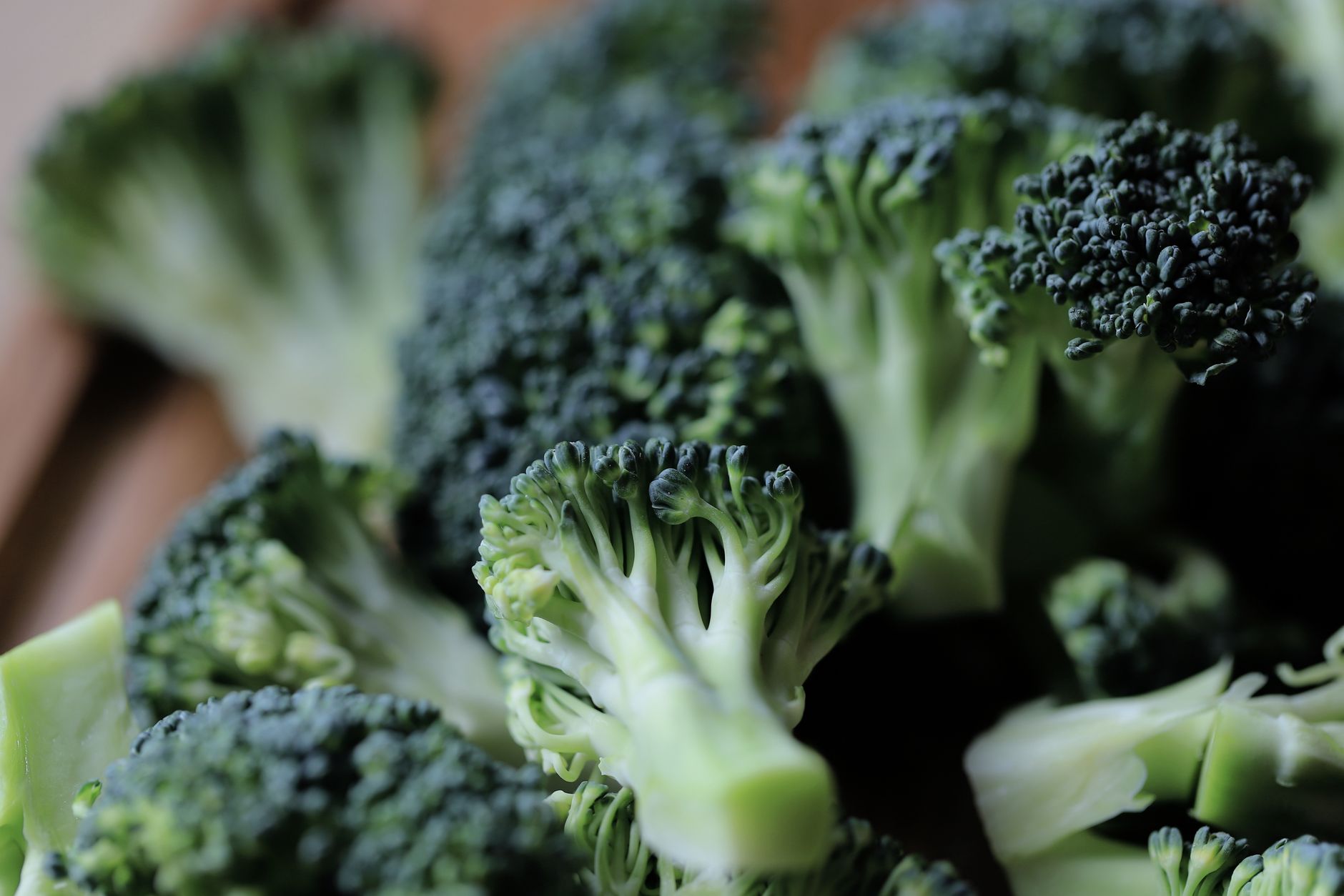
Nutritional comparison: the facts
Nutritional values are for 100 grams raw, based on USDA data (2024). Broccoli has about 34 calories, 2.8g protein, 6.6g carbs, 2.6g fiber, and 89.2mg vitamin C (149% DV). Broccolini is slightly lower in calories (35), similar protein (3.0g), but has 3.3g fiber and 8.9mg vitamin C (15% DV). Broccolini shines in calcium: 105mg vs 47mg in broccoli, and vitamin A: 2000 IU vs 623 IU. Broccoli wins on vitamin C and folate (63mcg vs 45mcg).
Here’s a quick table for reference:
| Nutrient (per 100g raw) | Broccoli | Broccolini |
|---|---|---|
| Calories | 34 | 35 |
| Protein (g) | 2.8 | 3.0 |
| Carbohydrates (g) | 6.6 | 6.0 |
| Fiber (g) | 2.6 | 3.3 |
| Vitamin C (mg) | 89.2 | 8.9 |
| Calcium (mg) | 47 | 105 |
| Vitamin A (IU) | 623 | 2000 |
| Folate (mcg) | 63 | 45 |
Note: Broccolini is often eaten with the entire stalk, which adds fiber
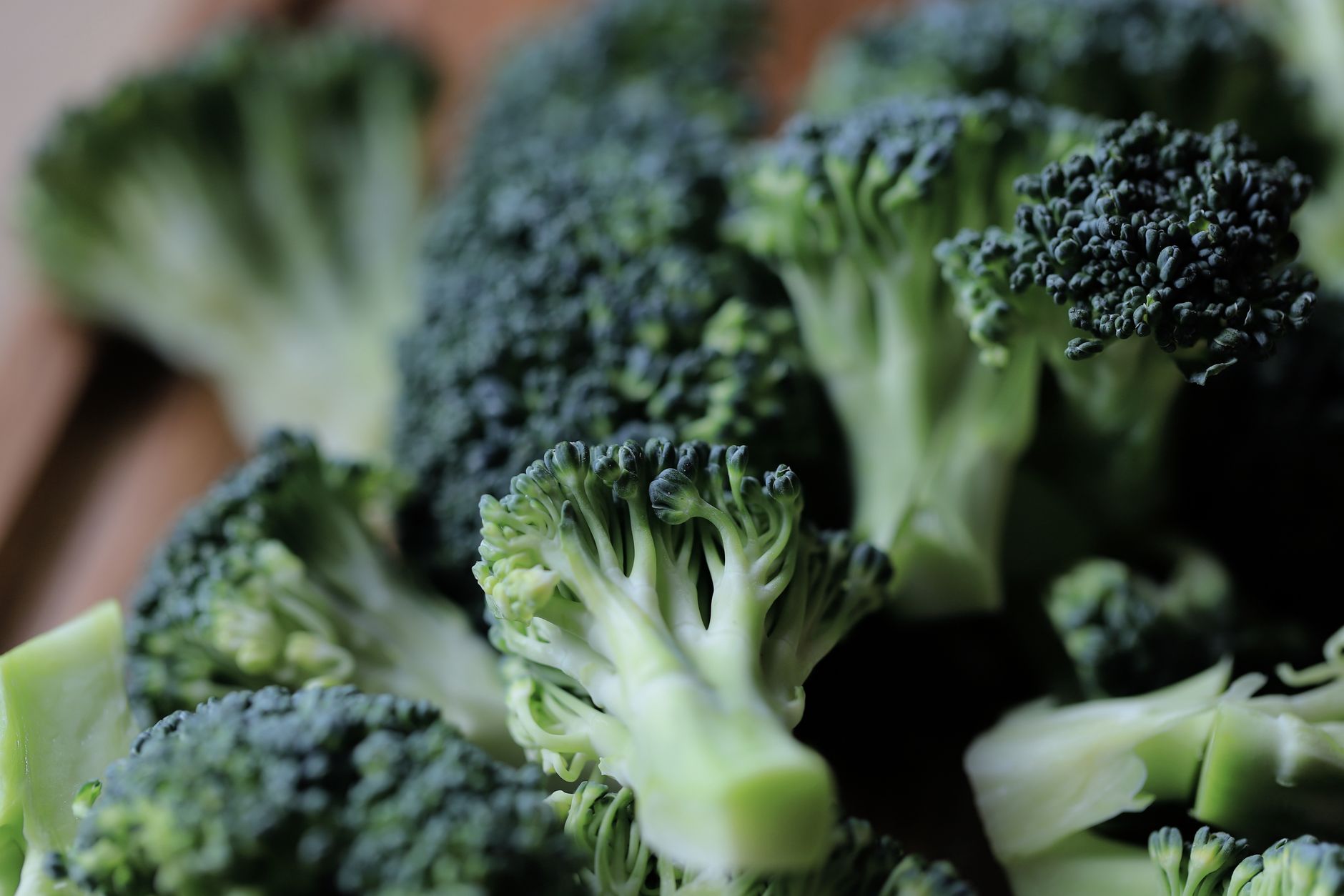 and nutrients. If you eat broccoli stalks too, the difference narrows, but the vitamin C gap remains.
Growing differences: what you need to know
Broccoli is a cool-season crop that forms a single head. It takes 60 to 90 days from transplant, depending on variety. Broccolini, also called baby broccoli, produces multiple side shoots after the central head is cut, extending harvest for weeks. It is more heat tolerant than broccoli, making it a better choice for southern gardens (zones 8 and warmer) where broccoli bolts quickly.
Planting dates vary by zone:
| USDA Zone | Broccoli transplant | Broccolini transplant |
|---|---|---|
| 3-4 | April 15 - May 1 | May 1 - May 15 |
| 5-6 | April 1 - April 15 | April 15 - May 1 |
| 7-8 | March 1 - March 15 | March 15 - April 1 |
| 9-10 | Oct 1 - Nov 1 | Oct 1 - Nov 15 |
For fall crops, count back 80 to 100 days from your first frost date. Broccolini can be direct sown, but transplanting gives a head start. Space broccoli 18 inches apart in rows 24 inches apart; broccolini can be 12 inches apart in rows 18 inches apart, since plants are smaller.
Varieties to try
For broccoli, ‘Arcadia’ (hybrid, 63 days, good for fall) and ‘Belstar’ (hybrid, 65 days, heat tolerant) are reliable. For broccolini, look for ‘Aspabroc’ (the original, 50 days to first cut) or ‘Burbank’ (hybrid, 45 days, more uniform). Seeds cost $3 to $5 per packet for both; transplants run $1 to $2 each at nurseries.
Cooking and taste: which wins?
Broccoli has a dense, earthy flavor, great for roasting, steaming, or adding to casseroles. Broccolini is sweeter and more delicate, with a mild, slightly peppery taste. It cooks faster: blanch for 2 minutes, or stir-fry for 3 to 4 minutes. Broccoli needs 5 to 7 minutes to steam until tender. If you like crunchy stalks, broccolini is the winner. If you want a hearty side, broccoli fills you up more.
Which is better for your garden?
If you have limited space, broccolini gives a longer harvest from fewer plants. A 10-foot row of broccolini yields about 5 pounds over 6 weeks; the same row of broccoli yields 6 to 8 pounds in one or two harvests. Broccoli stores better: heads keep 2 to 3 weeks in the fridge, while broccolini is best eaten within 3 to 4 days. For freezing, broccoli blanches and freezes well; broccolini can be frozen but gets softer.
For homesteaders, consider both: plant broccoli for bulk and broccolini for continuous picking. In zone 7 and warmer, broccolini is more reliable in spring, as it resists bolting.
FAQ
Is broccolini more nutritious than broccoli? No, not overall. Broccoli has more vitamin C and fiber per cup, but broccolini has more calcium and vitamin A. Both are excellent choices; eat a mix for variety.
Can I grow broccolini in containers? Yes, use a 5-gallon pot per plant. Broccolini’s shallow roots do well in containers, but keep soil consistently moist and feed every 2 weeks with a balanced liquid fertilizer.
How do I harvest broccolini? Cut the central shoot when it is 6 to 8 inches long, just above a leaf node. Side shoots will develop over the next few weeks. Harvest regularly to encourage more growth.
Which is better for freezing? Broccoli freezes better because it holds its texture. Blanch florets for 3 minutes, cool in ice water, then pack. Broccolini can be frozen but will be mushier; use it in soups or stir-fries.
The bottom line
Broccoli and broccolini are both nutritious, but they serve different purposes. Broccoli gives you more vitamin C and fiber per bite, and it stores well. Broccolini offers calcium and vitamin A, plus a longer harvest window and better heat tolerance. For a balanced garden, plant both: broccoli for winter storage, broccolini for fresh eating through the season. Start seeds indoors 6 weeks before your last frost, harden off, and transplant at the dates above. You will get a steady supply of healthy greens from spring through fall.