Broccoli vs broccoli sprouts
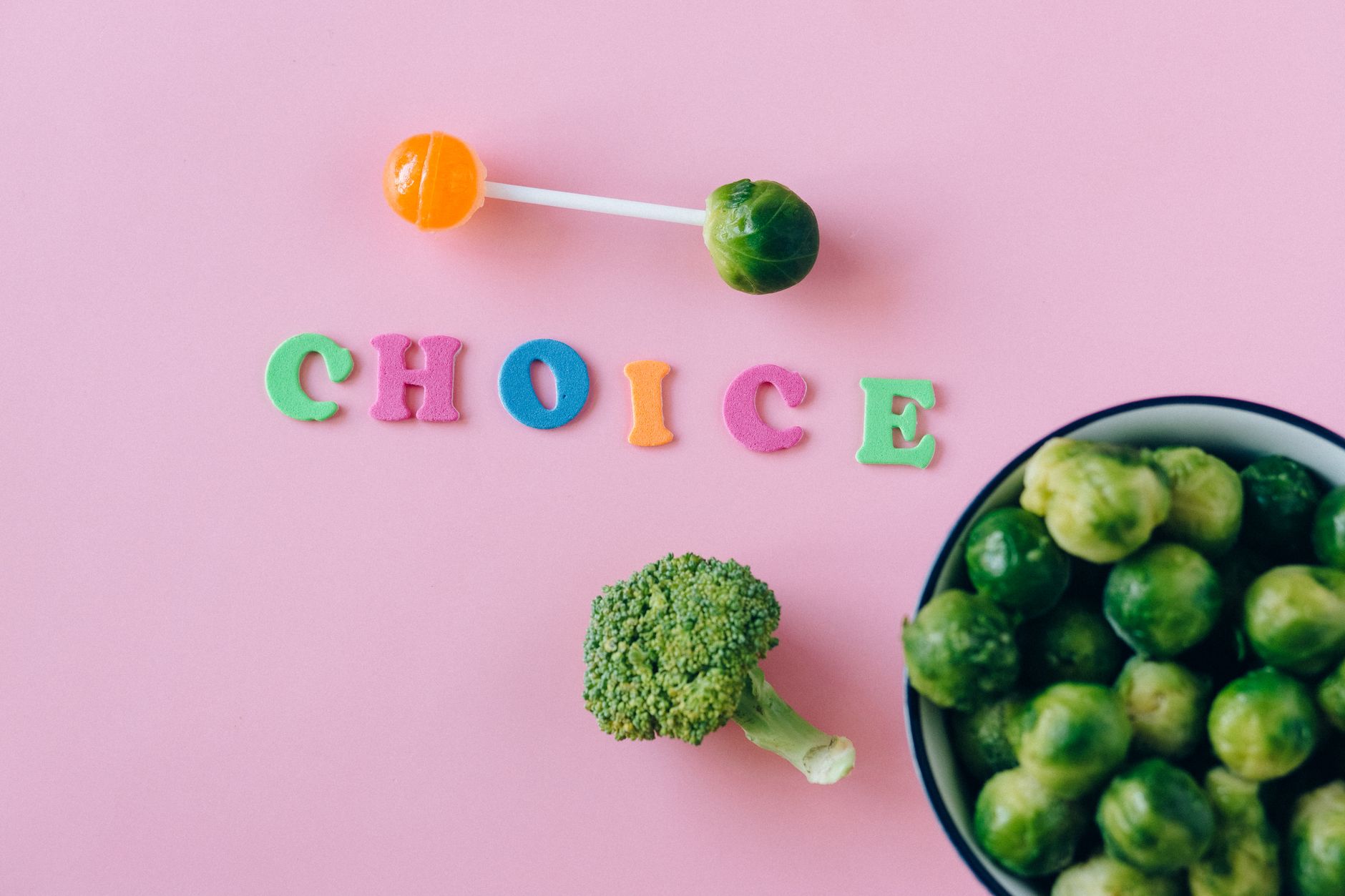
Compare growing broccoli heads vs broccoli sprouts: time, space, cost, nutrition, and how to grow each in your garden or kitchen.
If you’re deciding between growing full-size broccoli heads or broccoli sprouts, here’s the short answer: broccoli sprouts are faster, cheaper, and more nutrient-dense per bite, but they’re not a substitute for the hearty vegetable. Grow both if you have space, but start with sprouts for quick wins and plant broccoli for long-term harvests.
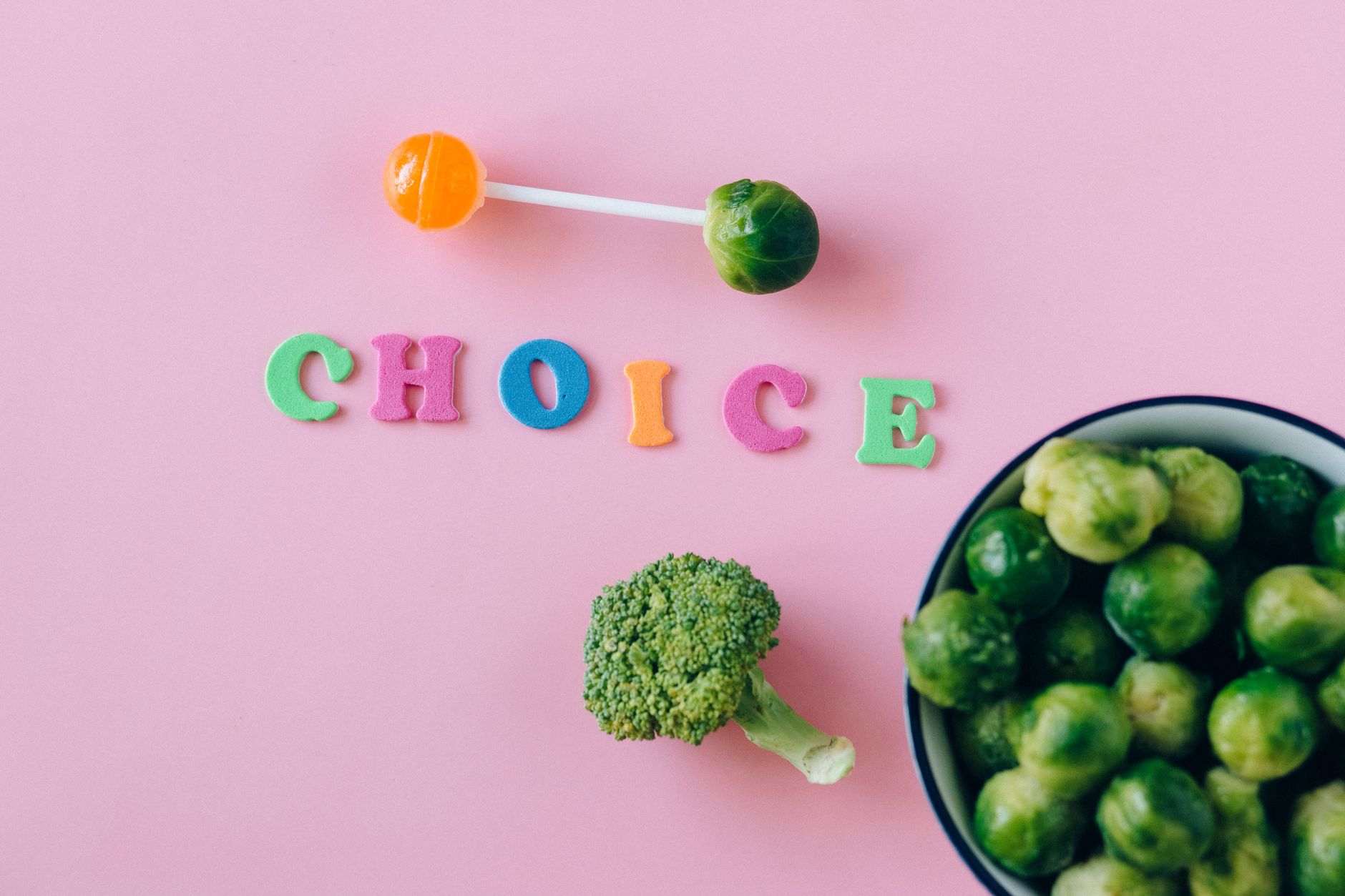
What’s the difference?
Broccoli (Brassica oleracea var. italica) is the mature plant you grow in the garden, taking 60 to 100 days from transplant to harvest a single head. Broccoli sprouts are the young seedlings, harvested 5 to 7 days after germination, eaten whole (stem, cotyledons, and tiny leaves). They’re not the same a
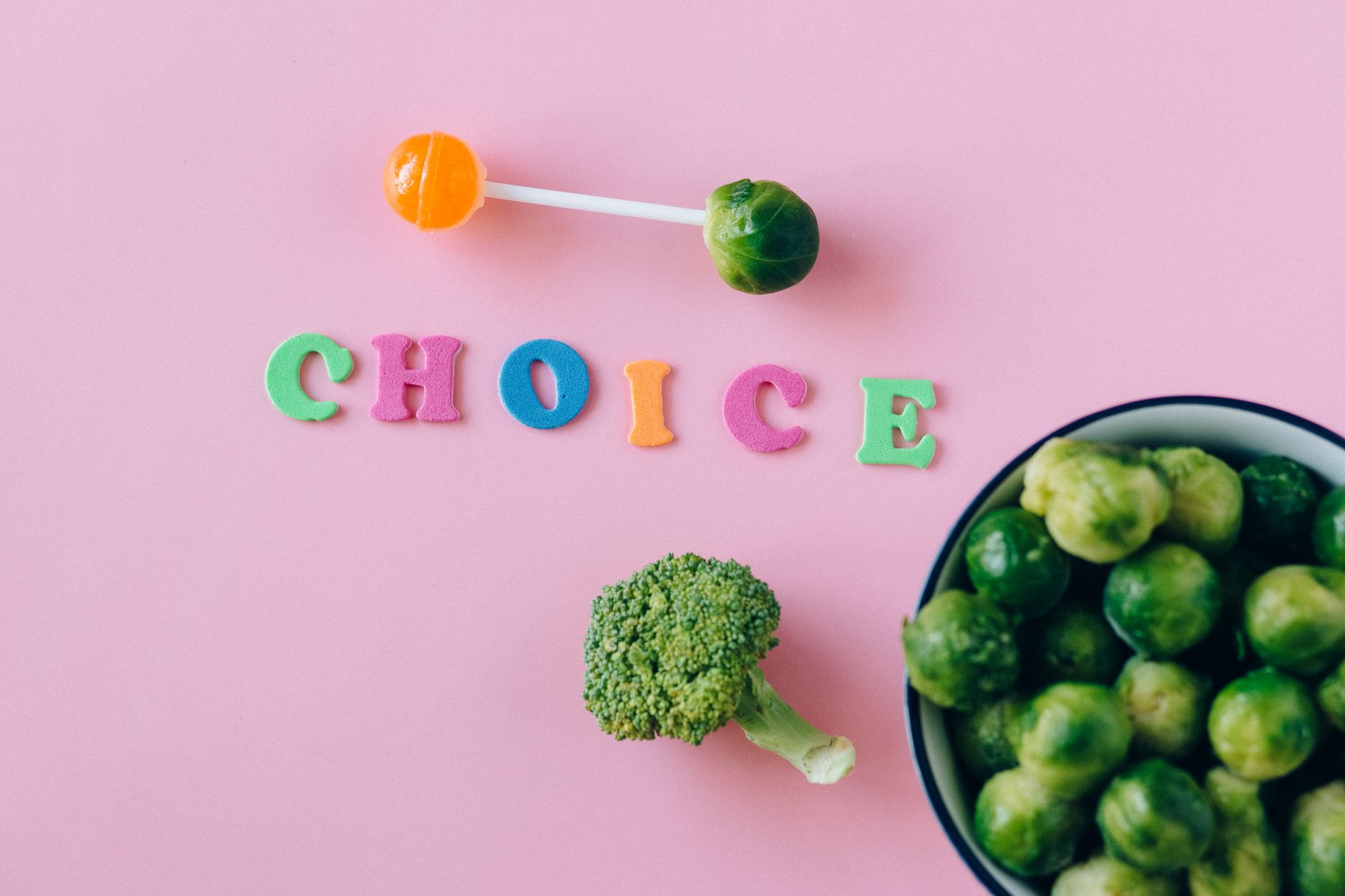 s microgreens, which are grown longer and cut above the soil; sprouts are eaten root and all.
Nutrition: sprouts pack a punch
Broccoli sprouts contain 10 to 100 times more sulforaphane (the compound linked to cancer prevention) than mature broccoli, according to a 1997 Johns Hopkins study. A 3-ounce serving of sprouts has about 20 calories and 2 grams of protein, while a cup of cooked broccoli has 55 calories and 4 grams. For sulforaphane, sprouts win decisively, but mature broccoli provides more fiber and vitamins A and K per serving.
Growing broccoli in the garden
Timing and varieties
Broccoli is a cool-season crop. In USDA zones 3 to 6, plant transplants in early spring (4 to 6 weeks before last frost) and again in midsummer for fall harvest. In zones 7 to 9, grow it as a fall crop, planting in August or September. Choose varieties suited to your season: ‘Calabrese’ (60 days) for spring, ‘Belstar’ (65 days) for both spring and fall, ‘Arcadia’ (70 days) for fall, and ‘Purple Sprouting’ (200 days) for overwintering in mild zones.
Planting and care
Start seeds indoors 6 weeks before transplant, or buy transplants at a nursery. Space plants 18 inches apart in rows 24 inches apart. Plant in rich, well-drained soil with pH 6.0 to 7.0. Fertilize with a balanced 10-10-10 at planting and side-dress with nitrogen 3 weeks later. Keep soil consistently moist; mulch to retain moisture and cool the roots.
Harvest and yield
Harvest the central head when it’s tight and dark green, before the florets start to separate. Cut 6 inches of stem with a sharp knife. After cutting, side shoots will form, giving you smaller florets for weeks. Expect 1 to 2 pounds per plant in a good season. A 10-foot row of 6 plants yields about 9 pounds total.
Common problems
Cabbage worms and aphids are the main pests. Cover plants with floating row cover immediately after transplanting, and check undersides of leaves weekly. For aphids, spray with a strong jet of water or insecticidal soap. Avoid planting in the same spot as other brassicas for 3 years to prevent clubroot.
Growing broccoli sprouts at home
What you need
You don’t need a garden, just a sunny windowsill or a simple sprouting jar. Supplies: a wide-mouth mason jar, a mesh sprouting lid (or cheesecloth and a rubber band), and organic broccoli seeds. A 4-ounce jar of seeds costs $8 to $12 and yields about 2 pounds of sprouts over multiple batches.
Step-by-step method
- Measure 2 tablespoons of seeds (about 10 grams) into the jar.
- Cover with 2 cups of cool water and let soak for 8 to 12 hours.
- Drain and rinse the seeds through the mesh lid.
- Invert the jar at a 45-degree angle in a bowl or on a dish rack to allow air circulation and drainage.
- Rinse and drain the seeds twice a day (morning and evening) for 5 to 7 days.
- When sprouts are 1 to 2 inches long and the leaves are green (expose them to indirect light the last day for greening), they’re ready.
- Rinse thoroughly, drain well, and store in a sealed container in the fridge for up to 5 days.
Yield and cost
Two tablespoons of seeds yield about 1.5 cups of sprouts, roughly 3 ounces. At $10 per 4-ounce jar of seeds, that’s about $1.25 per batch, far cheaper than the $4 to $6 per 4-ounce clamshell at the grocery store. You can grow a batch every week with minimal effort.
Safety note
Use seeds specifically labeled for sprouting, as they’re tested for pathogens. Rinse thoroughly and keep everything clean. If sprouts smell sour or look slimy, discard them.
Which should you grow?
If you have a garden and want a staple vegetable, grow broccoli. It’s more filling, versatile in cooking, and gives you a substantial harvest. If you’re short on space or time, or want a concentrated health boost, grow sprouts. They’re ready in a week, take up a jar, and cost pennies per serving. Many gardeners do both: sprouts for immediate nutrition, broccoli for the freezer.
FAQ
Can I use regular broccoli seeds for sprouts?
Yes, but choose untreated, organic seeds labeled for sprouting. Regular garden seeds may be treated with fungicides, which are not safe to eat raw.
How long do broccoli sprouts last in the fridge?
Properly stored in a sealed container, they last 3 to 5 days. Rinse them daily in a colander and pat dry to extend freshness.
Do broccoli sprouts taste like broccoli?
They have a milder, slightly peppery flavor, similar to radish sprouts. They’re great on sandwiches, salads, or stirred into soups at the end of cooking.
Can I grow broccoli sprouts in soil?
Yes, you can grow them as microgreens in a tray of potting mix, but that takes 10 to 14 days and requires more space. The jar method is simpler and faster.
The bottom line
Broccoli sprouts are the quick, cheap, nutrient-dense option; mature broccoli is the garden staple. If you have a sunny windowsill, start sprouting today. If you have a garden bed, plant broccoli transplants this weekend for a harvest in 2 to 3 months. Both are worth your time, and neither is difficult. Choose based on your space and patience, and you’ll be rewarded with fresh, healthy brassicas.