Broccoli vs broccoli rabe
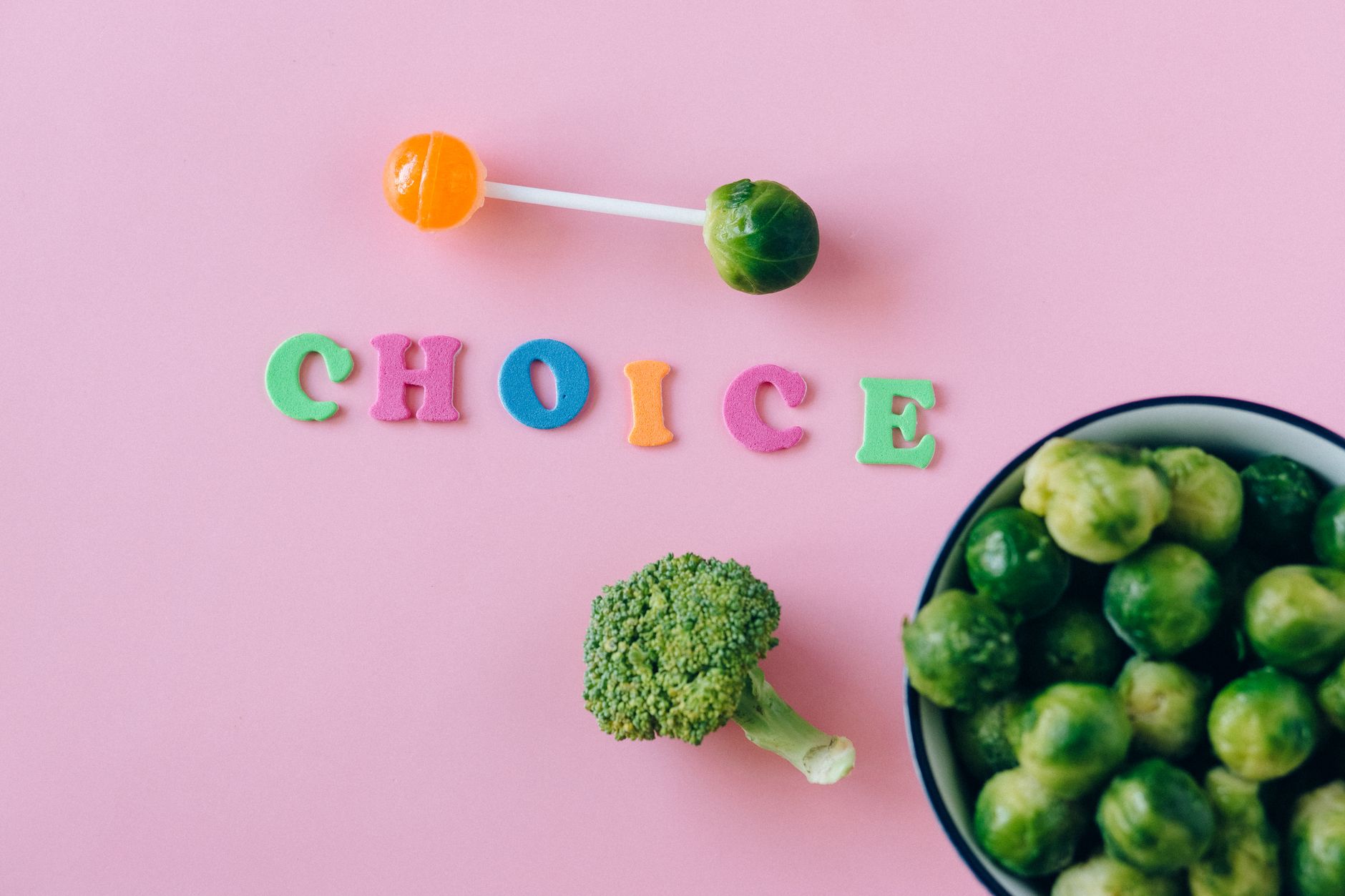
Compare broccoli and broccoli rabe: taste, growing needs, harvest times, and yields. Choose the right crop for your garden with practical tips.
Broccoli and broccoli rabe are both cool-season brassicas, but they are not the same plant. Broccoli (Brassica oleracea var. italica) forms a dense head of immature flower buds. Broccoli rabe (Brassica rapa var. rapa), also called rapini, is grown for its leafy stalks, small buds, and sharp, bitter flavor. If you want a classic, mild side dish, grow broccoli. If you prefer a peppery, assertive green that cooks quickly, grow broccoli rabe. This guide covers the key differences so you can decide which one fits your garden and kitchen.
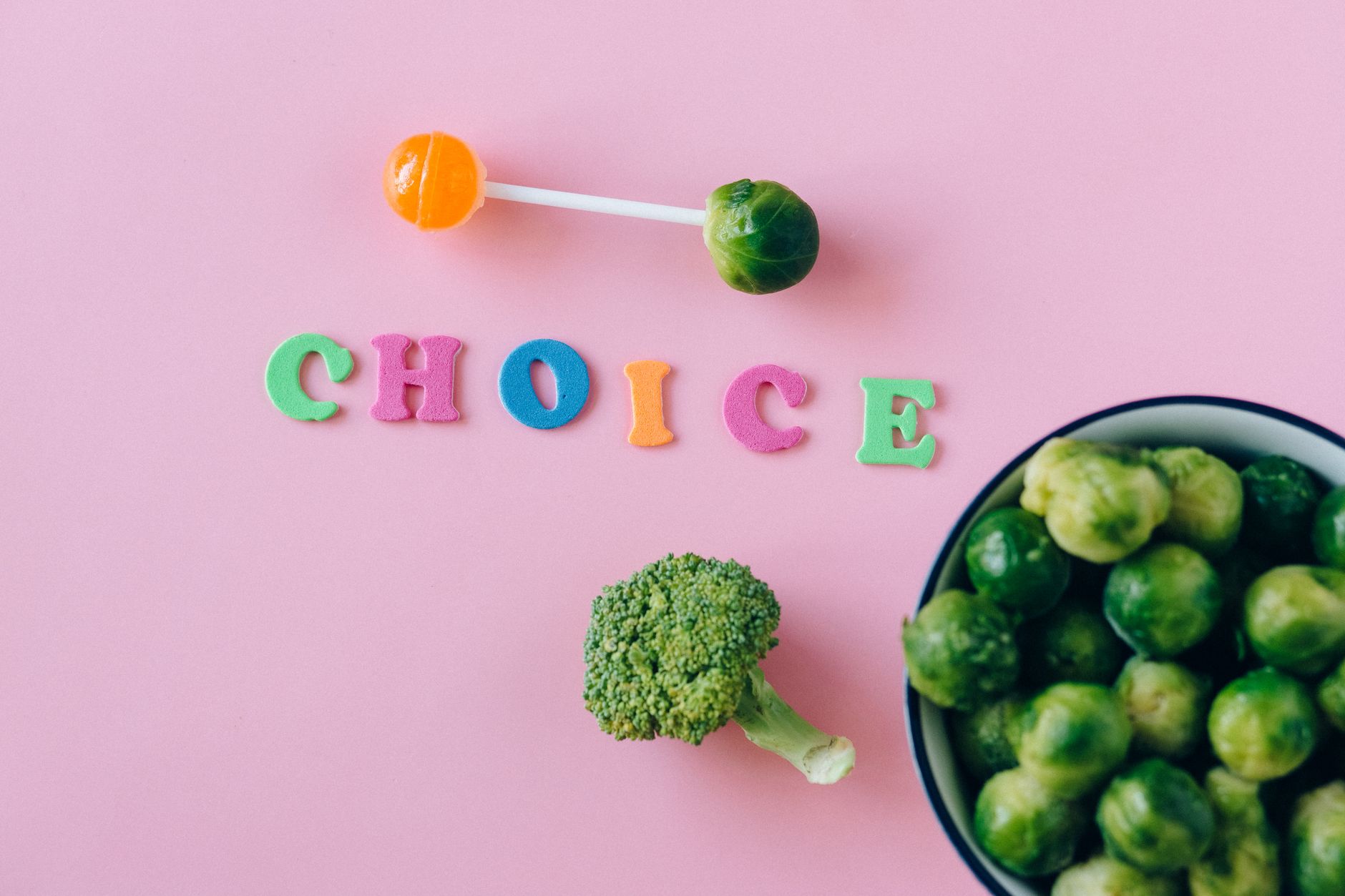
What is the difference in taste and use?
Broccoli has a mild, slightly sweet flavor with a firm, crunchy texture. It is usually steamed, roasted, or added to casseroles. Broccoli rabe is more bitter and nutty, with tender leaves and stems that cook down quickly. It is often sautéed with garlic and olive oil, added to pasta, or used in Italian dishes. If you dislike
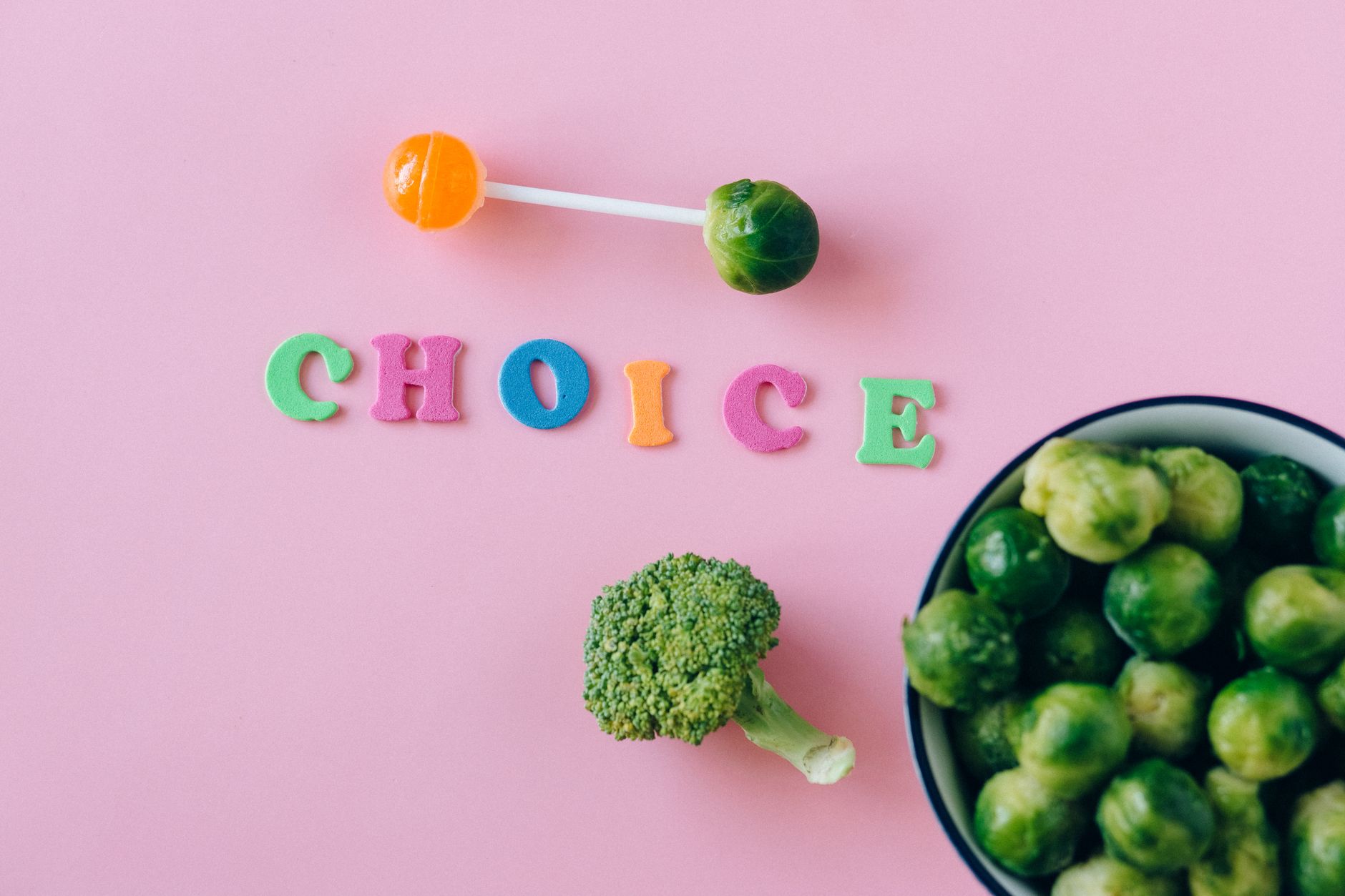 bitter greens, stick with broccoli. If you enjoy a punch of flavor, try broccoli rabe.
Growing requirements: climate and timing
Both crops prefer cool weather and bolt (go to seed) when temperatures rise. Plant them in early spring for a summer harvest or in late summer for a fall crop. They tolerate light frost, which can actually improve flavor by increasing sugar content.
| Crop | USDA zones | Spring planting | Fall planting | Days to maturity |
|---|---|---|---|---|
| Broccoli | 3-10 | 4-6 weeks before last frost | 8-10 weeks before first frost | 60-80 days |
| Broccoli rabe | 3-10 | 4-6 weeks before last frost | 8-10 weeks before first frost | 40-60 days |
Broccoli rabe matures faster, so you can squeeze in a crop even in short seasons. Broccoli takes longer but produces a larger, more substantial head.
Planting and spacing
Start seeds indoors 4-6 weeks before your last frost date, or sow directly in the garden once the soil can be worked. Use a soil thermometer: both germinate best when soil is between 50°F and 75°F.
For broccoli, space plants 18-24 inches apart in rows 24-36 inches apart. For broccoli rabe, space plants 6-12 inches apart in rows 12-18 inches apart. Closer spacing for rabe encourages tender, smaller shoots.
Plant seeds 1/2 inch deep. For direct sowing, thin to the recommended spacing once seedlings have two true leaves.
Soil, water, and fertilizer
Both crops need rich, well-draining soil with a pH between 6.0 and 7.0. Amend with compost before planting. They are heavy feeders, so side-dress with a balanced fertilizer (10-10-10) at planting and again when plants are half-grown.
Keep soil consistently moist, about 1-1.5 inches of water per week. Mulch to retain moisture and keep roots cool. Stress from drought can cause premature bolting, especially in broccoli rabe.
Harvesting: when and how
Broccoli: Cut the main head when it is tight and dark green, before the buds start to open into yellow flowers. Use a sharp knife to cut the stalk 5-6 inches below the head. After cutting, side shoots will form, giving you a second, smaller harvest.
Broccoli rabe: Harvest the entire plant when the central bud cluster is formed but still closed, usually 40-60 days after planting. Cut the stem at the base. You can also harvest individual side shoots over several weeks. The leaves, stems, and buds are all edible.
Yields and prices
A single broccoli plant yields one main head (about 0.5-1 pound) plus side shoots. A 10-foot row can produce 5-10 pounds. Broccoli rabe yields about 0.5-1 pound per plant, but because you can plant it closer, a 10-foot row can give you 8-12 pounds over several harvests.
At farmers markets in 2026, broccoli sells for $2-$4 per pound, while broccoli rabe often fetches $3-$5 per bunch (about 1 pound). Growing your own saves money, especially if you eat a lot of greens.
Varieties to try
For broccoli, reliable varieties include ‘Green Magic’ (65 days, heat tolerant), ‘Arcadia’ (70 days, cold hardy), and ‘Belstar’ (65 days, good for spring and fall). For broccoli rabe, ‘Rapini’ (40 days, standard), ‘Spring Raab’ (42 days, early), and ‘Sessantina Grossa’ (60 days, larger leaves) are solid choices.
Common problems and solutions
Both crops face the same pests: cabbage worms, aphids, and flea beetles. Use row covers to exclude pests, and check undersides of leaves for eggs. Apply Bacillus thuringiensis (Bt) for caterpillars. Rotate crops yearly to prevent soil-borne diseases.
Bolting is the biggest risk. If temperatures spike above 80°F, plants may flower prematurely. Choose bolt-resistant varieties and time plantings to avoid heat. In warm zones, plant for fall harvest instead of spring.
FAQ
Can I substitute broccoli rabe for broccoli in recipes?
Yes, but expect a more bitter, peppery flavor. Adjust cooking time: rabe cooks in 5-7 minutes, while broccoli takes 8-10 minutes. Blanch rabe first to reduce bitterness if desired.
Which is easier to grow for beginners?
Broccoli rabe is easier because it matures faster and tolerates closer spacing. But broccoli is more forgiving of imperfect timing, as it bolts less readily.
Can I grow both in the same season?
Absolutely. Plant broccoli rabe in early spring, harvest by late spring, then plant broccoli for fall. Or interplant them: rabe matures before broccoli needs the space.
How do I store them?
Both keep in the refrigerator for 3-5 days. Wrap in a damp paper towel and place in a plastic bag. For longer storage, blanch and freeze up to 12 months.
The bottom line
Choose broccoli if you want a classic, mild vegetable that stores well and yields a large head. Choose broccoli rabe if you want a fast, flavorful green that adds a kick to your meals. Both are easy to grow in cool seasons, and you can plant both for a continuous harvest. Start with one or two varieties, follow the spacing and timing above, and you will have a productive brassica patch.