Broccoli guide for beginners
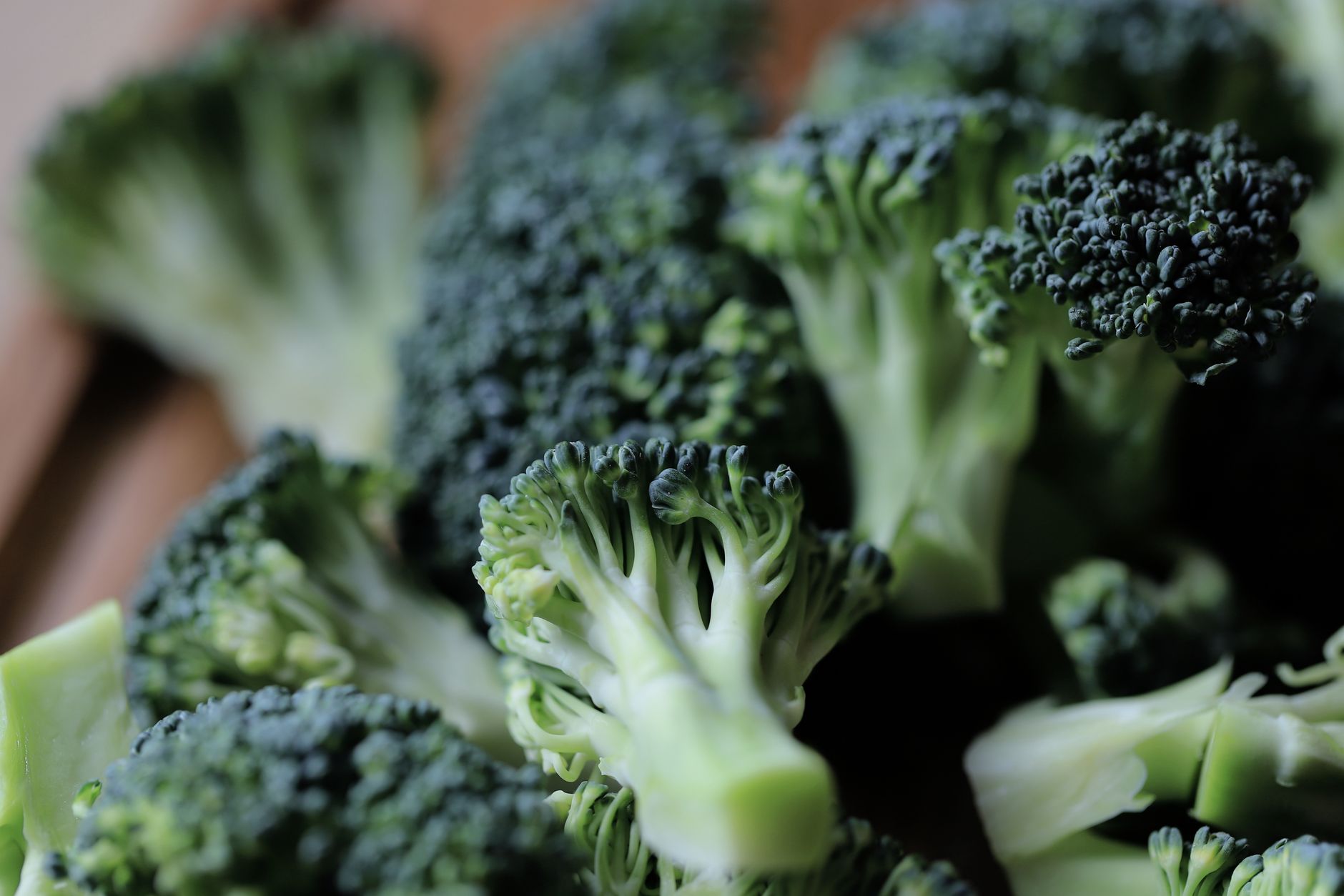
Learn how to grow broccoli from seed to harvest with practical steps, variety picks, and timing for USDA zones. Realistic yields and costs included.
Broccoli is one of the easiest brassicas to grow if you time it right and watch for pests. The key is to plant it in the cool season: early spring or late summer for most zones. In this guide, I’ll walk you through choosing varieties, starting seeds, transplanting, caring for plants, and harvesting, with realistic dates and numbers for 2026.
Why broccoli is a good first brassica
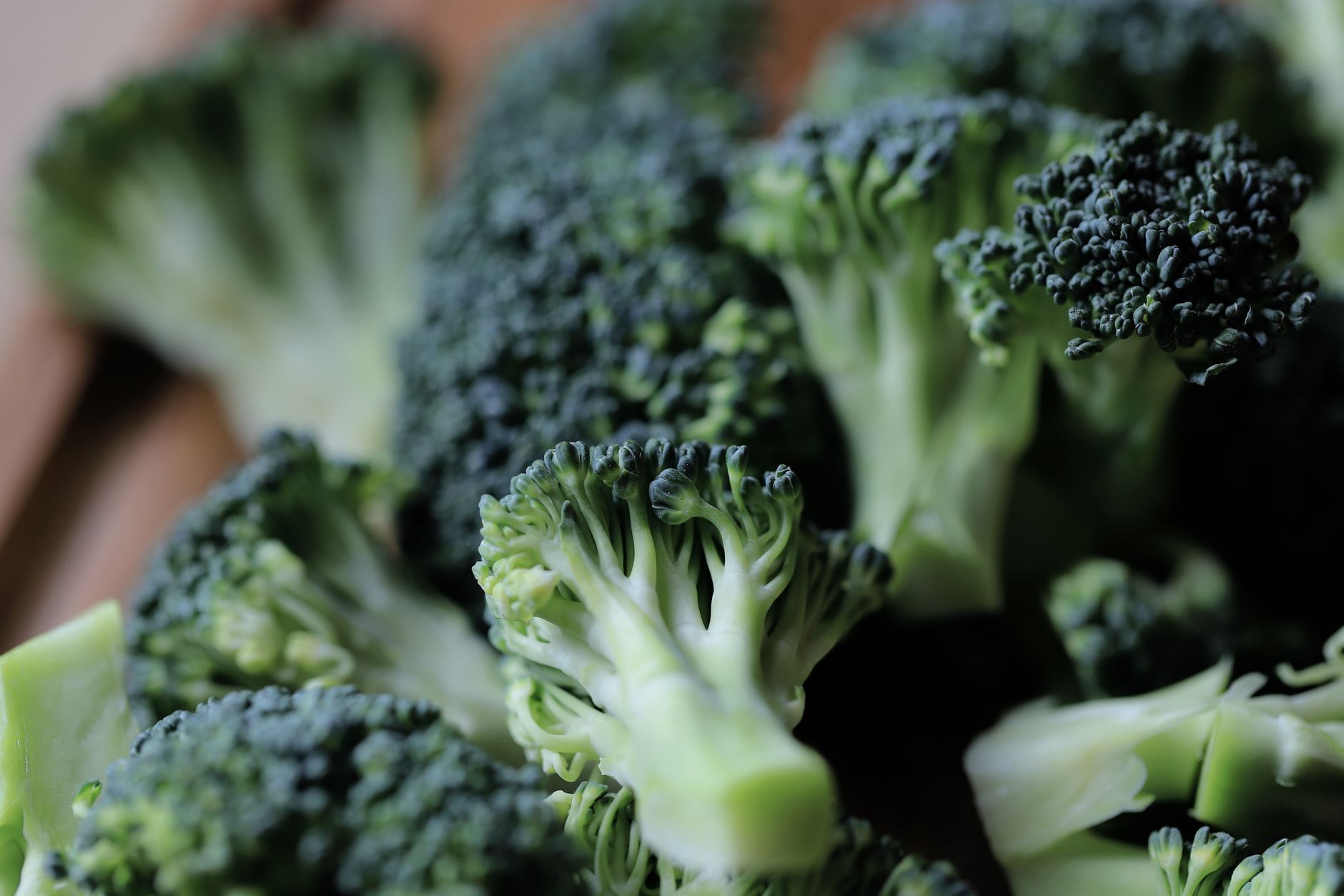
Broccoli grows quickly, tolerates light frost, and gives you a clear harvest window. A single plant yields one main head (about 4 to 6 inches across) plus side shoots for weeks after. For a family of four, 10 to 15 plants is plen
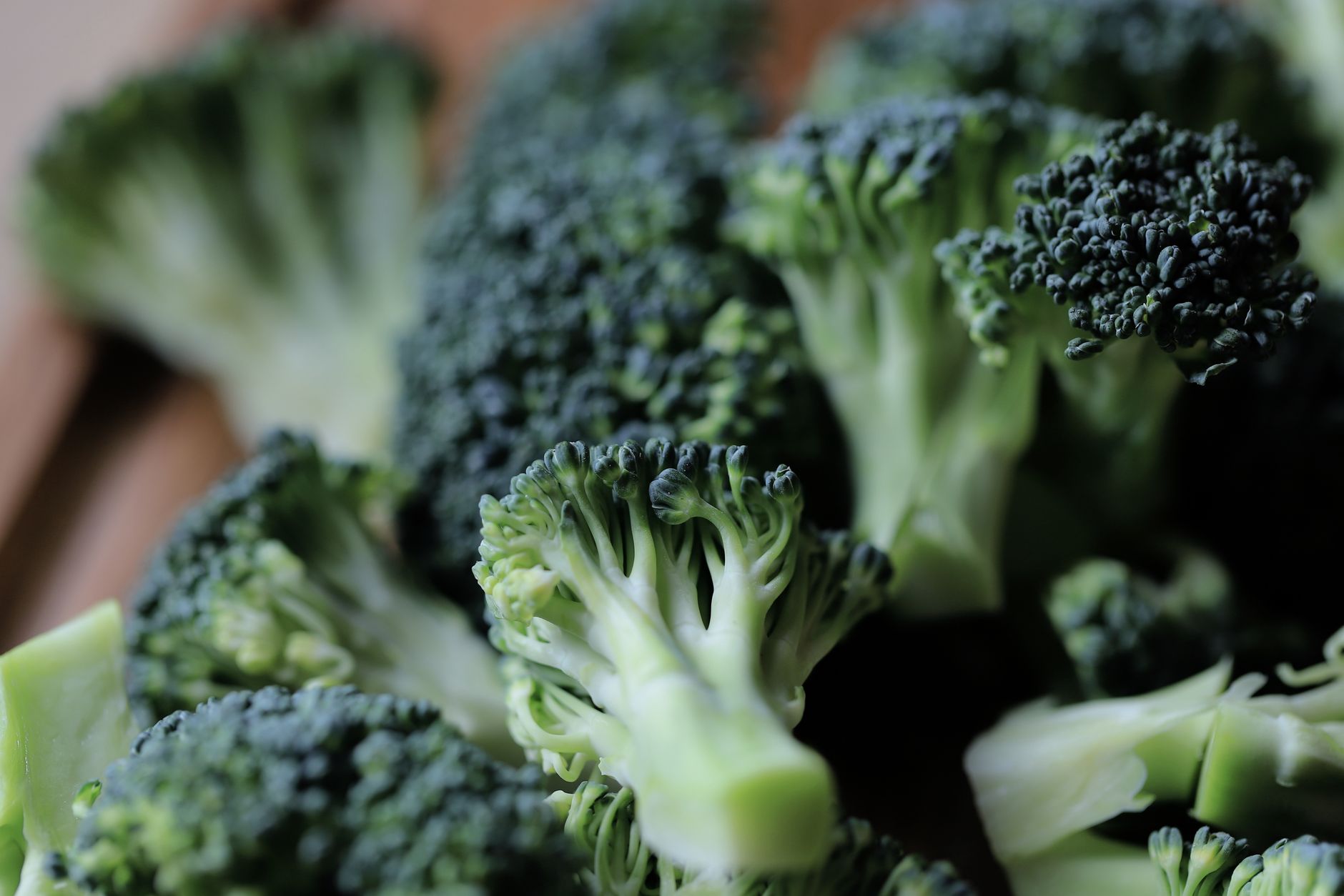 ty. Expect 1 to 2 pounds of florets per plant over the season, depending on variety and care.
Choose the right variety
Pick varieties that match your season and space. For spring, choose fast-maturing types. For fall, any variety works, but some handle heat better. Here are proven options:
| Variety | Days to maturity | Best for | Notes |
|---|---|---|---|
| ‘Green Goliath’ | 55-60 | Spring or fall | Large heads, heat tolerant |
| ‘Calabrese’ | 60-65 | Fall | Classic Italian heirloom, good side shoots |
| ‘Belstar’ | 60-65 | Spring or fall | Hybrid, uniform, good for freezing |
| ‘Arcadia’ | 70-75 | Fall | Cold hardy, excellent flavor |
| ‘Purple Peacock’ | 70-80 | Fall | Purple florets, ornamental and edible |
For beginners, ‘Green Goliath’ or ‘Belstar’ are safe bets. They germinate reliably and forgive small mistakes.
When to plant: timing by zone
Broccoli needs 60 to 70 days of cool weather. It bolts (goes to flower) when temperatures stay above 80°F. Use these general windows, adjusted for your local frost dates:
| USDA zone | Spring planting (transplant) | Fall planting (transplant) |
|---|---|---|
| 3-4 | April 15 - May 1 | July 1 - July 15 |
| 5-6 | March 15 - April 15 | July 15 - August 1 |
| 7-8 | February 15 - March 15 | August 1 - August 15 |
| 9-10 | January 15 - February 15 | September 1 - September 15 |
If you start seeds indoors, count back 4 to 6 weeks from transplant date. For example, zone 6 spring transplant around April 1, so start seeds in early March. Fall crops: start seeds indoors in June for July transplant, or direct sow in July for August transplant.
Start seeds indoors (or direct sow)
Indoor starting gives you control. Use a seed tray with drainage, fill with a sterile seed-starting mix (cost: $8 to $12 per bag). Plant seeds 1/4 inch deep, 2 seeds per cell, then thin to one. Keep soil at 70°F to 75°F for germination, which takes 5 to 10 days. Once sprouted, move to a bright windowsill or under a grow light (a simple shop light with a T8 bulb works, $20 to $30).
Harden off seedlings for 5 to 7 days before transplanting: set them outside for 1 hour the first day, then increase by 1 hour each day. This prevents transplant shock.
Direct sowing is possible in fall: plant seeds 1/2 inch deep, 12 inches apart, in July or August. Thin to 18 inches apart. Keep soil moist until germination.
Prepare the soil and transplant
Broccoli prefers rich, well-draining soil with a pH between 6.0 and 7.0. Before planting, work in 2 inches of compost or aged manure. If your soil is heavy clay, add perlite or coarse sand to improve drainage.
Transplant seedlings 18 inches apart in rows 24 to 36 inches apart. Dig a hole slightly larger than the root ball, set the plant so the soil line matches the pot, and firm gently. Water thoroughly after planting. A layer of mulch (straw or shredded leaves) helps retain moisture and keep roots cool.
Care: water, feed, and protect
Broccoli needs consistent moisture: about 1 to 1.5 inches of water per week. Water at the base to avoid wet leaves, which invite disease. Use a soaker hose or drip irrigation if possible (a basic kit costs $25 to $40).
Feed with a balanced fertilizer (10-10-10) at transplant, then side-dress with compost or a nitrogen-rich fertilizer (like blood meal) when the plant is about 6 inches tall. Avoid overfeeding, which can cause hollow stems.
Pests are the biggest challenge. Cabbage worms and aphids are common. Cover plants with row cover (floating fabric, $10 for a 6x50-foot roll) immediately after transplant to exclude pests. If you see worms, pick them off by hand or spray with Bacillus thuringiensis (Bt), a safe organic option ($15 for a concentrate).
Harvest at the right time
Harvest the main head when it is tight and dark green, before the buds start to separate and show yellow. Cut the stem 5 to 6 inches below the head with a sharp knife. Do this in the morning when the plant is cool. After cutting the main head, leave the plant in the ground. It will produce side shoots (smaller florets) over the next few weeks. Harvest those when they are about 1 to 2 inches across.
Store broccoli in the fridge in a plastic bag for up to 5 days. For longer storage, blanch florets for 3 minutes, then freeze in airtight bags. Frozen broccoli keeps for 8 to 12 months.
Common problems and fixes
- Bolting (flowering early): Caused by heat or stress. Plant at the right time, keep soil moist, and choose heat-tolerant varieties like ‘Green Goliath’.
- Hollow stems: Usually from uneven watering or too much nitrogen. Water consistently and avoid heavy feeding.
- Yellow leaves: Nitrogen deficiency. Side-dress with compost or a balanced fertilizer.
- No head formation: Sometimes due to too much heat or too little light. Ensure at least 6 hours of sun and proper timing.
FAQ
Can I grow broccoli in containers? Yes, use a pot at least 12 inches deep and 12 inches wide per plant. Choose a compact variety like ‘Belstar’ or ‘Green Goliath’. Container plants need more frequent watering, sometimes daily in summer.
How many heads does one plant produce? One main head, plus 5 to 10 side shoots over several weeks. Total yield is about 1 to 2 pounds per plant.
What is the best fertilizer for broccoli? A balanced 10-10-10 at planting, then a nitrogen boost (like blood meal) at 6 inches tall. Avoid high-nitrogen formulas after the head starts to form.
Why is my broccoli bitter? Bitterness often comes from heat stress or harvesting too late. Harvest heads while tight, and water consistently. Some varieties, like ‘Arcadia’, are naturally sweeter.
The bottom line
Growing broccoli is a rewarding project for any beginner. Start with a reliable variety, plant at the right time for your zone, and protect against pests from day one. With consistent watering and a little patience, you’ll harvest fresh heads in about 60 to 70 days. Expect to spend $10 to $20 on seeds and supplies for a small patch, and you’ll get several pounds of produce in return. Give it a try this season, and you’ll see why broccoli is a staple in many gardens.