Blackberries vs grapes
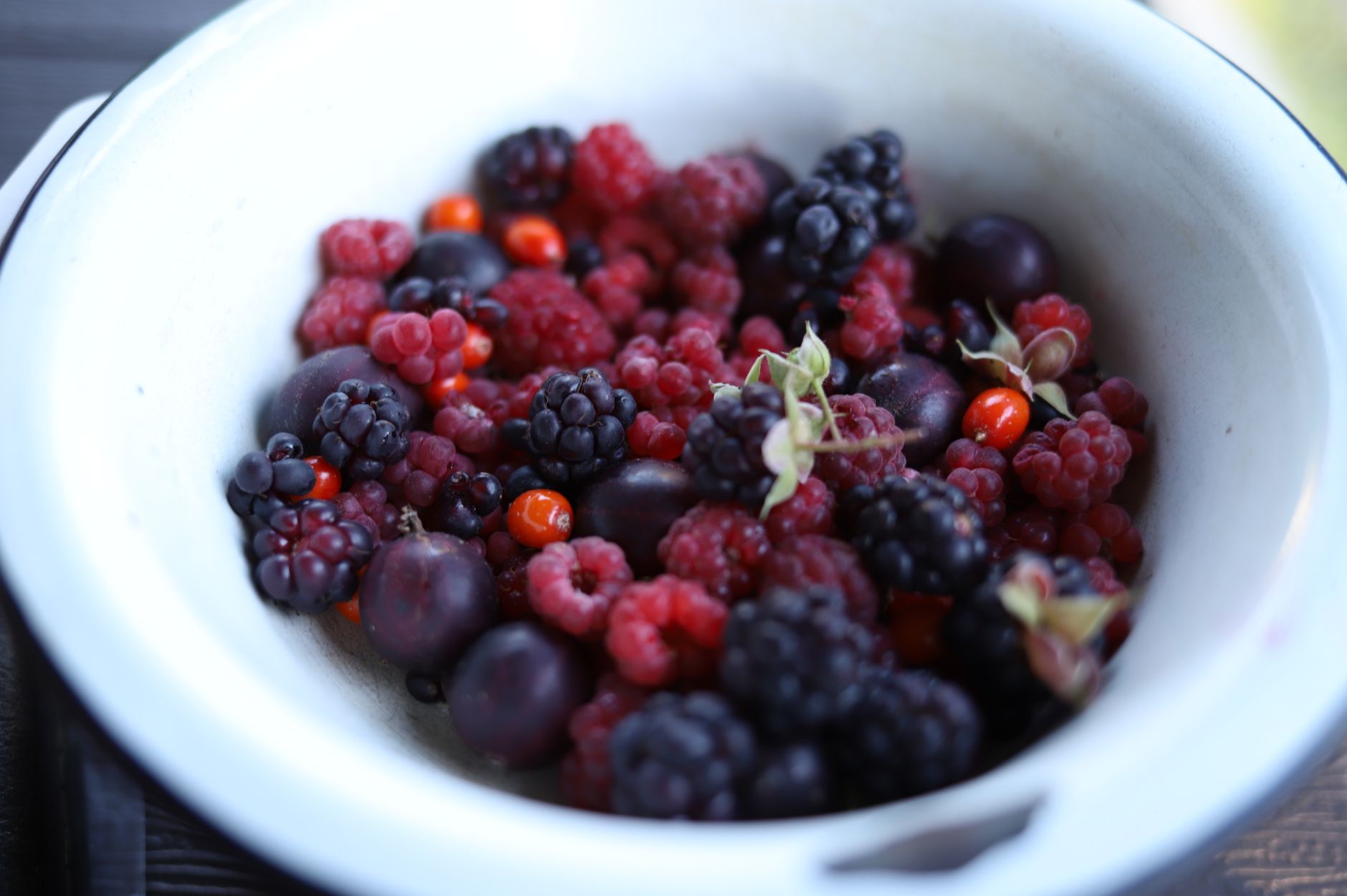
Compare blackberries and grapes for your homestead: climate, space, yield, maintenance, and costs. Choose the right crop for your zone.
If you’re deciding between blackberries and grapes for your homestead, the answer depends on your climate, space, and how much work you want to put in. Blackberries are easier for beginners, produce fruit in the second year, and need less fuss over pests. Grapes take longer to establish, require more pruning and pest management, but can live for decades and offer higher yields per square foot once mature. Here’s the practical breakdown to help you choose.
Climate and Hardiness
Blackberries are more forgiving across a wide range of climates. Most varieties thrive in USDA zones 5-9, with some like ‘Chester’ hardy to zone 4. They need full sun and well-drained soil, but they tolerate heat and humidity better than most grapes. In the South, choose thornless varieties like ‘Natchez’ or ‘Ouachita’ to avoid fungal issues.
Grapes are more climate-specific. American varieties (e.g., ‘Concord’, ‘Niagara’) grow in zones 4-8 and handle cold winters. European types (e.g., ‘Chardonnay’, ‘Cabernet Sauvignon’) prefer zones 7-10 with dry summers. Hybrids like ‘Mars’ or ‘Reliance’ work well in the Midwest and Northeast. If you live in a humid re
 gion, grape diseases like powdery mildew and black rot will be a constant battle.
Space and Trellising
Both crops need support, but grapes require a more permanent structure. Blackberries can be grown in a hedgerow with simple T-posts and wire, spaced 3-5 feet apart in rows 8-10 feet apart. A single plant can spread 4-6 feet wide. For a small garden, one or two plants can be trained on a fence or a single post.
Grapes need a sturdy trellis: a two-wire system at 3 and 5 feet high, with posts every 20 feet. Vines are spaced 6-8 feet apart in rows 8-10 feet apart. A single vine can cover 50 square feet when mature, so plan accordingly. The trellis must last decades, so use pressure-treated wood or metal posts.
Yield and Time to First Harvest
Blackberries produce fruit on second-year canes (floricanes). Plant in spring, and you’ll get a small harvest in the second summer, with full production by year 3. A mature plant yields 5-10 pounds per season. Everbearing varieties like ‘Prime-Ark 45’ give a light crop in fall of the first year, then a larger summer crop.
Grapes take longer. You’ll need to remove all fruit for the first 2-3 years to let the vine establish. A mature vine (year 4-5) yields 10-20 pounds, and a well-tended vineyard can produce 5-10 tons per acre. For a home grower, one vine can supply enough for fresh eating and a few jars of jelly.
Maintenance and Pest Management
Blackberries are low-maintenance. You’ll need to prune out spent floricanes after harvest and tip new canes in summer to encourage branching. Watch for spotted wing drosophila (a small fruit fly) and orange rust, but most home plantings do fine with minimal spraying. Use a simple insecticidal soap if needed.
Grapes are high-maintenance. They require annual dormant pruning (removing 80-90% of last year’s growth) to keep yields high. You’ll also need to manage canopy for airflow to reduce disease. In humid areas, expect to spray fungicides (sulfur or copper) every 7-10 days during wet spells. Birds and wasps will take a share unless you net the vines.
Cost and Setup
Blackberries are cheaper to start. A bare-root plant costs $5-$10, and a 10-plant row will run $50-$100 plus $20 for posts and wire. You can expect fruit in the second year, so return on investment is quick.
Grapes cost more upfront. A bare-root vine is $8-$15, and you’ll need a sturdy trellis: $50-$100 for a 20-foot row. Add $20-$30 for netting and spray supplies. Since you wait 3-4 years for a full crop, the payback is slower.
Which Should You Choose?
Choose blackberries if you want quick fruit, low maintenance, and live in a humid or variable climate. They’re ideal for small homesteads and beginners.
Choose grapes if you have space for a long-term investment, want to make wine or juice, and are willing to learn pruning and pest control. They’re better for dry, sunny regions or for those who enjoy a challenge.
FAQ
Can I grow both in the same area? Yes, but give them separate rows to avoid competition. Blackberries need more water, while grapes prefer drier conditions once established. Keep them at least 10 feet apart.
How long do blackberry plants live? A well-maintained patch can produce for 10-15 years, but after that, yields decline. Replace plants or start a new row.
Do grapes need a lot of water? Grapes are drought-tolerant once established, but they need consistent moisture during fruit set. Water deeply once a week during dry spells, but avoid overhead watering to reduce disease.
What’s the easiest grape variety for beginners? ‘Concord’ is a reliable American grape that’s cold-hardy and disease-resistant. For table grapes, try ‘Reliance’ (seedless, red) or ‘Mars’ (seedless, blue).
The Bottom Line
For most homesteaders, blackberries are the smarter first choice: faster yields, less work, and fewer pests. Grapes are a rewarding long-term crop if you have the patience and space. Start with one or two blackberry plants this spring, and if you’re still hungry for a challenge, add a grapevine next year. Both will give you fresh fruit for years, but blackberries will have you eating sooner.
Whichever you pick, plant in full sun, amend the soil with compost, and mulch to keep weeds down. Your future self will thank you.