Blackberries vs fragole
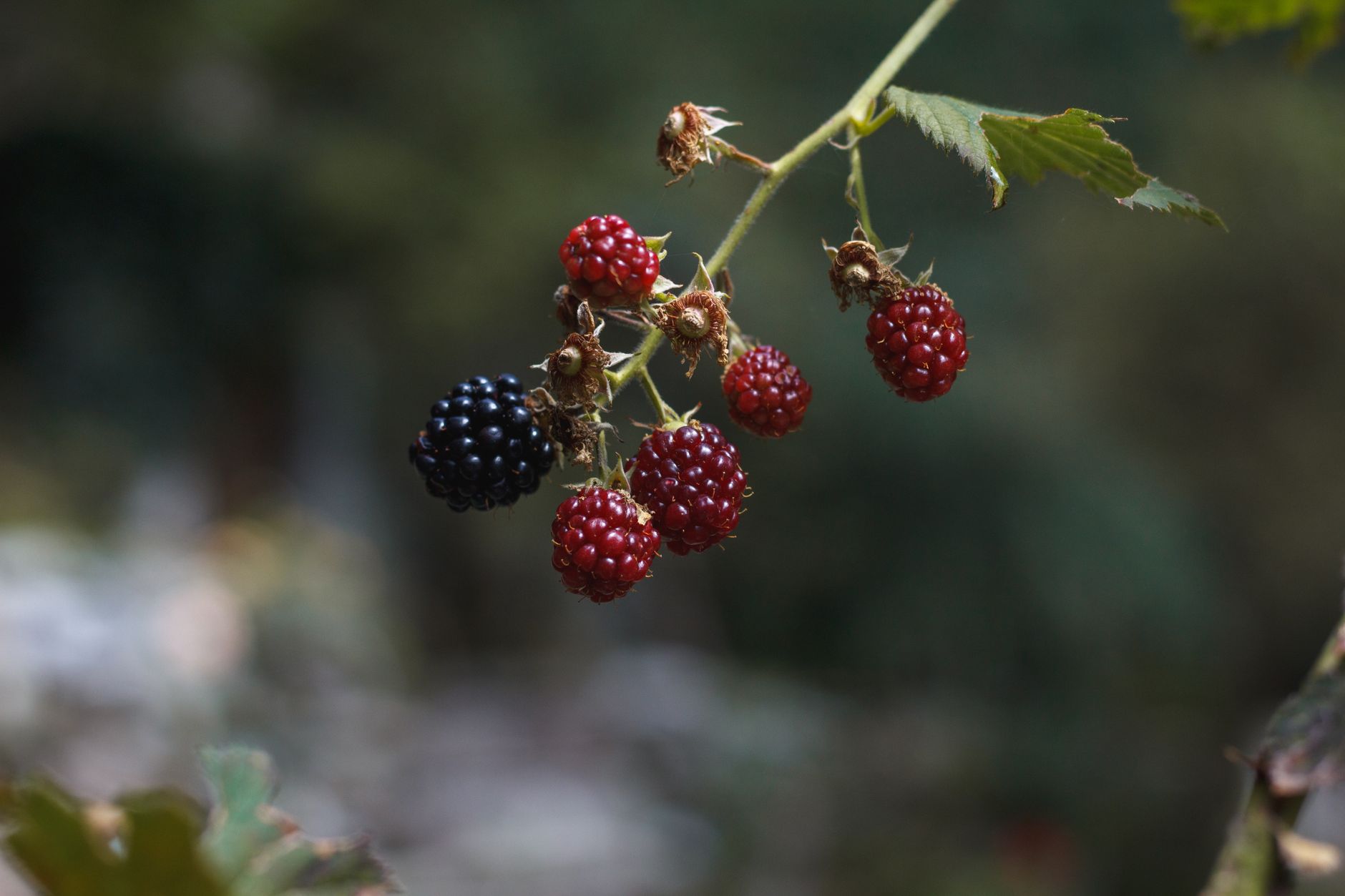
Compare blackberries and strawberries for your garden: climate needs, yield, effort, and which is better for your space and goals.
If you are trying to decide between blackberries and strawberries (fragole in Italian), the short answer is: blackberries give you more fruit per plant with less fuss, but strawberries ripen earlier and take up less space. Your choice depends on your climate, your patience, and how much room you have. Here is the real breakdown.
Climate and Hardiness
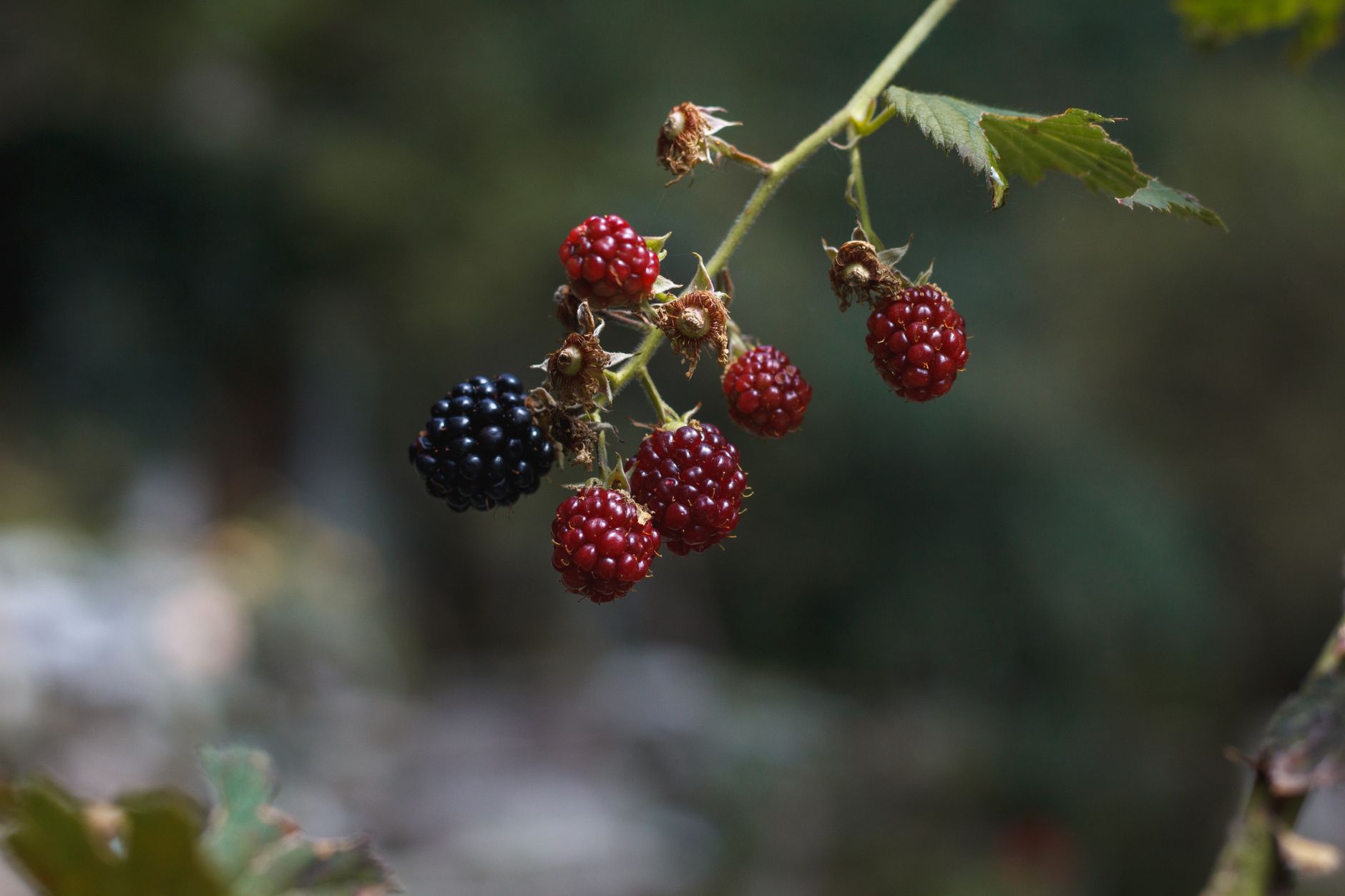
Blackberries are tough. Most varieties are hardy in USDA zones 5 through 9, and some, like ‘Chester’ or ‘Triple Crown’, can handle zone 4 with winter mulch. They need full sun and well-drained soil, but they tolerate heat and drought better than strawberries once established.
Strawberries are more finicky. They are hardy in zones 3 through 8, but they need consistent moisture and cool nights to set fruit well. In hot southern zones (8 and above), they often stop producing in summer heat unless you grow day-neutral types like ‘Albion’ or ‘Seascape’. If you are in zone
 9 or 10, treat strawberries as winter annuals, planting in fall for a spring crop.
Space and Yield
Blackberries are vigorous, thorny (or thornless) canes that spread 4 to 6 feet wide and grow 5 to 8 feet tall. Plant them 4 to 5 feet apart in rows 8 to 10 feet apart. A single mature plant can produce 10 to 20 pounds of berries per season, starting in year two and peaking in year three or four.
Strawberries are compact: 12 to 18 inches apart in rows 3 to 4 feet apart. A single plant yields about 1 to 2 pounds per season, but they spread by runners, so a 100-foot row can give you 50 to 100 pounds if you manage the bed well. However, strawberries are short-lived: most beds peak in year two and need replacement by year three or four.
Planting and First Year Care
For blackberries, plant bare-root canes in early spring (zones 5-7) or late winter (zones 8-9). Dig a hole 18 inches wide and deep, amend with compost, and set the crown 1 to 2 inches below soil level. Cut the canes back to 6 inches above the ground to force new growth. Install a trellis: a simple two-wire system with posts at each end works well. Expect no fruit in year one; you are building the root system.
For strawberries, plant bare-root crowns in early spring (zones 5-7) or fall (zones 8-10). Set the crown so the midpoint is at soil level, with roots fully buried and the top bud exposed. Space them 12 inches apart in a raised bed or matted row. Pinch off all flowers in the first year to direct energy into runners. This feels counterintuitive, but it gives you a stronger bed in year two.
Maintenance and Pest Control
Blackberries need annual pruning. In late winter, remove dead canes and thin the rest to 4 to 6 canes per plant. During the growing season, tip new canes at 4 feet to encourage branching. Water deeply once a week during dry spells, but avoid overhead watering to reduce fungal diseases. Common pests: spotted wing drosophila and Japanese beetles. Use traps or netting; do not spray broad-spectrum insecticides.
Strawberries need more attention. Keep the soil evenly moist, especially during flowering and fruiting. Mulch with straw to keep berries clean and suppress weeds. Fertilize with a balanced 10-10-10 in early spring and again after harvest. Watch for slugs, which can ruin a crop overnight. Set out beer traps or diatomaceous earth. Also, rotate beds every 3 years to prevent verticillium wilt.
Harvest and Storage
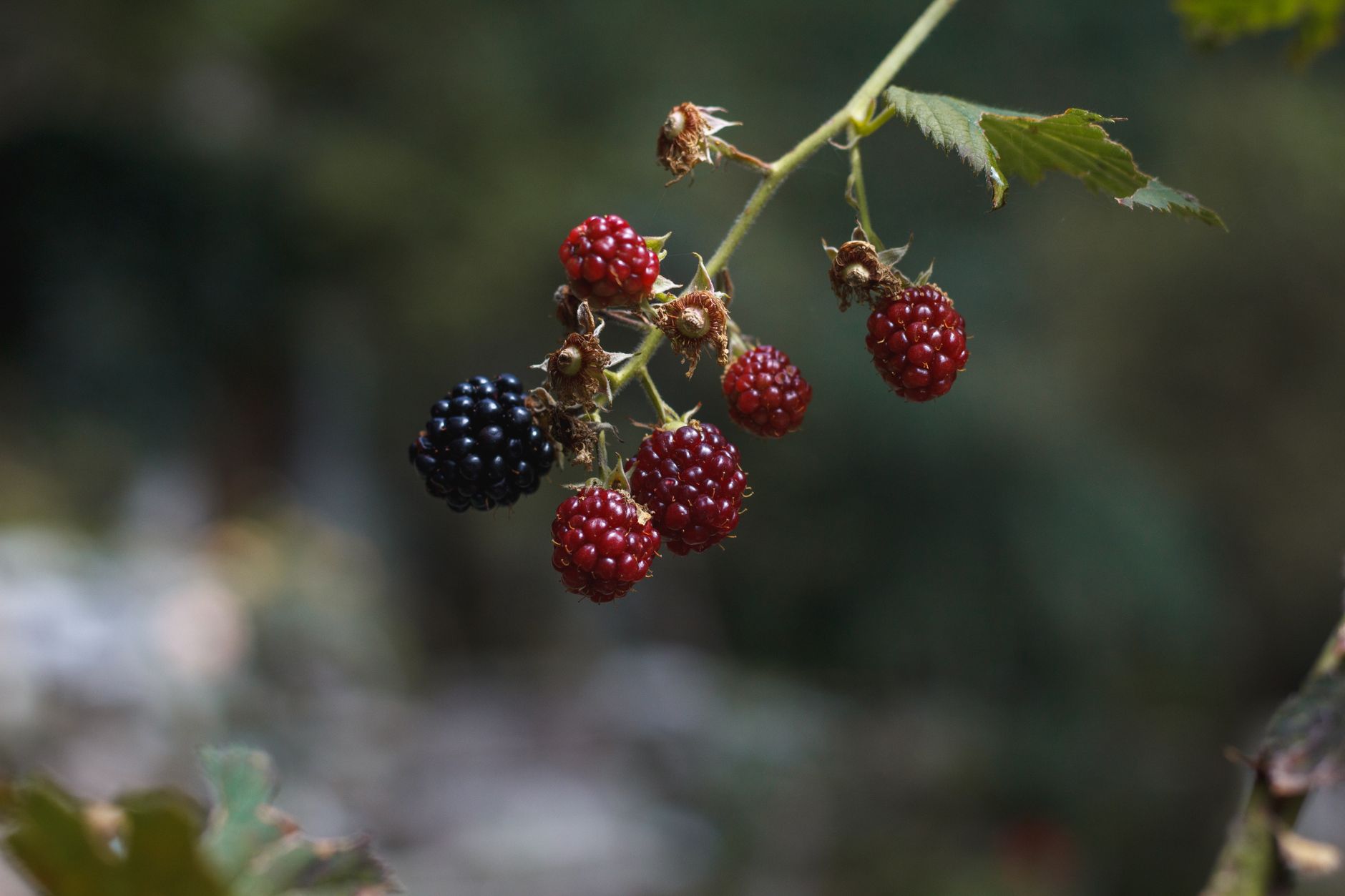
Blackberries ripen from mid-summer to early fall, depending on variety. Pick when they are fully black and come off the cane with a gentle tug. They do not ripen after picking, so wait until they are dull black, not shiny. Store in the fridge for 2 to 3 days, or freeze for up to 6 months. Yield: expect 1 to 2 quarts per plant per week during peak season.
Strawberries ripen in waves over 2 to 3 weeks in late spring (June-bearing) or continuously from June to frost (day-neutral). Pick when fully red, with no white tips. They bruise easily, so handle gently. Store in the fridge for 1 to 2 days; they do not freeze as well as blackberries unless you sugar them or make jam. Yield: about 1 quart per 10-foot row per picking day.
Cost and Effort
Blackberries are a bigger upfront investment. A bare-root plant costs $5 to $10, and you need 10 to 20 plants for a decent patch. Add $20 to $40 for a trellis kit or posts and wire. Total startup: $70 to $200. But the patch can last 10 to 15 years with minimal care.
Strawberries are cheaper to start: $0.50 to $1 per bare-root plant, and 25 plants cover a 25-foot row. Total startup: $15 to $30. But you will replace the bed every 3 to 4 years, so long-term cost is similar.
Which Is Better for You?
Choose blackberries if you have space, want a low-maintenance crop that yields heavily for a decade, and do not mind waiting a year for fruit. They are ideal for homesteaders who want to make jam or freeze in bulk.
Choose strawberries if you have limited space, want fruit in the first year (if you plant in fall in warm zones), or prefer a compact plant that fits in raised beds or containers. They are better for small gardens or beginners who want quick gratification.
FAQ
Can I grow both in the same garden? Yes, but keep them separate. Blackberries are perennial and can shade strawberries if planted too close. Put blackberries on a north or west edge and strawberries in full sun.
Do I need to prune blackberries? Yes, annual pruning is essential. If you skip it, canes get tangled, yields drop, and disease increases. It takes about 30 minutes per plant in late winter.
Why are my strawberries small? Usually too little water or too much heat. Mulch heavily, water deeply, and consider a day-neutral variety if you are in a hot zone.
Can I grow blackberries in containers? Yes, but choose a compact variety like ‘Baby Cakes’ and use a 15-gallon pot. You will get less yield, about 5 to 8 pounds per plant, but it works for patios.
The Bottom Line
Blackberries and strawberries are both rewarding, but they serve different needs. If you want maximum fruit with minimal fuss over the long term, plant blackberries. If you want quick harvests and small-space flexibility, go with strawberries. Or do what I did: plant both, and stagger your harvest from late spring to early fall. You will not regret it.