Blackberries vs blueberries
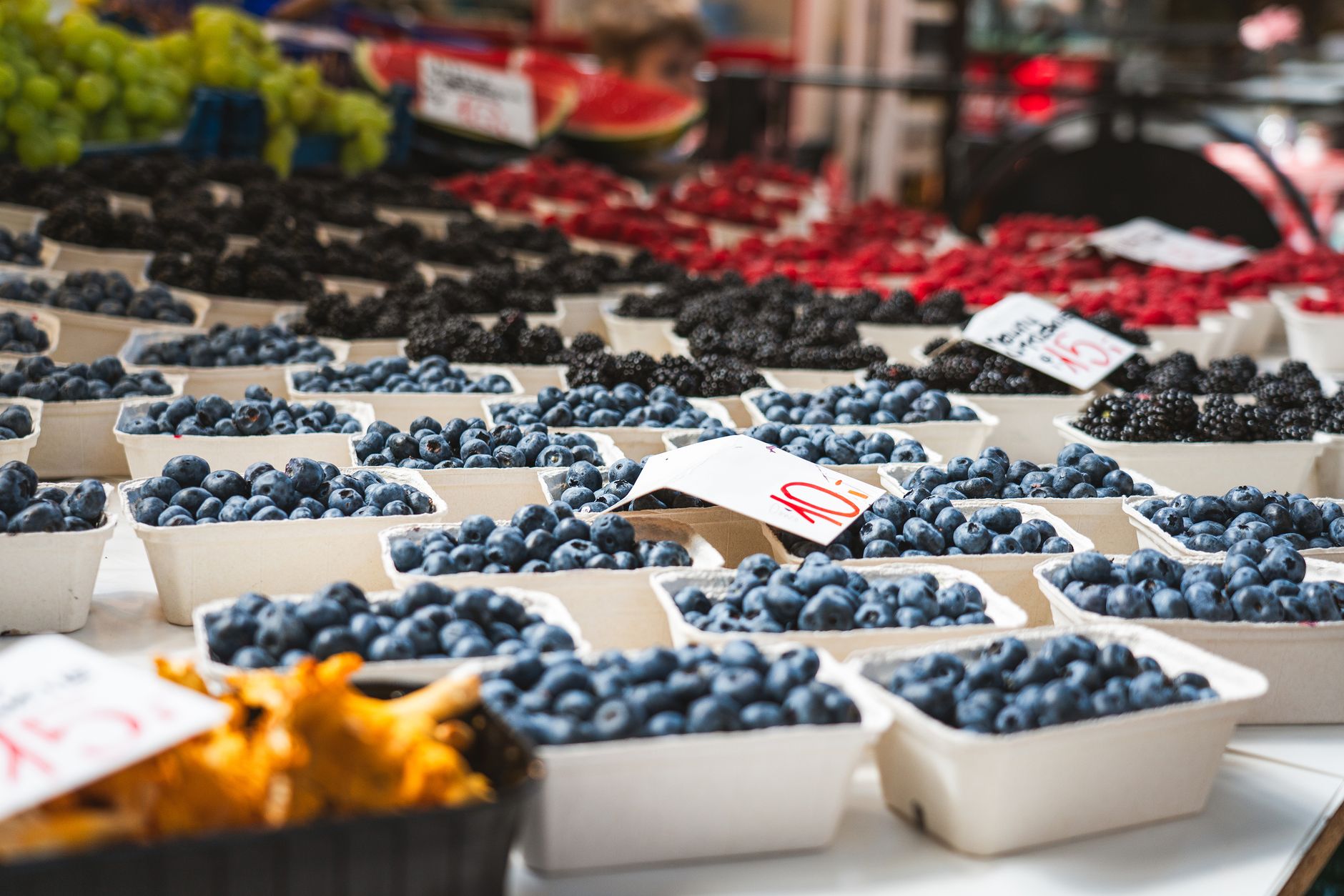
Compare blackberries and blueberries for your garden: climate needs, soil, yield, maintenance, and varieties. Choose the right berry for your zone.
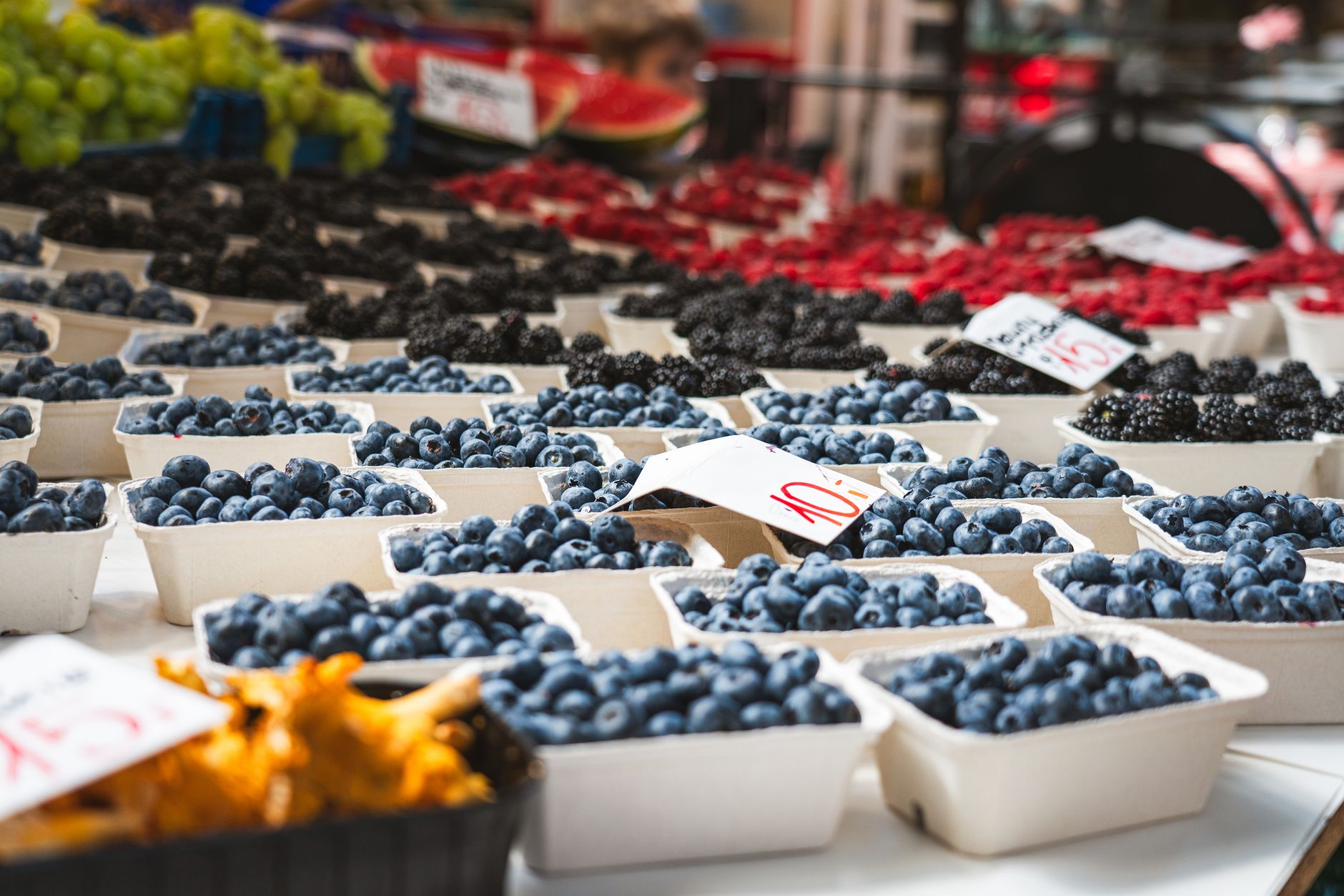
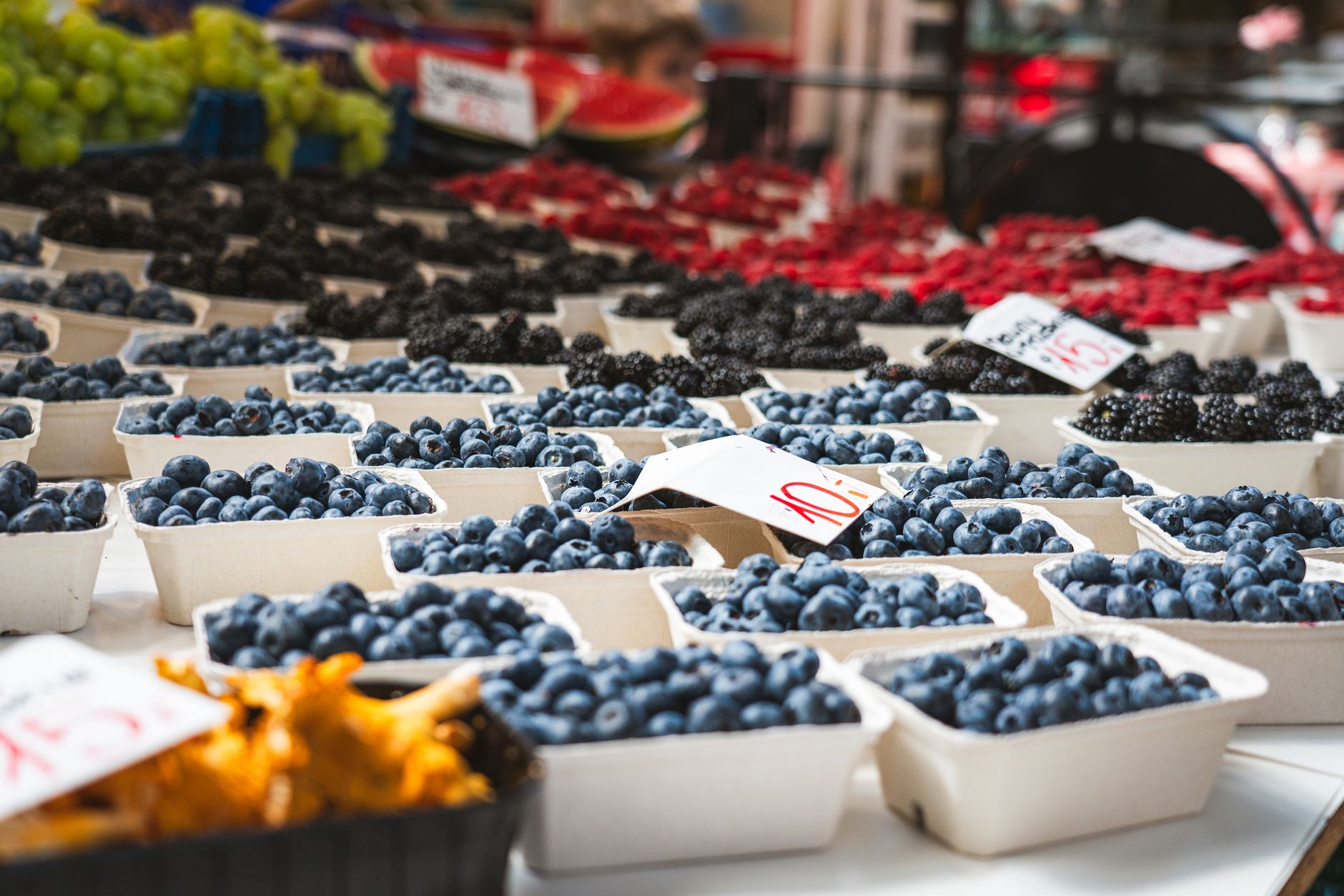
Blackberries and blueberries are both excellent choices for a home berry patch, but they have different needs and rewards. The short answer: blackberries are easier to grow in most soils and climates, but they are thorny and spread aggressively. Blueberries require acidic soil (pH 4.5 to 5.5) and more careful pruning, but they are compact, long-lived, and have fewer pest problems. Your choice depends on your soil, space, and willingness to prune.
Climate and Hardiness
Blackberries are more forgiving of heat and drought. They grow in USDA zones 5 to 10, though some varieties like ‘Natchez’ can handle zone 6 to 9. Blueberries need a winter chill to set fruit, so they do best in zones 3 to 7. If you live in zone 8 or warmer, choose low-chill blueberries like ‘Sharpblue’ or ‘Misty’ (both ne
 ed only 150 to 300 chill hours). In the North, plant ‘Bluecrop’ or ‘Jersey’ (zones 4 to 7).
Soil and Site Preparation
Blueberries are the picky ones. They need acidic soil, high organic matter, and good drainage. If your soil pH is above 6.0, you must amend with elemental sulfur or peat moss. A soil test is essential; do it in fall or early spring. For a 4x4 foot bed, mix in 1 to 2 cubic feet of peat moss and 1/2 cup of sulfur (for pH 6.5 to 5.0). Blackberries are less fussy: they tolerate pH 5.5 to 7.0 and grow in clay or sandy soil, as long as it drains. Add compost at planting, but they will produce even in mediocre ground.
Planting and Spacing
Plant both in early spring after the last frost. Space blackberries 3 to 4 feet apart in rows 6 to 8 feet apart. Blueberries: 4 to 5 feet apart in rows 6 to 8 feet apart. Set the crown at soil level for blackberries; blueberries should be planted 1 to 2 inches deeper than they were in the pot. Water thoroughly after planting. For blackberries, install a trellis or stake system right away; they will need support in year two.
Yield and Time to Harvest
Blackberries produce fruit on second-year canes (floricanes). You will get a small crop in year two, and a full crop by year three. A mature plant yields 5 to 10 pounds per season. Blueberries also take 2 to 3 years to produce a meaningful harvest, but a mature bush (5 to 7 years old) can give 8 to 15 pounds. In 2026, a bare-root blackberry plant costs $5 to $10; a 1-gallon potted blueberry is $12 to $20. You can expect to recoup your investment by year four.
Maintenance: Pruning and Fertilizing
Blackberries are low-maintenance but need annual pruning. After fruiting, cut the old canes to the ground. In early spring, thin the new canes to 4 to 6 per plant. Fertilize in early spring with a balanced 10-10-10 at 1/2 pound per plant. Blueberries need more attention: prune out dead or weak branches in late winter, and remove low growth. Fertilize with an acid-loving plant food (like Holly-tone) in early spring and again after harvest. Do not use aluminum sulfate; it can be toxic. Mulch blueberries with 2 to 3 inches of pine bark or wood chips to keep roots cool and moist.
Pest and Disease Issues
Blackberries are prone to cane borers and orange rust. Remove and destroy infected canes. Blueberries have fewer pests, but birds love them: use netting over the bushes as fruit ripens. Both can suffer from fungal diseases if air circulation is poor, so prune to keep the center open. In humid climates, choose disease-resistant blackberry varieties like ‘Ouachita’ or ‘Apache’.
Cost and Space Comparison
For a small garden, blueberries are more space-efficient: a single bush can produce 10 pounds in a 4x4 foot area. Blackberries need a trellis and more room to spread. If you have a fence or wall, blackberries can be trained to it. In 2026, a 4x8 foot raised bed can hold 4 blueberry bushes (yielding 40 to 60 pounds) or 4 blackberry plants (yielding 20 to 40 pounds). Blueberries are more expensive upfront but live 20 to 30 years; blackberries live 10 to 15 years.
Which Should You Choose?
If your soil is naturally acidic (pH below 6.0) and you want a long-lived, compact plant, choose blueberries. If you have neutral or alkaline soil, or you want a fast-growing, forgiving berry, go with blackberries. You can also grow both: plant blueberries in a raised bed with acidic soil, and blackberries along a fence. That way you get a longer harvest season: blackberries ripen in June to July, blueberries in July to August.
FAQ
Can I grow blueberries in a pot? Yes. Use a 15 to 20 gallon container with acidic potting mix (a blend of peat moss, pine bark, and perlite). Choose a compact variety like ‘Top Hat’ or ‘Sunshine Blue’. Water regularly and fertilize with acid fertilizer. Expect 3 to 5 pounds per plant.
Do blackberries need full sun? They produce best in full sun (6+ hours), but they will tolerate partial shade with reduced yield. Blueberries also prefer full sun but can handle light afternoon shade in hot climates.
How do I know if my soil is acidic enough for blueberries? Use a home pH test kit (about $10) or send a sample to your local extension office. If pH is above 6.0, amend with sulfur or use raised beds with acidic soil.
Are thornless blackberries worth the extra cost? Yes, if you have kids or dislike scratches. Thornless varieties like ‘Natchez’ or ‘Triple Crown’ are just as productive as thorny types, but they cost $2 to $3 more per plant. They still need trellising.
The Bottom Line
Both berries are rewarding, but they suit different situations. Blackberries are the go-to for tough soils and low maintenance; blueberries are for patient gardeners who can provide acidic soil. Start with a soil test, pick varieties for your zone, and prepare your site properly. In two to three years, you will be picking fruit. For most home gardeners, I recommend starting with one of each: a couple of blackberry plants for early fruit and a few blueberry bushes for a longer harvest. That way you learn both, and you get berries from June through August.