Blackberries vs blueberries taste
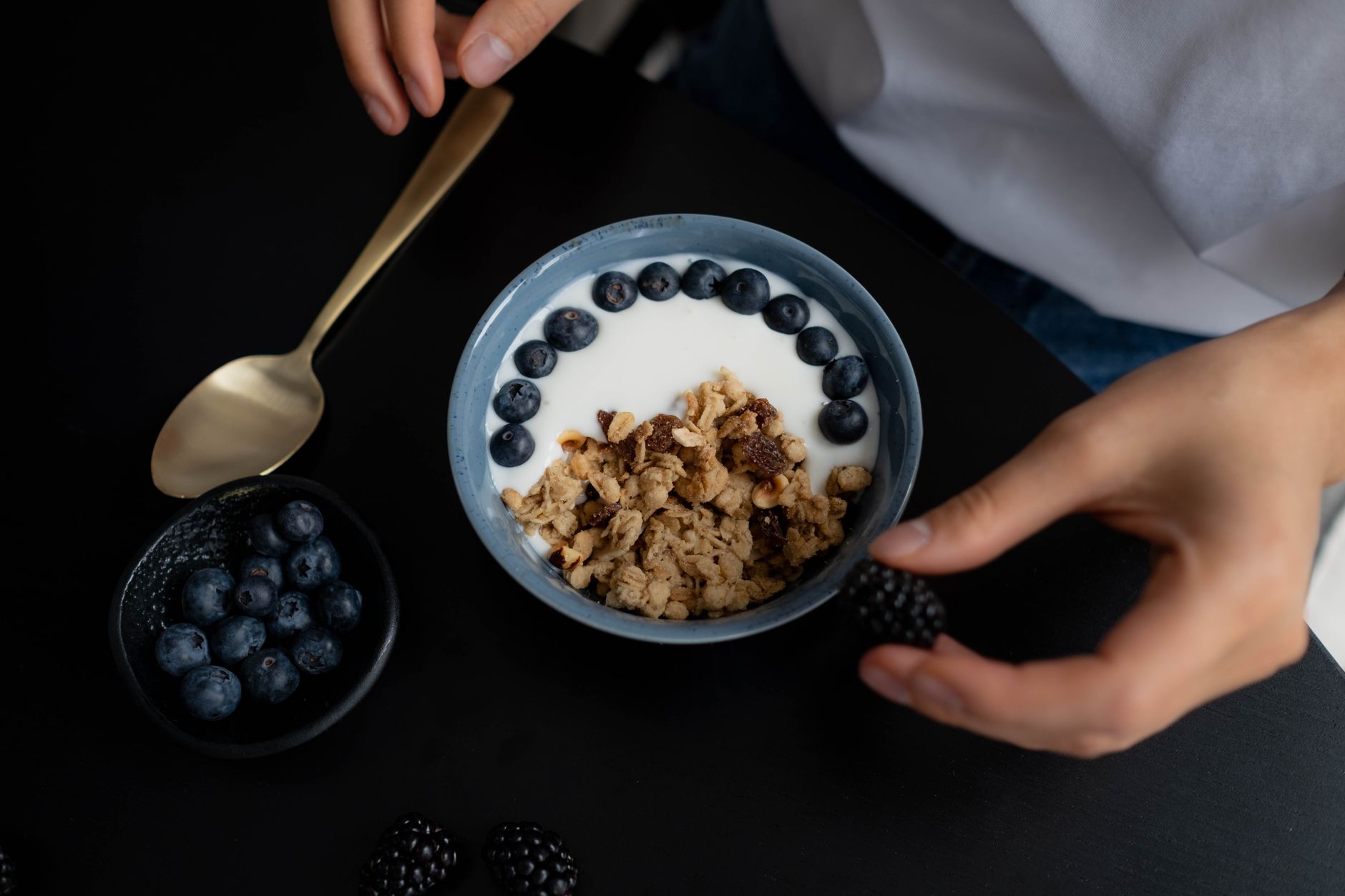
Compare blackberries and blueberries by taste, sweetness, tartness, and texture. Learn which berry suits your garden and palate with real variety examples.
If you are deciding between blackberries and blueberries based on taste, here is the short answer: blackberries are richer, more tart, and intensely sweet when fully ripe, with a deep, jammy flavor. Blueberries are milder, with a softer sweetness and a gentle tang, often described as floral or honeyed. Your choice depends on whether you want a bold, complex berry or a subtle, snackable one. Both have distinct textures: blackberries are juicy and slightly seedy, while blueberries are firm and pop in your mouth. Let us break down the flavor profiles, varieties, and how to grow the one that fits your palate.
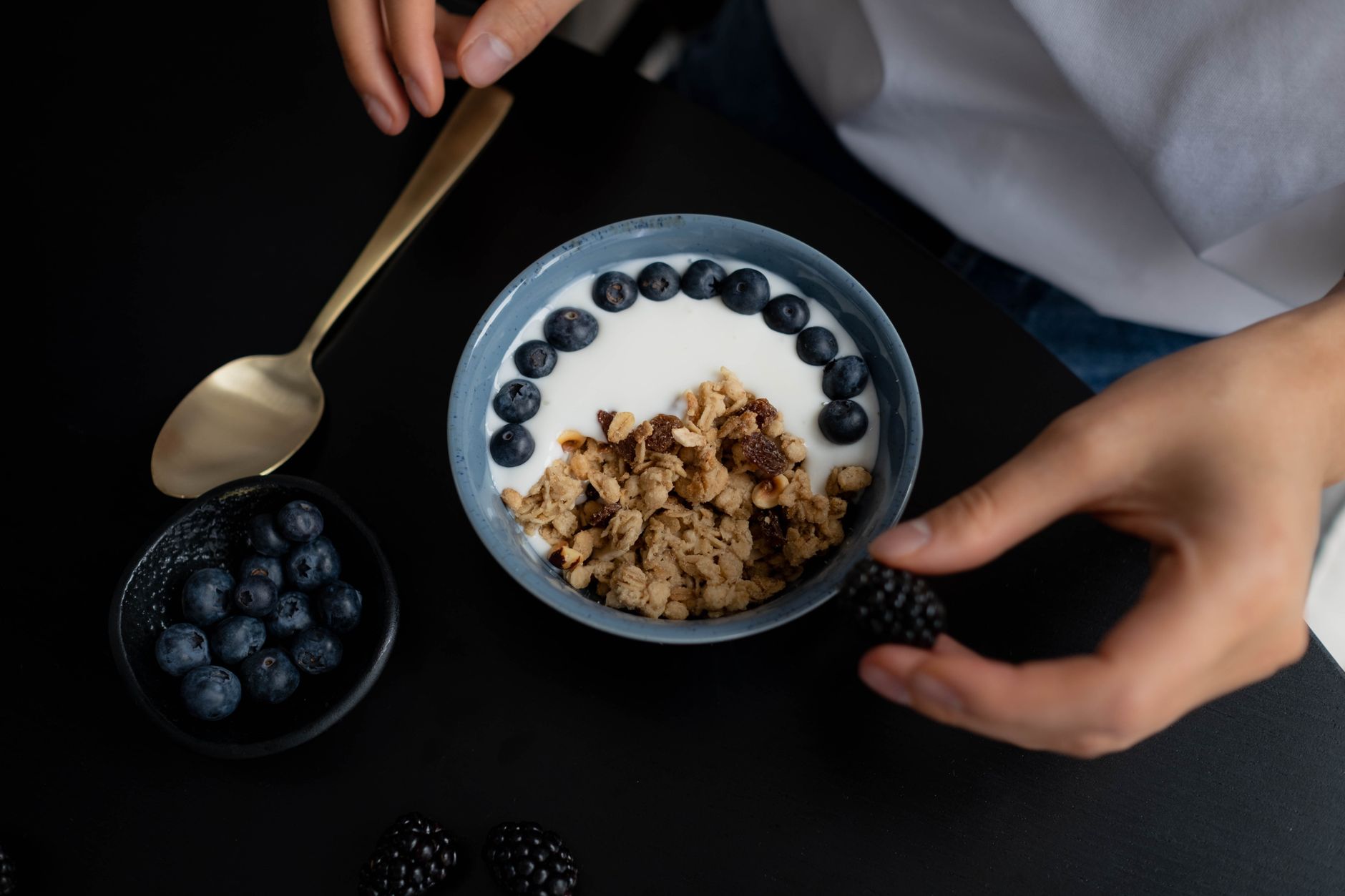
Flavor profile: blackberries
Blackberries deliver a bold, sweet-tart punch. When ripe, they are high in sugar but retain a noticeable acidity, which gives them that classic “berry” zing. The flavor is often compared to dark fruit like plum or black currant, with earthy undertones. Some varieties are sweeter than others, but none are truly bland. The seeds add a slight crunch, and the juice stains deeply.
For the sweetest blackberries, look for varieties like ‘Natchez’ (very sweet, low acid) or ‘Ouachita’ (sweet and firm). ‘Triple Crown’ is a thornless variety with a rich, sweet flavor and a hint of wine. If you prefer a classic tart blackberry, ‘Chester’ or ‘Illini Hardy’ are reliable. In 2026, expe
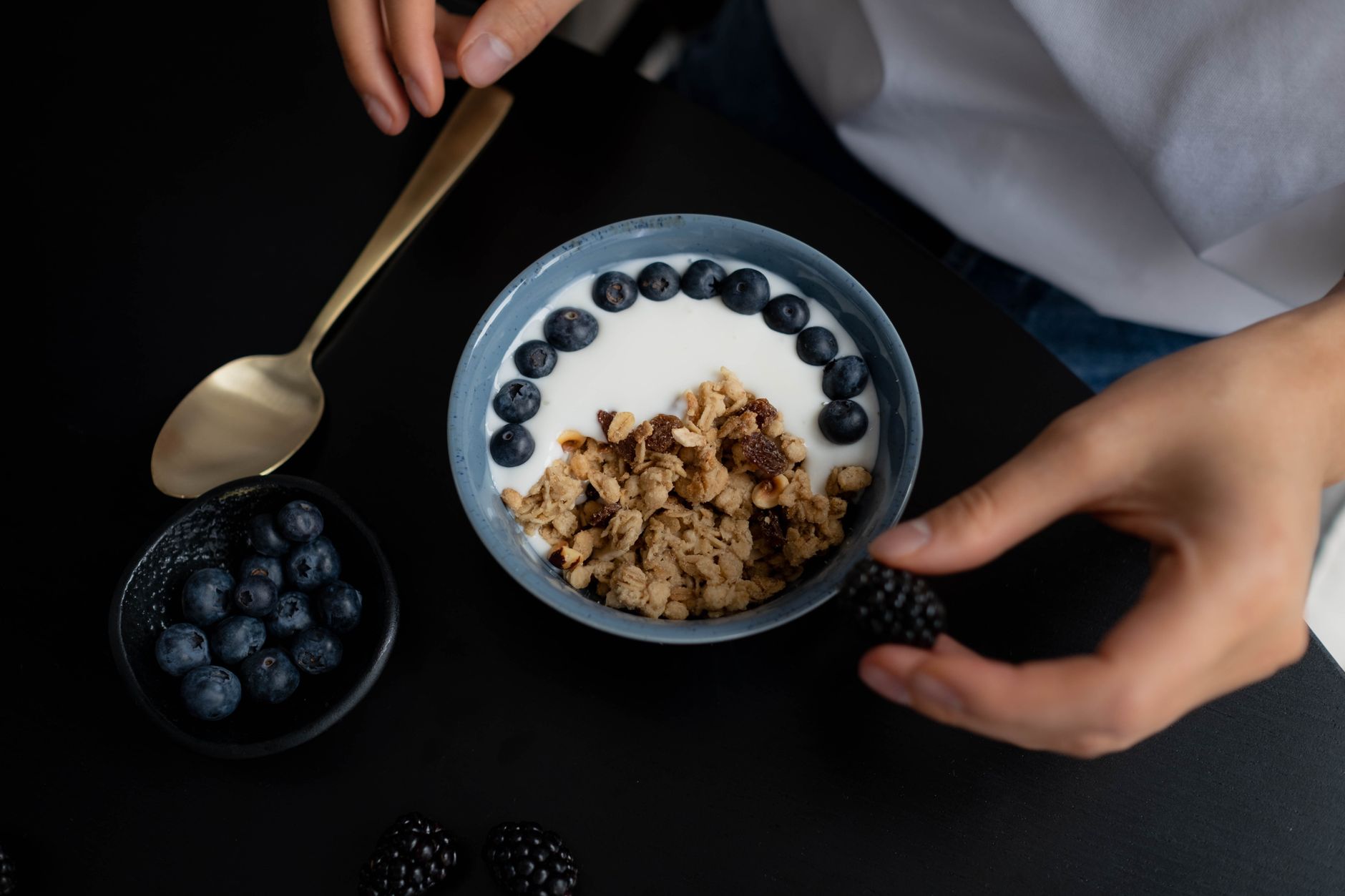 ct to pay $8 to $12 per pound at farmers markets, or $4 to $6 for a 1-pint clamshell in grocery stores.
Flavor profile: blueberries
Blueberries are subtler. Their sweetness is mellow, with a gentle acidity that varies by variety. Highbush blueberries (the common garden type) are often mild and sweet, while lowbush (wild) blueberries are more intense and tart. The flavor is sometimes described as floral, with hints of grape or honey. The skin is slightly tart, and the flesh is soft and juicy.
For the best flavor, try ‘Jersey’ (classic sweet, good for pies), ‘Bluecrop’ (balanced sweet-tart, very reliable), or ‘Legacy’ (sweet with a hint of spice). ‘Pink Lemonade’ is a unique pink-fleshed variety with a sweet, citrusy taste, but it is less productive. Blueberries cost $3 to $6 per pint in season, or $6 to $10 per pound at farmers markets.
Texture and uses
Blackberries are juicier and more fragile. They collapse when cooked, making them ideal for jams, syrups, and sauces. Their seeds are noticeable, which some people love and others dislike. Blueberries hold their shape better, so they are perfect for muffins, pancakes, and fresh snacking. They also freeze well without turning mushy.
If you bake, blueberries are forgiving. If you want a bold sauce for meat or a deep jam, blackberries win. For fresh eating, both are excellent, but blackberries require immediate consumption (they last 2 to 3 days in the fridge), while blueberries keep for up to two weeks.
Growing considerations for taste
Taste is not just about variety; it is about how you grow the berry. Blackberries need full sun (at least 6 hours) and well-drained soil. They are vigorous and can be invasive if not pruned. Blueberries require acidic soil (pH 4.5 to 5.5) and consistent moisture. If your soil is alkaline, you will need to amend with sulfur or grow in containers with ericaceous compost.
For blackberries, plant in early spring (zone 5 to 9) or late fall. Space trailing varieties 4 to 6 feet apart, erect types 3 to 4 feet. For blueberries, plant in early spring (zone 3 to 7) or fall. Space highbush varieties 4 to 5 feet apart. Both need 1 to 2 inches of water per week.
Taste comparison table
| Berry | Sweetness | Tartness | Texture | Best use |
|---|---|---|---|---|
| Blackberry | High (when ripe) | Medium to high | Juicy, seedy | Jams, sauces, fresh |
| Blueberry | Medium | Low to medium | Firm, pop | Baking, fresh, freezing |
Which is sweeter?
Fully ripe blackberries are often sweeter than blueberries because they have a higher sugar content. However, underripe blackberries are very tart, so timing matters. Blueberries are consistently sweet even when slightly underripe, which makes them more forgiving for snacking. If you have a sweet tooth, choose a low-acid blackberry like ‘Natchez’. If you prefer a mild, refreshing sweetness, go with ‘Bluecrop’ blueberries.
Which is more productive?
Blackberries are more productive per plant. A single mature blackberry bush can yield 10 to 20 pounds per season, while a blueberry bush yields 5 to 10 pounds. If you have limited space and want maximum fruit, blackberries are the better choice. However, blackberries are thorny (unless you choose thornless varieties) and require more pruning.
FAQ
Q: Can I grow both blackberries and blueberries together? A: Yes, but they have different soil needs. Blackberries tolerate a wider pH range (5.5 to 7.0), while blueberries need acidic soil. Plant them in separate beds or use containers for blueberries.
Q: Which berry is better for freezing? A: Blueberries freeze better. They retain their shape and texture. Blackberries become mushy when thawed, so use them in cooked dishes after freezing.
Q: Are there any varieties that taste like the other? A: Not really. Some blackberries have a milder flavor, and some blueberries are more tart, but they are distinct. If you want a middle ground, try ‘Pink Lemonade’ blueberry, which is sweeter and less acidic than typical blueberries.
Q: How do I know when blackberries are ripe for the best taste? A: A ripe blackberry is deep black, plump, and comes off the stem easily. It should be slightly soft but not mushy. Taste one: if it is tart, wait 2 to 3 days.
The bottom line
Choose blackberries if you want a bold, sweet-tart flavor with high yields and you do not mind the seeds or thorns. Choose blueberries if you prefer a mild, sweet berry that is easy to snack on and stores well. Both are worth growing, but your taste buds and your garden conditions will decide. Start with one plant of each if you have room, and you will know by the first harvest which one you reach for more.
For 2026, plant in spring after the last frost. Expect to pay $10 to $15 for a bare-root blackberry plant and $15 to $25 for a potted blueberry bush. With proper care, you will get fruit in the second year for blackberries and the third year for blueberries. Taste the difference yourself, and you will never look back.