Blackberries vs blueberries health benefits
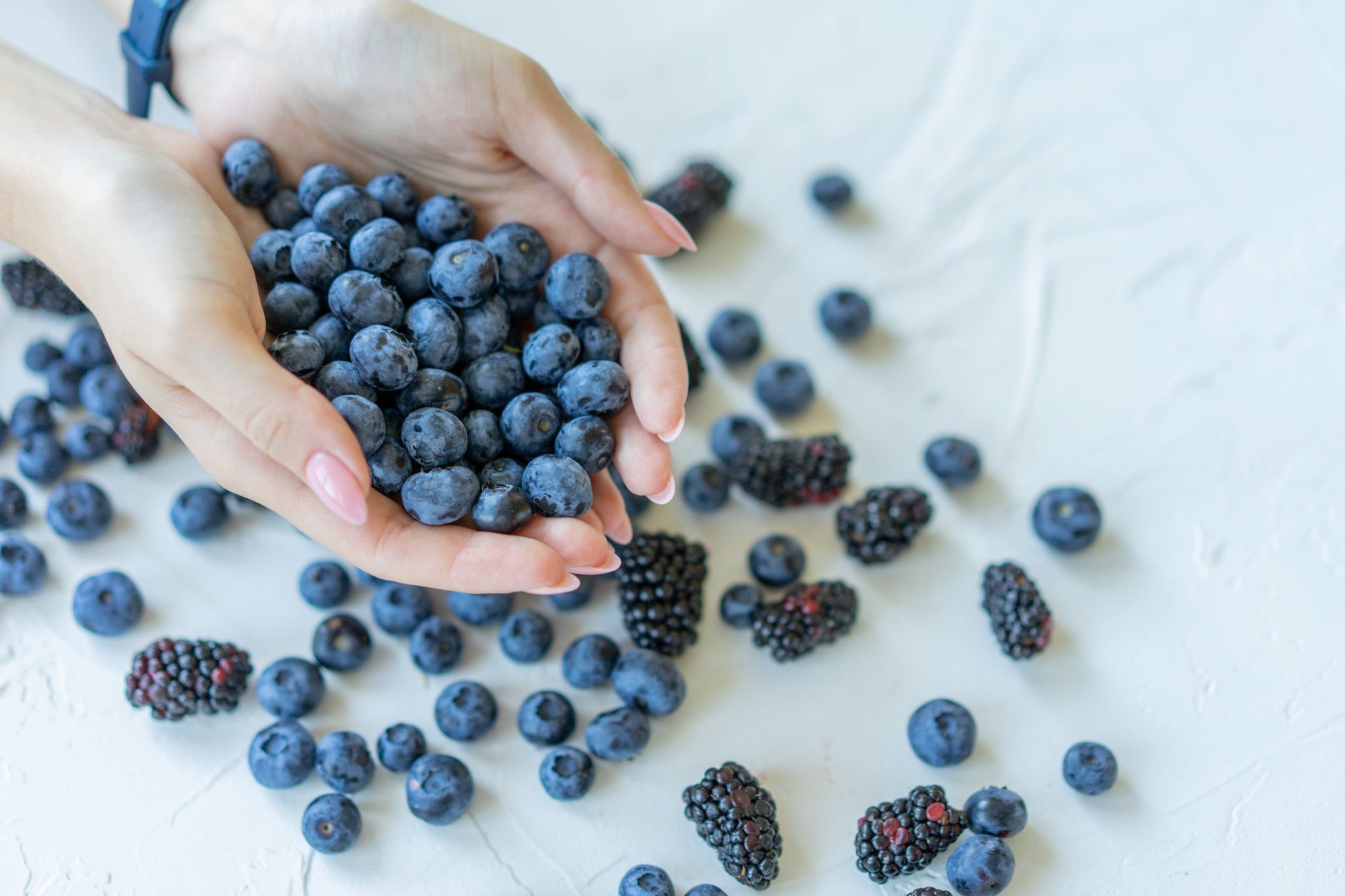
Compare blackberries vs blueberries for health benefits, nutrition, and growing tips. Learn which berry suits your garden and diet in 2026.
Both blackberries and blueberries are nutritional powerhouses, but they differ in specific vitamins, antioxidants, and fiber content. If you’re choosing which to grow, consider your health goals and climate: blueberries thrive in acidic soil (pH 4.5-5.5) and colder zones, while blackberries are more forgiving and productive in warmer regions. Here’s the honest breakdown of their health benefits and how to grow them successfully.
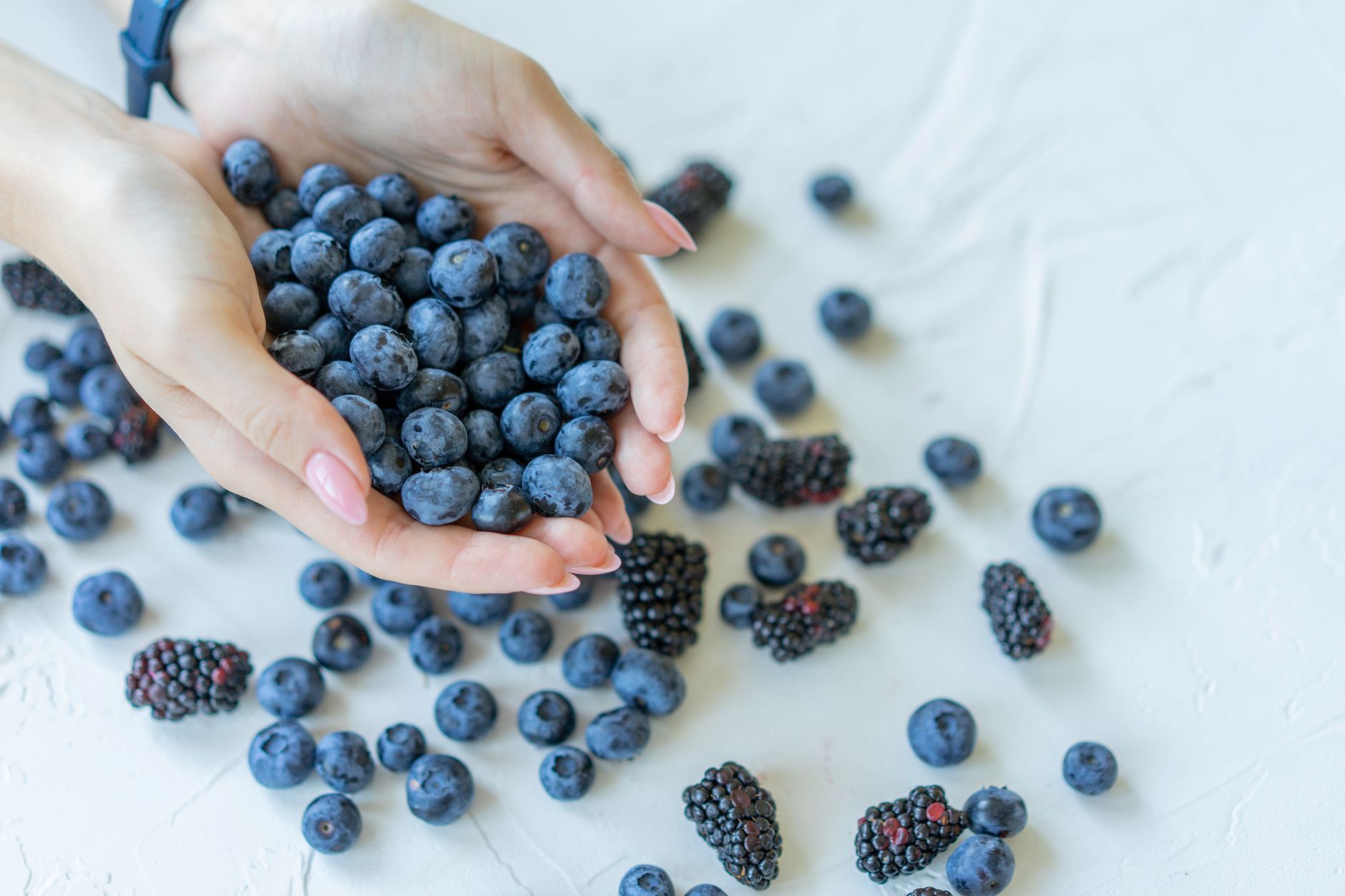
Nutritional comparison: blackberries vs blueberries
Per 100 grams (about 3.5 ounces), here’s how they stack up:
| Nutrient | Blackberries | Blueberries |
|---|---|---|
| Calories | 43 | 57 |
| Fiber (g) | 5.3 | 2.4 |
| Vitamin C (mg) | 21 | 9.7 |
| Vitamin K (mcg) | 19.8 | 19.3 |
| Manganese (mg) | 0.6 | 0.3 |
| Anthocyanins (mg) | 100-400 | 150-300 |
| Sugar (g) | 4.9 | 10 |
Blackberries win on fiber and vitamin C, while blueberries have slightly more anthocyanins (the antioxidant that gives them their blue color) and l
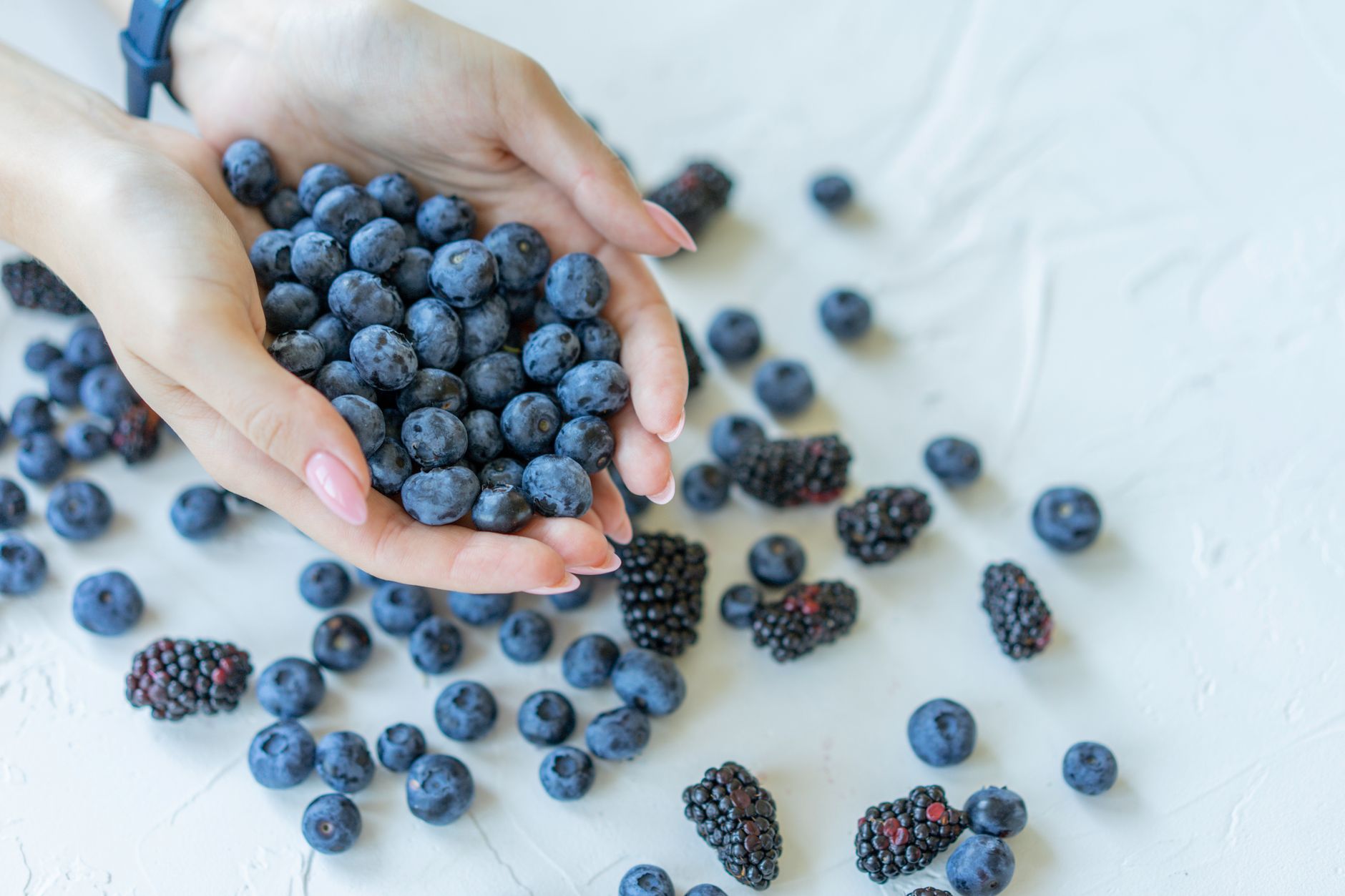 ess sugar. Both are low glycemic, but blackberries are lower in sugar, making them a better choice for blood sugar control.
Health benefits: what the science says
Blackberries: fiber and vitamin K
Blackberries are one of the highest-fiber berries, with 5.3 grams per 100 grams. Fiber supports gut health and helps lower cholesterol. They also provide 21 mg of vitamin C per 100 grams, about 23% of the daily value, which boosts immune function and collagen production. Vitamin K is essential for bone health and blood clotting. The dark color comes from anthocyanins, which have anti-inflammatory effects and may reduce the risk of heart disease.
Blueberries: antioxidants and brain health
Blueberries are famous for their high antioxidant capacity, particularly anthocyanins like malvidin and delphinidin. Studies suggest these compounds may improve memory and slow age-related cognitive decline. A 2023 review in the Journal of Nutrition found that daily blueberry consumption (about 1 cup) improved executive function in older adults. Blueberries also contain pterostilbene, a compound that may help regulate blood sugar and cholesterol. However, they have less fiber and more sugar than blackberries, so portion control matters if you’re watching carbs.
Growing considerations: which is easier?
Blackberries: hardy and productive
Blackberries are vigorous and tolerate a wider range of soils, though they prefer well-drained loam with pH 5.5-7.0. They grow in USDA zones 5-10, depending on variety. Thornless types like ‘Navajo’ or ‘Triple Crown’ are easier to harvest. Plant in early spring, spacing 3-5 feet apart in rows 6-8 feet apart. Expect 5-10 pounds per plant in full sun. They fruit on second-year canes (floricanes), so prune old canes after harvest. Blackberries are more drought-tolerant than blueberries once established.
Blueberries: picky but rewarding
Blueberries require acidic soil (pH 4.5-5.5) and consistent moisture. If your soil isn’t acidic, you’ll need to amend with sulfur or grow in containers with ericaceous compost. Varieties like ‘Bluecrop’ (hardy to zone 4) or ‘Legacy’ (zone 5-8) produce 8-15 pounds per bush. They need cross-pollination for better yields, so plant at least two varieties. Blueberries have shallow roots, so mulch with pine bark and water regularly. They take 3-4 years to reach full production, so patience is key.
Cost and yield comparison (2026 prices)
| Berry | Plant cost (2026) | Yield per plant | Price per pound (fresh) |
|---|---|---|---|
| Blackberry | $10-$15 (bare root) | 5-10 lbs | $3-$5 |
| Blueberry | $15-$25 (container) | 8-15 lbs | $4-$7 |
Blackberries are cheaper to start and produce fruit faster (often in the second year), while blueberries cost more upfront and take longer, but they live longer (30+ years vs. 10-15 for blackberries).
Which should you grow?
If you have limited space and want quick yields, choose blackberries. They’re more forgiving and give you more fiber per bite. If you have acidic soil or are willing to amend, blueberries offer higher yields and unique brain health benefits. For a balanced harvest, grow both: they ripen at different times (blackberries in early summer, blueberries in mid-summer), extending your berry season.
Practical steps for this week
- Test your soil: Use a home pH test kit ($10-$20) to check pH. Blueberries need 4.5-5.5; blackberries prefer 5.5-7.0.
- Choose varieties: For blackberries, try ‘Natchez’ (thornless, early) or ‘Ouachita’ (thornless, mid-season). For blueberries, ‘Duke’ (early) and ‘Jersey’ (late) are reliable.
- Prepare the site: Clear weeds and amend with compost. For blueberries, add elemental sulfur (1-2 lbs per 100 sq ft) to lower pH if needed.
- Plant: In zones 5-7, plant in early spring after last frost. In zones 8-10, you can plant in fall. Space as noted above.
- Mulch: Apply 2-3 inches of wood chips or pine bark to retain moisture and suppress weeds.
FAQ
Are blackberries or blueberries better for diabetics?
Blackberries are lower in sugar (4.9g per 100g) and higher in fiber, which slows sugar absorption. Blueberries have more sugar (10g) but still have a low glycemic index. Both are good, but blackberries are the better choice for strict blood sugar control.
Can I grow both in the same garden?
Yes, but keep them separate because blueberries need acidic soil. If your soil is neutral, grow blueberries in containers with ericaceous compost, and plant blackberries in the ground.
How many plants do I need for a family of four?
For fresh eating and some freezing, plant 3-4 blackberry plants and 2-3 blueberry bushes. That gives you about 30-40 pounds of berries per year, enough for a family.
Do frozen berries retain their health benefits?
Yes, frozen berries retain most nutrients, including anthocyanins and vitamin C. Freeze them within 24 hours of harvest for best quality.
The bottom line
Both berries are excellent additions to your diet and garden. Blackberries offer more fiber and vitamin C with less sugar, while blueberries provide unique brain-boosting antioxidants. Choose based on your soil and patience: blackberries for quick, easy harvests; blueberries for long-term, high-yield investment. If you can, grow both and enjoy the health benefits all summer long.