Blackberries vs blueberries benefits
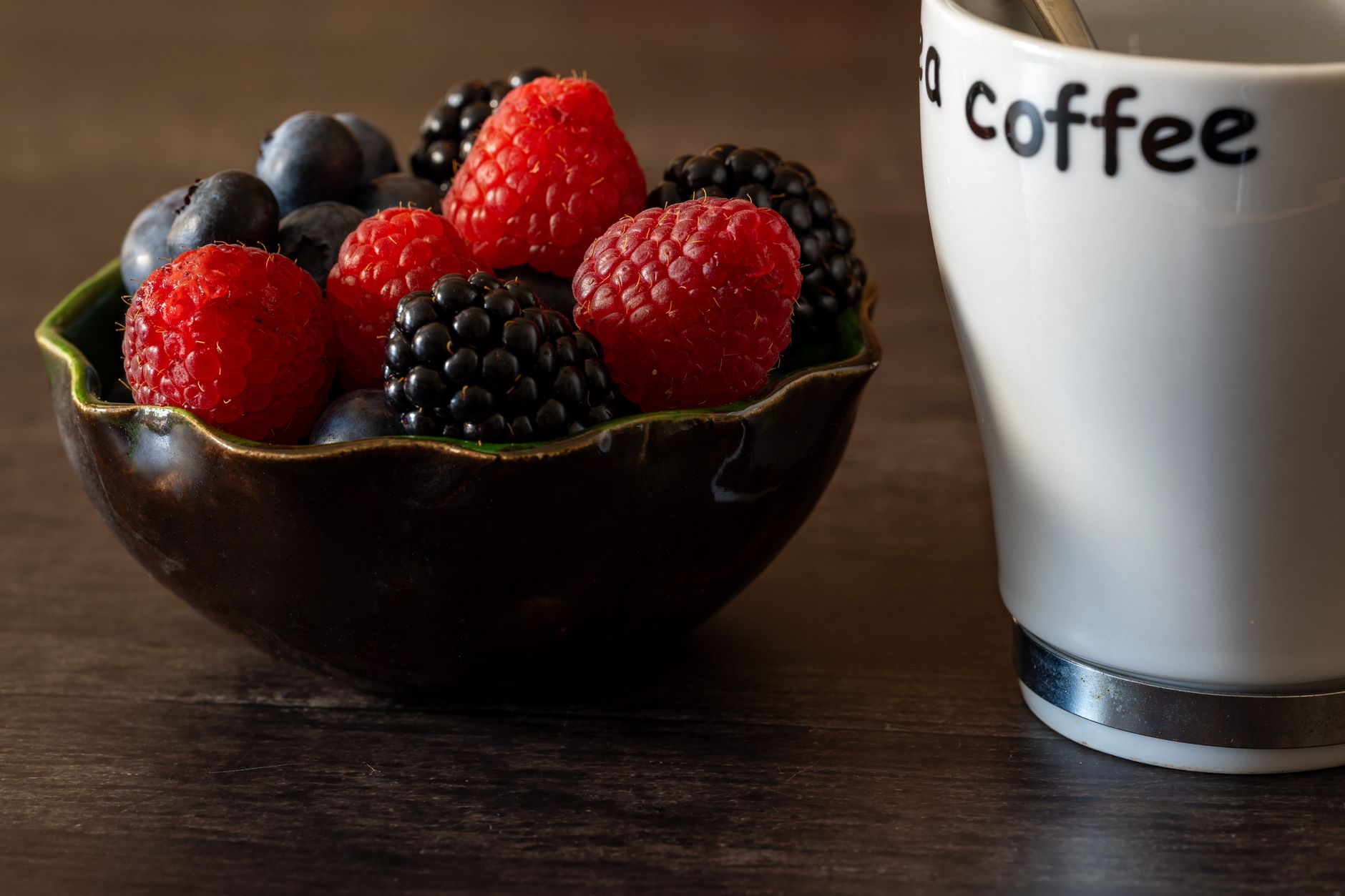
Compare blackberries and blueberries for nutrition, yield, and ease of growing. Get real costs, varieties, and planting tips for your zone.
If you are choosing between blackberries and blueberries, the answer depends on your soil, space, and patience. Blackberries are easier to grow in most soils and produce fruit the second year, while blueberries need acidic soil (pH 4.5 to 5.5) and take three to four years to yield a full crop. Both are packed with antioxidants, but blackberries give you more fruit per plant and are more forgiving for beginners.
Nutrition: Which Berry Is Healthier?
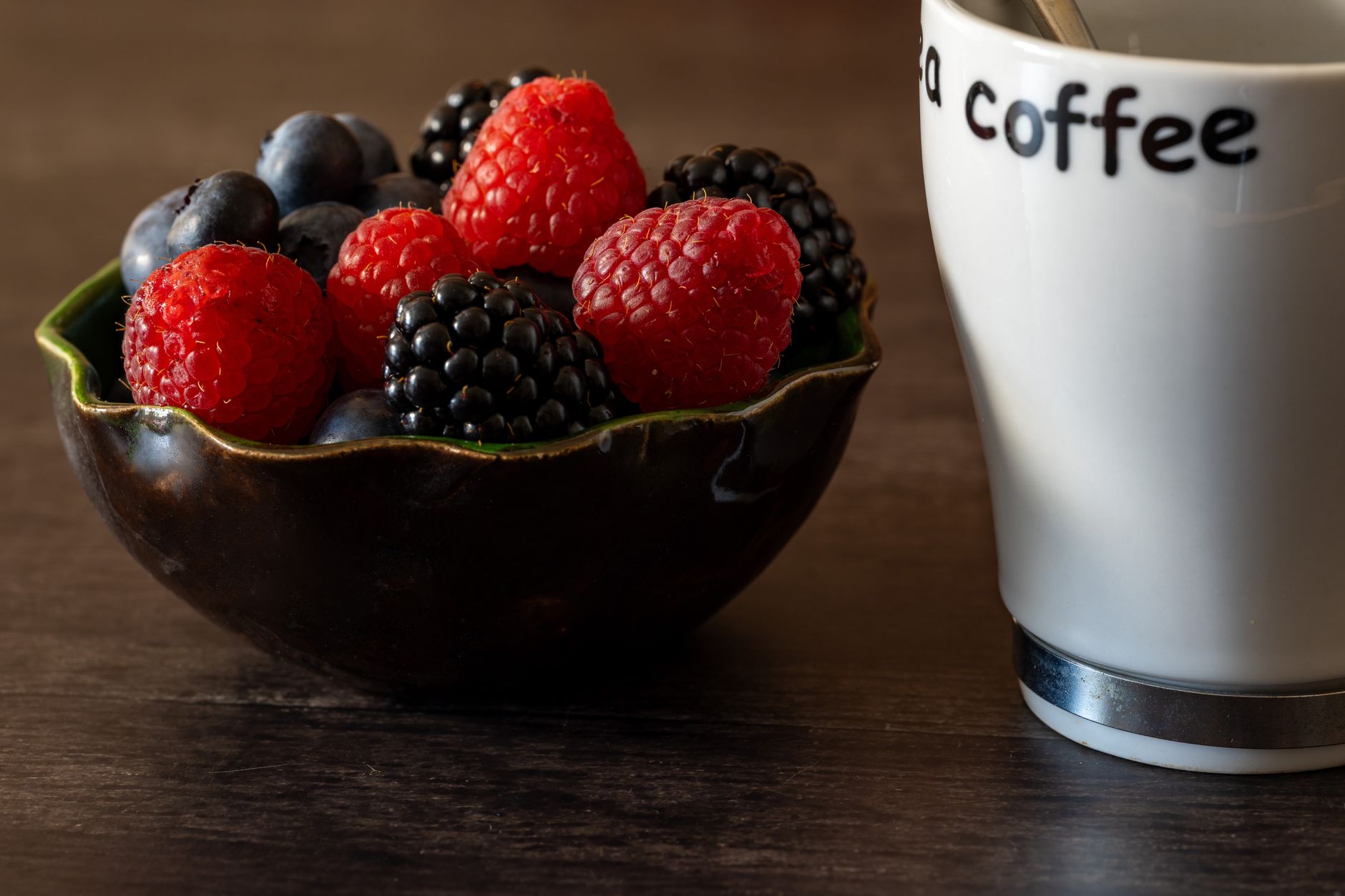
Both berries are nutritional powerhouses, but they differ slightly. A 1-cup serving of raw blackberries has about 62 calories, 7.6 grams of fiber, and 30.2 mg of vitamin C. The same serving of blueberries has 84 calories, 3.6 grams of fiber, and 14.4 mg of vitamin C. Blackberries win on fiber and vitamin C, while blueberries have more vitamin K and manganese. For antioxidants, both are high, but blackberries have slightly more anthocyanins, the compounds that give berries their deep color.
If you are growing for health,
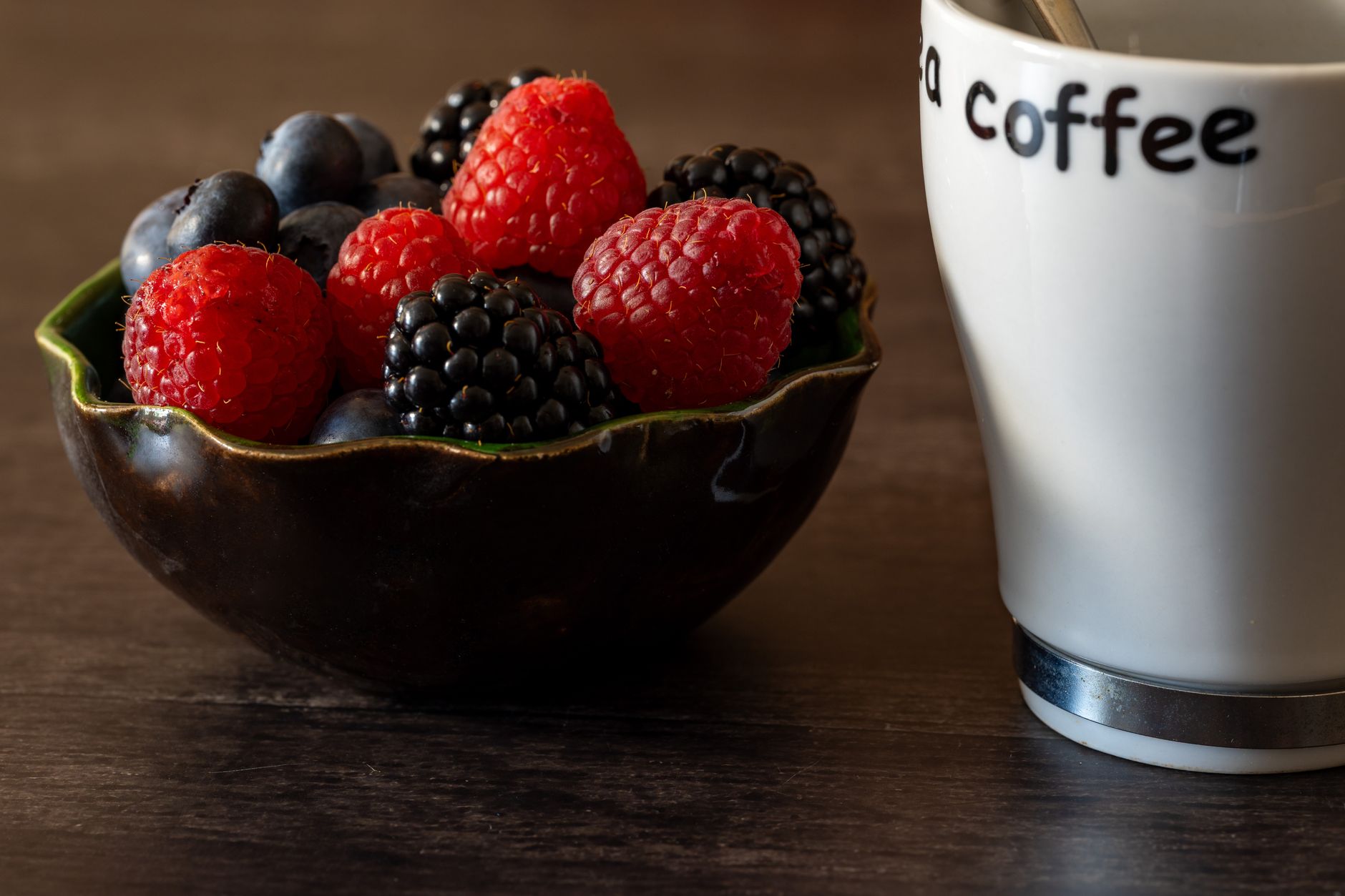 you cannot go wrong with either. But if you want more fiber per calorie, blackberries are the better choice.
Growing Requirements: What Each Berry Needs
Blackberries
Blackberries are vigorous, thorny (or thornless) canes that tolerate a wide range of soils, as long as drainage is good. They prefer a pH of 5.5 to 7.0, which is easier for most gardeners to achieve without heavy amendment. Plant them in full sun, spacing trailing varieties 4 to 6 feet apart and erect varieties 3 to 4 feet apart. They need a trellis or support for trailing types. Expect fruit in the second year after planting, with full production by year three.
Blueberries
Blueberries are more demanding. They require acidic soil (pH 4.5 to 5.5), high organic matter, and consistent moisture. If your soil is not acidic, you will need to amend with sulfur or peat moss, and you may need to reapply annually. Plant them in full sun, spacing highbush varieties 4 to 5 feet apart. They take three to four years to produce a significant crop, and they need cross-pollination with another variety for better yields.
Yield and Harvest: What to Expect
Blackberries are heavy producers. A single mature plant can yield 5 to 10 pounds of berries per season, depending on variety and care. Blueberries yield 4 to 8 pounds per mature bush after five years. In terms of harvest window, blackberries ripen over several weeks in summer, while blueberries ripen over a longer period, often from early to late summer, depending on variety.
Here is a quick comparison table:
| Factor | Blackberries | Blueberries |
|---|---|---|
| Time to first fruit | 2 years | 3-4 years |
| Yield per plant (mature) | 5-10 lbs | 4-8 lbs |
| Soil pH | 5.5-7.0 | 4.5-5.5 |
| Sun requirement | Full sun | Full sun |
| Spacing | 3-6 ft apart | 4-5 ft apart |
| Cold hardiness | Zones 4-10 | Zones 3-8 |
| Thorniness | Thorny or thornless | No thorns |
Cost and Effort: Which Is More Expensive?
Blackberries are cheaper to establish. A bare-root plant costs $5 to $10, and you can often find them at local nurseries. Blueberries cost $10 to $20 per plant, and you will likely need to buy soil amendments like sulfur or peat moss, which adds $10 to $20 per planting hole. Over the first three years, blueberries require more time for soil testing and pH adjustment. Blackberries need annual pruning and trellis maintenance, but they are less fussy about soil.
If you are on a budget, blackberries are the clear winner.
Varieties to Choose
Blackberries
- ‘Triple Crown’: Thornless, semi-erect, sweet flavor, zones 5-8.
- ‘Chester’: Thornless, very hardy, good for zones 5-8.
- ‘Navaho’: Thornless, erect, sweet, zones 6-10.
Blueberries
- ‘Bluecrop’: Highbush, reliable, zones 4-7.
- ‘Jersey’: Highbush, late season, zones 4-7.
- ‘Sunshine Blue’: Southern highbush, low chill, zones 5-10.
Practical Steps for This Week
- Test your soil: Get a soil test kit ($10 to $20) or send a sample to your local extension office. This tells you your pH and nutrient levels.
- Choose your berry: If your pH is above 6.5, go with blackberries. If it is below 5.5, blueberries are easier. If you are unsure, blackberries are safer.
- Prepare the site: Clear weeds, dig a hole twice the width of the root ball, and mix in compost. For blueberries, add peat moss or sulfur if needed.
- Plant: For bare-root plants, soak roots in water for an hour before planting. Set the plant at the same depth as it was in the nursery. Water thoroughly.
- Mulch: Apply 2 to 3 inches of wood chips or straw around the base, keeping it a few inches away from the stem.
FAQ
Can I grow both in the same garden?
Yes, but you need to separate them because blueberries require acidic soil. You can plant blueberries in raised beds with acidic soil mix, and blackberries in the ground nearby. Just ensure they have similar sun exposure.
Which berry is easier for a beginner?
Blackberries are easier because they tolerate a wider range of soil pH and need less fussing. They also produce fruit sooner, which is encouraging for new gardeners.
Do I need two varieties for pollination?
Blueberries benefit from cross-pollination, so plant at least two different varieties that bloom at the same time. Blackberries are self-fertile, so one plant will fruit, though more plants increase yield.
How long do the plants live?
Both are perennials. Blackberry canes live two years (first year vegetative, second year fruiting), but the root system lives for many years. Blueberry bushes can live 20 to 30 years with proper care.
The Bottom Line
Choose blackberries if you want faster harvests, lower cost, and easier soil requirements. Choose blueberries if you have naturally acidic soil and are willing to wait for a long-lived, high-value crop. Both are excellent additions to a homestead, but blackberries give you more bang for your buck in the first few years. Start with a soil test, pick a variety suited to your zone, and plant this week if the ground is workable.