Blackberries vs black raspberries
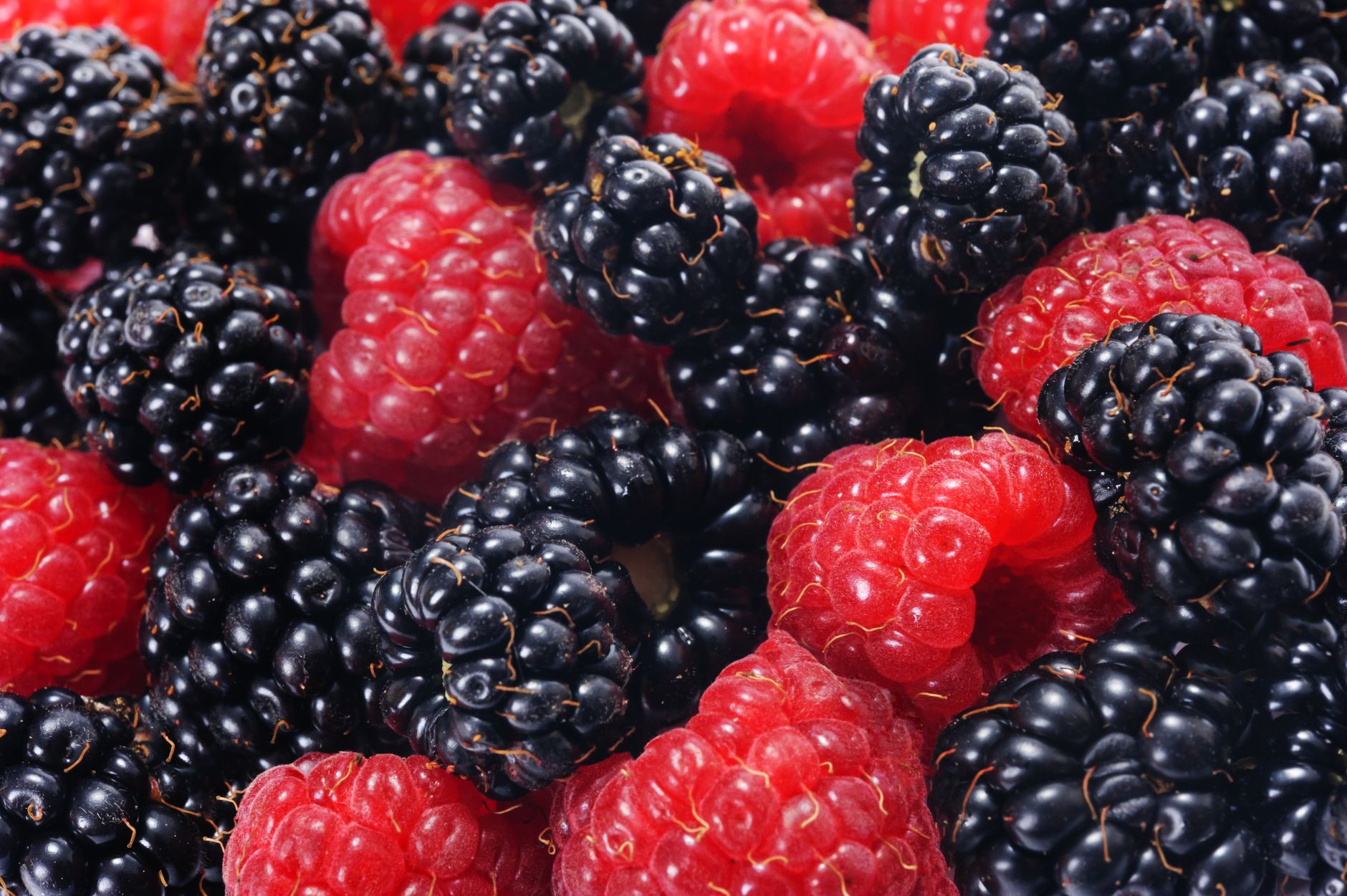
Compare blackberries and black raspberries: taste, growing needs, thorniness, yields, and best varieties for your zone. Choose the right berry for your garden.
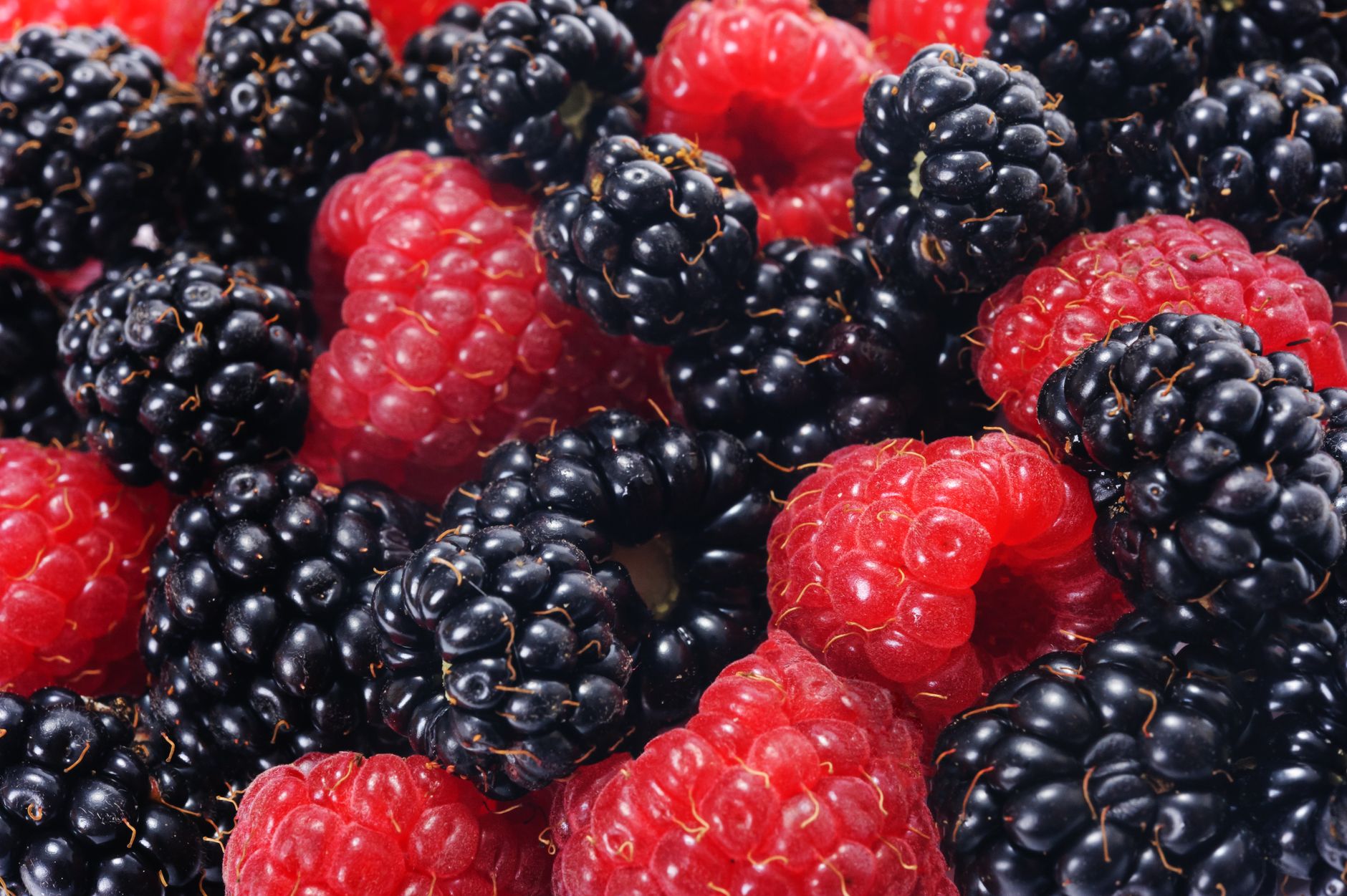
Blackberries and black raspberries look alike at a glance, but they are different species with distinct flavors, growth habits, and care requirements. Blackberries (Rubus fruticosus) are larger, shinier, and more tart, while black raspberries (Rubus occidentalis) are smaller, duller, and sweeter with a hollow core when picked. This guide will help you choose the right one for your garden and give you the specifics on planting, trellising, pruning, and harvesting.
Key differences at a glance
The table below summarizes the main differences you will notice in the garden and in the kitchen.
| Feature | Blackberry | Black raspberry |
|---|---|---|
| Scientific name | Rubus fruticosus (and hybrids) | Rubus occidentalis |
| Fruit shape | Oblong, solid core | Round, hollow core (like a thimble) |
| Flavor | Tart, earthy, sometimes sweet | Sweet, mild, less tart |
| Seeds | Larger, more noticeable | Smaller, less noticeable |
| Canes | Thick, angular, often thorny | Thin, round, less thorny (some thornless) |
| Growth habit | Upright or trailing | Arching, tip-rooting |
| Cold hardiness | Zones 5-10 (varies by type) | Zones 4-8 |
| Harvest season | Mid-summer to early fall | Early to mid-summer |
| Yie | ||
 |
||
| ld per plant | 5-10 lbs (2.3-4.5 kg) | 2-4 lbs (0.9-1.8 kg) |
| Price per pint (2026) | $3-$5 | $4-$6 |
Growing requirements
Both berries need full sun (at least 6 hours), well-drained soil with pH 5.5-6.5, and good air circulation to prevent fungal diseases. But they differ in hardiness and support needs.
Blackberries
Most blackberries are hardy in USDA zones 5-10, but some trailing types are only reliable in zones 7-10. They are vigorous and can spread aggressively, so plant them where you can contain them. They produce fruit on second-year canes (floricanes), and after fruiting, those canes die. You will prune out the dead canes and train the new first-year canes (primocanes) for next year.
Black raspberries
Black raspberries are more cold-hardy (zones 4-8) and tolerate some shade, but they are less vigorous and more prone to viral diseases like raspberry bushy dwarf virus. They also fruit on second-year canes, but they have a unique habit: the tips of the first-year canes arch over and root where they touch the soil. This tip-rooting is how they spread, so you can either let them form a thicket or control them by pinching out the tips.
Planting and spacing
Plant both in early spring or late fall, but avoid planting where tomatoes, peppers, or potatoes grew recently, as they share verticillium wilt. Space plants 3-4 feet apart in rows 6-8 feet apart for blackberries, and 2-3 feet apart in rows 5-6 feet apart for black raspberries. Dig a hole deep enough to spread the roots, set the crown at the same depth as in the nursery, and water well.
For a 10-foot row, you will need about 3 blackberry plants or 4 black raspberry plants. Expect to pay $8-$15 per plant for bare-root, $15-$25 for potted, depending on variety and source.
Trellising and support
Blackberries, especially trailing types, need a trellis. A simple two-wire trellis works: set posts 6 feet apart, run wires at 3 and 5 feet. Tie canes loosely with twine. Erect blackberries can grow without support, but a trellis keeps them tidy and makes harvesting easier.
Black raspberries are less vigorous and can be grown as a clump, but they still benefit from a single wire or stake to keep canes off the ground. If you let the tips root, you will get new plants, but that can make a mess. Instead, pinch out the tips when canes reach 3 feet tall to encourage branching and keep them upright.
Pruning and maintenance
Pruning is the most critical task for both. Here is the simple rule: remove spent floricanes after harvest, and thin primocanes to 4-6 per plant for blackberries, 6-8 for black raspberries. In late winter, cut back lateral branches on blackberries to 12-18 inches, and on black raspberries to 8-12 inches.
For black raspberries, you also need to remove any canes that rooted at the tips unless you want more plants. Keep the center of the clump open for air flow.
Harvest and yield
Blackberries ripen over several weeks, from mid-June to August depending on zone. Pick when they are fully black, plump, and come off easily. They do not ripen after picking, so taste one first. A mature plant yields 5-10 pounds per season.
Black raspberries ripen earlier, usually in June and July. They are ready when they turn a dull purple-black and slip off the receptacle, leaving a hollow core. They are more fragile than blackberries, so handle gently. Yield is lower, 2-4 pounds per plant, but the flavor is worth it.
Best varieties for home gardens
Choose varieties that match your zone and taste preferences.
Blackberries:
- ‘Apache’ (thornless, erect, zones 5-9, large fruit)
- ‘Natchez’ (thornless, erect, zones 6-9, early, sweet)
- ‘Triple Crown’ (thornless, semi-erect, zones 5-9, excellent flavor)
- ‘Chester’ (thornless, semi-erect, zones 5-8, very cold-hardy)
- ‘Kiowa’ (thorny, erect, zones 5-9, huge berries)
Black raspberries:
- ‘Jewel’ (zones 4-8, firm, sweet, most common)
- ‘Black Hawk’ (zones 4-8, productive, good flavor)
- ‘Bristol’ (zones 4-8, early, very sweet)
- ‘Cumberland’ (zones 4-8, old variety, reliable)
Cost and value
In 2026, fresh blackberries cost $3-$5 per pint, black raspberries $4-$6 per pint. Growing your own saves money if you freeze or make jam. A $15 plant can produce for 10-15 years, so the return is good. But consider the cost of trellis materials: $20-$40 for posts and wire for a small patch.
FAQ
Can I plant blackberries and black raspberries together? Yes, but keep them at least 50 feet apart to reduce the spread of shared diseases like anthracnose and raspberry bushy dwarf virus. Also, they have different growth habits, so separate rows are easier to manage.
Which is easier to grow for a beginner? Blackberries are generally easier because they are more vigorous and less prone to viral diseases. Start with a thornless erect variety like ‘Apache’ to avoid the hassle of thorns.
Do I need two varieties for pollination? No, both are self-fertile. One plant will produce fruit, but planting multiple improves yield and extends harvest.
How do I tell the difference when picking wild? Blackberries have a solid core (the torus stays inside), while black raspberries have a hollow core. Also, black raspberries are covered with fine hairs, giving a duller look, while blackberries are smooth and shiny.
The bottom line
If you want larger, more prolific berries with a tart flavor and easier care, choose blackberries. If you prefer a sweeter, more delicate berry and live in a colder zone, choose black raspberries. Both are rewarding, but they need different attention. Start with one or two plants of a proven variety, give them sun and good soil, and you will have fruit in a year or two. Avoid the mistake of mixing them in the same row, and you will save yourself headaches down the road.