Beehive vs honeycomb
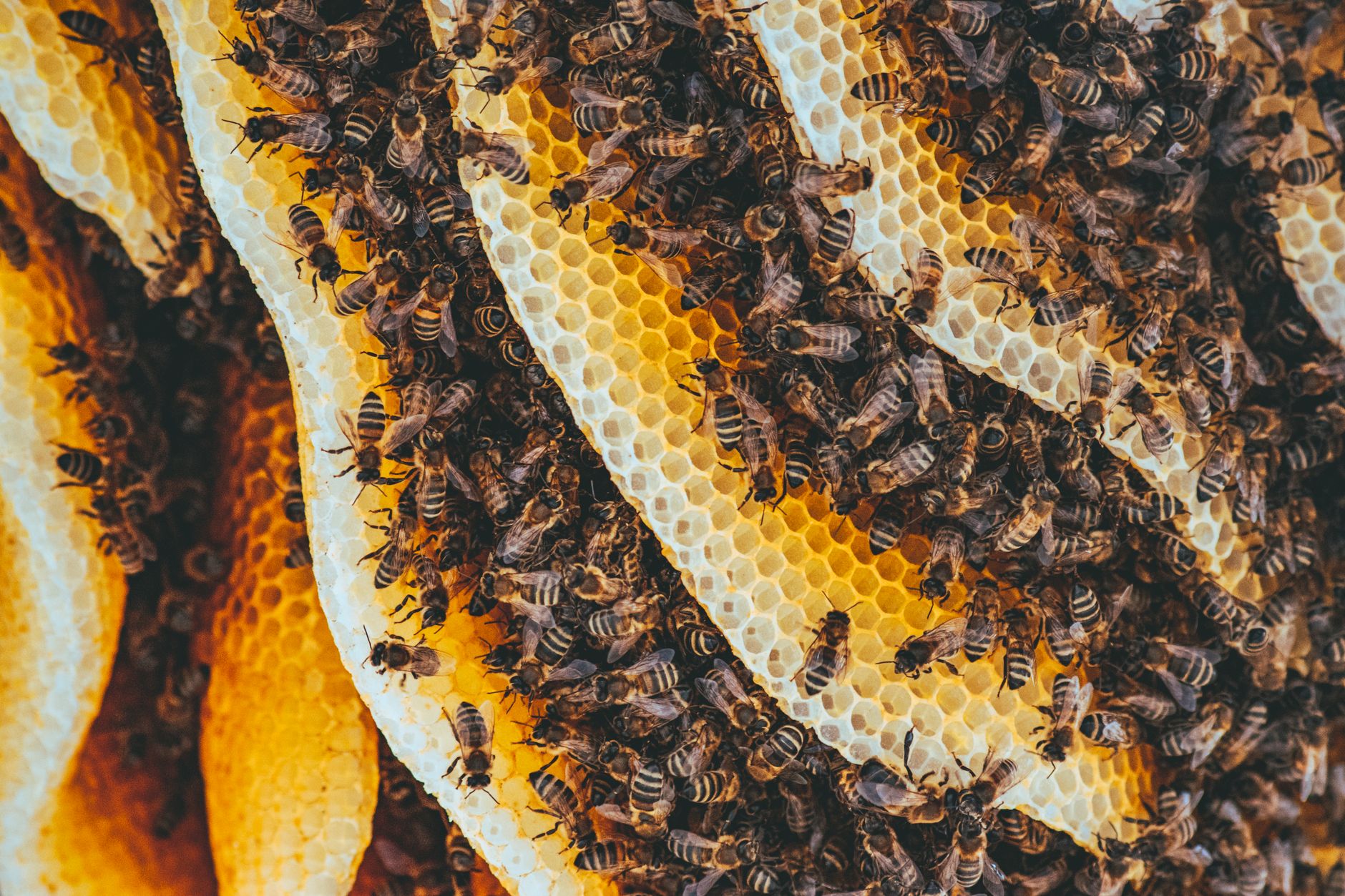
Learn the difference between a beehive and honeycomb, how they work together, and what you need for backyard beekeeping in 2026.
A beehive is the structure you provide for honey bees, while honeycomb is the wax structure bees build inside it. They are not interchangeable: you buy or build a hive, but bees make the comb. If you are new to beekeeping, you need a hive, and you will manage the comb within it. This guide explains how they work together, what each costs, and how to get started this season.
What is a beehive?
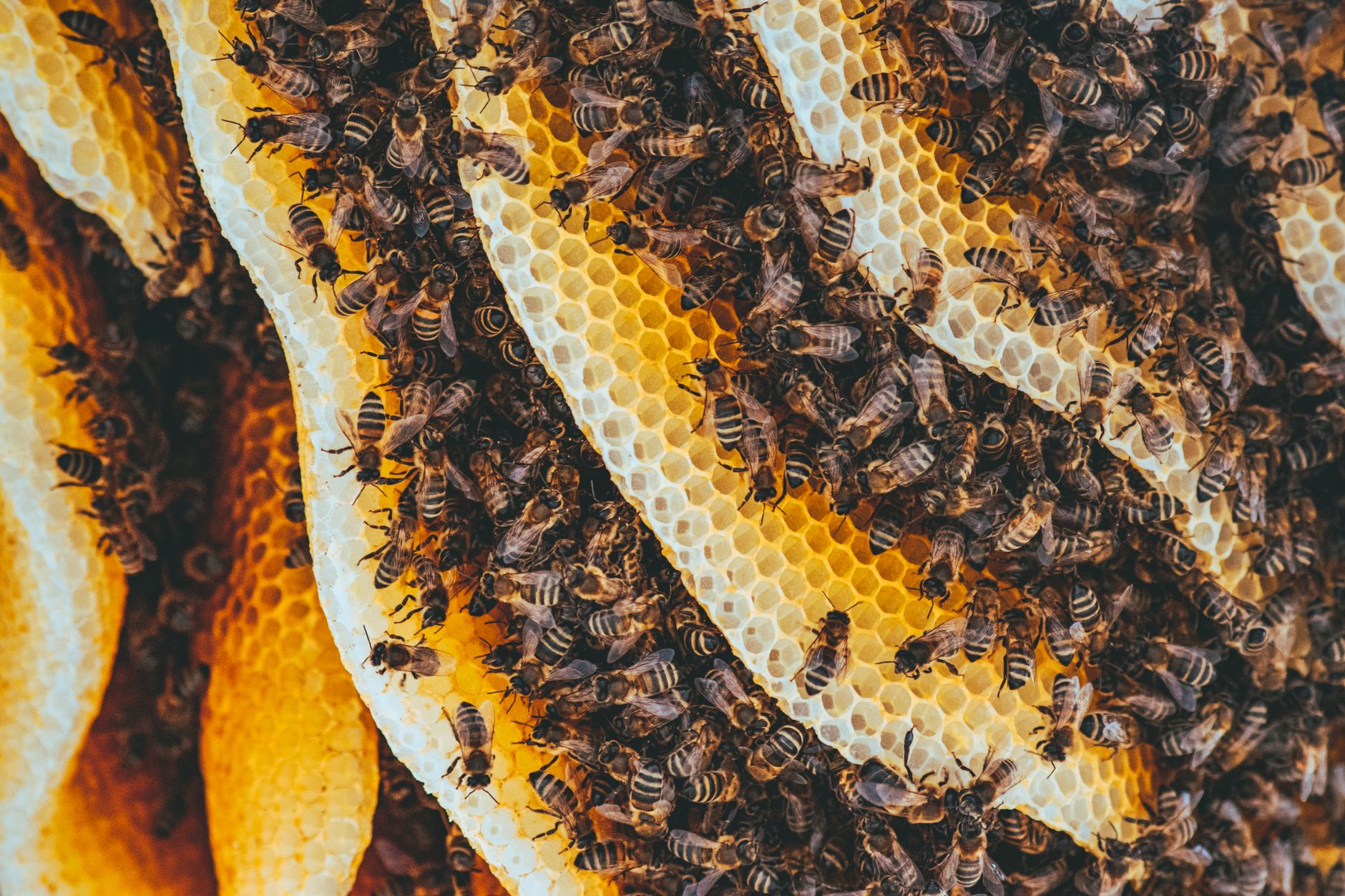
A beehive is the man-made box that houses a honey bee colony. The most common type in the US is the Langstroth hive, named for its inventor in 1852. It consists of stacked wooden boxes with removable frames. Bees build comb on those frames, and you can pull them out for inspection and honey extraction.
Other hive styles exist, like top-bar hives and Warre hives, but Langstroth dominates because it is standardized and widely available. For a beginner, a Langstroth is the easiest to find parts for and to get advice on.
A complete Langstroth hive includes a bottom board, one or two deep boxes (brood chambers), a queen excluder (optional), honey supers, an inner cover, and an outer telescoping cover. You also
 need frames with foundation, which gives bees a guide to build straight comb.
What is honeycomb?
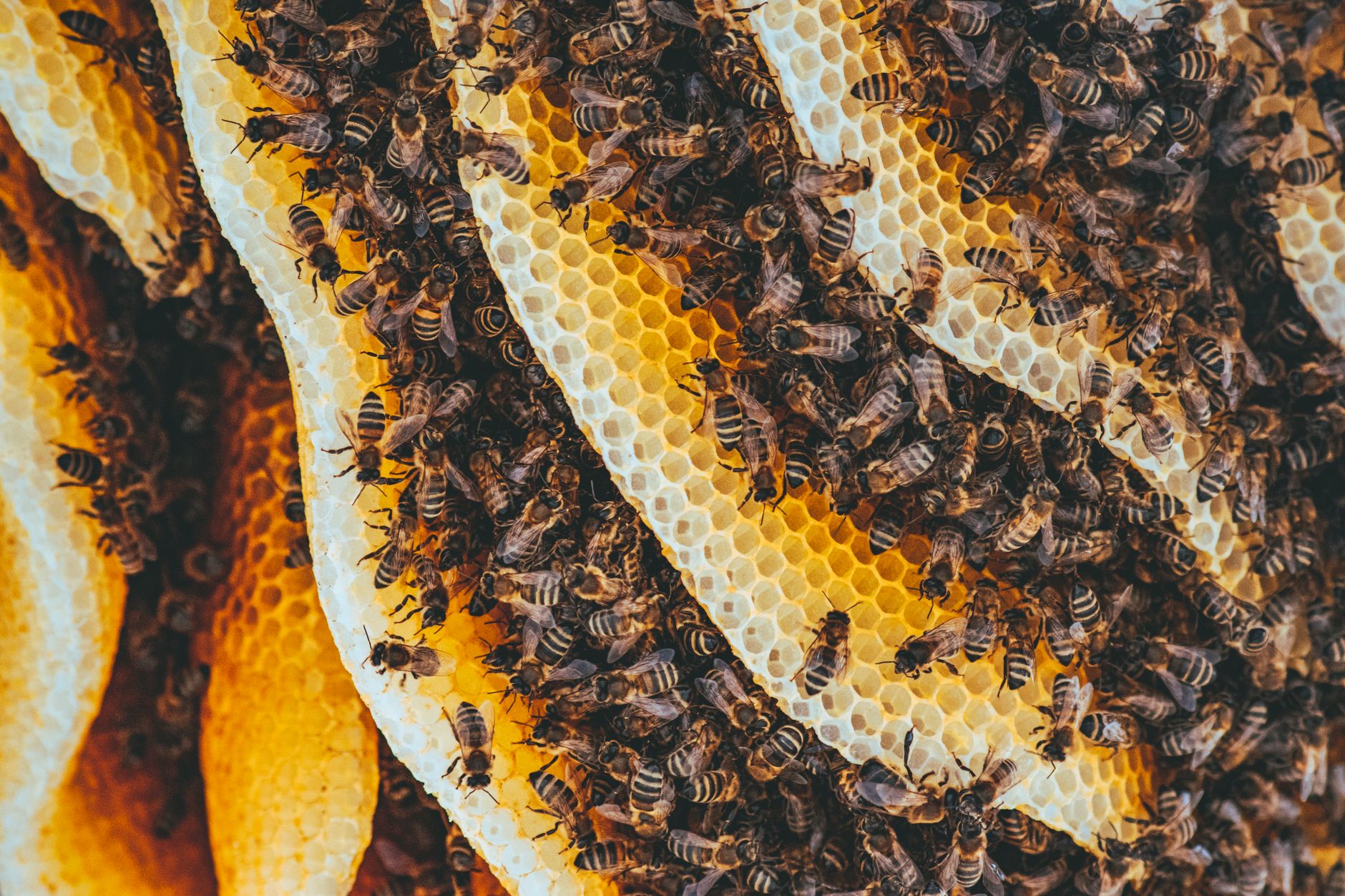
Honeycomb is the hexagonal wax cells that bees build from glands on their abdomens. They use it for three purposes: to raise brood (eggs, larvae, pupae), to store pollen, and to store honey. The bees cap cells with wax when the honey is ripe (moisture content low enough to prevent fermentation).
Honeycomb is pure beeswax, and it is edible. You can eat it directly, wax and all, or chew it like gum. It is also used in cosmetics and candles. The color varies from white to dark brown, depending on pollen and propolis stored in the cells.
How they work together
Bees do not live in the hive; they live in the comb. The hive is just the shell. When you install a package of bees, they immediately start building comb on the frames. The foundation (often embossed plastic or wax) gives them a guide, so they build straight, which makes it easier for you to inspect and extract.
The brood nest is usually in the lower deep boxes, where the queen lays eggs. Honey is stored above, in the supers. You add supers as the colony grows, so they have room to store surplus honey. If you do not add space, the bees may swarm.
How to start beekeeping this week
If you are ready to start, follow these steps:
- Take a class or find a mentor. Contact your local beekeeping association. Many offer beginner courses in late winter or early spring. This is the best $50 to $100 you will spend.
- Order bees. You can buy a package of bees (about 3 pounds with a queen) or a nuc (a small established colony with frames). Packages cost $150 to $200 in 2026; nucs cost $200 to $300. Order early, as suppliers sell out.
- Assemble your hive. A new Langstroth hive kit costs $200 to $400, depending on wood quality and whether it includes frames and foundation. You can build your own, but buying a kit saves time.
- Install the bees. In early spring (April or May in most zones), when temperatures are above 50°F, gently shake the package into the hive or place the nuc frames in. Follow the instructions from your supplier.
- Feed them. New colonies need syrup (1:1 sugar water) to stimulate comb building, especially if natural nectar is scarce. Use a feeder jar or entrance feeder.
Hive management basics
Once your bees are in, you need to inspect them every 7 to 10 days during the active season. Look for:
- Eggs and larvae: This confirms the queen is laying.
- Brood pattern: A solid pattern means a healthy queen.
- Pests and diseases: Check for varroa mites, small hive beetles, and signs of foulbrood.
- Space: Add supers when the top box is 70% full of comb and bees.
You will also need to manage varroa mites, the biggest threat to honey bees. In 2026, common treatments include oxalic acid vaporization (about $30 for a vaporizer and acid), formic acid strips ($20 to $30 per treatment), and integrated pest management like screened bottom boards.
Harvesting honeycomb
To harvest honey, you pull frames from the supers, uncap the cells with a hot knife, and spin the frames in a honey extractor. A manual extractor costs $100 to $200; a motorized one costs $300 to $600. You can also crush the comb and strain it, but that destroys the comb.
If you want to sell or eat comb honey, you can cut sections of comb and package them. This is simpler but yields less honey per frame. Expect 30 to 60 pounds of honey per hive in a good year, depending on location and weather.
Costs and yields
Here is a realistic budget for your first year:
| Item | Cost (2026) |
|---|---|
| Hive kit (Langstroth) | $200 - $400 |
| Bees (package or nuc) | $150 - $300 |
| Protective gear (veil, gloves, suit) | $50 - $150 |
| Tools (smoker, hive tool) | $30 - $60 |
| Feeder and syrup | $20 - $40 |
| Mite treatment | $20 - $50 |
| Total first year | $470 - $1000 |
Yields vary widely. A healthy hive in a good location can produce 30 to 60 pounds of honey, but first-year hives often produce less because the colony is growing. You may not harvest any honey in the first year, and that is normal.
FAQ
Can I start with just a beehive and no bees? No, a hive without bees is just a box. You need to order bees and install them. Some beekeepers catch swarms, but that is advanced.
Is honeycomb safe to eat? Yes, it is safe and delicious. The wax is indigestible but passes through your system. Some people chew it and spit out the wax, but you can swallow it if you like.
How long does a beehive last? With proper care, a wooden hive can last 10 to 20 years. You may need to replace boxes or frames over time. Plastic hives last longer but are less breathable.
Do I need two hives? It is recommended. Two hives let you compare and share resources. If one fails, you can help the other. It also gives you more honey. The cost is double, but many beekeepers say it is worth it.
The bottom line
A beehive is the box, and honeycomb is the wax structure inside. You need both to keep bees. Start with a Langstroth hive, order bees in early spring, and learn from a local mentor. Expect to spend $500 to $1000 in the first year, and do not expect a honey harvest until the second year. Beekeeping is a rewarding hobby that helps pollinators and gives you sweet rewards, but it takes time and patience.