Beehive vs conical valve springs
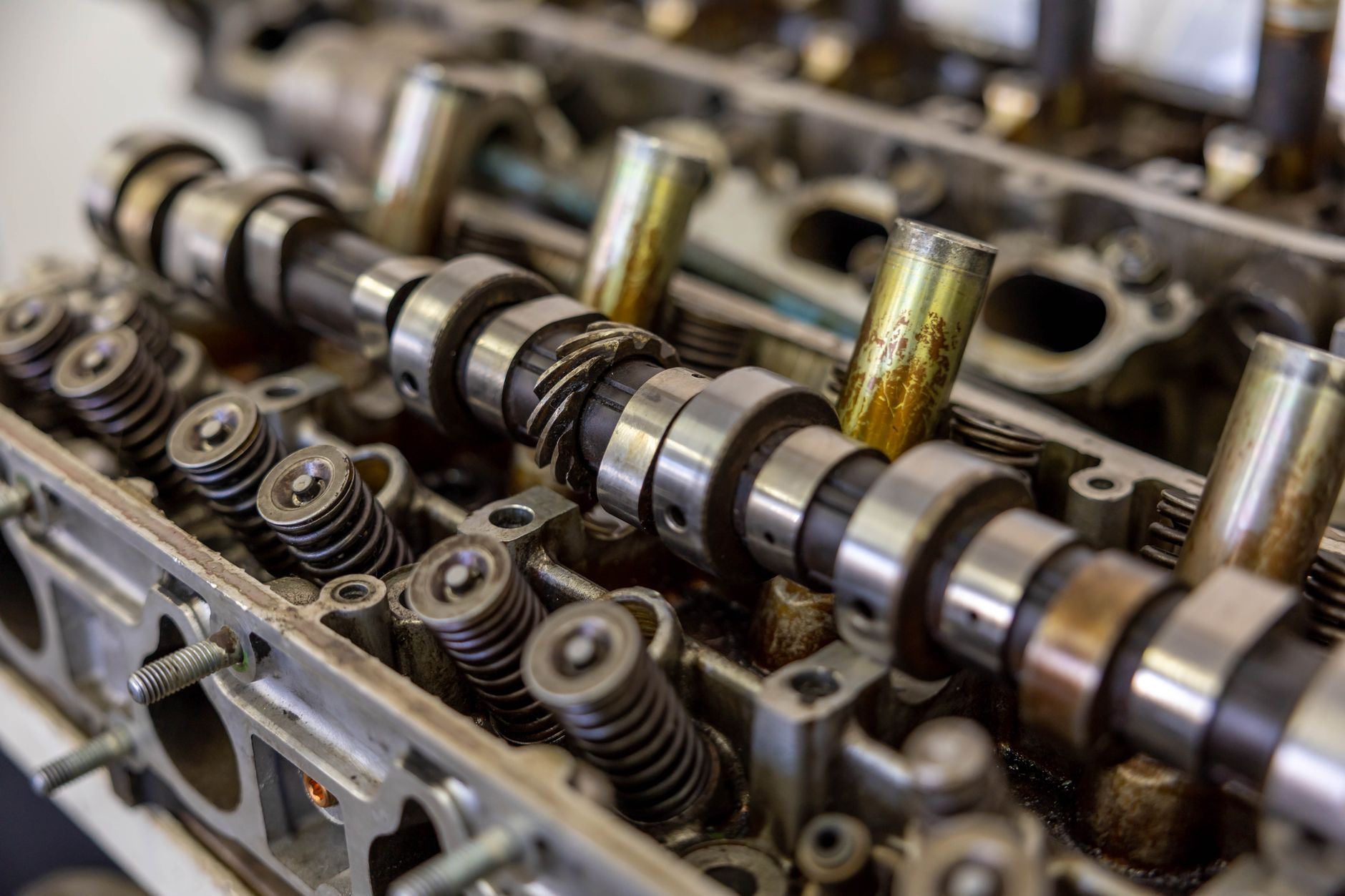
Compare beehive and conical valve springs for small engines: pros, cons, costs, and which to choose for your homestead equipment.
If you are rebuilding a small engine on your homestead, you might be wondering whether to use beehive or conical valve springs. The short answer: beehive springs are the better choice for most applications because they are lighter, reduce valve float at high RPM, and are often cheaper. Conical springs are a tapered design that offers similar benefits but are less common and can be harder to source. This guide breaks down the differences so you can decide what fits your engine and budget.
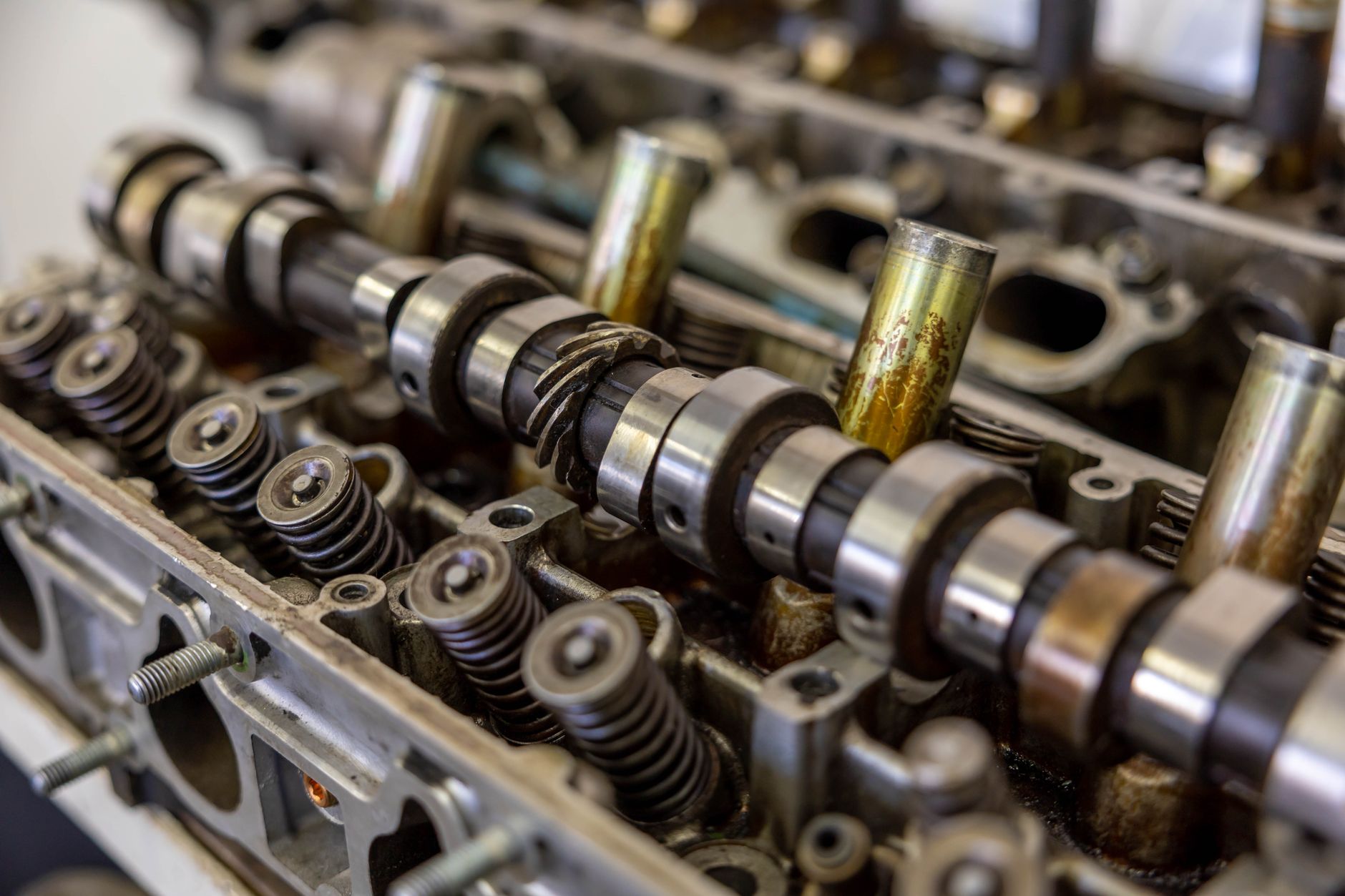
What Are Beehive Valve Springs?
Beehive springs are named for their shape: they are wider at the bottom and taper to a narrower top. This design reduces mass and allows for higher spring rates without the risk of coil bind. They are commonly used in modern engines, both stock and performance, because they allow higher RPM without valve float.
Key specs:
- Diameter: typically 1.460 inches at the base, tapering to 0.860 inches at the top (for small block Chevy style)
- Spring rate: varies, but common rates are 110 to 140 lbs/in for street use
- Installed height: usually 1.700 to 1.800 inches, but check your engine specs
Pros:
- Lighter weight reduces inertia, allowing higher RPM
- Less risk of coil bind due to tapered coils
- Often cheaper than conical springs
- Widely available for popular engines
Cons:
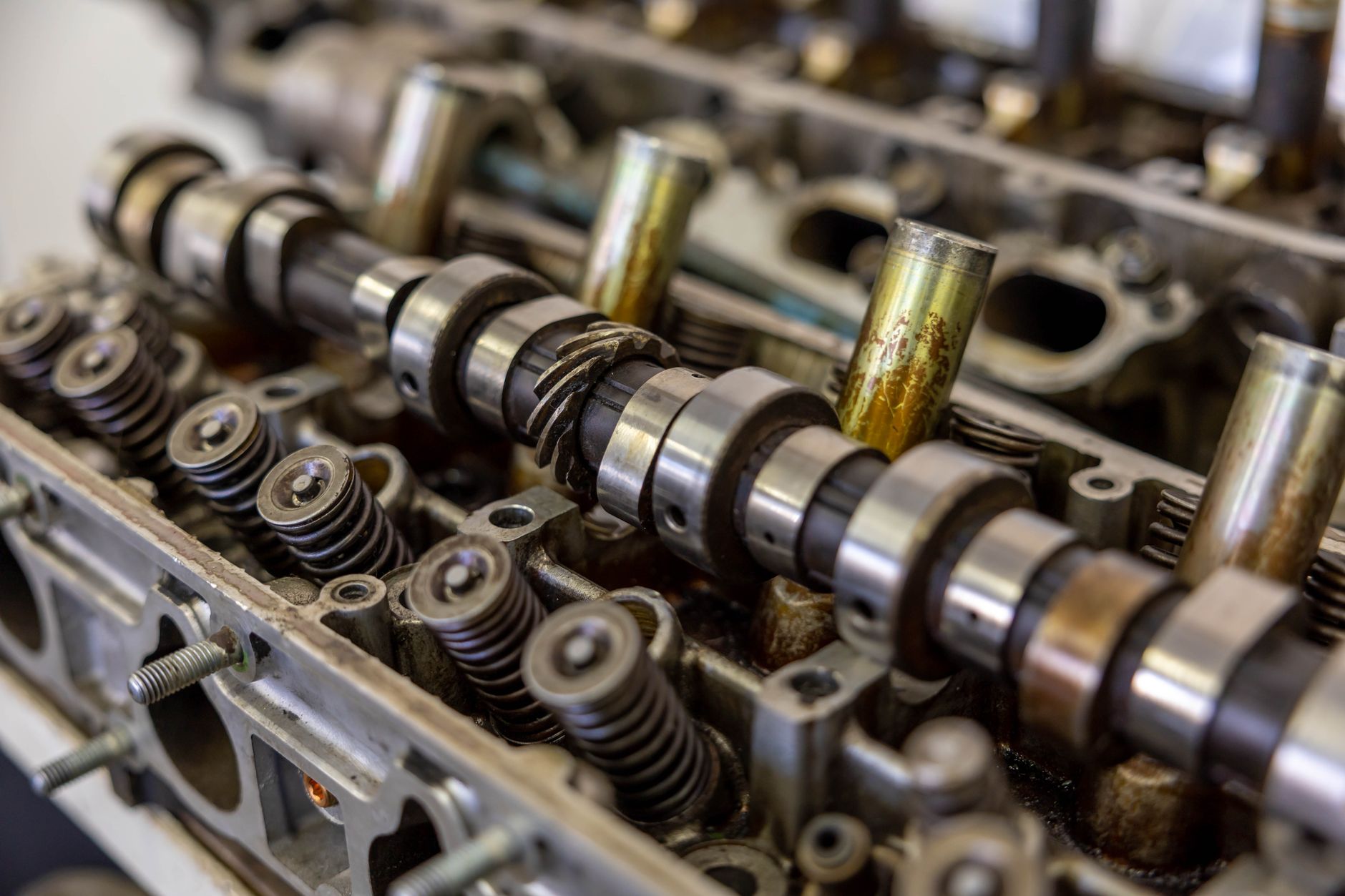 Requires specific retainers and keepers (beehive-specific)
- Not all engines have aftermarket support
What Are Conical Valve Springs?
Conical springs, also called tapered or cone springs, have a uniform taper from top to bottom. They are less common than beehive springs and are often found in high-performance racing applications. They offer similar weight savings but are more expensive and harder to find.
Key specs:
- Diameter: varies, but typically 1.250 inches at top, 1.500 inches at bottom
- Spring rate: often 120 to 160 lbs/in for performance
- Installed height: similar to beehive, around 1.700 inches
Pros:
- Excellent for high-RPM racing
- Reduced weight and inertia
Cons:
- More expensive, often $100+ per set
- Limited availability for common engines
- Requires specialized retainers
Direct Comparison: Beehive vs Conical
| Feature | Beehive | Conical |
|---|---|---|
| Weight | Lighter | Similar |
| Cost (set of 16) | $40-$80 | $100-$150 |
| Availability | Wide for Chevy, Ford, etc. | Limited, often custom |
| RPM capability | Good up to 7,000+ | Excellent, but overkill for most |
| Retainers needed | Beehive-specific | Conical-specific |
| Coil bind resistance | Good | Good |
For a homesteader working on a tractor, generator, or small engine, beehive springs are usually the practical choice. They are cheaper, easier to find, and perform well for everyday use.
Which Should You Choose for Your Engine?
First, identify your engine. Common homestead engines include small block Chevy (used in many older tractors), Ford 302, or small air-cooled engines like Briggs & Stratton. For most, beehive springs are a direct upgrade.
Step-by-step selection:
- Check your engine’s stock spring specs: installed height, spring rate, and diameter.
- Determine your RPM range: if you rarely exceed 4,500 RPM, stock or mild beehive springs are fine.
- Measure your valve stem diameter and retainer type: beehive springs need special retainers, usually 10-degree or 7-degree locks.
- Purchase a kit: many brands offer complete kits with springs, retainers, and locks. For example, a Comp Cams 26918-16 beehive kit costs around $60 and fits small block Chevy.
- Install with a valve spring compressor: rent or buy one for $30-$50 at an auto parts store.
Realistic yields: A set of beehive springs will last 50,000 miles or more in a daily driver, and even longer in a low-RPM tractor. Conical springs may last longer under extreme conditions, but you will likely not notice the difference.
Installation Tips for Homesteaders
Installing valve springs is a straightforward job if you have the right tools. You will need a spring compressor, a torque wrench, and a feeler gauge to check installed height.
Steps:
- Remove the valve cover and rocker arms.
- Use a spark plug adapter to pressurize the cylinder (to hold valves in place) or use a rope trick.
- Compress the spring with the compressor, remove the keepers, and lift off the retainer and spring.
- Clean the valve stem and install the new spring, retainer, and keepers.
- Check installed height: if it is too tall, add shims; if too short, you may need different retainers.
- Torque rocker arms to spec and reinstall the cover.
Cost estimate: For a small block Chevy, a beehive kit costs $50-$80. Add $20 for a spring compressor if you do not have one. Total: under $100.
Common Mistakes to Avoid
- Using the wrong retainers: beehive springs require beehive retainers, which have a smaller diameter. Using stock retainers will cause binding.
- Ignoring installed height: if the spring is too tall or too short, it will cause premature wear or valve float.
- Over-springing: for a stock cam, too much spring pressure will wear out the cam lobes quickly.
FAQ
Q: Can I use beehive springs on a stock cam? A: Yes, but choose a spring with a similar spring rate to stock. For example, a mild beehive spring with 110 lbs/in at installed height is fine for a stock cam.
Q: Are conical springs worth the extra cost? A: Only if you are building a high-RPM racing engine. For homestead use, beehive springs offer the same benefits at a lower price.
Q: How do I know if my engine needs new valve springs? A: Symptoms include valve float at high RPM, ticking noises, or loss of power. You can also check spring pressure with a tester, but if your engine has over 50,000 miles, replacement is cheap insurance.
Q: Can I mix beehive and conical springs? A: No, always use a matched set. Mixing will cause uneven pressure and potential valve damage.
The Bottom Line
For most homesteaders, beehive valve springs are the clear winner. They are cheaper, easier to find, and perform just as well as conical springs for typical engine speeds. Conical springs are only worth the extra cost if you are building a high-performance engine and have the budget. Start with beehive springs for your next rebuild, and you will get reliable performance without breaking the bank.