Beehive vs bee nest
Learn the key differences between a beehive and a bee nest, how to identify them, and what to do if you find one in your yard.
A beehive is a human-made structure that beekeepers provide for honey bees, while a bee nest is a natural or wild structure that bees create on their own. If you find a swarm or a wild colony on your property, you need to know which one you’re dealing with before you take any action. This guide explains the differences, how to identify them, and what to do next.
What is a beehive?
A beehive is any managed structure where honey bees (Apis mellifera) live under human supervision. Common types include the Langstroth hive, the top-bar hive, and the Warre hive. Langstroth hives are the most popular in the US, with removable frames that make inspection and honey extraction easy. A typical Langstroth hive setup costs between $200 and $400 for a starter kit, not including bees.
Beekeepers place hives in apiaries, check them regularly, and manage pests like varroa mites. The bees build comb on the frames, and the beekeeper can remove that comb for honey or brood inspection. A healthy hive can produce 30 to 60 pounds of surplus honey per year
 in most regions, though that number varies widely with weather and forage.
What is a bee nest?
A bee nest is any wild or natural colony that is not managed by humans. Honey bees may nest in hollow trees, wall cavities, or even old furniture. Other bees, like bumblebees and solitary bees, also make nests, but they are not honey bees and do not produce harvestable honey. For this article, we focus on honey bee nests, since those are the ones that cause confusion.
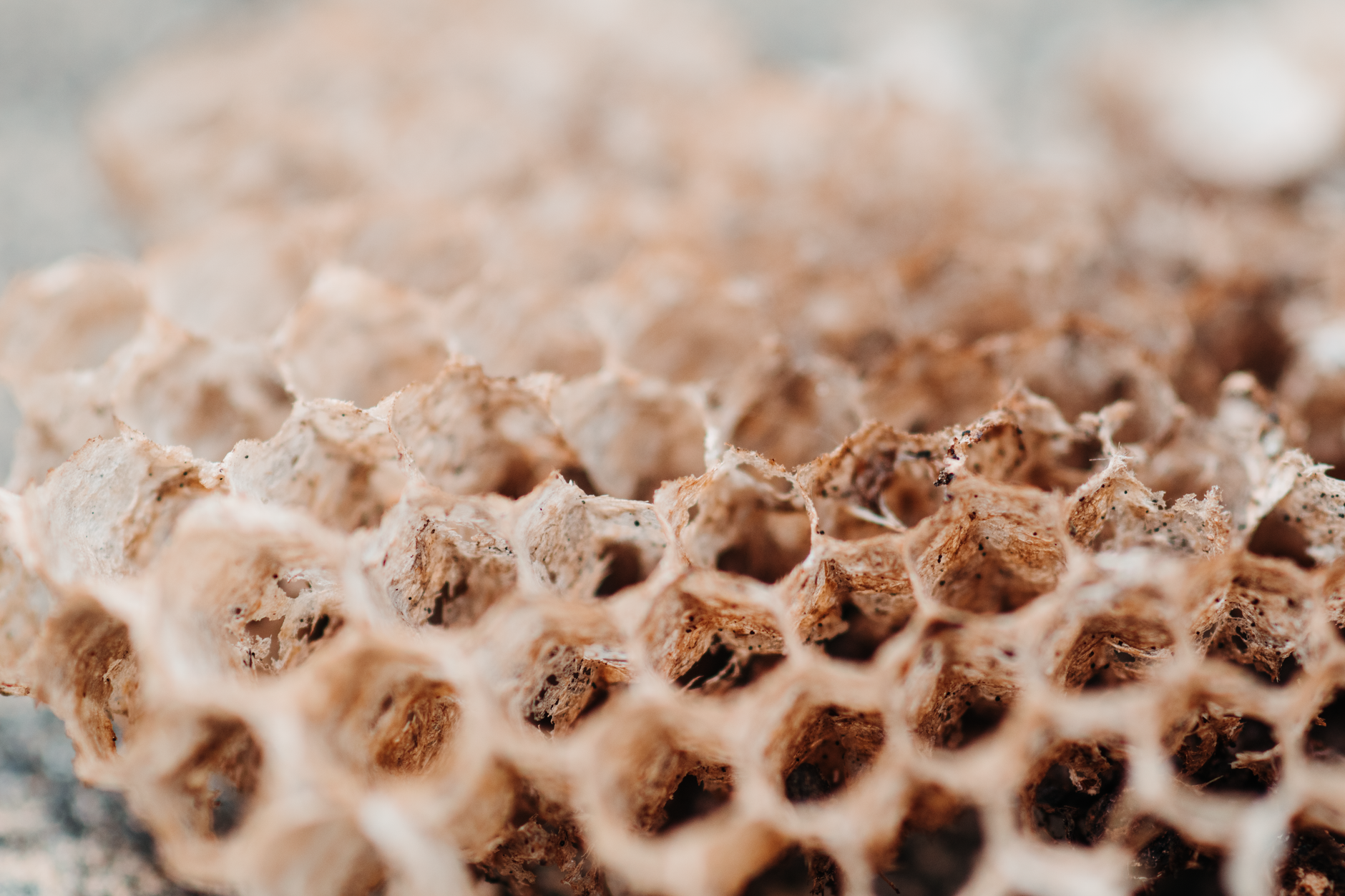
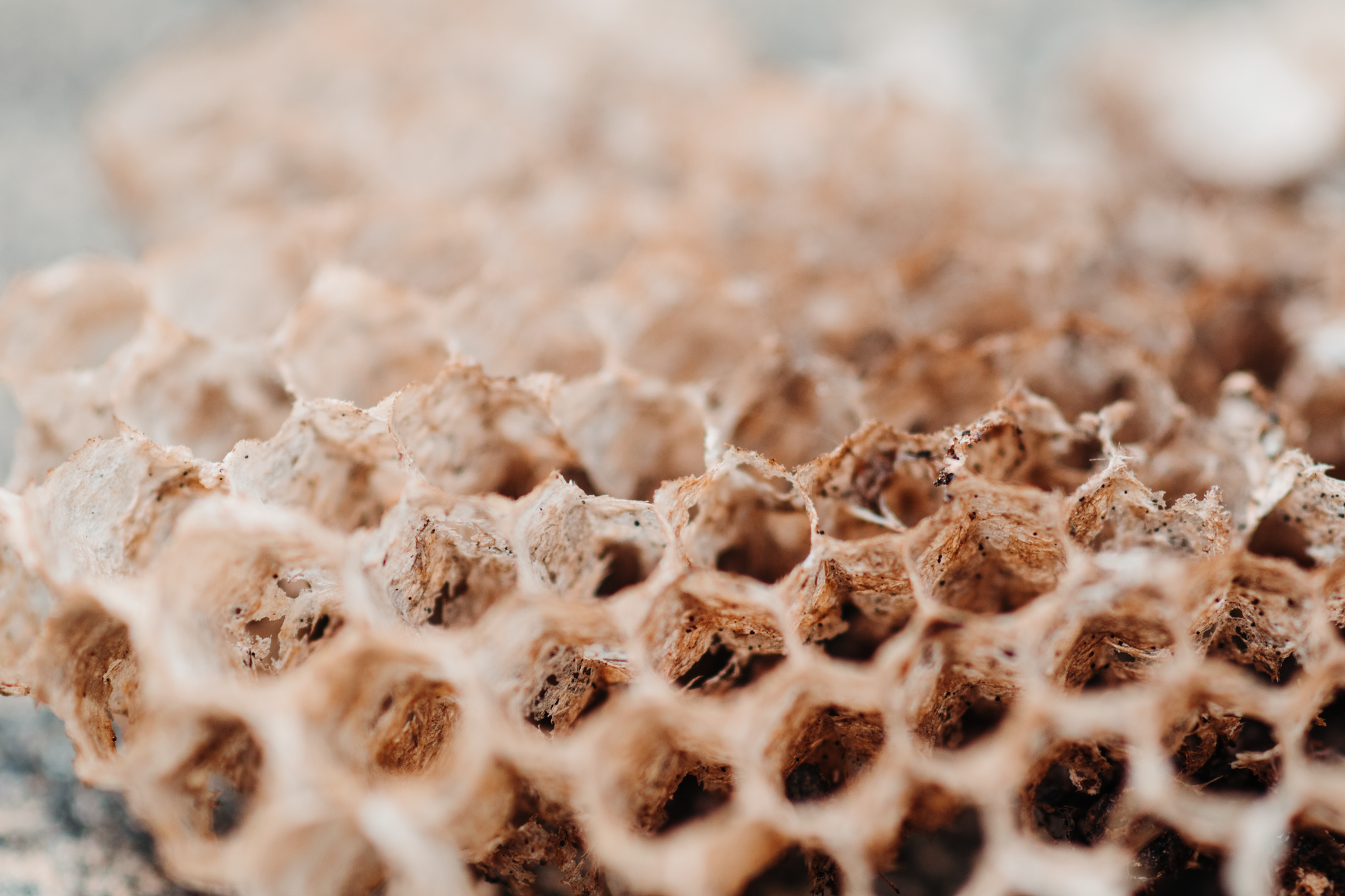
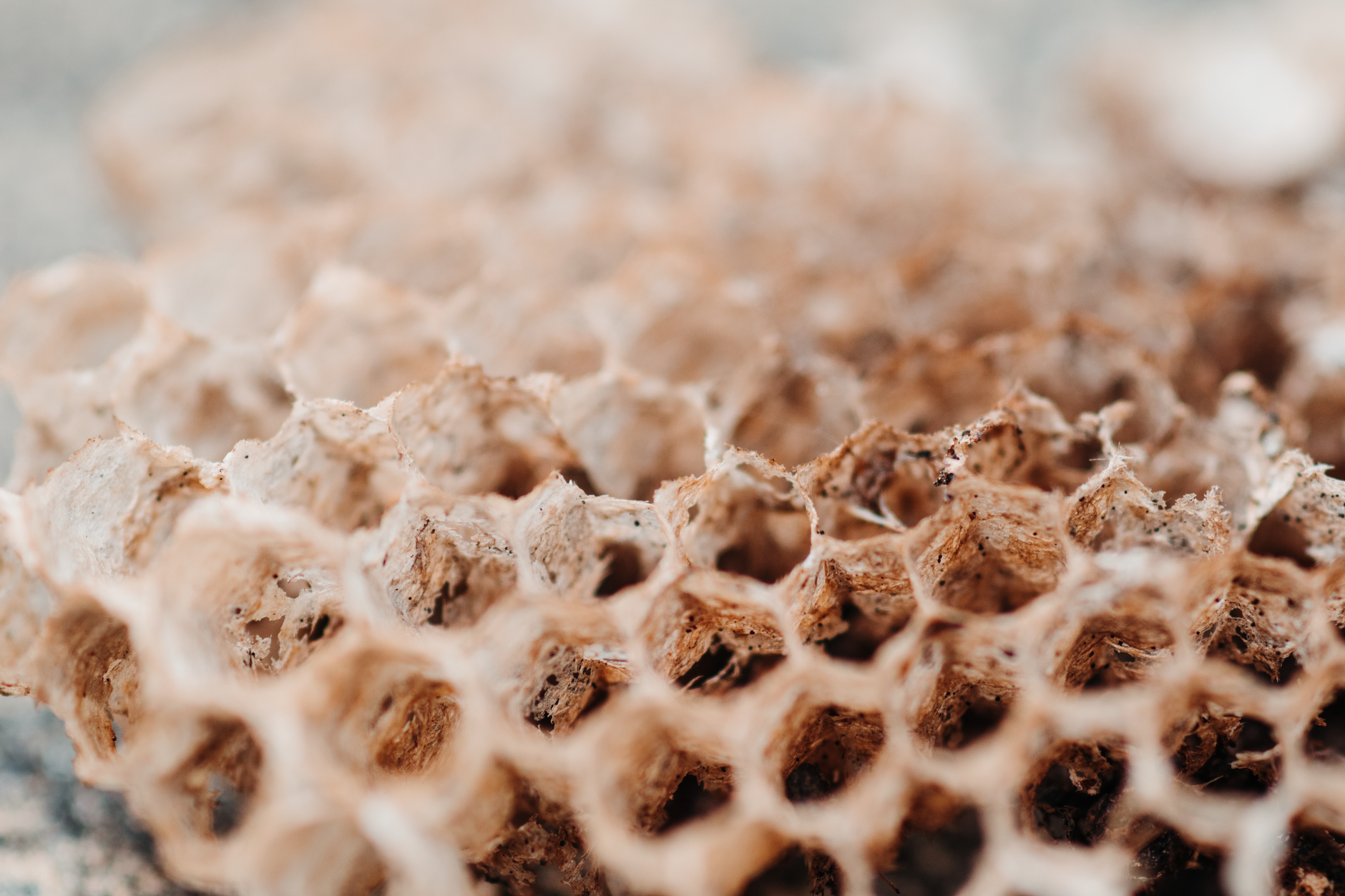
A wild honey bee nest usually has exposed comb or a hidden cavity with no frames. The bees build their own comb in a chaotic pattern, often attached to the ceiling of the cavity. These nests can survive for years, but they are more vulnerable to pests and disease because no one is managing them.
Key differences at a glance
Here is a quick comparison:
| Feature | Beehive | Bee nest |
|---|---|---|
| Structure | Human-made, with frames | Natural or wild, no frames |
| Location | In an apiary or managed yard | In trees, walls, or ground |
| Management | Regular inspections and treatments | No management |
| Comb | Built on removable frames | Built free-form, often attached |
| Honey production | Surplus harvestable | Usually not harvested |
| Swarming risk | Managed, but can still swarm | Higher, unmanaged |
How to identify what you have
If you see bees flying around a structure, look for these clues:
- Frames: If you can see wooden frames with straight, even comb, it’s likely a beehive. If the comb is wavy and attached to surfaces, it’s a nest.
- Human access: A beehive will have a removable lid or top. A nest will be sealed or hidden.
- Location: A beehive sits in the open, often on a stand. A nest is often in a tree hollow, a wall, or underground.
- Activity: A beehive has a single entrance, and the bees are usually calm. A nest may have multiple entrances, and the bees may be more defensive.
If you are not sure, do not open anything. Contact a local beekeeper or a pest control professional who can identify the colony safely.
What to do if you find a bee nest
Finding a wild honey bee nest on your property is not an emergency, but it does require action. Here are your options:
- Leave it alone: If the nest is in a remote area and not near people or pets, you can let it be. Wild colonies are valuable for pollination, and they may die out naturally in winter.
- Call a beekeeper: Many beekeepers will remove a wild colony for free or for a small fee, especially if it is accessible. They can cut out the comb and transfer the bees to a hive. Expect to pay between $100 and $300 for a removal, depending on the difficulty.
- Exclude and remove: If the nest is in a wall, you will need to open the wall to remove it, then seal the entrance. This is a job for a professional, as it can cause structural damage and bee stings.
Do not try to smoke out or poison the nest. That will kill the bees and leave honey and comb behind, which can attract pests and cause rot.
How to prevent a bee nest from forming
Prevention is easier than removal. Here are practical steps:
- Seal cracks and gaps: Inspect your home’s exterior for holes larger than 1/8 inch. Use caulk or expanding foam to close them.
- Remove empty hives or old nests: If you have old beekeeping equipment, store it in a sealed shed or garage. Old comb attracts swarms.
- Plant bee-friendly flowers: This may sound counterintuitive, but a diverse garden with flowers like lavender, coneflower, and clover can keep bees busy foraging, reducing the chance they will nest in your walls.
- Set up a bait hive: If you want to attract bees to a managed hive, place a bait hive in a tree. This gives swarms a better option than your house.
FAQ
Is a bee nest dangerous?
A honey bee nest is not aggressive unless threatened. However, if the nest is near a high-traffic area, the risk of stings increases. Bumblebee nests are usually harmless, but ground-nesting yellowjackets can be aggressive. If you are unsure, keep your distance and call a professional.
Can I keep a wild bee nest as a beehive?
Yes, but it requires transferring the bees into a managed hive. This is called a cutout. You need to remove the comb, place it in frames, and hope the queen survives. It is a delicate process, best done by an experienced beekeeper.
How much does it cost to remove a bee nest?
Professional removal costs range from $100 to $300 for an accessible nest. If the nest is inside a wall, expect $300 to $800, including repair costs. Some beekeepers do removals for free if they can keep the bees.
What is the difference between a swarm and a nest?
A swarm is a cluster of bees that has left the hive to find a new home. They are temporary and usually hang on a branch or structure for a few days. A nest is an established colony with comb and brood. Swarms are easier to collect because they have no comb to protect.
The bottom line
A beehive is managed, a bee nest is wild. If you find a nest, do not panic. Assess the location, decide if it is a problem, and call a beekeeper if you need help. For gardeners and homesteaders, the best approach is to prevent nests from forming in the first place by sealing gaps and providing better options. With a little knowledge, you can coexist with bees safely and even turn a wild colony into a productive hive.