Beehive vs bee hive
Learn the difference between 'beehive' and 'bee hive', and how to choose and set up the right hive for your backyard or homestead in 2026.
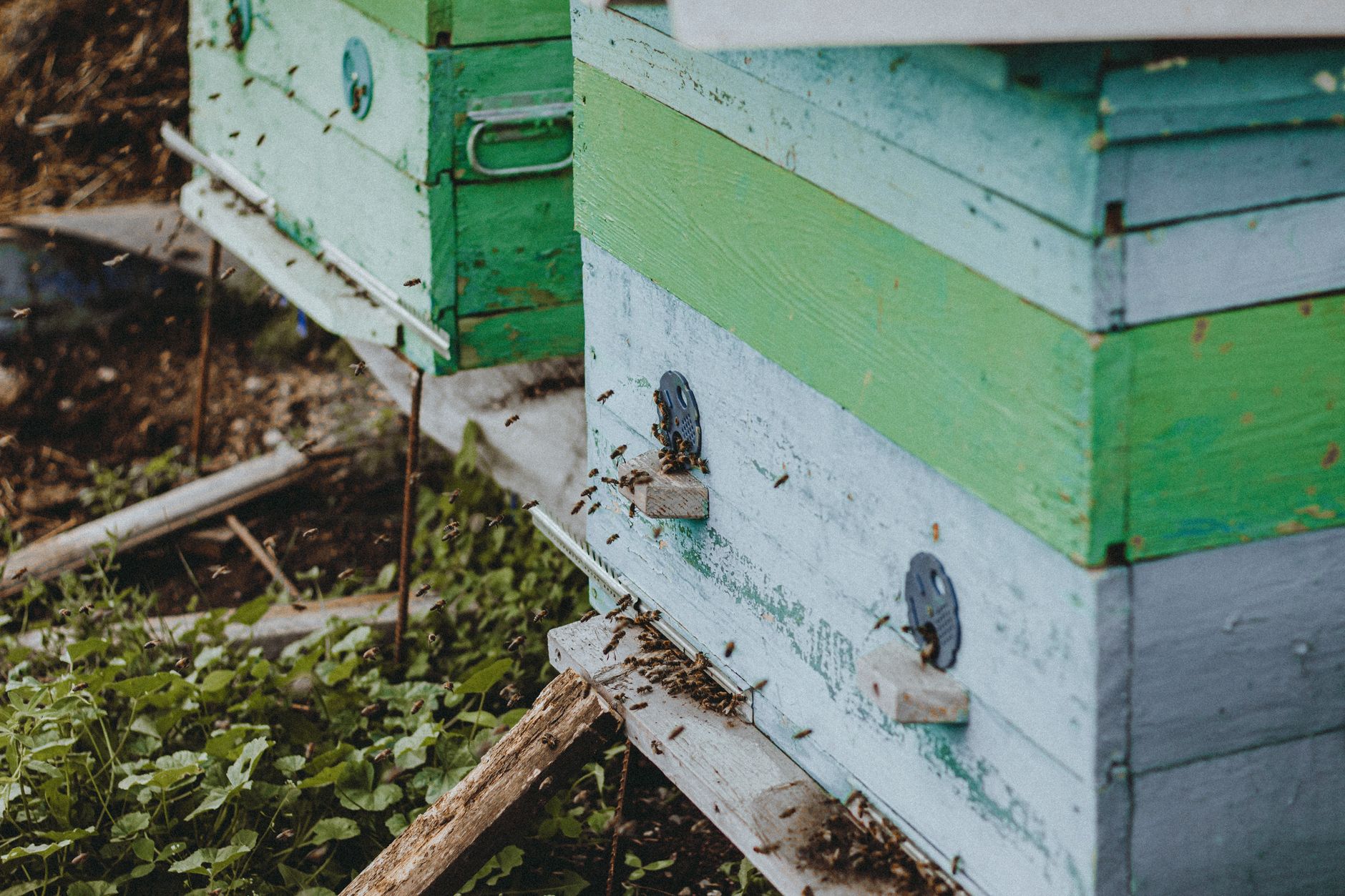
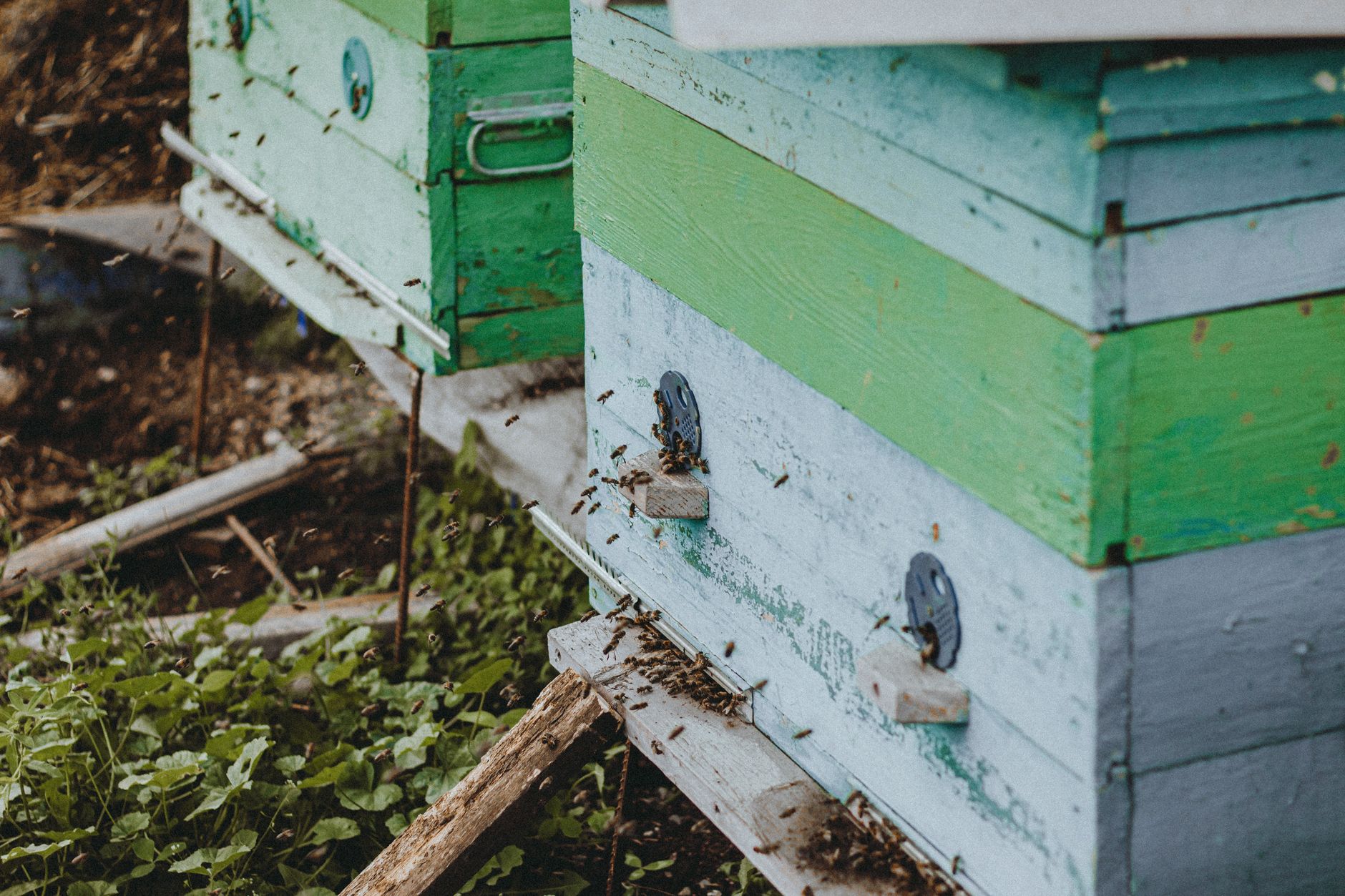
You have probably seen both spellings, “beehive” and “bee hive,” and wondered which is correct. The short answer: both are acceptable, but they are not always interchangeable. “Beehive” is the standard compound word for the structure where bees live, while “bee hive” is a more literal, two-word phrase that emphasizes the hive as a home for bees. In practice, you can use either, but consistency matters. This guide explains the nuance, then helps you pick the right hive type for your needs and get started this week.
What’s the Difference?
Technically, a “beehive” refers to any structure that houses a honey bee colony, whether natural (like a hollow tree) or man-made (like a Langstroth box). “Bee hive” is simply the same thing written as two words. There is no difference in meaning. However, in beekeeping literature and equipment catalogs, “beehive” is the dominant spelling. For example, you will see “beehive starter kit” but rarely
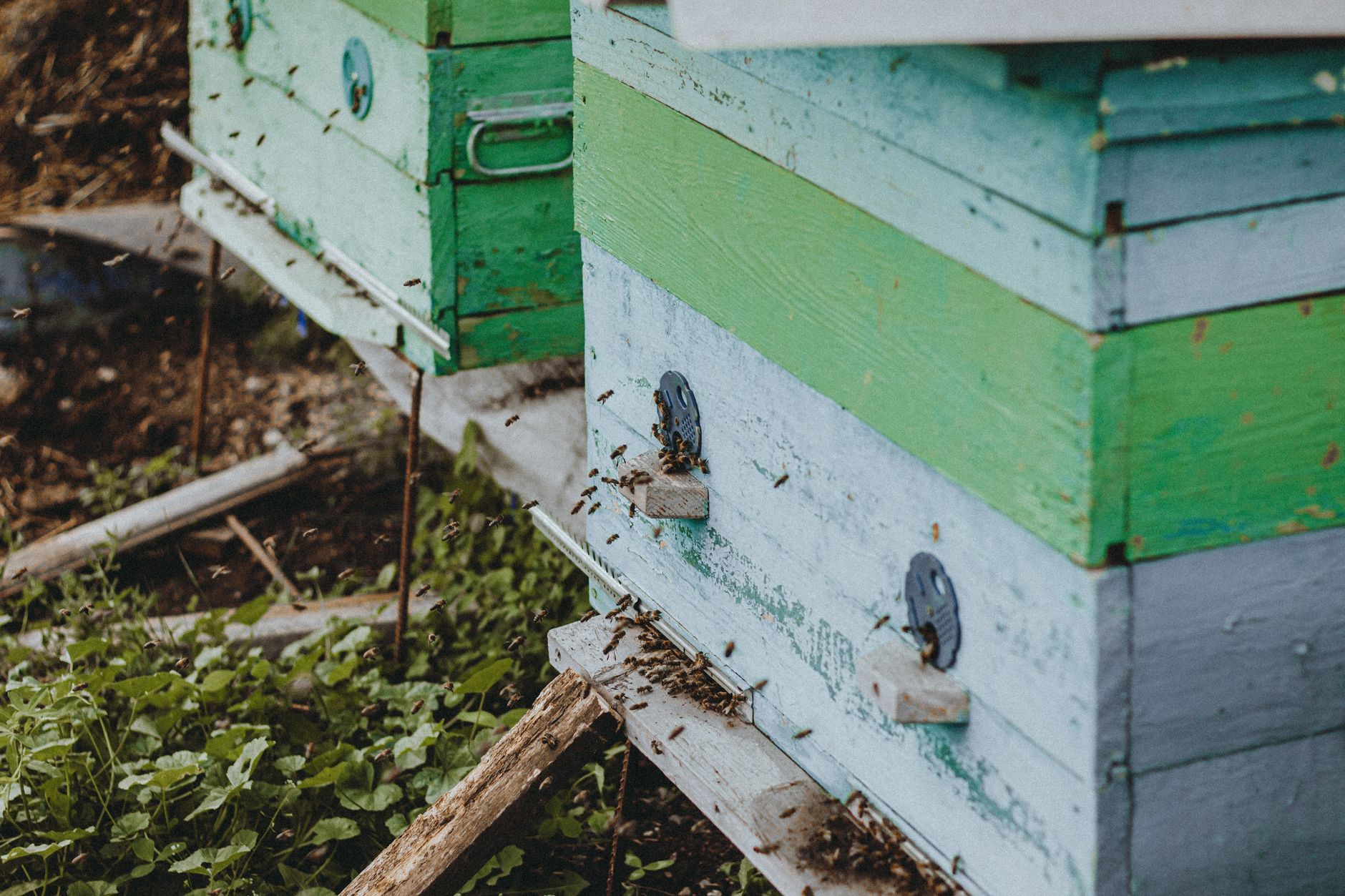 “bee hive starter kit.” Use “beehive” for consistency and professionalism.
Choosing the Right Hive Type
Before you buy anything, decide which hive system fits your goals. The three most common types are Langstroth, Top Bar, and Warre. Here is a quick comparison:
| Hive Type | Pros | Cons | Best For |
|---|---|---|---|
| Langstroth | Most common, easy to find equipment and bees, expandable with boxes | Heavy boxes, requires more lifting | Backyard honey production, beginners with standard equipment |
| Top Bar | Lighter, no heavy lifting, natural comb, easy inspection | Lower honey yields, bees may build cross-comb | Those who prefer natural methods, limited mobility |
| Warre | Vertical, natural comb, minimal intervention | Harder to inspect, less common equipment | Natural beekeeping enthusiasts |
For most gardeners and homesteaders, I recommend a Langstroth 10-frame hive. It is the industry standard, so you can find parts, bees, and advice easily. A complete Langstroth starter kit (hive body, frames, foundation, cover, bottom board) costs $200 to $300 in 2026. Add a bee suit ($50 to $100), smoker ($30 to $50), and hive tool ($10 to $15), and you are looking at $300 to $450 total startup.
Setting Up Your Hive: Step by Step
Once you have your equipment, follow these steps to get your hive ready for bees:
- Choose a location: Place the hive in a sunny spot (morning sun is best), with the entrance facing south or southeast. Ensure it is level and off the ground (use cinder blocks or a stand). Leave at least 3 feet of clearance around the hive for your movement.
- Assemble the hive: Paint the exterior with exterior latex paint (not the inside) to protect from weather. Install frames with foundation (wax or plastic). Place the hive body on the bottom board, add the inner cover and telescoping outer cover.
- Install your bees: You can order a package of bees (about 3 pounds, roughly 10,000 bees) for $150 to $180 in 2026, or a nuc (5 frames with a queen) for $180 to $220. A nuc is easier for beginners because the colony is already established. Spray the bees lightly with sugar water, then gently shake them into the hive. Place the queen cage (if included) between frames, and close the hive.
- Feed and monitor: For the first few weeks, feed your bees a 1:1 sugar water solution using a feeder. Check the hive every 7 to 10 days to ensure the queen is laying eggs and the bees are building comb. Look for patterns of brood, pollen, and nectar.
Seasonal Care Calendar
Beekeeping is a year-round commitment. Here is a simple calendar for USDA zones 4 to 8 (adjust for your area):
| Season | Tasks |
|---|---|
| Spring (March-May) | Inspect for disease, add supers (honey boxes) when 70% of frames are drawn, feed if nectar is scarce |
| Summer (June-August) | Monitor for swarming (add space if crowded), check for mites, harvest honey in late summer |
| Fall (September-November) | Reduce entrance to keep out mice, treat for mites, feed heavy syrup (2:1) to build winter stores |
| Winter (December-February) | Leave the hive alone, clear snow from entrance, listen for buzzing on warm days |
Common Mistakes to Avoid
I have made plenty of mistakes, so you do not have to. Here are the top three:
- Too much inspection: Opening the hive too often stresses the bees and can cause them to abscond. Limit inspections to every 7 to 10 days, and only when temperatures are above 60°F.
- Ignoring varroa mites: These mites are the number one killer of honey bee colonies. Test monthly using a powdered sugar roll or alcohol wash, and treat when thresholds are exceeded (3 mites per 100 bees).
- Harvesting too early: If you take honey before it is capped (the bees have sealed it with wax), it will have high moisture and may ferment. Wait until at least 80% of the cells are capped.
FAQ
Q: Is “bee hive” ever correct? A: Yes, both spellings are correct. Use “beehive” for consistency, but “bee hive” is not an error.
Q: How much honey can I expect from one hive? A: In a good year, a Langstroth hive can produce 30 to 60 pounds of surplus honey in the US, depending on location and weather. Do not expect more than that, especially in the first year.
Q: Do I need a permit to keep bees? A: Many municipalities require registration or a permit. Check with your local agricultural extension office or city hall. Fees range from $0 to $50 annually.
Q: What is the best time to start beekeeping? A: Spring is ideal, as bees have time to build up before winter. Order your bees in January or February for delivery in April or May.
The Bottom Line
Whether you write “beehive” or “bee hive,” the real work is the same: provide a safe home for your bees, manage pests, and harvest responsibly. Start with a Langstroth hive, invest in quality gear, and learn from local beekeeping clubs. Your first year will be a learning experience, not a honey bonanza. But the reward of seeing your garden pollinated and tasting your own honey is worth the effort. Choose your hive, set it up this spring, and join the ranks of beekeepers who make a difference one hive at a time.