Beehive resources for beginners
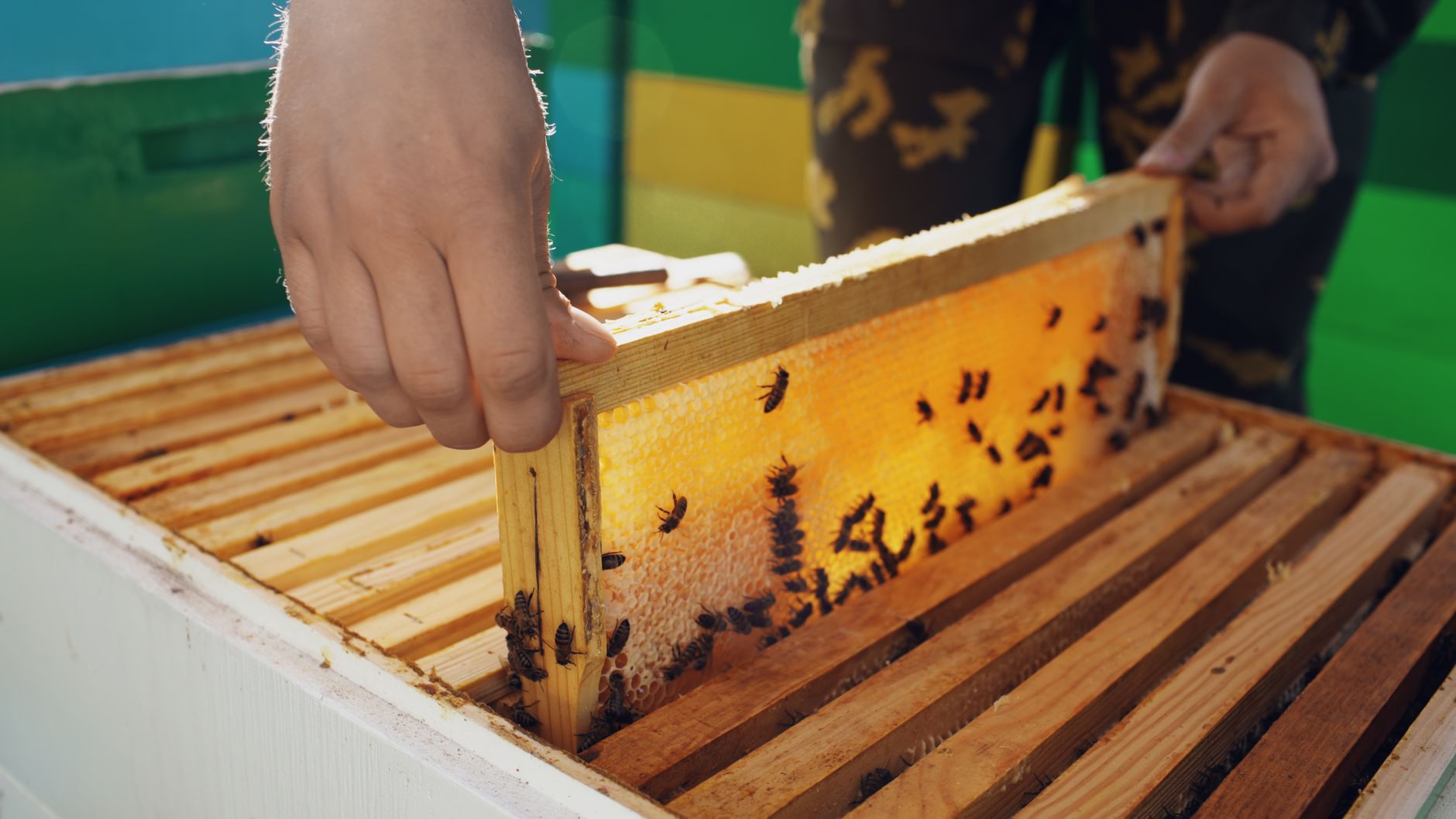
A practical guide to essential beekeeping resources: equipment, bees, learning materials, and costs for 2026, with realistic advice for new beekeepers.
Starting beekeeping is exciting, but the number of resources can be overwhelming. This guide cuts through the noise: here is exactly what you need to get your first hive going in 2026, what it costs, and where to learn without wasting money. You will need a hive, bees, protective gear, a smoker, a hive tool, and a few good books or courses, plus a local mentor if possible.
What You Need Before the Bees Arrive
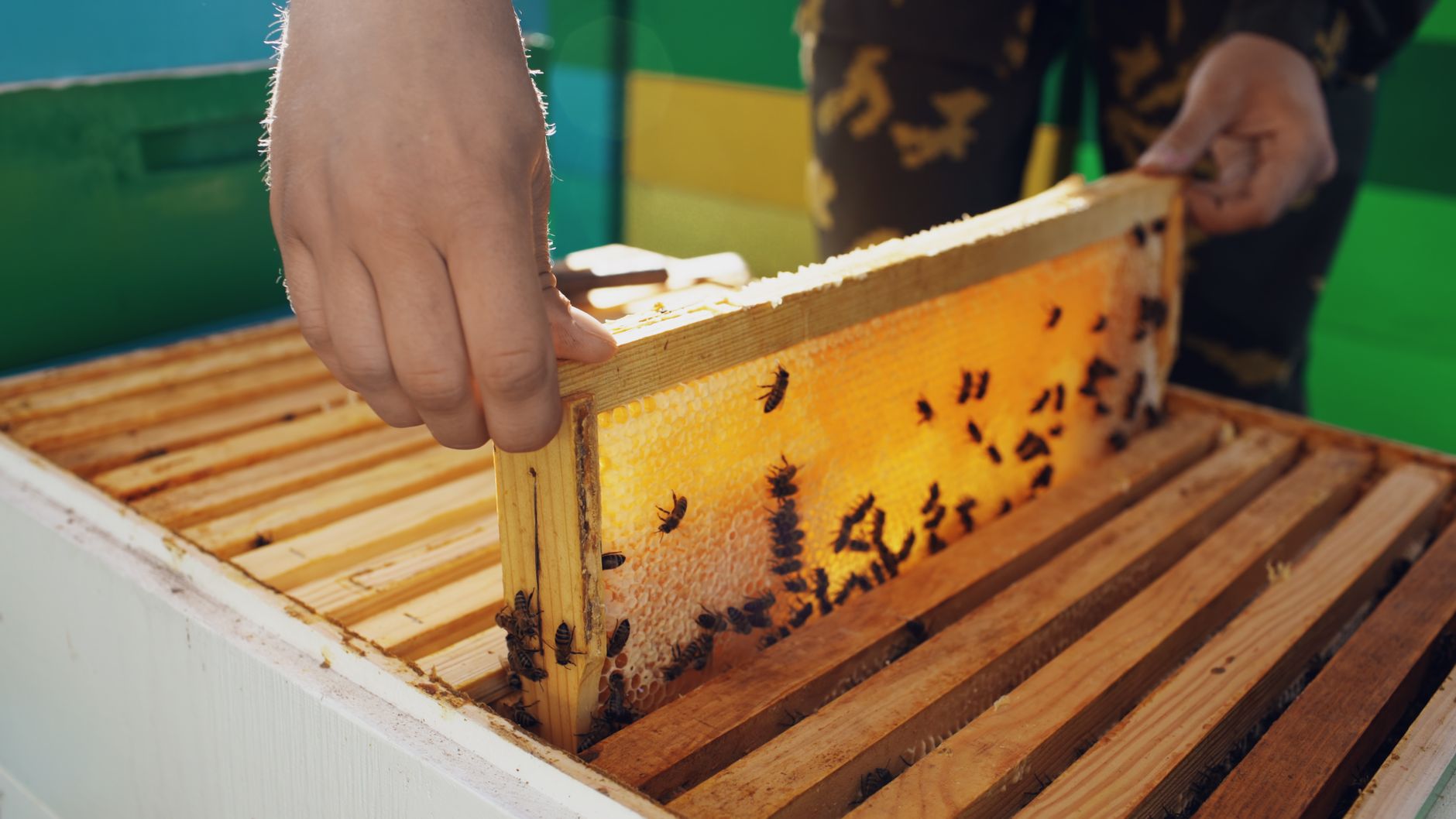
Before you order bees, have your equipment assembled and your apiary site ready. Bees arrive in spring (usually April or May in most zones), so plan ahead. Here is the checklist:
- Hive body: A standard Langstroth hive is the most common and easiest to find parts for. A complete 10-frame hive kit (boxes, frames, foundation, bottom board, inner cover, outer cover) costs $200 to $350. You can also buy used, but inspect for rot and cleanliness.
- Protective gear: A full suit with veil is $50 to $100. Gloves (leather or nitrile) are $15 to $30. A veil alone is $20 if you prefer a jacket. You do not need a full suit if you are gentle, but beginners should have one.
- Smoker: A stainless steel smoker costs $30 to $50. Use pine needles, burlap, or commercial smoker fuel. Practice lighting it before your bees arrive.
- Hive tool: A standard hive tool is $10 to $15. You will use it to pry frames apart and scrape propolis.
- Feeder: A frame feeder or entrance feeder is $10 to $20. You will need it to feed sugar syrup whe
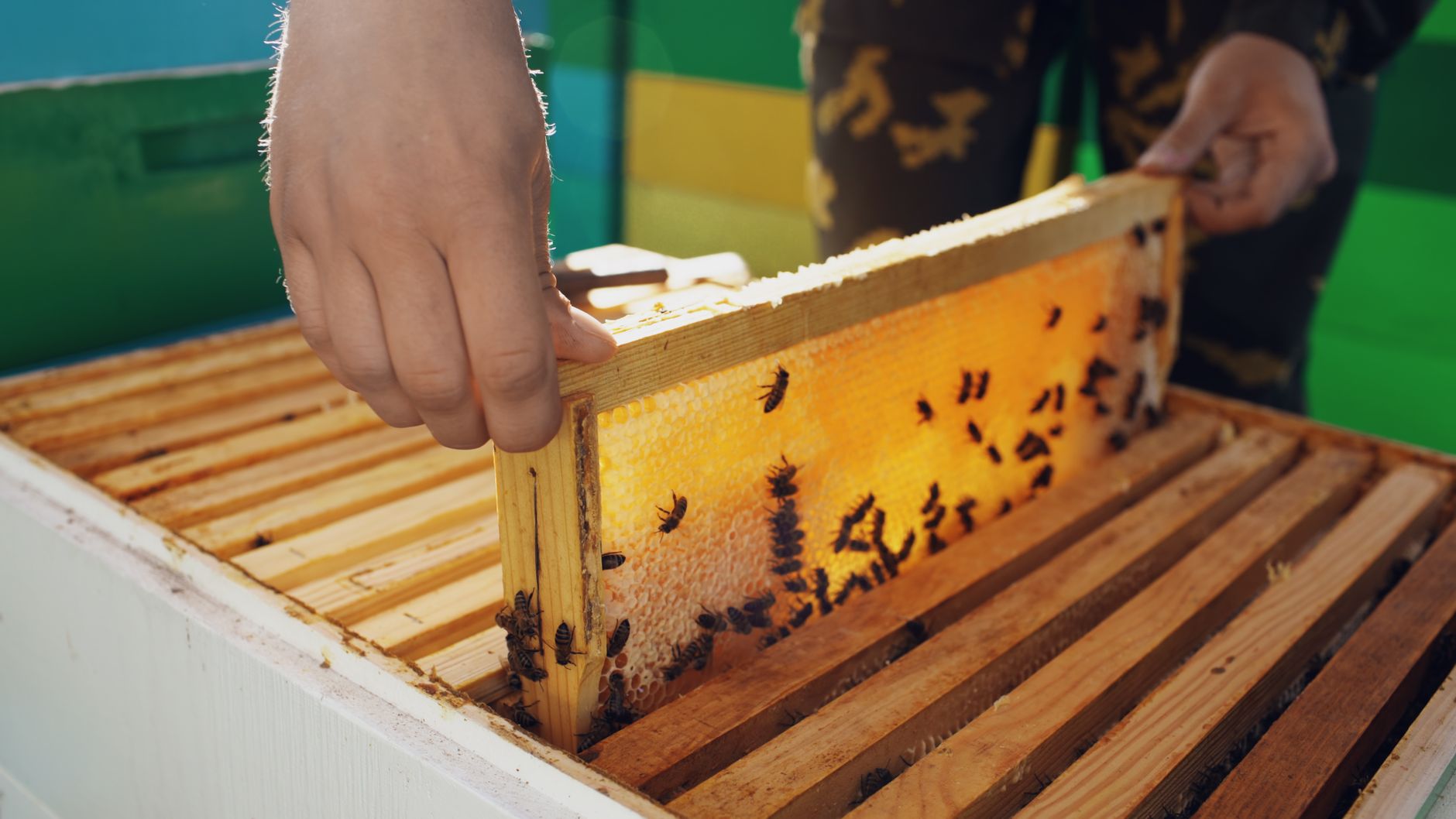 n you install your bees.
 - Bee brush: A soft brush is $8 to $12, useful for gently moving bees.
Where to Get Your Bees
You have three main options for acquiring bees in 2026:
- Package bees: A 3-pound package with a mated queen costs $150 to $200. This is the most common way for beginners. You shake the bees into your hive and introduce the queen in her cage.
- Nuc (nucleus): A 5-frame nuc with a laying queen, brood, and bees costs $180 to $250. This is easier because the colony is already established; you just transfer the frames into your hive.
- Swarm or local catch: Sometimes free, but risky for beginners because you do not know the health or temperament of the bees. If you have a mentor, this can be a great option.
Order your bees in January or February from a reputable supplier. Many local beekeeping associations have group buys that save money. Ask for local bees if possible; they are adapted to your climate.
Learning Resources: Books, Courses, and Mentors
You do not need a degree, but you do need basic knowledge before your bees arrive. Here are the most effective resources:
- Books: “Beekeeping for Dummies” (5th edition, 2020) is a practical start. “The Beekeeper’s Handbook” by Diana Sammataro is more detailed. Both cost $20 to $30. Read one cover to cover before spring.
- Online courses: The University of Florida offers a free online beekeeping course (UF/IFAS Extension). Also, the Honey Bee Health Coalition has free webinars. Paid courses from Betterbee or Mann Lake cost $50 to $100, but many are not worth it if you have a good book.
- Local beekeeping association: This is your best resource. Dues are $20 to $50 per year. You get a mentor, monthly meetings, and often access to equipment and bees. Find your state association through Bee Culture magazine’s directory.
- YouTube channels: Look for University of Guelph’s beekeeping videos or the Honey Bee Health Coalition’s channel. They are free and accurate. Avoid flashy channels that promise unrealistic results.
Setting Up Your Apiary: Location and Timing
Place your hive in a spot with morning sun, afternoon shade in hot climates, and a windbreak. Face the entrance south or southeast. Keep it away from high traffic areas and livestock. Elevate the hive on cinder blocks or a stand to keep it dry and deter skunks.
In most of the US (zones 4 to 8), install bees in April or May when temperatures are consistently above 50°F at night. In warmer zones (9 and 10), you can start in February or March. Check your local frost dates and the bloom of early nectar sources like dandelions and fruit trees.
First-Year Costs and Time Commitment
Here is a realistic budget for your first year (2026 prices):
| Item | Cost Range |
|---|---|
| Hive kit (10-frame) | $200 - $350 |
| Bees (package or nuc) | $150 - $250 |
| Protective gear | $50 - $100 |
| Smoker, hive tool, feeder | $50 - $80 |
| Books and association dues | $50 - $100 |
| Sugar for syrup (first year) | $20 - $40 |
| Total | $520 - $920 |
Time: Plan for 1 to 2 hours per week during the active season (spring to fall). Inspections every 7 to 10 days, plus feeding and maintenance. In winter, you will spend almost no time, just checking entrances and weight.
Common Beginner Mistakes to Avoid
- Over-inspecting: Opening the hive too often stresses bees and slows growth. Inspect only when necessary, and always look for signs of disease.
- Feeding too much or too little: Feed 1:1 sugar syrup in spring to stimulate growth, 2:1 in fall to build stores. Stop feeding when nectar flows are strong.
- Ignoring varroa mites: Treat for varroa in late summer. Use an integrated pest management approach: monitor with a sticky board, and treat with oxalic acid or formic acid if levels are high. Skipping treatment is the top reason new hives die.
- Harvesting too soon: Do not take honey in the first year. Your bees need it to survive winter. Wait until the second year, and only take surplus.
FAQ
Q: Do I need a permit to keep bees?
A: Many cities and counties require registration or have ordinances. Check with your local agriculture extension office. Some areas limit the number of hives per lot. It is your responsibility to comply.
Q: Can I keep bees in a small backyard?
A: Yes, as long as you have a few square feet of space. Bees fly up to 3 miles, so they will find forage. Ensure the hive entrance is not facing a sidewalk or neighbor’s door. A 6-foot fence can encourage bees to fly above head height.
Q: What if I get stung?
A: Most stings are minor. Wear your suit and gloves. If you are allergic, carry an epinephrine auto-injector and tell a family member. Learn to work calmly and avoid crushing bees. Stings are part of beekeeping, but they become rare as you gain experience.
Q: How long until I get honey?
A: In most climates, you can expect your first harvest in the second year, typically 20 to 40 pounds per hive. The first year is about building a strong colony. Some southern beekeepers get a small harvest in the first fall, but do not count on it.
The Bottom Line
Start with a solid foundation: a Langstroth hive, a package or nuc of local bees, and a good book. Join your local beekeeping association and find a mentor. Budget $600 to $900 for your first year. Do not rush: learn to manage varroa mites and feed wisely. With patience, your hive will thrive, and you will enjoy your own honey in year two. The best resource is experience, so get started this spring.