Chickpeas vs garbanzo
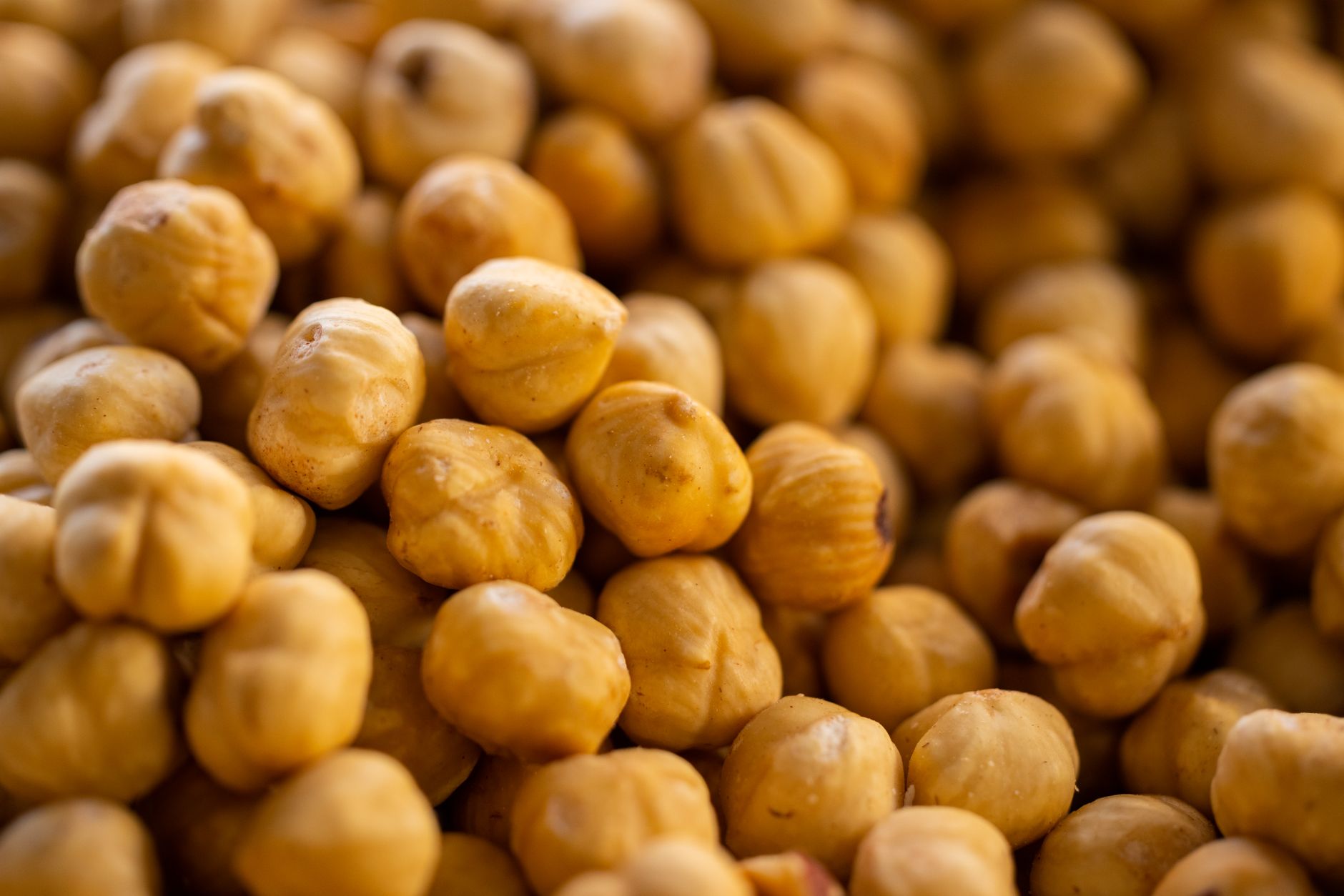
Chickpeas and garbanzo beans are the same legume. Learn the difference, best varieties for US gardens, planting dates, yields, and harvest tips.
Chickpeas and garbanzo beans are the same plant: Cicer arietinum. The names are interchangeable, though “garbanzo” is more common in Spanish-speaking regions and “chickpea” in English. For gardeners, the choice of name doesn’t matter; what matters is choosing the right variety for your climate and knowing when to plant. This guide covers both, with real dates and numbers for US zones.
What’s in a name?
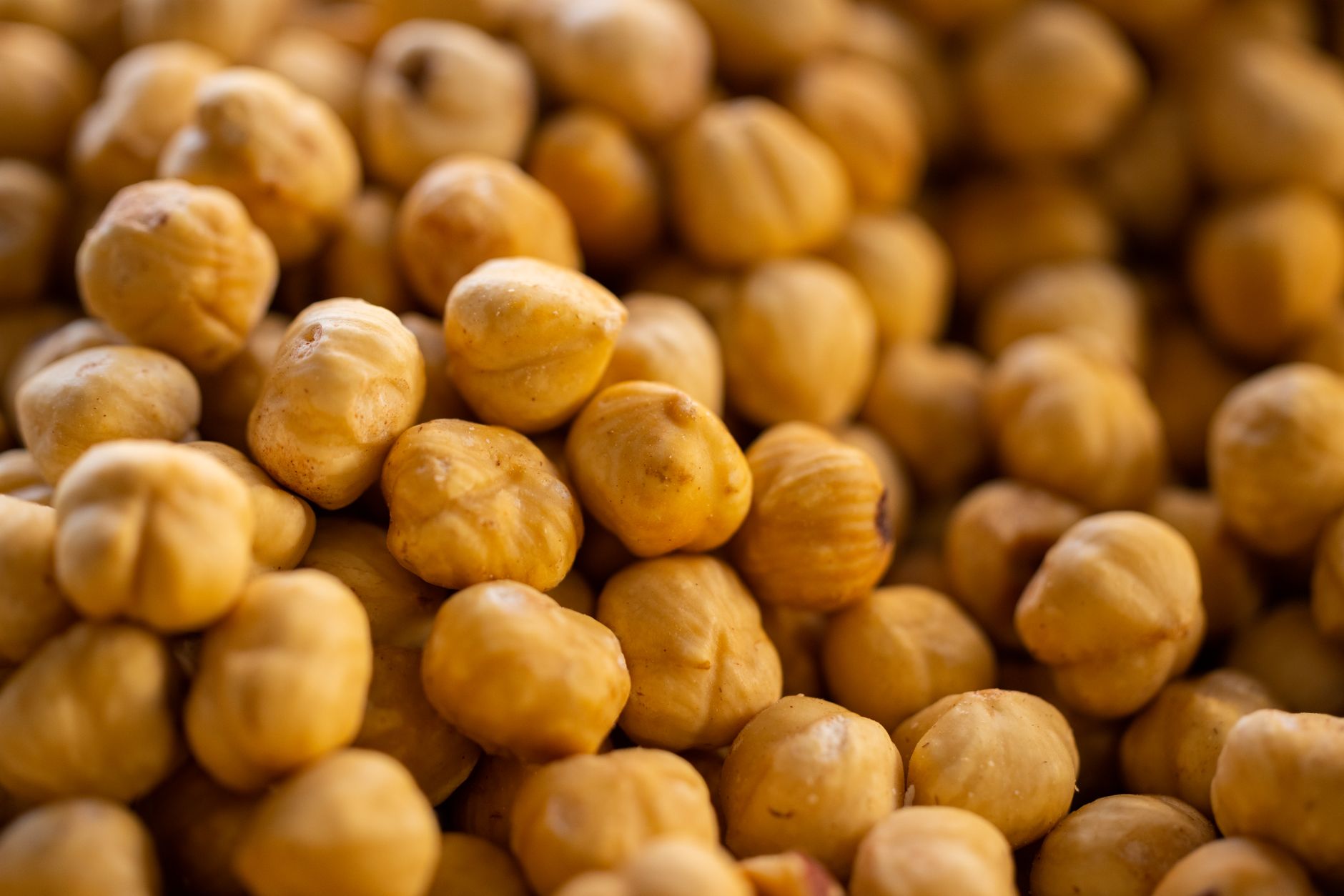
Both names refer to the same legume. “Garbanzo” comes from Spanish, “chickpea” from the Latin Cicer. In the US, canned goods often say “garbanzo beans,” while dried bags say “chickpeas.” There is no botanical difference. If you see “desi” or “kabuli” types, those are two market classes: desi are smaller, darker, and more common in Indian cooking; kabuli
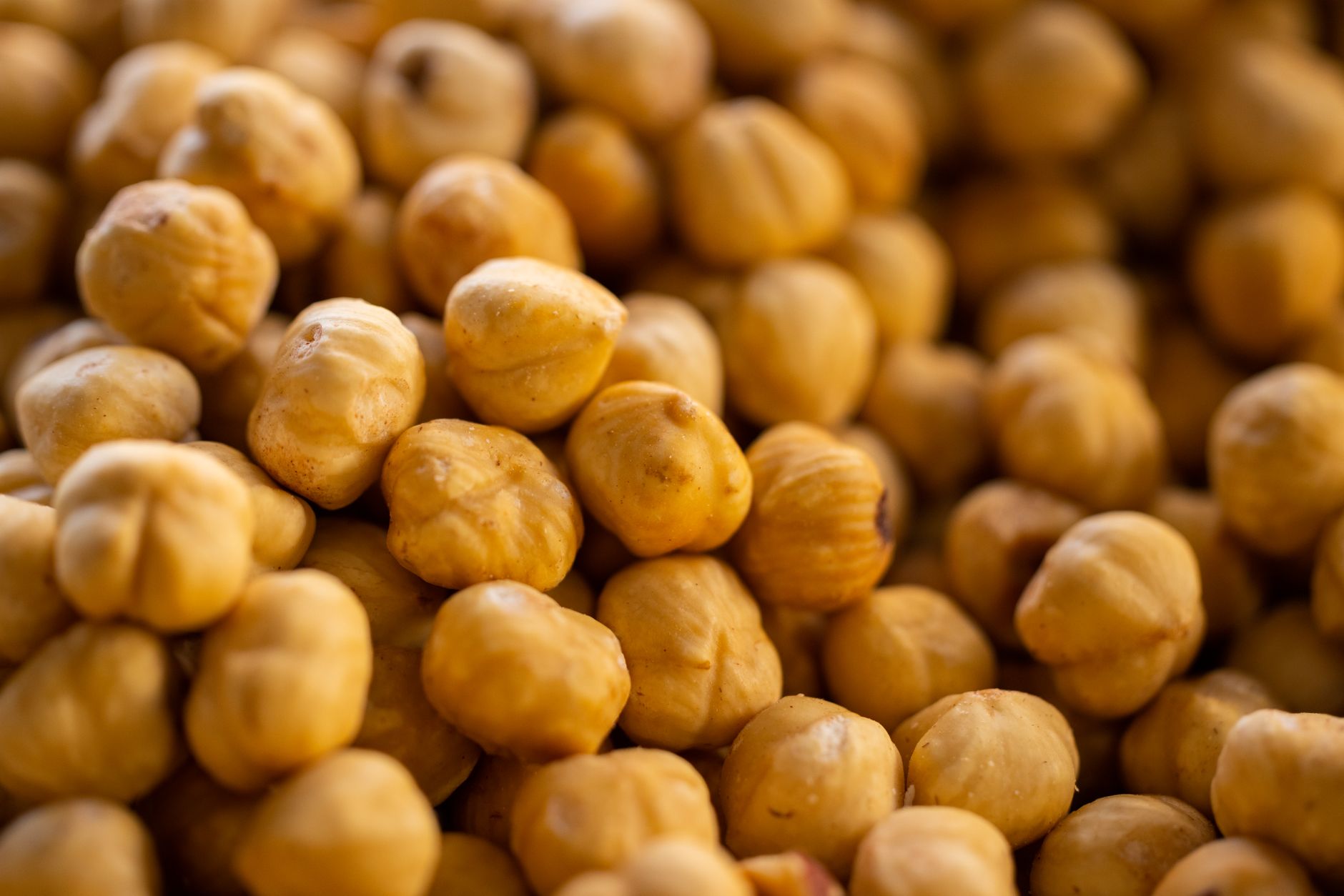 are larger, cream-colored, and what most Americans buy. Both grow the same way.
Why grow your own?
Homegrown chickpeas cost about $2 to $3 per pound of dried beans, compared to $3 to $5 per pound in stores (2026 prices). More importantly, they taste fresher and you control the drying. But chickpeas are not a high-yield crop: expect 1 to 2 pounds of dried beans per 10-foot row. That’s fine for a homestead, not for a market farm.
Choosing a variety
For US gardens, stick with short-season varieties. Chickpeas need 90 to 110 days to mature, and they stop setting pods when temperatures exceed 85°F. In hot zones (7 and warmer), plant early spring or fall. In cool zones (3 to 6), plant as soon as soil can be worked.
| Variety | Type | Days to Maturity | Best Zones | Notes |
|---|---|---|---|---|
| ‘Sierra’ | Kabuli | 95 | 3-8 | Reliable, large beans |
| ‘Dwelley’ | Kabuli | 100 | 3-8 | Good for short seasons |
| ‘Black Kabouli’ | Kabuli | 105 | 4-9 | Dark seed coat, drought tolerant |
| ‘Desi’ (e.g., ‘Myles’) | Desi | 90 | 3-7 | Small, nutty, good for flour |
Buy seed from a reputable source like Johnny’s Selected Seeds or Territorial Seed Company. A 1-pound bag costs $8 to $12 and plants about 50 feet.
Planting dates by zone
Chickpeas are cool-season legumes. They germinate in soil as cold as 40°F, but do best at 50 to 60°F. They tolerate light frost, but not hard freezes.
| USDA Zone | Spring Planting | Fall Planting |
|---|---|---|
| 3-4 | Late April to early May | Not recommended |
| 5-6 | Mid-April to early May | Not recommended |
| 7-8 | Early March to April | Late August to September |
| 9-10 | February to March | October to November |
In zones 7 and warmer, fall planting often yields better because plants mature in cooler weather.
Soil preparation and planting
Chickpeas like well-drained soil with a pH of 6.0 to 7.5. They fix their own nitrogen, so do not add high-nitrogen fertilizer; that will produce leaves, not pods. Work in 1 to 2 inches of compost before planting.
Plant seeds 1 to 2 inches deep, 4 to 6 inches apart, in rows 18 to 24 inches apart. After planting, water gently to settle soil. Germination takes 10 to 14 days.
Care during the season
Water deeply once a week, about 1 inch total. Too much water causes root rot; too little stops pod set. Mulch with straw to keep soil cool and retain moisture.
Weeds are your biggest competitor. Hand-pull or hoe shallowly, as chickpea roots are shallow. Once plants are 6 inches tall, they shade out most weeds.
No fertilizer needed after planting. If leaves yellow, a foliar spray of liquid seaweed can help, but it’s rarely necessary.
Harvesting and drying
Chickpeas are ready when the lower pods are brown and dry, and the seeds rattle inside. This usually happens 90 to 110 days after planting. Pull up the whole plant and hang it upside down in a dry, airy place for 2 to 3 weeks. Then thresh by beating the plants inside a large bag or on a tarp.
To store, dry the beans further until they crack when bitten. Then keep in airtight jars. A 10-foot row yields about 1 to 2 pounds of dried chickpeas. That’s enough for 4 to 8 meals.
Cooking and using
Dried chickpeas need soaking. Soak overnight, then simmer for 1.5 to 2 hours. One cup of dried beans yields about 3 cups cooked. They freeze well after cooking.
Common problems
- Aphids: Spray with a strong jet of water or insecticidal soap.
- Fusarium wilt: Rotate crops; do not plant chickpeas in the same spot more than once every 3 years.
- Poor pod set: Usually caused by heat above 85°F or lack of water. Plant earlier or later.
FAQ
Can I eat chickpeas fresh? Yes, you can eat them green, like snap peas, but they are more fibrous. Most people prefer dried.
Do chickpeas need a trellis? No, they are bush plants, 12 to 20 inches tall. They stand on their own.
Can I grow chickpeas in containers? Yes, use a 5-gallon pot with drainage, 1 to 2 plants per pot. Expect lower yields.
Are chickpeas frost hardy? They tolerate light frost (down to 28°F) but not hard freezes. In cold zones, plant after last frost date.
The bottom line
Chickpeas and garbanzo beans are the same crop. Grow them if you have cool spring weather and patience. Plant short-season varieties, keep soil moist but not wet, and harvest when pods are dry. Expect modest yields, but the flavor is worth it. Start with a 10-foot row and see how they do in your garden.