Chickpeas vs black beans
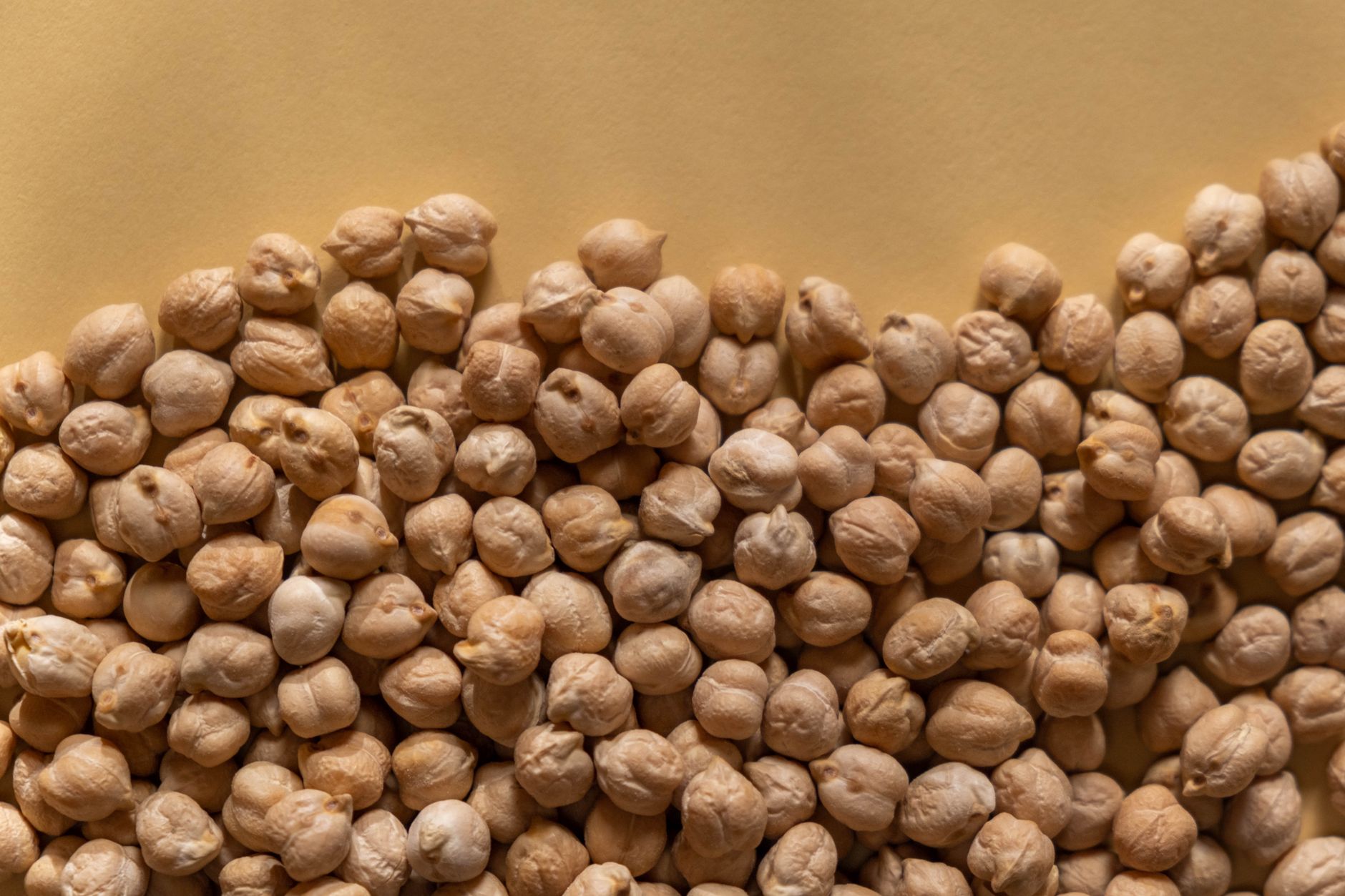
Compare chickpeas and black beans for your garden: climate, yield, soil, and harvest tips. Choose the right legume for your zone.
Chickpeas and black beans are both rewarding legumes, but they have different needs and yields. Chickpeas thrive in cool, dry conditions, while black beans need warm soil and a longer season. Choose based on your climate and space: chickpeas for short, cool summers; black beans for hot, long summers. This guide breaks down the key differences so you can pick the right one for your garden.
Climate and growing season
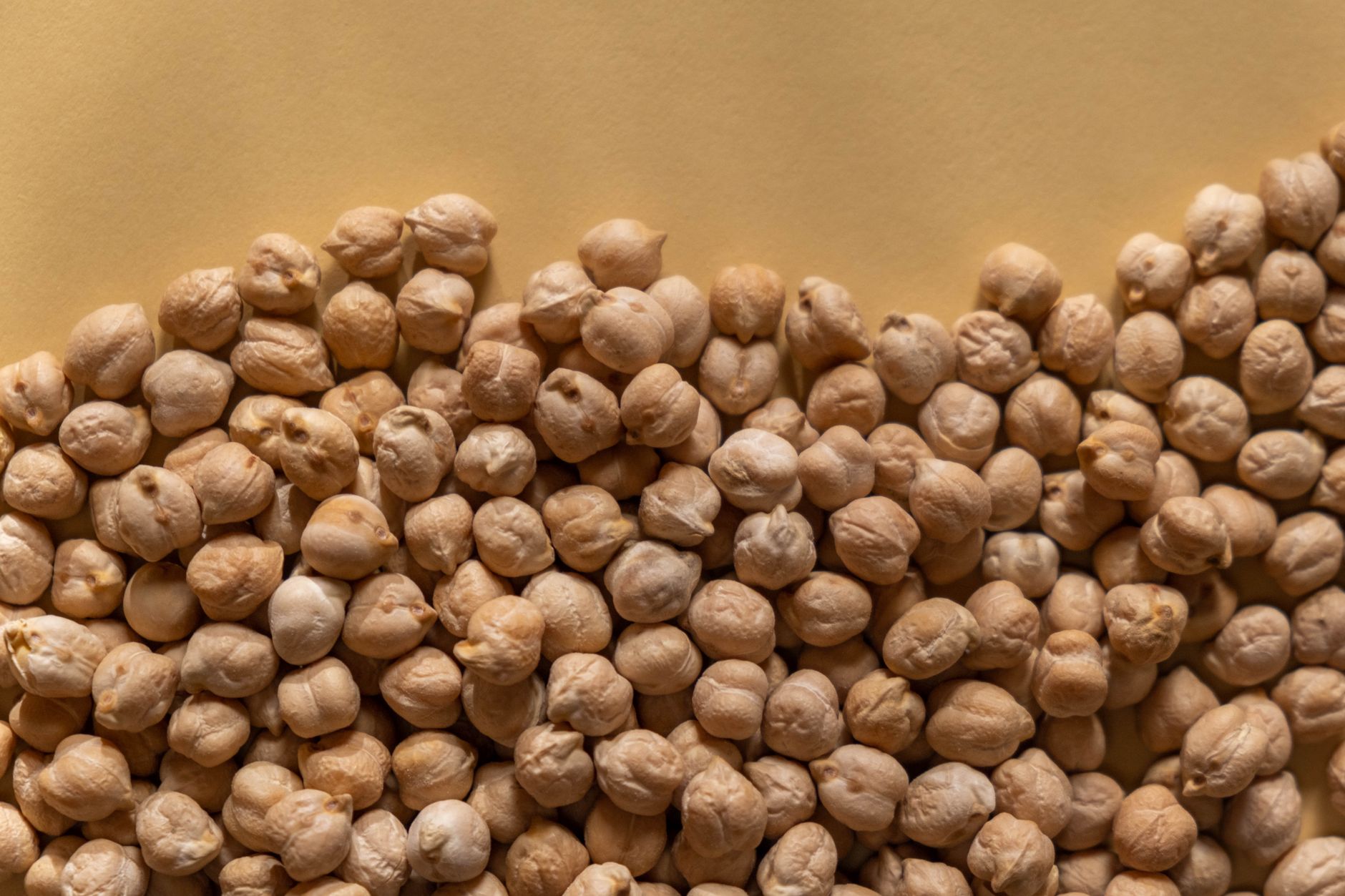
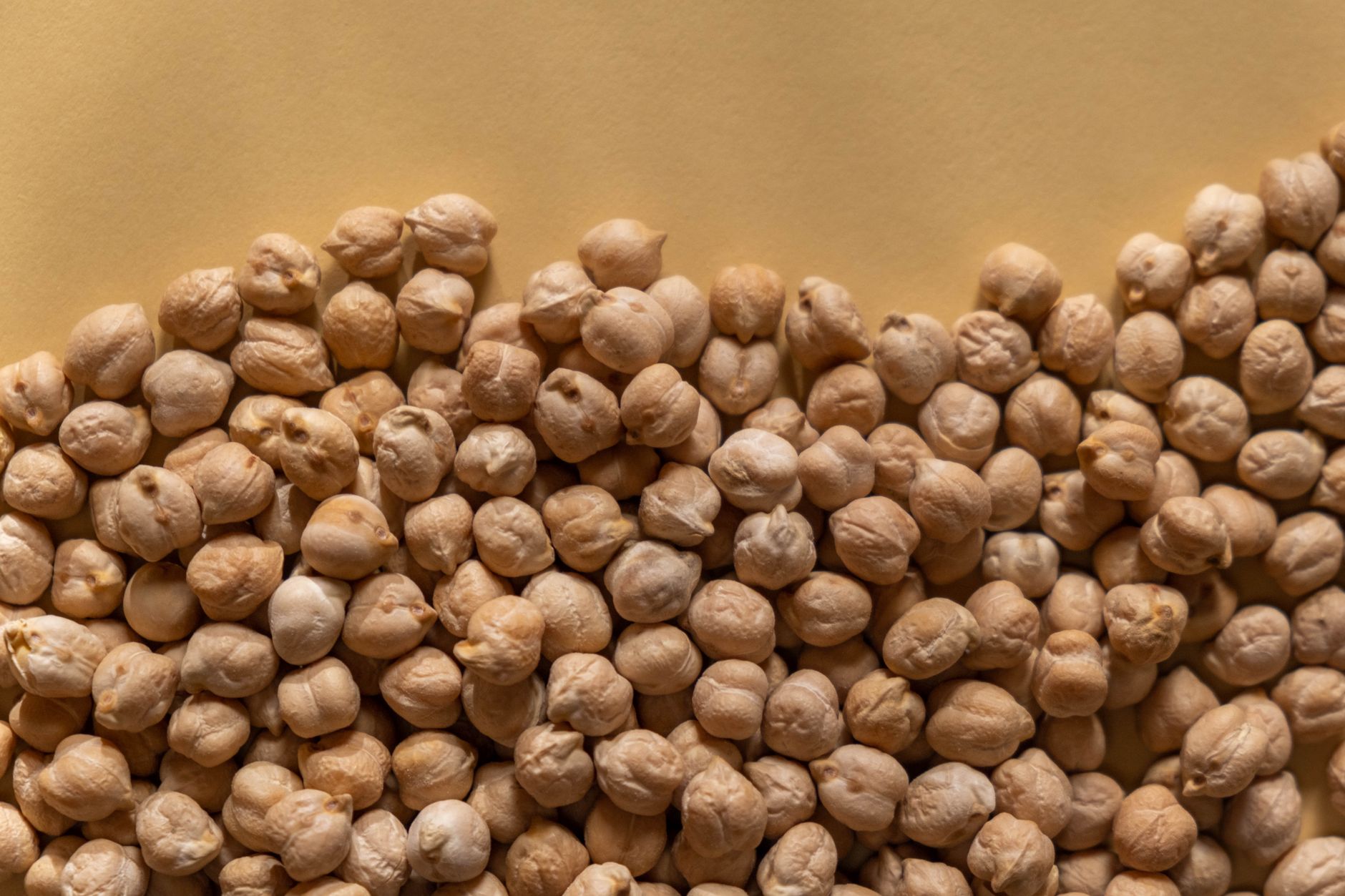
Chickpeas (Cicer arietinum) are a cool-season crop. They germinate in soil as cool as 45°F and handle light frosts. They stop setting pods when daytime temperatures consistently exceed 85°F. In USDA zones 3-7, plant chickpeas 2-3 weeks before your last frost date. In zones 8-10, plant them in fall for a winter harvest.
Black beans (Phaseolus vulgaris) are warm-season. They need soil at least 60°F for germination and grow best when temperatures stay between 70°F and 90°F. They are frost-sensitive. Plant black beans after the last frost, when soil has warmed. They need 90-120 days to mature, so i
 n zones with short summers (zone 3-4), choose early varieties or start seeds indoors.
Soil and water needs
Both legumes prefer well-drained soil with a pH between 6.0 and 7.0. Chickpeas are more drought-tolerant once established. They do not like heavy clay or excessive rain. Overwatering leads to root rot. Black beans need consistent moisture, especially during flowering and pod set. They can handle heavier soils but still need good drainage.
Planting and spacing
Chickpeas:
- Direct sow seeds 1-2 inches deep, 3-4 inches apart, in rows 18-24 inches apart.
- Inoculate with Rhizobium bacteria specific to chickpeas (available at garden centers) to boost nitrogen fixation.
- Germination takes 10-14 days.
Black beans:
- Direct sow seeds 1-2 inches deep, 2-3 inches apart, in rows 24-36 inches apart.
- Inoculate with bean inoculant (for Phaseolus) to improve yields.
- Germination takes 7-10 days.
Varieties to try
Chickpeas:
- ‘Sierra’ (65-70 days to maturity, compact, good for short seasons)
- ‘Tyson’ (90 days, large seeds, high yield)
- ‘Kabuli’ (the common large cream-colored chickpea, needs 100+ days)
Black beans:
- ‘Black Magic’ (75 days, reliable, good for short seasons)
- ‘Black Turtle’ (90 days, classic variety, vigorous)
- ‘Midnight’ (85 days, disease-resistant)
Yield expectations
Realistic yields per 10-foot row:
- Chickpeas: 0.5-1 pound of dried beans (about 1/2 to 1 cup per plant)
- Black beans: 1-2 pounds of dried beans (about 1 cup per plant)
Black beans generally produce more per square foot, but chickpeas fetch a higher price at market (see below).
Harvest and storage
Chickpeas:
- Harvest when the lower pods are dry and brown, and the seeds rattle inside. Pull up the whole plant and hang it in a dry, airy place for 1-2 weeks if needed.
- Shell by hand or beat the plants in a bag. Winnow to remove chaff.
- Dry completely before storing in airtight containers.
Black beans:
- Harvest when the pods are dry and brittle. Pick pods or pull up the whole plant.
- Shell and dry the beans as above.
- Both store well for years if kept cool and dry.
Cost comparison (2026 prices)
- Chickpea seeds: $5-$10 per pound (about 100 seeds).
- Black bean seeds: $3-$6 per pound (about 100 seeds).
- Dried chickpeas at retail: $2.50-$4 per pound.
- Dried black beans at retail: $1.50-$3 per pound.
If you sell at a farmers market, chickpeas can bring $4-$6 per pound, black beans $3-$5 per pound.
Pest and disease notes
Chickpeas: watch for Ascochyta blight (leaf spots and stem lesions) in humid conditions. Use resistant varieties and avoid overhead watering. Aphids can be washed off with a strong spray.
Black beans: common issues are bean beetles and powdery mildew. Rotate crops and provide good air circulation. Use neem oil for beetles if needed.
Which should you grow?
Choose chickpeas if you have a cool, dry climate (zones 3-7) and want a specialty crop. They need less water and tolerate light frosts. Choose black beans if you have a warm, humid climate (zones 7-10) and want higher yields. They are easier to grow for beginners.
FAQ
Can I grow chickpeas in a hot climate? Yes, but only as a fall or winter crop in zones 8-10. Plant them 8-10 weeks before your first frost date. They will mature in cooler weather.
Do black beans need trellising? Most black bean varieties are bush beans, so they do not need trellising. They grow 18-24 inches tall and support themselves.
How long do dried beans last? If stored in a cool, dark, airtight container, both chickpeas and black beans can last 2-3 years. Older beans take longer to cook.
Can I save seeds from my harvest? Yes. Save seeds from the best plants. Make sure they are fully dry. Store in a labeled envelope in a cool place. They will remain viable for 2-4 years.
The bottom line
Both chickpeas and black beans are worthwhile garden crops. Chickpeas suit cool, dry climates and offer a premium price. Black beans give higher yields and are easier for beginners in warm areas. Match the crop to your climate, plant at the right time, and you will have a satisfying harvest. Start with a small plot this season to learn the ropes, then expand next year.