Chickpeas vs beans
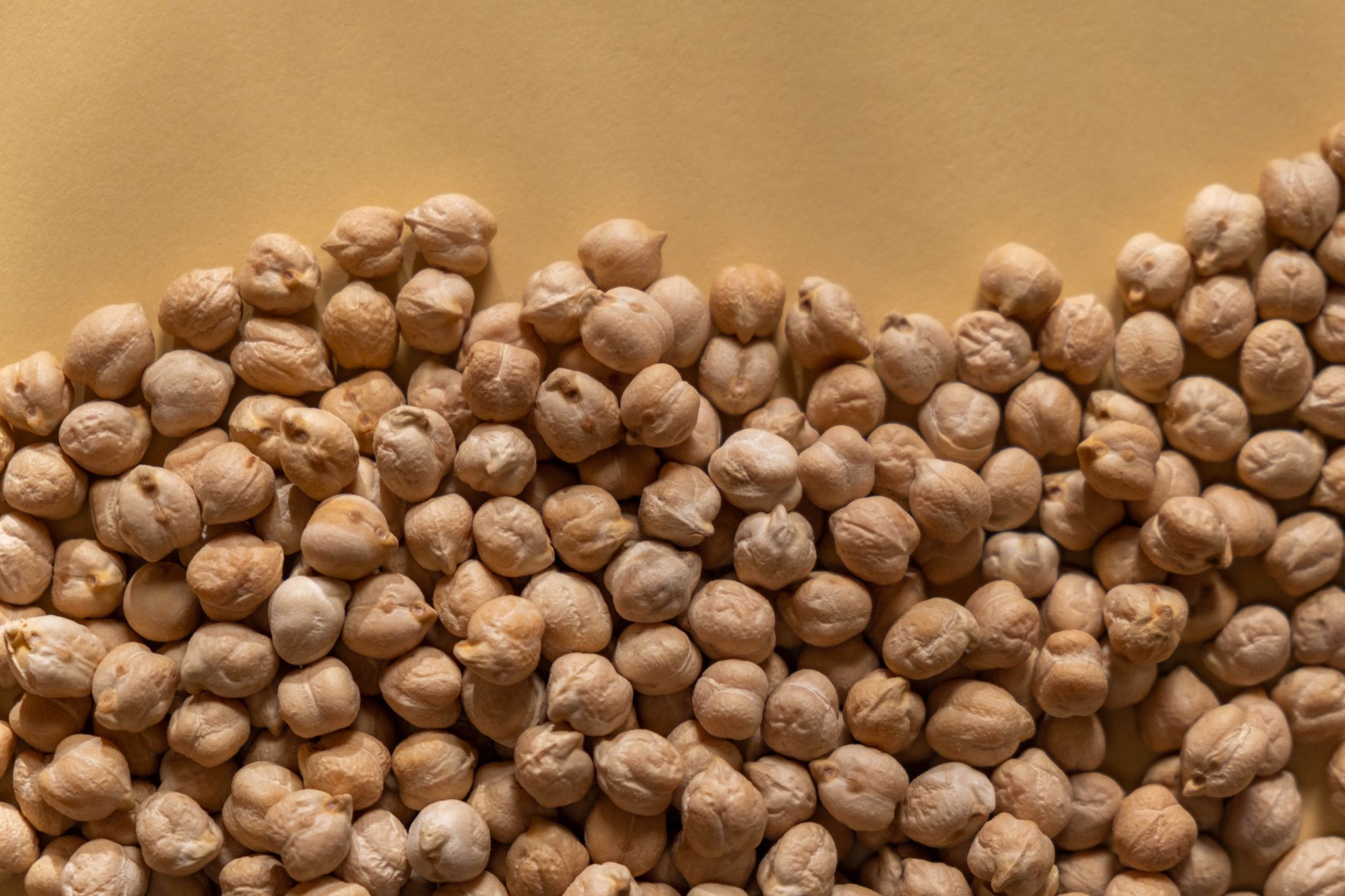
Compare chickpeas and beans for your garden: climate needs, yields, harvest effort, and cooking differences. Choose the right legume for your homestead.
If you are deciding between chickpeas and beans for your garden, the short answer is: grow beans if you want reliable yields and easy harvest, grow chickpeas if you have a long, dry season and you value their unique flavor and high protein. Both are nitrogen fixers, but they have different climate needs, harvest methods, and kitchen uses. Here is the straight comparison so you can choose what fits your land and your table.
Climate and growing season
Chickpeas (Cicer arietinum) are a cool-season crop that needs a long, dry growing period. They do best in USDA zones 7-10, planted in early spring (March to April) or fall (September to October) in mild-winter areas. They stop setting pods when temperatures exceed 85°F, so they are not for hot, humid summers. Beans, on the other hand, are warm-season crops. Bush beans and pole beans (Phaseolus vulgaris) thrive in zones 3-10, planted after the last frost (May to June) and maturing in 50-70 days. They handle heat and humidity better, though extreme heat (above 90°F) can reduce pod set.
If you have a short summer, beans win. If you have a Mediterr
 anean-like climate with dry springs and mild summers, chickpeas can work.
Planting and spacing
Chickpeas: direct sow seeds 1-2 inches deep, 4-6 inches apart, in rows 18-24 inches apart. They do not transplant well, so sow where they will grow. Soil temperature should be at least 45°F. They prefer well-drained, sandy loam with a pH of 6.0-7.5. Do not overwater; they are drought-tolerant once established.
Beans: bush beans sow 1 inch deep, 2-4 inches apart, rows 18-24 inches apart. Pole beans need trellising: sow 3-4 inches apart at the base of a 6-foot trellis, rows 30-36 inches apart. Soil temperature at least 60°F. They need consistent moisture, especially at flowering.
Yield and harvest effort
Beans are the clear winner on yield and ease. A 10-foot row of bush beans yields 4-6 pounds of fresh pods, or about 1-2 pounds of dried beans. Pole beans yield more: 8-10 pounds fresh from the same row. Harvest fresh beans every 2-3 days; for dry beans, wait until pods are fully dry and brittle, then shell.
Chickpeas yield less: a 10-foot row gives about 1-2 pounds of dried chickpeas. Harvest is more labor-intensive: you must pull the whole plant, dry it for 2-3 weeks, then thresh and winnow. Expect to spend an afternoon per 50-foot row. Fresh green chickpeas can be eaten like edamame, but that is a niche treat.
Nutritional and culinary differences
Both are high in protein and fiber, but chickpeas have more calories and folate, while beans are higher in iron and potassium. In the kitchen, chickpeas hold their shape well, making them ideal for salads, hummus, and roasting. Beans are more versatile: they mash easily for refried beans, soups, and chili. Dried chickpeas need soaking overnight and cooking for 1.5-2 hours; beans cook faster, about 1 hour for most varieties. Canned versions are convenient but cost more per pound.
Cost and seed availability
Chickpea seed is pricier and harder to find locally. A 1-pound bag of chickpea seed costs $8-12, enough for a 50-foot row. Bean seed is cheaper and more available: $3-5 for a 1-pound bag of bush beans, $5-8 for pole beans. In 2026, dried chickpeas retail for $2.50-3.50 per pound, while dried beans run $1.50-2.50 per pound. Growing your own saves money only if you value organic or specialty varieties.
Varieties to try
Chickpeas: ‘Sierra’ (short season, 90 days), ‘Black Kabuli’ (dark, nutty), ‘Desi’ types like ‘Myles’ (smaller, more drought-tolerant). Beans: ‘Provider’ (bush, 50 days, reliable), ‘Blue Lake 274’ (pole, 60 days, classic), ‘Rattlesnake’ (pole, heat-tolerant, 70 days).
FAQ
Can I grow chickpeas in a humid climate?
It is risky. High humidity promotes fungal diseases like Ascochyta blight. If you try, choose ‘Sierra’ and ensure excellent air circulation. You may get a small harvest, but beans are a safer bet.
Do chickpeas fix nitrogen like beans?
Yes, both fix nitrogen, but chickpeas are less efficient. They nodulate with a different rhizobium strain, so you may need to inoculate seeds with the specific inoculant for chickpeas. Beans inoculate more readily.
Which is better for storing?
Both store well if dried completely. Chickpeas have a longer shelf life (up to 3 years) if kept in airtight containers in a cool, dark place. Beans last 1-2 years before losing quality.
Can I eat fresh chickpeas?
Yes, green chickpeas are edible raw or lightly steamed, similar to edamame. They are a delicacy but yield little per plant, so most gardeners let them dry.
The bottom line
For most gardeners, beans are the practical choice: higher yields, easier harvest, and more forgiving climate needs. Chickpeas are worth growing if you have a long, dry season and you want a specialty crop for hummus or roasting. Start with beans for reliable food, then experiment with a short row of chickpeas if you have the space and patience. Either way, you are adding nitrogen to your soil and protein to your pantry.