Best way to support pole beans
Learn the best way to support pole beans with sturdy trellises, proper spacing, and varieties that climb. Get real tips for a productive harvest.
The best way to support pole beans is with a sturdy, 6 to 8 foot tall trellis that allows the vines to climb naturally. Use a cattle panel, a wooden A-frame, or a wire mesh trellis, and space your beans 3 to 4 inches apart in rows or along the base. This method maximizes yield, makes harvesting easy, and prevents disease by improving air circulation.
Why Support Matters
Pole beans are vigorous climbers that can reach 8 to 10 feet. Without support, they sprawl on the ground, which leads to tangled vines, rotting pods, and more pest damage. A good tr
 ellis keeps the plants upright, making it easier to pick beans and extending your harvest window.
Choosing the Right Trellis
You have several options, each with pros and cons. The key is to pick something sturdy enough to handle the weight of mature vines, especially when loaded with pods.
Cattle Panel Trellis
A 16-foot cattle panel (about $25 to $35 at farm supply stores) is a favorite among gardeners. It is made of heavy wire, stands about 5 feet tall, and can be arched or set upright. The grid is perfect for beans to grip.
- Pros: Very sturdy, long-lasting (10+ years), easy to harvest through the grid.
- Cons: Requires two people to move, may need T-posts for extra support.
Wooden A-Frame
Build an A-frame with 2x2 or 2x4 lumber, about 6 to 8 feet tall. Use galvanized screws or nails. String twine or attach netting between the sides.
- Pros: Customizable, attractive, can be taken down and stored.
- Cons: More work to build, lumber costs around $30 to $50.
Wire Mesh or Netting
Use 6-inch mesh concrete reinforcing wire (about $20 for a 5-foot by 150-foot roll) or nylon netting. Attach to wooden posts or a fence.
- Pros: Cheap, easy to install, works well for small spaces.
- Cons: Netting can sag under heavy loads, mesh may be too small for easy harvesting.
Teepee
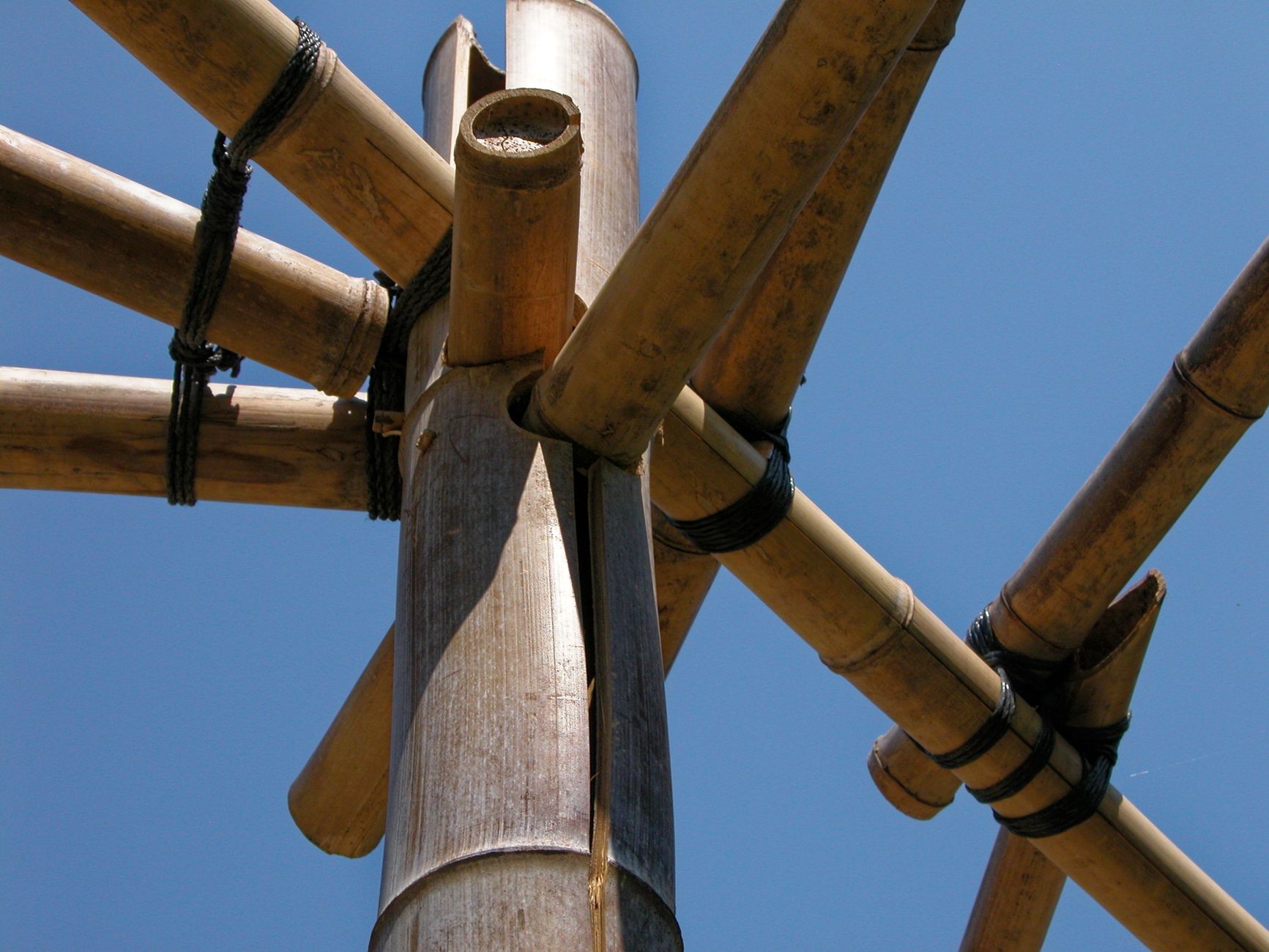
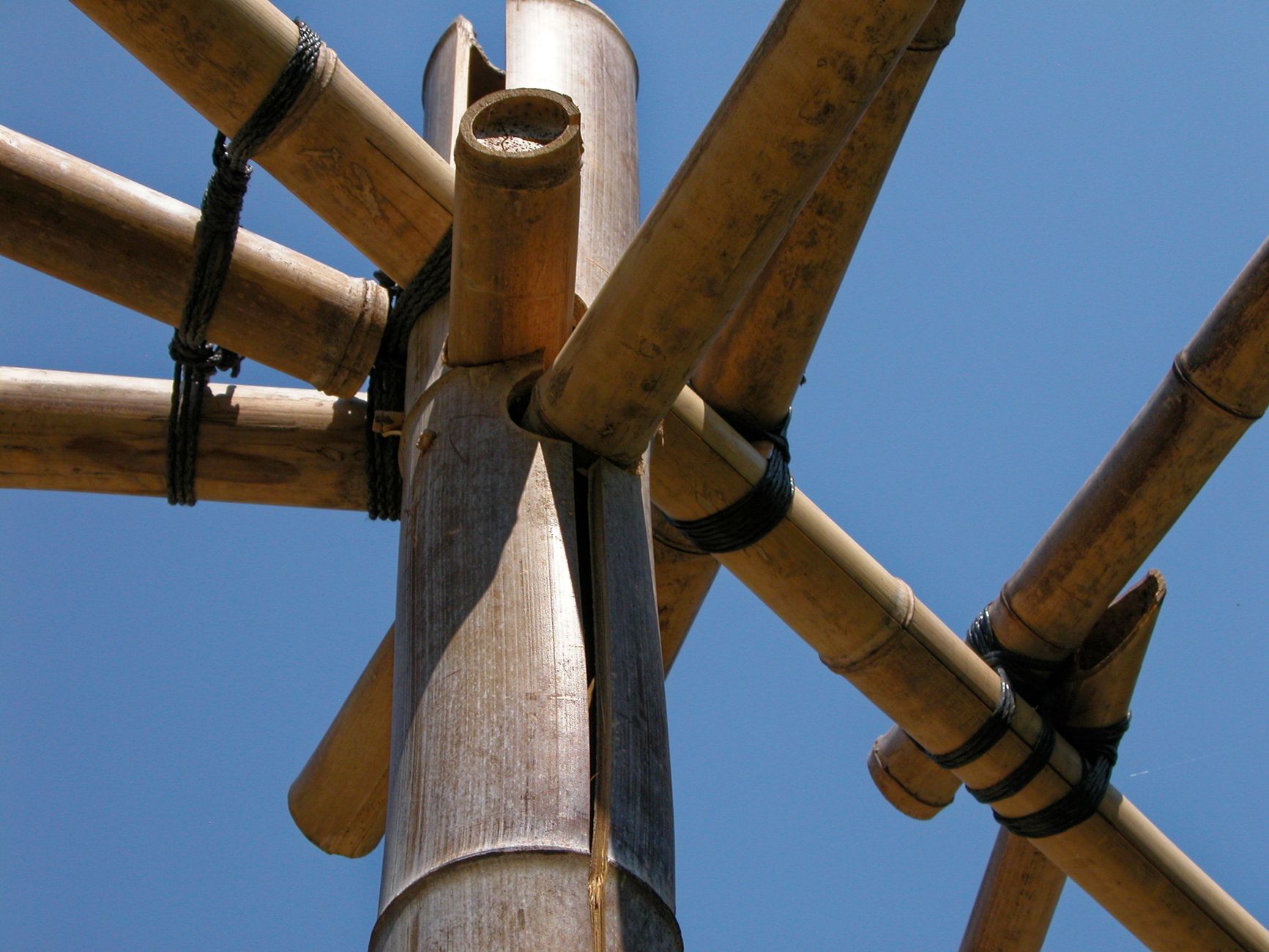
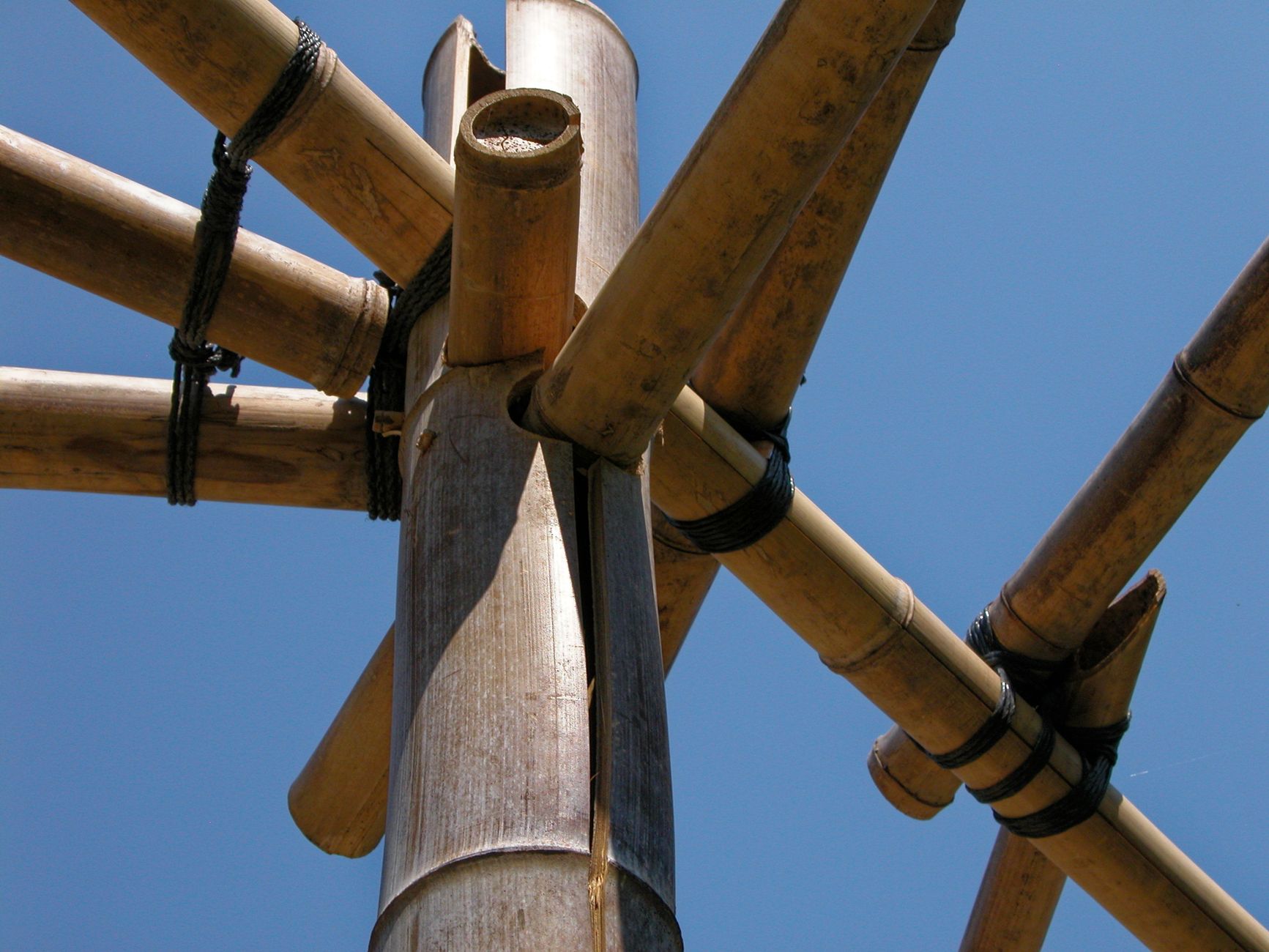
A classic teepee made of 3 or 4 poles, 6 to 8 feet tall, tied at the top. Use bamboo, cedar, or metal poles.
- Pros: Simple, portable, good for a few plants.
- Cons: Not as space-efficient, can blow over in wind if not anchored.
Setting Up Your Trellis
- Location: Choose a spot with full sun (at least 6 to 8 hours) and well-drained soil.
- Install before planting: Set up the trellis before you sow seeds so you don’t disturb roots later.
- Anchor securely: For cattle panels, drive T-posts every 4 to 6 feet and wire the panel to them. For A-frames, sink legs into the ground or use rebar stakes.
- Orient north-south: This allows even sunlight exposure.
Planting Your Beans
- When: Plant after the last frost date in your area. Soil temperature should be at least 60°F (15°C). In USDA zones 3-5, that’s usually late May to early June; zones 6-8, mid-April to May; zones 9-10, March or earlier.
- Spacing: Sow seeds 1 inch deep, 3 to 4 inches apart, in rows or along the base of the trellis. If using a cattle panel, plant along both sides for a full screen.
- Varieties: Choose vigorous climbers like ‘Kentucky Wonder’, ‘Blue Lake’, ‘Scarlet Runner’, or ‘Emerite’. These are proven performers.
Training and Maintenance
- Initial help: Once seedlings are 4 to 6 inches tall, gently guide them to the trellis. They will start to twine on their own.
- No need to tie: Most pole beans will climb without help, but if a vine falls, just wrap it around the support.
- Watering: Keep soil consistently moist, especially when flowering. Use drip irrigation or soaker hoses to avoid wet leaves.
- Mulch: Add 2 to 3 inches of straw or shredded leaves to retain moisture and suppress weeds.
- Fertilizing: Beans fix their own nitrogen, so go light on fertilizer. A side-dressing of compost at planting is enough.
Harvesting
- When: Beans are ready 55 to 70 days after planting, depending on variety. Pick when pods are firm and crisp, about 4 to 6 inches long for snap beans.
- How: Use two hands to avoid breaking the vine: hold the stem with one hand, pull the pod with the other.
- Frequency: Harvest every 2 to 3 days to encourage more production. The more you pick, the more the plant produces.
Common Mistakes to Avoid
- Weak supports: Flimsy stakes or string will collapse under the weight. Invest in sturdy materials.
- Late installation: Setting up the trellis after planting can damage roots.
- Overcrowding: Too many plants per foot leads to poor air flow and disease. Stick to 3 to 4 inches apart.
- Ignoring pests: Watch for aphids and bean beetles. Use insecticidal soap or hand-pick if needed.
FAQ
Can I use a fence as a trellis? Yes, if it’s sturdy and at least 6 feet tall. Chain-link fences work well; wooden privacy fences may be too solid for the beans to grip, so attach netting or wire.
How many pole beans can I plant per trellis? For a 16-foot cattle panel, plant about 50 to 60 seeds (spaced 3 to 4 inches). This will give you a dense, productive screen.
Do pole beans need full sun? They prefer full sun, but they can tolerate partial shade (4 to 6 hours) with slightly lower yields.
What’s the best way to store harvested beans? Store fresh beans in a plastic bag in the refrigerator for up to a week. For longer storage, blanch and freeze them.
The Bottom Line
The best support for pole beans is a sturdy, tall trellis like a cattle panel or A-frame, set up before planting. Space seeds 3 to 4 inches apart, keep the soil moist, and harvest regularly. With this setup, you’ll get a heavy crop that’s easy to pick and less prone to disease. Start with a proven variety like ‘Kentucky Wonder’ and you’ll be enjoying fresh beans all summer.