Best way to eat green beans
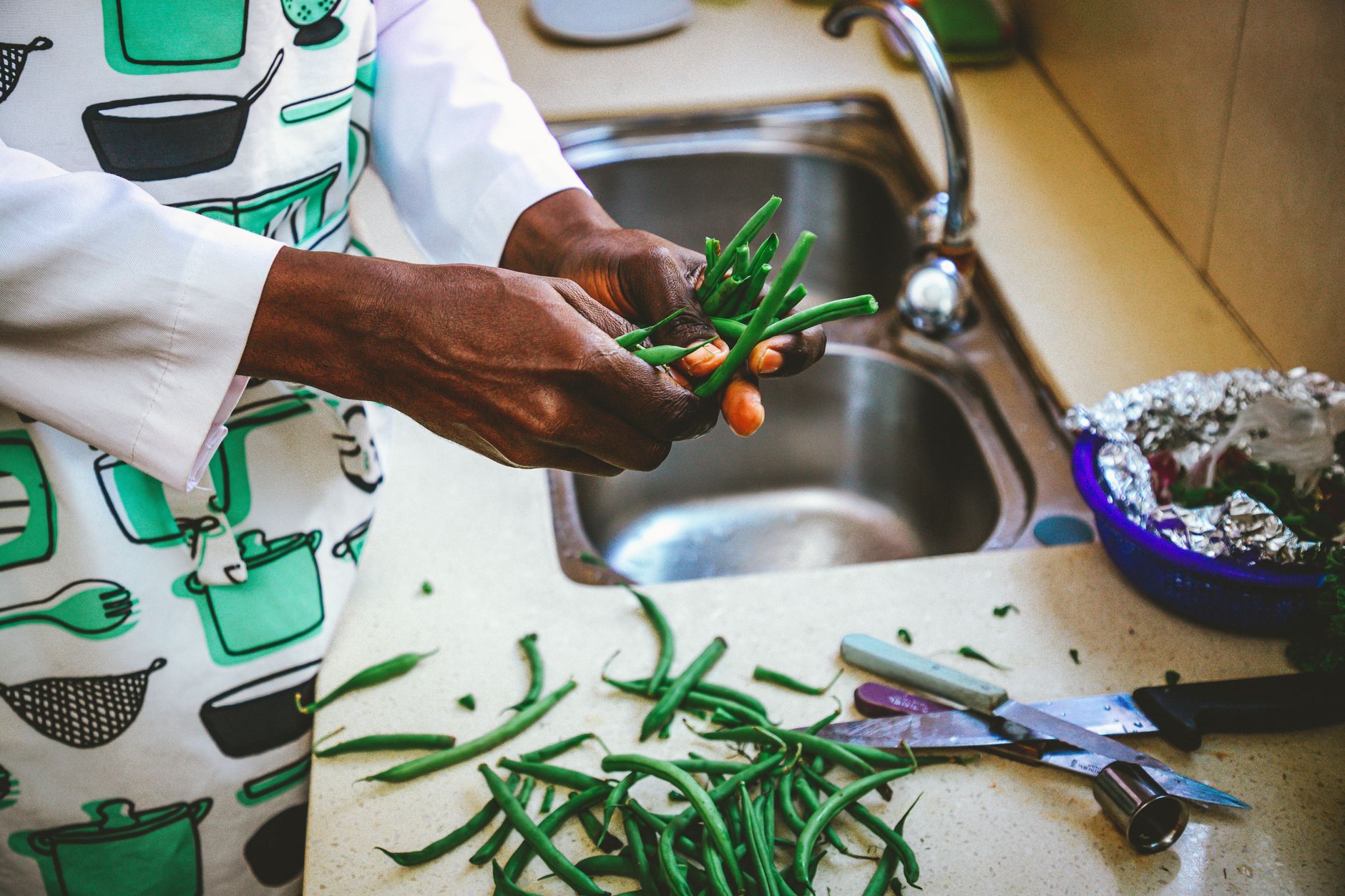
Discover the best ways to eat green beans, from fresh to preserved, with practical tips for gardeners and homesteaders in 2026.
The best way to eat green beans is fresh from the garden, steamed or sautéed until crisp-tender, within hours of picking. If you have more than you can eat fresh, freezing or canning preserves them well, but each method changes texture and flavor. Here is how to get the most from your harvest, whether you eat them today or stash them for winter.
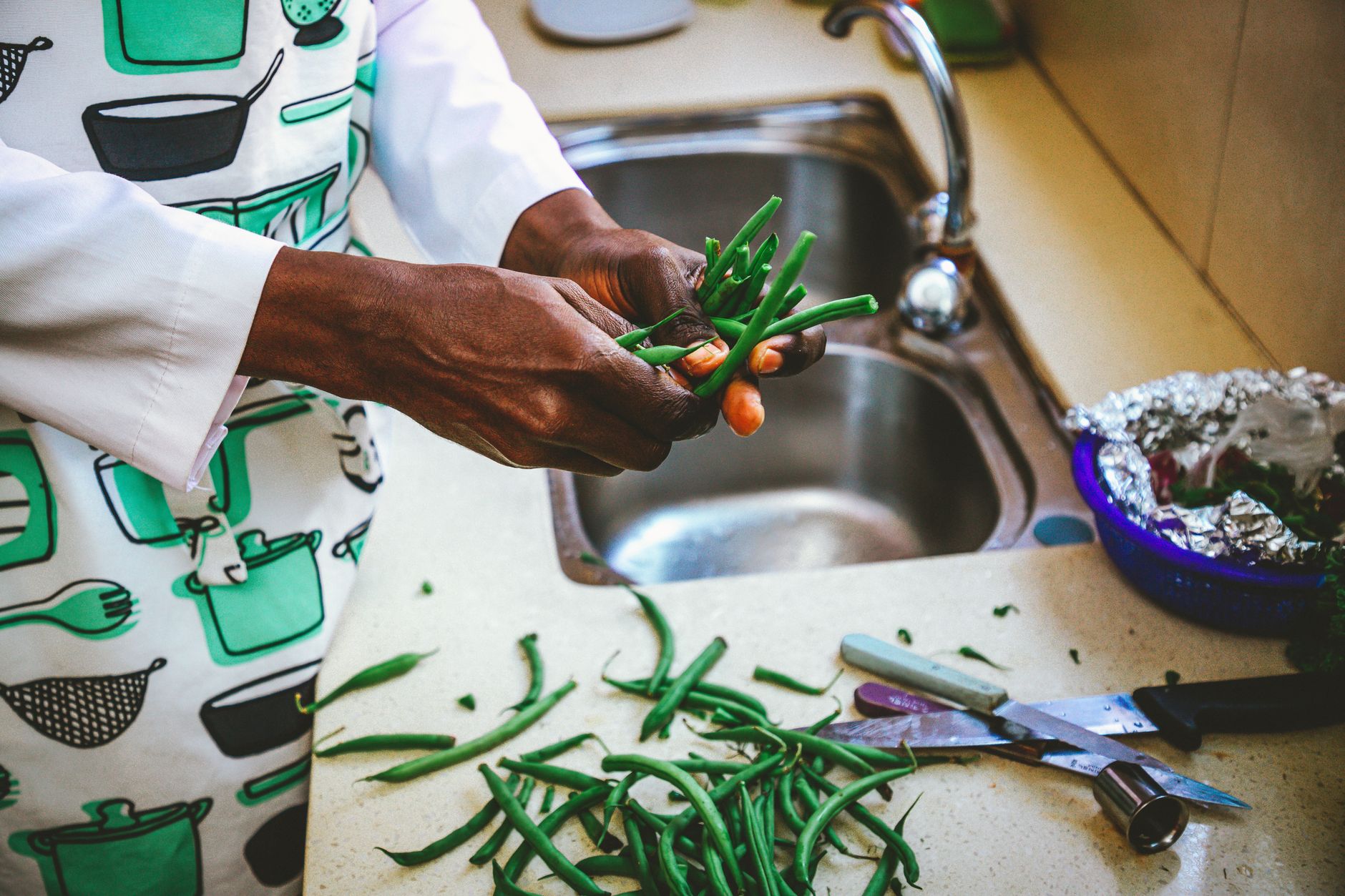
Fresh eating: peak flavor and texture
Green beans are at their best the day you pick them. Sugar converts to starch quickly after harvest, so flavor fades within a few days. For fresh eating, choose varieties bred for flavor, not just yield. ‘Provider’ (50 days, good for cool soils), ‘Maxibel’ (55 days, slender French filet), and ‘Rolande’ (58 days, stringless and sweet) are top picks for home gardens. Pick beans when pods are slim and seeds are just visible through the skin. Overgrown beans are tough and fibrous.
Quick cooking methods
- Steam: Place trimmed beans in a steamer basket over boiling water, cover, and cook for 4 to 6 minutes until bright green and crisp-tender. Shock in ice water to stop cooking if serving cold.
- Sauté: Heat 1 tablespoon olive oil or butter in a skillet over medium-high heat. Add beans and cook, stirring, for 5 to 7 minutes. Add minced garlic in the last minute. Season with salt and pepper.
- Roast: Toss beans with oil, salt, and pepper on a baking sheet. Roast at 425°F for 15 to 20 minutes, shaking once, until blistered and tender.
For a simple side, toss cooked beans with a pat
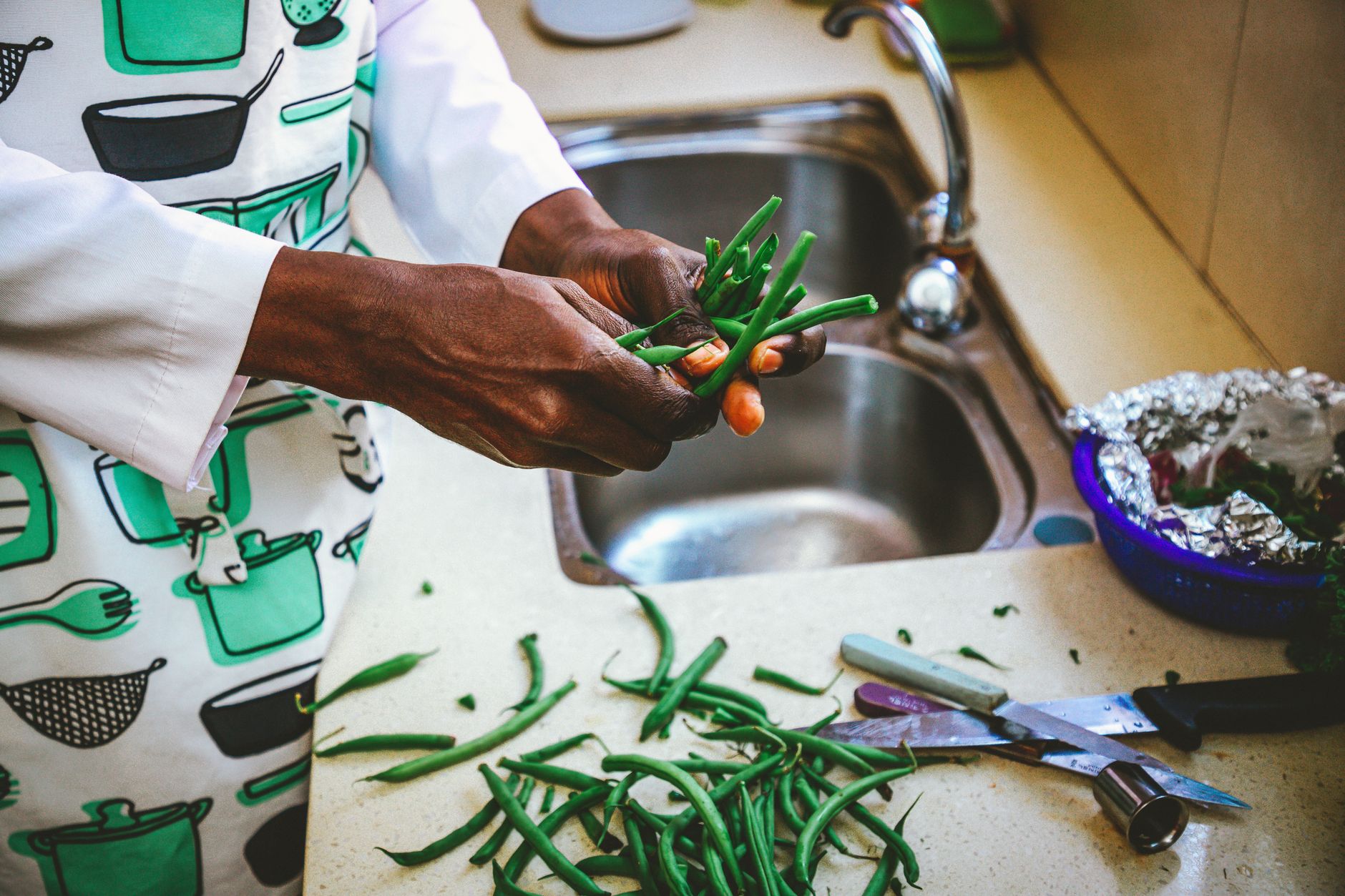 of butter and a squeeze of lemon. For a heartier dish, add cooked bacon or toasted almonds.
Preserving: freeze, can, or dehydrate
If you have a surplus, preserving is the way to go. Each method has trade-offs in time, equipment, and final texture.
Freezing
Freezing is the fastest and preserves the freshest flavor and texture. It requires a blanching step to stop enzyme activity. Here is the process:
- Wash and trim beans. Cut into 2-inch pieces or leave whole.
- Bring a large pot of water to a boil. Add beans and blanch for 3 minutes (adjust for altitude: add 1 minute per 1,000 feet above sea level).
- Immediately transfer to an ice bath for 3 minutes.
- Drain well and pack into freezer bags or containers, removing as much air as possible.
- Label with date and freeze. Use within 8 to 12 months for best quality.
Frozen beans are best used in cooked dishes like soups or stews, as they lose some crispness.
Canning
Canning green beans is a classic homestead skill, but it requires a pressure canner because beans are low-acid. A water bath is not safe. Process pint jars at 10 pounds pressure (adjust for altitude) for 20 minutes, and quart jars for 25 minutes. Use only fresh, tender beans. Canned beans are softer and saltier (if you add salt), but they are shelf-stable for years. A pressure canner costs $100 to $300 new, but you can often find used ones at garage sales.
Dehydrating
Dehydrating produces green bean chips or powder. Wash, trim, and blanch beans for 3 minutes, then dry at 125°F for 6 to 8 hours until brittle. They store well in airtight jars. Rehydrate in soups or grind into powder for seasoning. Texture is not like fresh, but it is a lightweight option for camping or emergency storage.
Eating green beans raw: yes, but with a caveat
Raw green beans are safe to eat in moderation, but they contain lectins that can cause digestive upset if eaten in large amounts. Cooking destroys these compounds. If you enjoy raw beans in salads, choose young, tender pods and eat them sparingly. For most people, a handful is fine.
Best varieties for different uses
Not all green beans are equal. Here is a quick guide:
| Variety | Days to maturity | Best for | Notes |
|---|---|---|---|
| ‘Provider’ | 50 | Fresh eating, freezing | Early, productive, stringless |
| ‘Maxibel’ | 55 | Fresh eating, gourmet | French filet, slender, sweet |
| ‘Rolande’ | 58 | Fresh eating | Stringless, sweet, disease resistant |
| ‘Blue Lake 274’ | 58 | Canning, freezing | Classic flavor, heavy yields |
| ‘Kentucky Wonder’ | 65 | Fresh, canning | Pole bean, rich flavor, needs trellis |
For canning, choose varieties that hold their shape, like ‘Blue Lake’. For freezing, any tender variety works.
How to store fresh beans short-term
If you cannot eat them right away, store unwashed beans in a perforated plastic bag in the refrigerator crisper drawer. They will keep for 3 to 5 days. Do not wash until ready to use, as moisture promotes spoilage. For longer storage, blanch and freeze as described above.
FAQ
Can I eat green beans raw? Yes, but in moderation. Raw beans contain lectins that can cause stomach upset if eaten in large amounts. Young, tender pods are best. Cooking removes the risk.
What is the fastest way to cook green beans? Microwave: place trimmed beans in a microwave-safe dish with 2 tablespoons water, cover, and cook on high for 3 to 4 minutes, stirring once. Drain and season. This is quicker than steaming or sautéing.
How do I know when green beans are ready to pick? Pick when pods are firm, smooth, and snap easily. The seeds should be small and not bulging. For filet types, pick when pods are pencil-thin. Check every 2 to 3 days during peak season.
Can I freeze green beans without blanching? You can, but quality suffers. Blanching stops enzyme activity that causes off-flavors and mushy texture. Unblanched beans will last only 2 to 3 months in the freezer and will be less crisp.
The bottom line
The best way to eat green beans is fresh, cooked simply to highlight their sweetness and crunch. For surplus, freezing is the most practical method for most home gardeners, preserving quality with minimal equipment. Canning is worthwhile if you want shelf-stable jars, but it requires a pressure canner and yields a softer product. Whatever you choose, pick at the right stage and process promptly for the best results. Your future self will thank you when you are eating garden beans in January.