Best way to eat chickpeas
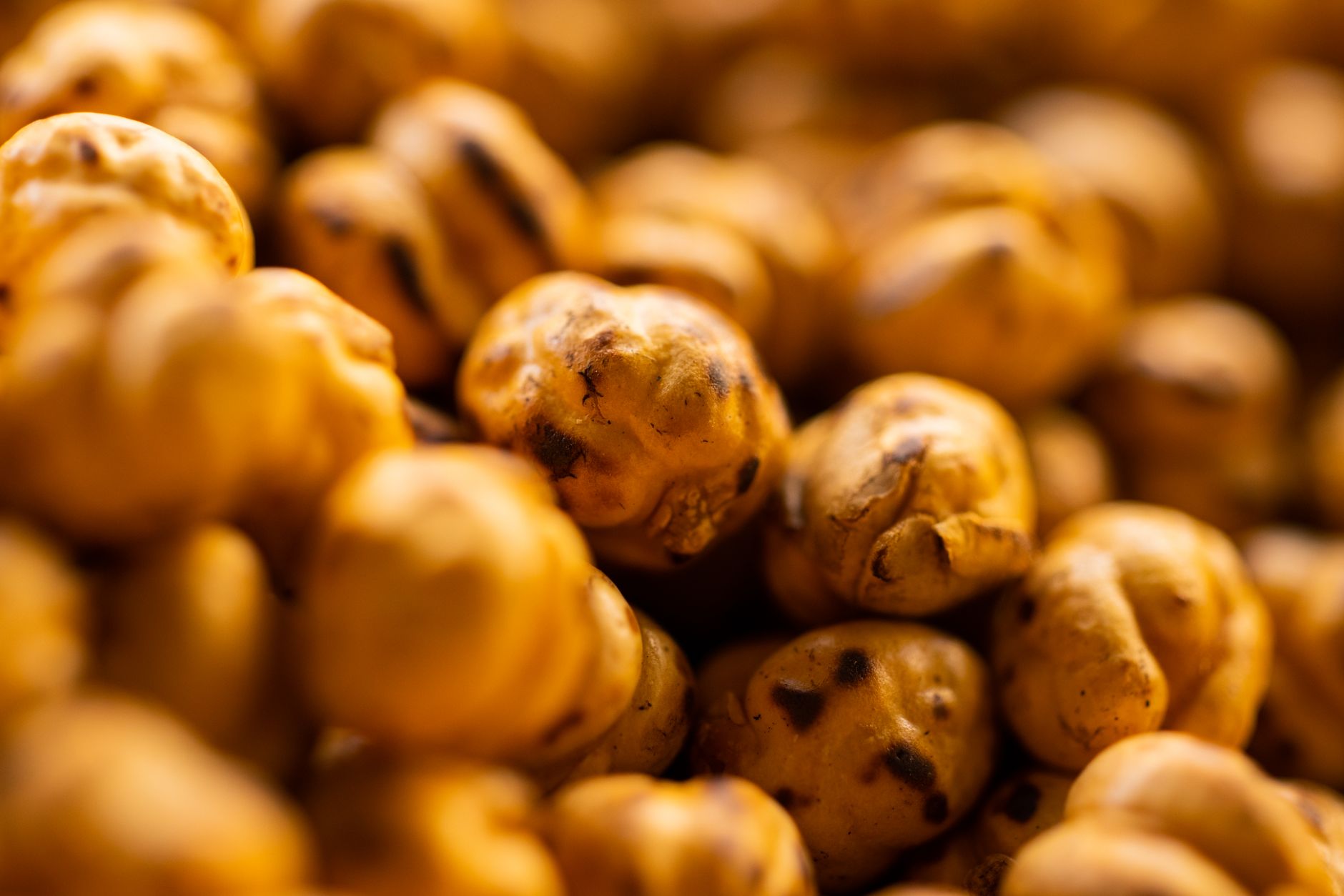
Learn the best ways to eat chickpeas, from roasting to hummus, with practical tips for gardeners and homesteaders. Real varieties, methods, and prices.
If you grow chickpeas (Garbanzo beans), you know the harvest is only half the battle. The best way to eat them is to cook them from dry, then use them in a few versatile recipes that highlight their nutty flavor and firm texture. Soak, simmer, and then roast, mash, or toss them into salads. Here’s the straight talk on making the most of your crop.
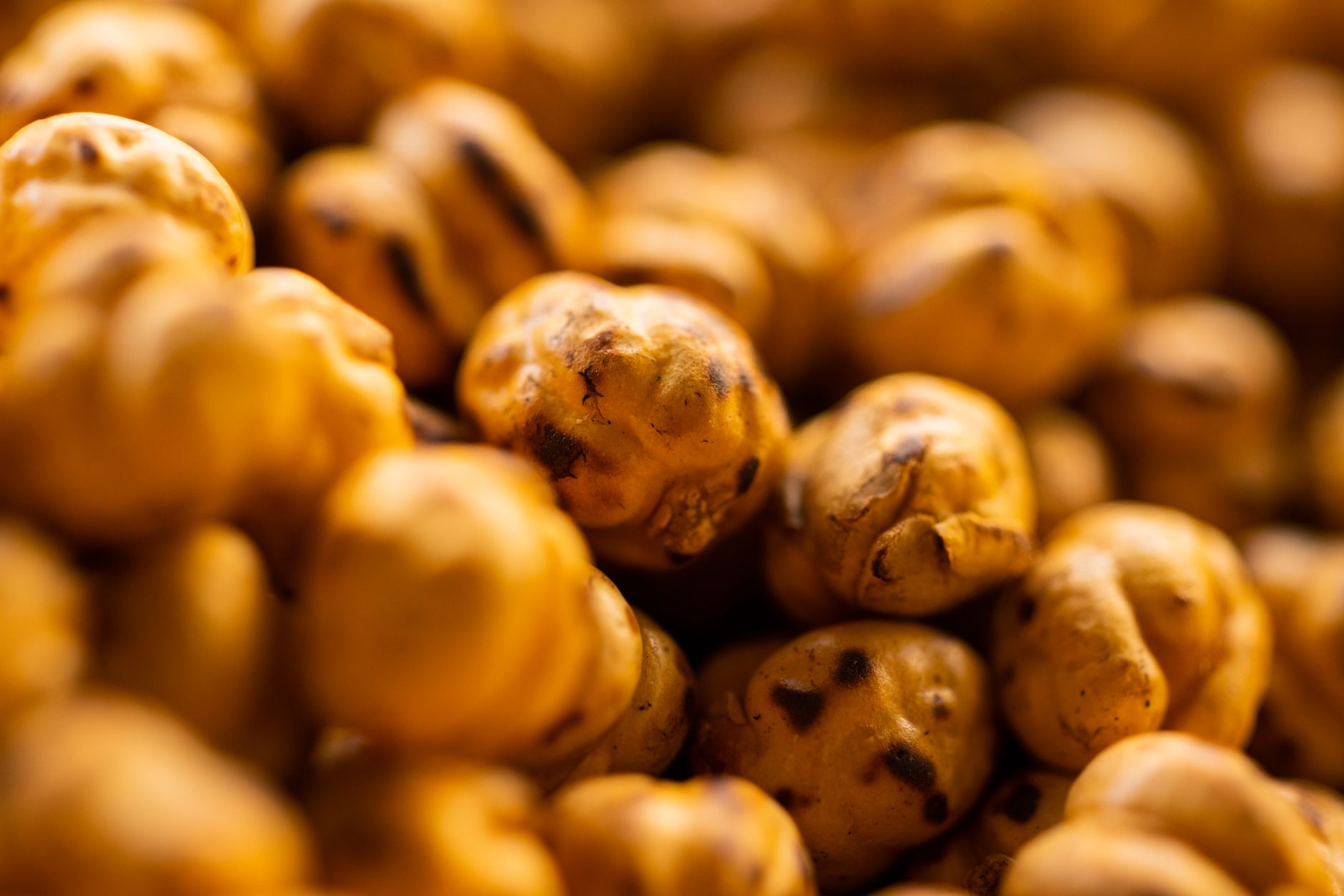
Why cook from dry?
Canned chickpeas are convenient, but homegrown or bulk dry chickpeas are cheaper and taste better. A pound of dry chickpeas costs about $2 to $4 in 2026, yielding roughly 6 cups cooked, while a 15-ounce can (about 1.5 cups cooked) runs $1.50 to $2.50. Cookin
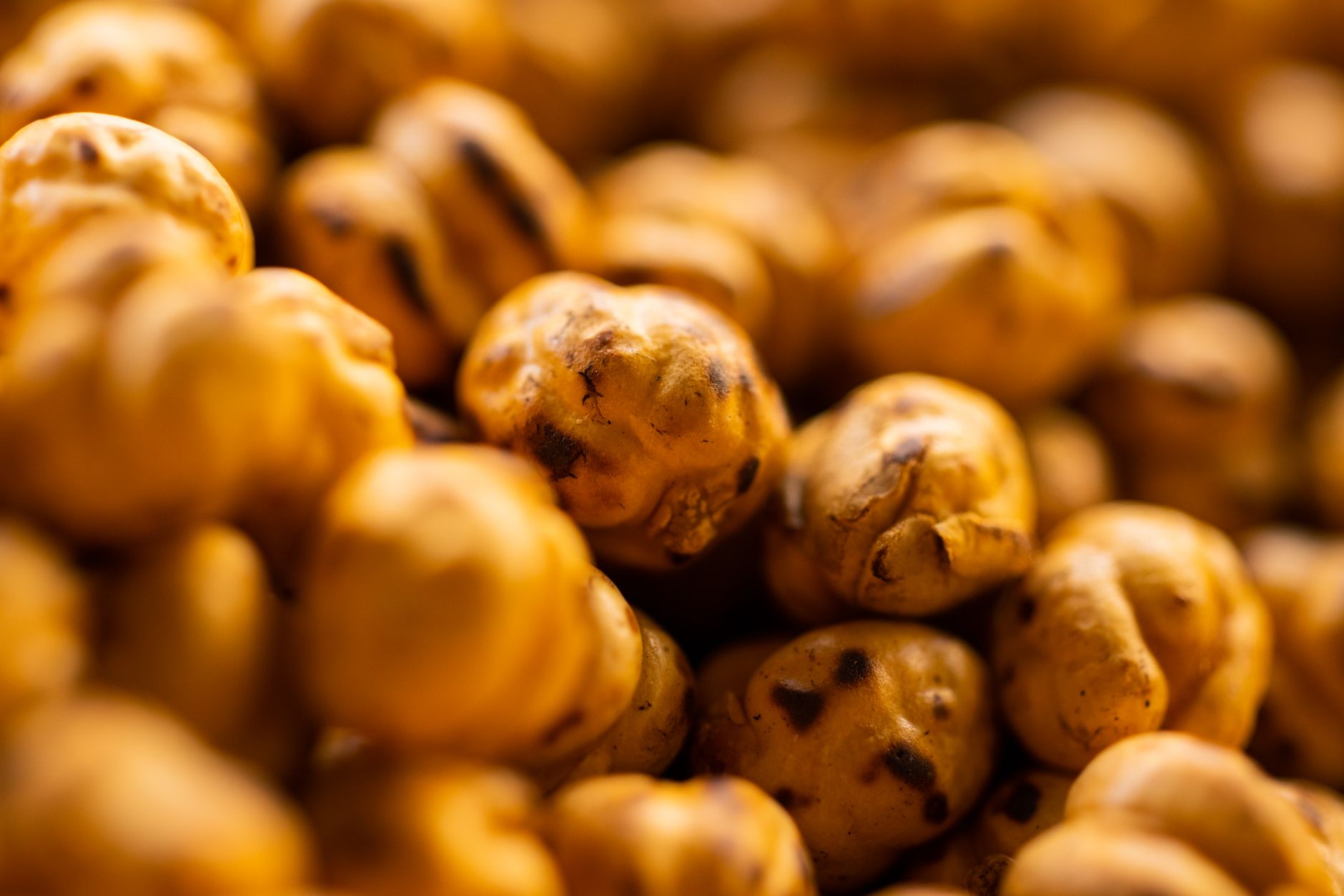 g from dry also lets you control salt and texture, which is key for roasting or salads.
The basic soak and simmer method
This is the foundation for everything else. Start with 1 cup dry chickpeas (about 200 grams). Rinse and pick out any stones or debris. Soak in 3 cups of cold water for 8 to 12 hours, or overnight. Drain and rinse again.
Simmer in a pot with 4 cups of fresh water (or broth) and a teaspoon of salt. Bring to a boil, then reduce to a gentle simmer. Cook for 1 to 1.5 hours, until tender but not mushy. For a faster option, use a pressure cooker: 1 cup dry chickpeas with 3 cups water, cook on high for 35 minutes, then natural release for 10 minutes.
One note: older chickpeas take longer to cook. If your harvest is a year old, expect closer to 2 hours. Add a pinch of baking soda (about 1/4 teaspoon) to soften the skins if they are tough.
The best way: roast them for a snack
Roasted chickpeas are the single best way to eat them if you want a crunchy, savory snack. They beat chips and pretzels for protein and fiber. Here is the method that works every time:
- Cook chickpeas as above, then drain and pat them very dry with a clean towel. The drier they are, the crunchier they get.
- Toss with 1 to 2 tablespoons of olive oil and your favorite seasonings. Try smoked paprika and garlic powder, or cumin and chili powder. Salt after roasting, not before, or they will draw moisture.
- Spread on a baking sheet in a single layer. Do not overcrowd.
- Roast at 400°F (200°C) for 30 to 40 minutes, shaking the pan every 10 minutes. They are done when golden brown and dry. They will crisp up more as they cool.
A 1-cup batch (dry) makes about 2 cups roasted, enough for a week of snacks. Store in an airtight jar for up to 5 days, though they rarely last that long.
Hummus: the classic spread
Hummus is the most popular way to eat chickpeas, and for good reason. It is creamy, tangy, and simple. For the best texture, peel the chickpeas after cooking. It sounds tedious, but it takes 5 minutes: pinch each chickpea and the skin slips off. This step makes hummus silky instead of gritty.
Here is my go-to recipe:
- 1.5 cups cooked chickpeas (peeled)
- 1/4 cup tahini (sesame paste)
- 2 tablespoons lemon juice
- 1 garlic clove, minced
- 1/2 teaspoon salt
- 2 to 4 tablespoons ice water
Blend everything in a food processor for 2 to 3 minutes, scraping down the sides, until smooth. Add water as needed to reach a soft, spoonable consistency. Taste and adjust salt or lemon. Serve with olive oil and paprika on top.
This makes about 1.5 cups, enough for a party platter. Store in the fridge for up to a week.
Salads and bowls: the every-day option
For a quick lunch, toss cooked chickpeas into a salad with cucumbers, tomatoes, red onion, and a lemon-herb dressing. Or make a grain bowl with quinoa, roasted vegetables, and a tahini drizzle. Chickpeas hold up well in the fridge for 4 to 5 days, so cook a big batch on Sunday and use them all week.
One of my favorite combinations: chickpeas, chopped kale, shaved Parmesan, and a simple vinaigrette. The chickpeas add protein and a satisfying bite.
Which varieties to grow for eating
If you are growing your own, choose a variety that suits your climate and taste. Here are three reliable options for US gardens:
- Black Kabuli: A dark-skinned variety with a nutty flavor, good for roasting. Matures in 90 to 100 days. Suitable for zones 3 to 9.
- Sierra Chickpea: A light-colored, large-seeded type, excellent for hummus. Drought-tolerant once established. Matures in 95 to 105 days. Best in zones 5 to 9.
- Desi Chickpea (e.g., ‘Myles’): Smaller, darker seeds with a stronger earthy taste. Great for soups and curries. Matures in 85 to 95 days. Hardy in zones 3 to 8.
Plant chickpeas in early spring, as soon as the soil can be worked, about 2 weeks before the last frost. Space seeds 2 inches apart, 1 inch deep, in rows 18 to 24 inches apart. They prefer cool weather and will stop producing pods when temperatures exceed 80°F.
Storing cooked chickpeas
Cooked chickpeas freeze well. Spread them on a baking sheet to freeze individually, then transfer to a freezer bag. They will keep for 6 months. Thaw overnight in the fridge or add directly to soups and stews.
FAQ
Can I eat chickpeas raw? No. Raw chickpeas contain toxins and are hard to digest. Always cook them thoroughly.
How long do cooked chickpeas last in the fridge? Up to 5 days in an airtight container. If they smell sour or get slimy, toss them.
What is the best way to reheat roasted chickpeas? They lose crunch quickly. Reheat in a 350°F oven for 5 minutes to crisp them up again.
Can I use chickpea flour instead of whole chickpeas? Yes, but it is a different product. Chickpea flour (besan) is made from ground dry chickpeas and is great for flatbreads or as a thickener. It does not substitute for whole cooked chickpeas in recipes.
The bottom line
The best way to eat chickpeas is to cook them from dry, then roast them for a snack or blend them into hummus. Both methods are simple, use basic ingredients, and show off the chickpea’s natural flavor. Start with a pound of dry chickpeas, soak them overnight, and you will have a week of meals and snacks for under $5. Whether you grow your own or buy in bulk, these techniques are the ones I use every harvest season.