Alpacas vs camels
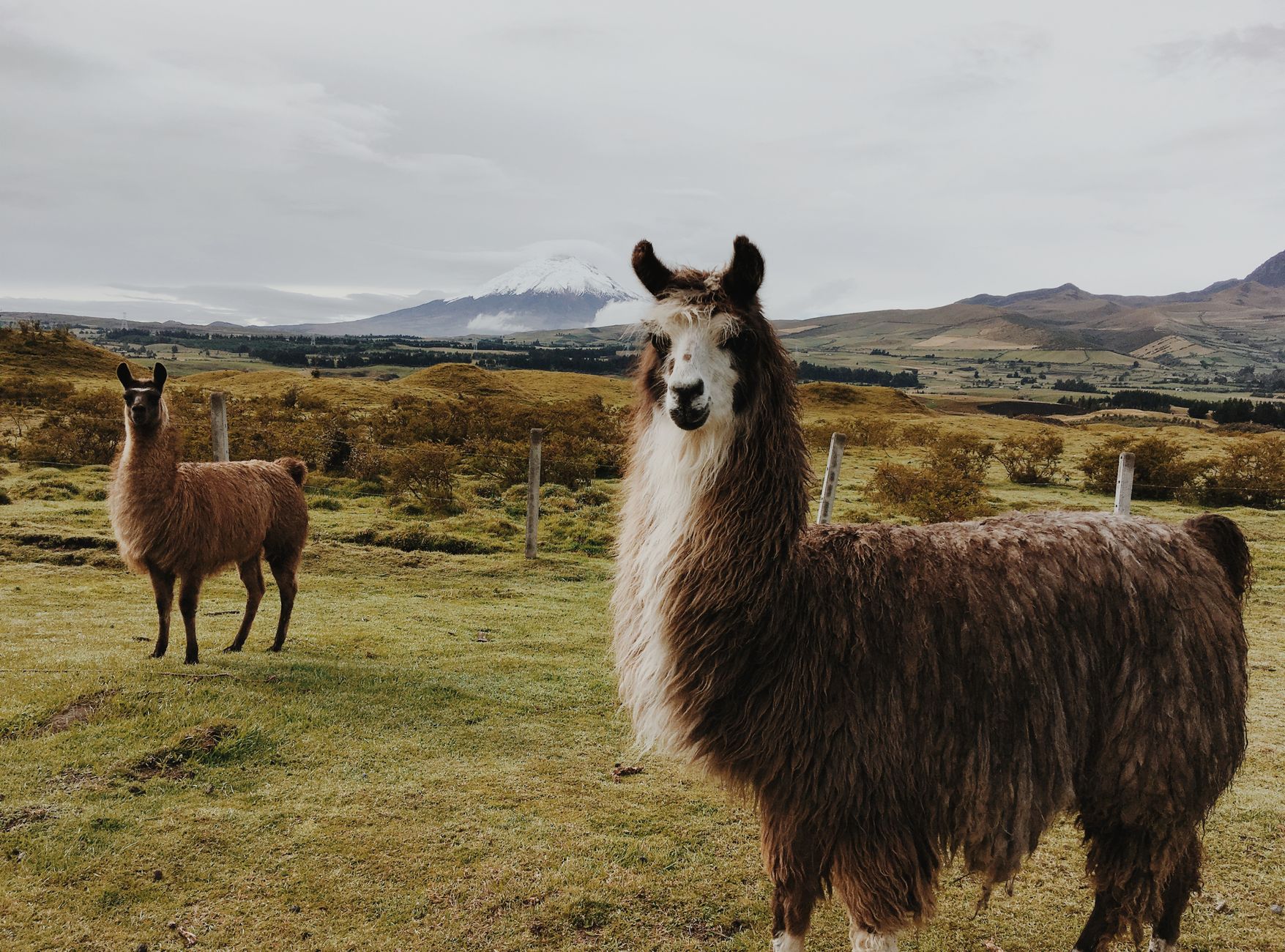
Compare alpacas and camels for homesteading: size, care, cost, and purpose. Learn which fits your land, budget, and goals before you buy.
If you are weighing alpacas against camels for your homestead, the short answer is: alpacas are practical for most small farms, while camels are a major commitment best left to specialists. Alpacas need about an acre for a small herd, cost $500 to $5,000 each, and provide fiber. Camels need 10 or more acres, cost $5,000 to $20,000, and are primarily for novelty, packing, or milk. This guide breaks down the real differences so you can decide with your eyes open.
Size and space: the first hard number
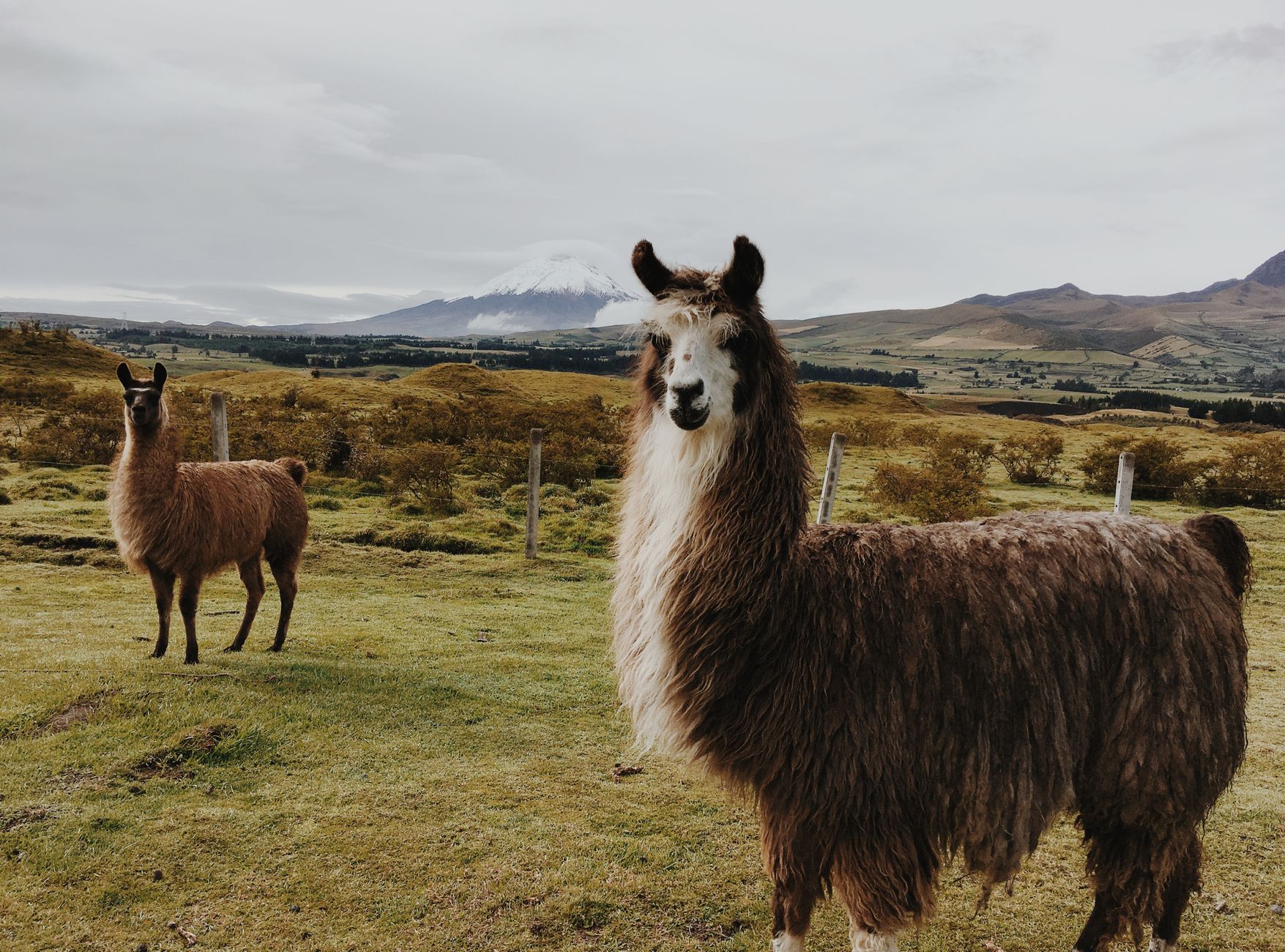
Alpacas are small. Adults weigh 100 to 200 pounds and stand about 36 inches at the shoulder. A pair needs at least one acre of pasture, plus shelter. Camels are enormous. A dromedary (one-hump) weighs 900 to 1,400 pounds and stands 6 to 7 feet at the shoulder. A Bactrian (two-hump) is similar. A single camel needs 10 to 20 acres of dry pasture or desert-like terrain, plus a tall, sturdy shelter. Fencing for alpacas can be 4-foot field fence. Camels require 6-foot or higher, welded wir
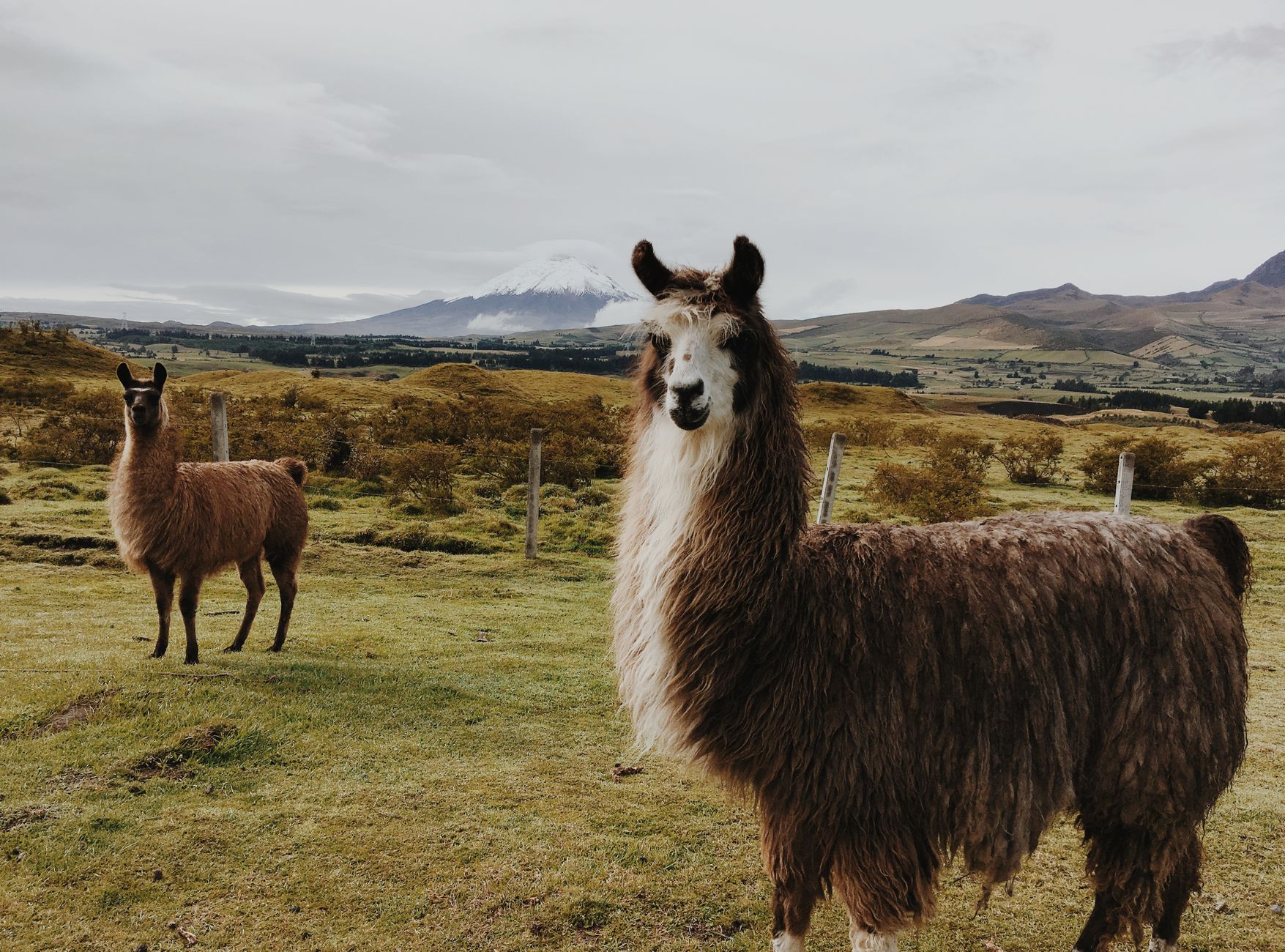 e or pipe corrals, because they lean on and push through weaker fences.
Temperament and handling
Alpacas are prey animals. They are curious but skittish, and they rarely bite or kick. You can handle them with a halter and a gentle approach. They do not spit much at people, only at each other over food. Camels are smarter and more independent. They can be trained, but they have a strong flight response and a powerful bite. A camel can kick in any direction, and a startled camel is dangerous. If you have children or inexperienced helpers, alpacas are far safer.
Diet and water
Alpacas are grazers. They eat grass and hay, about 2 to 4 pounds per day per animal. They need fresh water daily, and they do not do well in extreme heat. Camels are browsers and grazers. They eat shrubs, thorny plants, grass, and hay, about 10 to 20 pounds per day. They can go days without water, but they still need a reliable source. On a homestead, you will provide clean water daily for both. The difference is cost: feeding one camel costs as much as feeding five to ten alpacas.
Health and veterinary care
Alpacas are hardy but need routine care: annual vaccinations, deworming, toenail trimming, and shearing. Shearing costs $50 to $100 per animal per year if you hire it. Camels need the same basics, but they are larger, so handling and vet visits are more expensive. A camel vet call can run $200 to $500 just for the visit, and finding a vet who treats camels is harder. Alpacas have a longer breeding life, and their pregnancies are 11.5 months. Camels carry for 13 months, and a difficult birth is more dangerous.
Cost to buy and keep
Here are realistic 2026 price ranges for the US:
| Item | Alpaca | Camel |
|---|---|---|
| Purchase price | $500 to $5,000 (fiber quality varies) | $5,000 to $20,000 (trained vs. untrained) |
| Annual feed cost (per animal) | $300 to $600 | $1,500 to $3,000 |
| Annual vet and farrier | $200 to $400 | $500 to $1,000 |
| Fencing per 100 feet | $150 to $300 | $400 to $800 |
| Shelter cost | $500 to $2,000 | $3,000 to $10,000 |
These are estimates. Your local hay prices and vet availability will shift them. But the pattern is clear: camels cost three to five times more to keep.
What do you get out of it?
Alpacas give you fiber. A single alpaca produces 5 to 10 pounds of fleece per year, and you can sell raw fleece for $5 to $15 per pound, or spin it yourself. They also produce manure for compost, and they are pleasant to look at. Camels give you milk (up to 2 gallons per day for a lactating female), packing ability (they can carry 300 to 400 pounds), and novelty value. But camel milk has a limited market, and packing requires training and equipment. For most homesteaders, alpacas offer a better return on investment.
Climate and land type
Alpacas come from the Andes, so they prefer cool, dry climates. They struggle in hot, humid summers. If you live in USDA zones 8 or higher, you will need shade and possibly fans. Camels are desert animals. They thrive in hot, dry conditions but do poorly in cold, wet winters. If you are in the northern US, you will need a heated barn for camels. Alpacas are more adaptable to a range of US climates, as long as you provide shelter.
Legal and zoning considerations
Before you buy either, check your local zoning. Many rural areas allow alpacas as livestock, but camels may be classified as exotic animals, requiring permits or being banned outright. Call your county extension office. Also, check your insurance: some homeowner policies exclude exotic animals. Alpacas are usually covered as livestock, camels are not.
How to start this week
If you are leaning toward alpacas, do these three things:
- Visit a local alpaca farm. Look at the animals, ask about shearing, and see the fencing. Most farms welcome visitors.
- Calculate your pasture capacity. Use the rule of thumb: 1 acre for the first 2 alpacas, plus 0.5 acre for each additional alpaca.
- Price hay and fencing in your area. Call two suppliers and get quotes.
If you are still considering camels, do the same, but also find a vet who treats camels before you buy. Ask the vet about their experience and fees.
FAQ
Can I keep just one alpaca or camel?
No. Both are herd animals. Alpacas need at least two, preferably three, to be happy. Camels also need at least one companion, but a second camel doubles your cost. If you cannot have two camels, consider a donkey or a goat as a companion, though it is not ideal.
Do alpacas spit at people?
Rarely. They spit at each other over food, but they usually do not spit at humans unless they are frightened or mishandled. Camels spit more often, and they aim for the face.
How long do alpacas and camels live?
Alpacas live 15 to 20 years. Camels live 40 to 50 years. A camel is a lifelong commitment, and rehoming an older camel is difficult.
Can I milk a camel on a small homestead?
Yes, but it is labor-intensive. You need to halter-train the camel, and you need a milking stand. A lactating camel gives about 1 to 2 gallons per day. You will need a market for the milk, because it does not keep as long as cow’s milk.
The bottom line
For a typical gardener or homesteader, alpacas are the clear choice. They are cheaper, safer, easier to care for, and they produce a saleable product. Camels are for people with large acreage, deep pockets, and a specific need for packing or milk. Do not buy a camel on a whim. If you are new to livestock, start with alpacas. You will learn the basics of herd management without the risk and expense of a 1,000-pound animal. And if you ever decide to upgrade to a camel, you will have the skills and the setup to do it right.