Alpacas for beginners
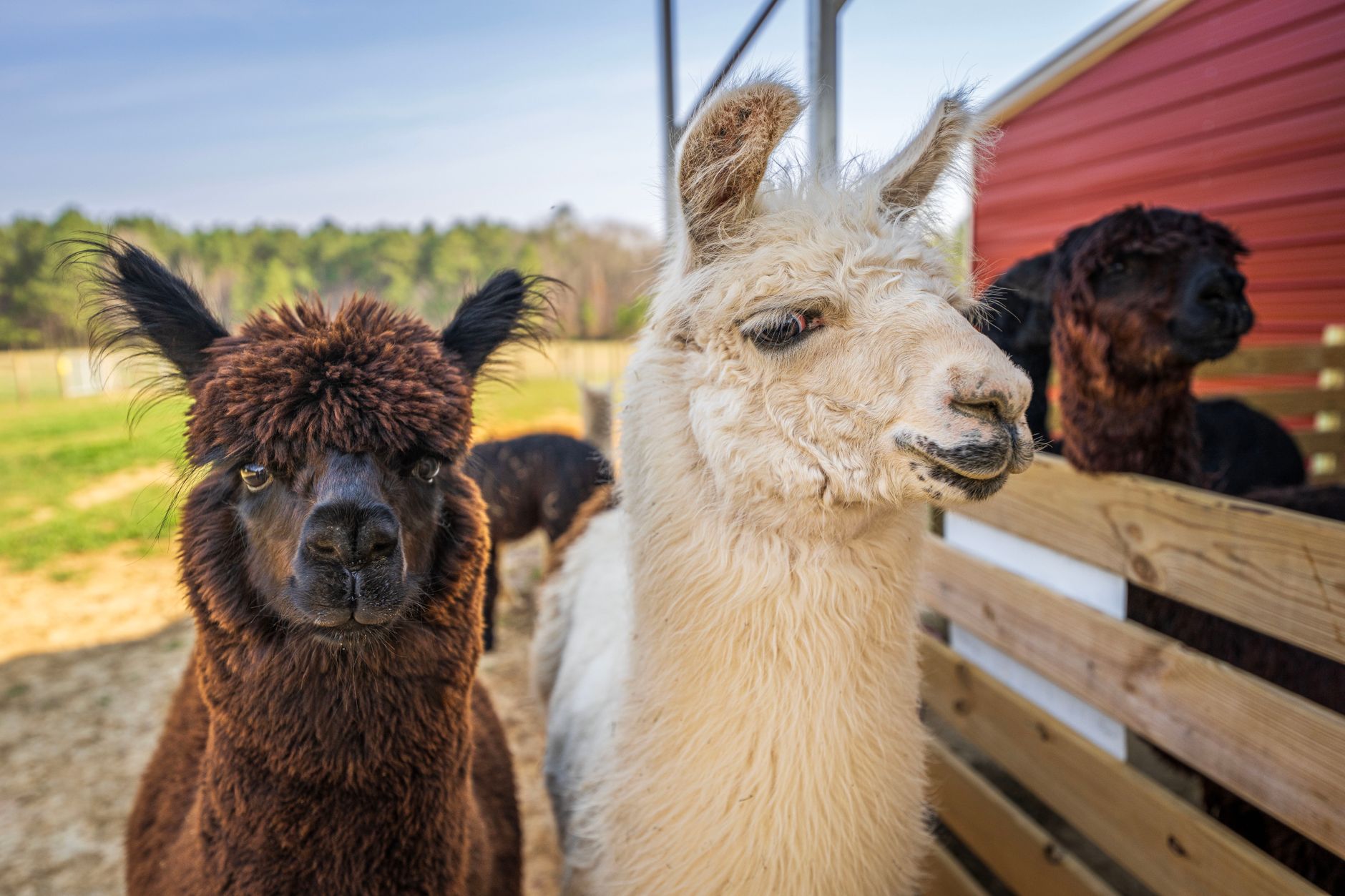
Learn the real costs, space, and daily care for starting with alpacas. A practical guide for homesteaders with realistic numbers and steps.
Thinking about adding alpacas to your homestead? They are quieter than llamas, easier on fences, and their fleece sells for $4 to $8 an ounce. But they are not low-maintenance pets. You need at least two, proper shelter, and a plan for annual shearing and health care. This guide covers what you actually need to know before you buy, with real numbers for 2026.
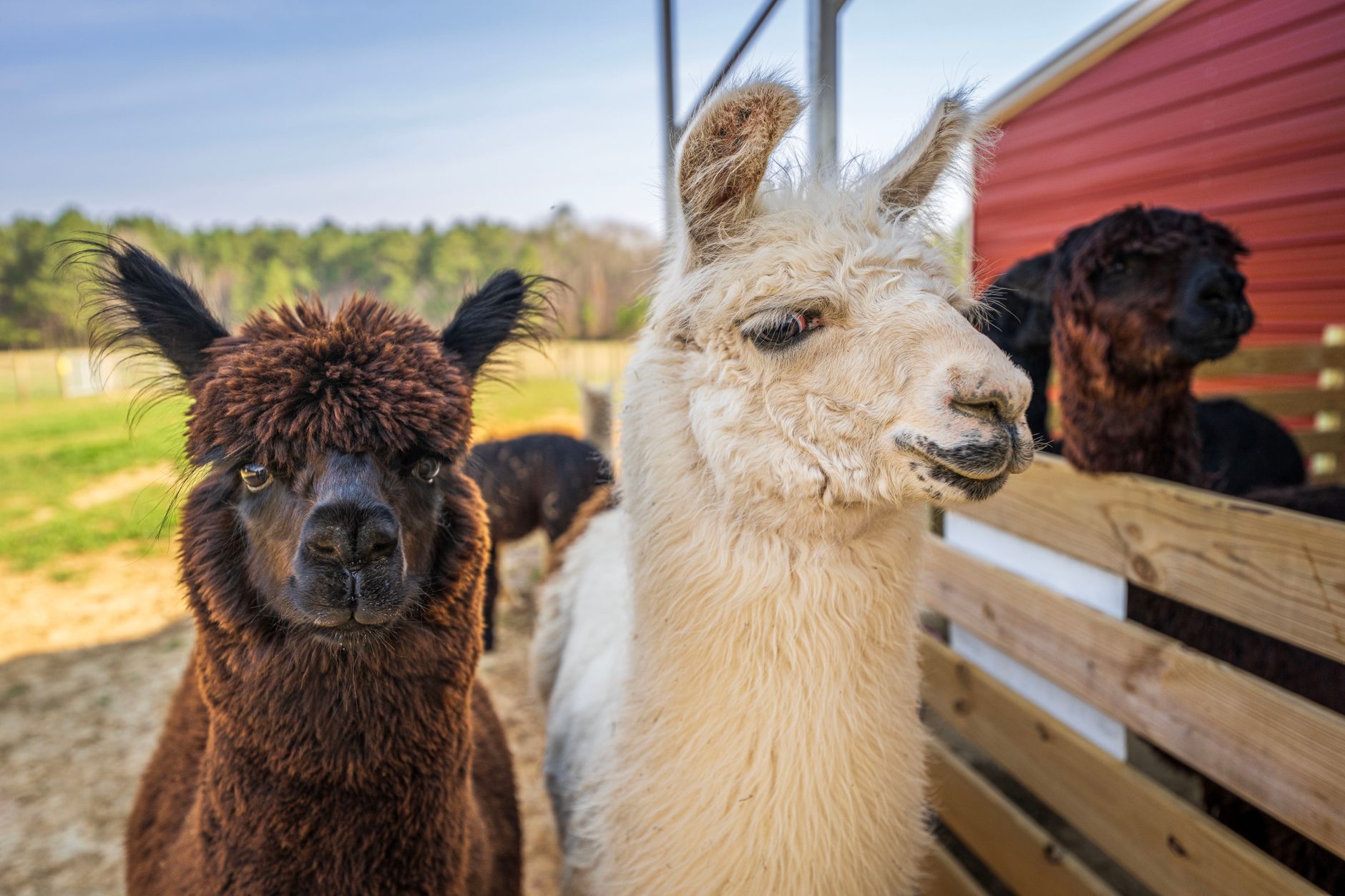
What do alpacas cost in 2026?
Purchase prices vary widely by quality and region. A pet-quality or fiber-quality alpaca runs $500 to $1,500. A breeding-quality female with a good pedigree costs $2,500 to $5,000. Males for fiber or gelding are often $300 to $800. Always buy from a farm that provides health records and a bill of sale.
Ongoing costs are about $1,200 to $2,000 per year for two alpacas. That includes feed, hay, routine vet care, shearing, and parasite control. Shearing alone costs $50 to $100 per animal if you hire it out. Fencing and shelter are one-time costs: $500 to $1,500 for
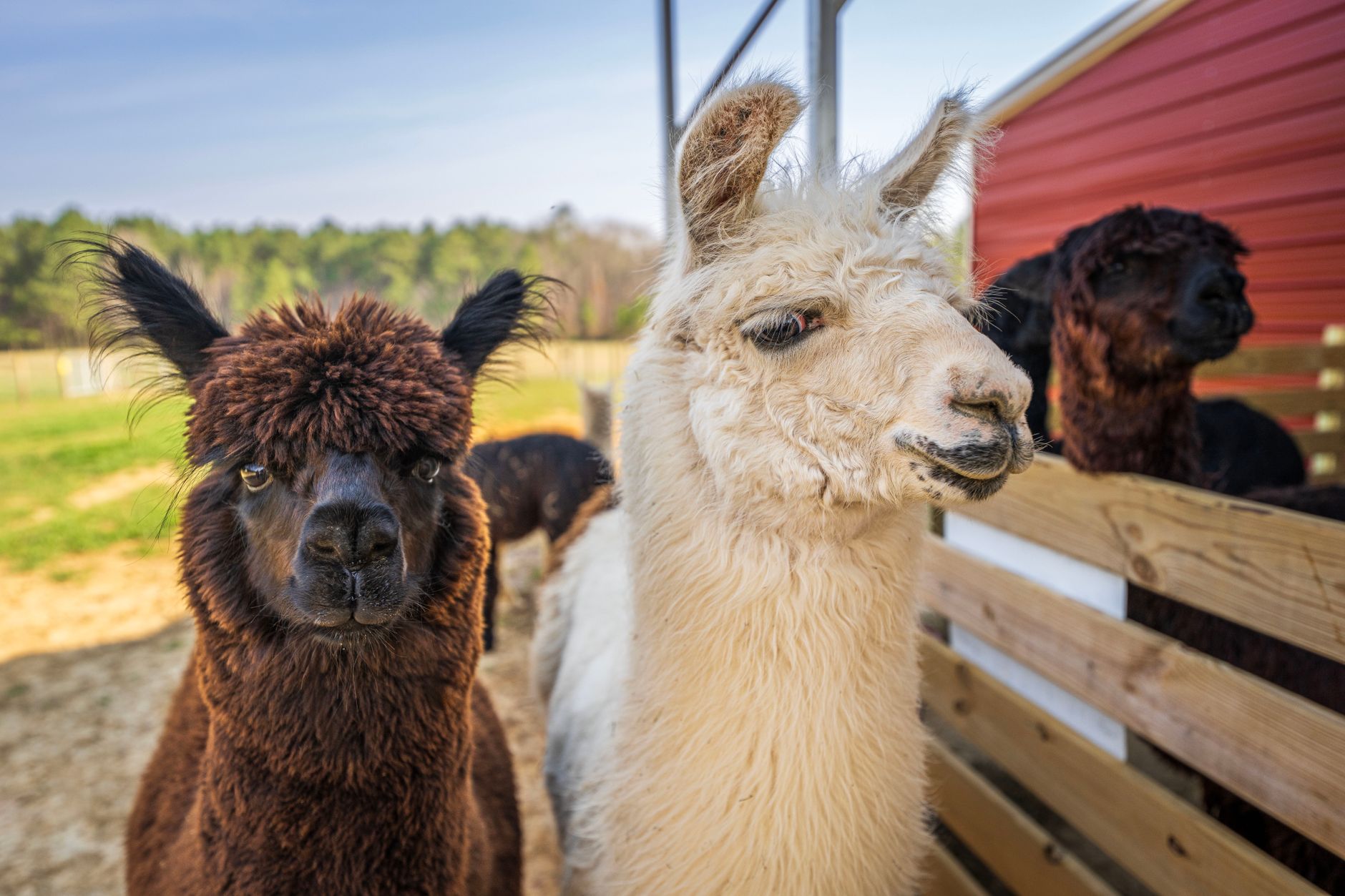 a simple three-sided shed, and $0.50 to $1.50 per foot for welded wire fencing.
Space and fencing: what really works
Alpacas need at least a quarter acre for two, but more is better. They are grazers, not browsers, so pasture should be fenced with 4-foot woven wire or field fence. Do not use barbed wire. They will test fences, but they rarely jump. A sturdy gate and a secure perimeter keep out dogs and coyotes, which are the biggest predators.
Shelter is simple: a three-sided run-in shed facing away from prevailing winds. Plan for 20 to 30 square feet per animal. Bedding of straw or wood shavings, about 6 inches deep, keeps them dry and clean. Clean the shed weekly.
Daily and weekly care: the real routine
Feeding is the daily task. Give each alpaca 1 to 2 pounds of grass hay per day, plus a small amount of alpaca-specific pellet feed (about 1/4 pound per animal) to balance minerals. Fresh water daily. In winter, they eat more hay, up to 3 pounds per day.
Weekly, check their feet. Alpacas need hoof trimming every 6 to 8 weeks. You can learn to do it with a pair of hoof trimmers ($20 to $40) and a rasp. If you skip it, they get sore feet and infections.
Monthly, check their body condition. Run your hand over their spine and ribs. You should feel a thin layer of fat, not sharp bones. Adjust feed if needed.
Health care and common problems
Alpacas are hardy, but they need annual vaccinations (CD/T, which covers clostridium and tetanus) and deworming. A fecal test every 3 months tells you if they have parasites. Common issues include:
- Mites or lice: causes itching and wool loss. Treat with injectable or pour-on ivermectin.
- Foot rot: keep pens dry, trim hooves regularly.
- Heat stress: in summer, provide shade and fresh water. They tolerate cold better than heat.
Find a vet who treats camelids before you buy. Not all vets do. Ask your local extension office for referrals.
Shearing and fiber: what to expect
Shearing happens once a year, in late spring. You can hire a shearer for $50 to $100 per animal, or learn to do it yourself with electric clippers ($150 to $300). A beginner should not start with a $1,500 alpaca. Practice on a friend’s animal first.
A healthy adult alpaca produces 5 to 10 pounds of raw fleece. After skirting and cleaning, you get 3 to 6 pounds of usable fiber. You can sell raw fleece for $10 to $20 per pound, or processed yarn for $30 to $60 per skein. But do not count on income the first year. It takes time to build a market.
Choosing your first alpacas
Start with two wethers (gelded males) or two females. Wethers are cheaper and easier to handle. Do not buy a single alpaca; they are herd animals and will stress alone. Look for animals that are calm, have clear eyes, and no signs of coughing or nasal discharge. Ask to see the parents if possible.
Avoid buying from an auction. Buy from a breeder who can show you the animal’s history and health records. A reputable breeder will ask you questions too, about your setup and experience.
What about llamas?
Llamas are larger, more protective, and often used as guard animals for alpacas. But they are not the same. Llamas need more space, more feed, and can be more aggressive with people. If you want fiber and calm temperament, alpacas are the better choice. If you want a guard animal, a gelded llama can work, but only if introduced properly.
FAQ
How many alpacas should I start with?
Start with two. They are herd animals and need a companion. Three is even better, but two is the minimum. More than that increases costs and space needs.
Do alpacas spit a lot?
They spit at each other, especially during feeding or breeding. They rarely spit at people unless provoked. Keep your face away from them and do not tease them.
Can I keep alpacas with chickens or goats?
Yes, alpacas can coexist with chickens and goats, but they need their own space and feeding area. Goats can be pushy and may eat alpaca feed. Separate them during feeding.
How long do alpacas live?
Alpacas live 15 to 20 years. That is a long-term commitment. Make sure you can provide care for that long, or have a plan for rehoming.
The bottom line
Alpacas are a rewarding addition to a homestead if you have the space, time, and budget. Start with two wethers, build a simple shelter, and learn the basics of hoof care and shearing. Expect to spend $1,500 to $3,000 to get started, and $1,200 to $2,000 per year after that. They are not a get-rich scheme, but they are excellent fiber producers and calm companions. Do your homework, visit a farm, and talk to a vet before you buy. Then you will be ready.