Alpaca vs llama care
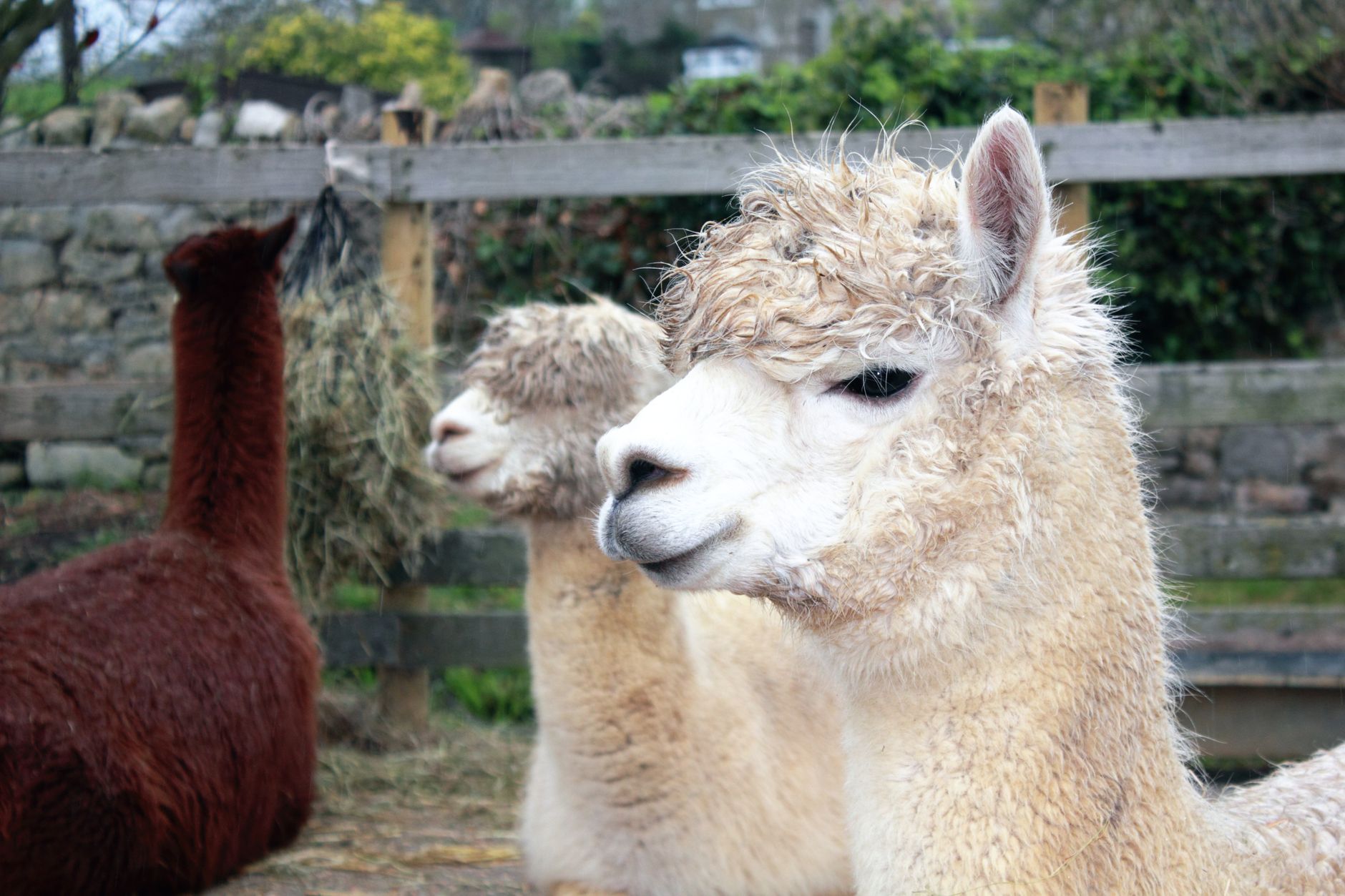
Compare alpaca and llama care costs, space, fencing, shearing, and temperament. Get practical advice for choosing the right camelid for your homestead.
Choosing between alpacas and llamas comes down to what you want from the animal. Alpacas are fiber producers, smaller and easier on fences, while llamas are guardians and pack animals, larger and more protective. Both need similar daily care: fresh water, hay, shelter, and annual shearing. But the costs, space, and handling differ enough that you should decide based on your goals, not just cuteness.
Size and Space Requirements
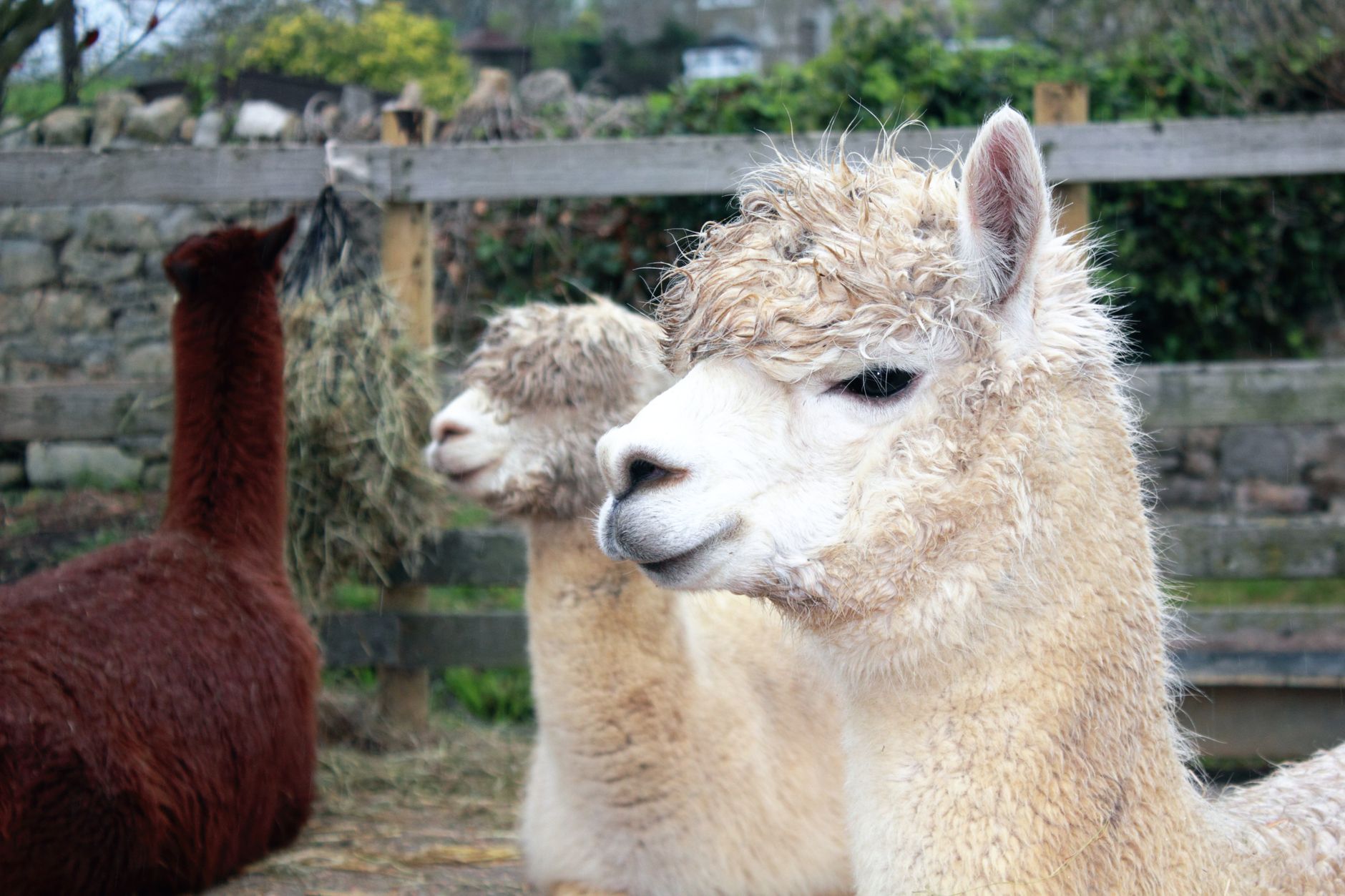
Alpacas are about 36 inches at the shoulder and weigh 100 to 150 pounds. Llamas stand 42 to 46 inches and weigh 250 to 400 pounds. That size difference drives everything else.
- Pasture space: Alpacas need 1/4 to 1/2 acre per 3 to 5 animals. Llamas need at least 1/2 acre per pair, more if you have a large male.
- Shelter: A three-sided run-in shed works for both. Alpacas need 20 square feet per animal; llamas need 30 to 40 square feet.
- Fencing: Alpacas are less likely to test fences. Four-foot no-climb horse fencing or welded wire works. Llamas, especially intact males, can push through weak fences. Use 5-foot fencing for llamas, and consider adding a hot wire at the top.
If you are on a small acreage, alpacas
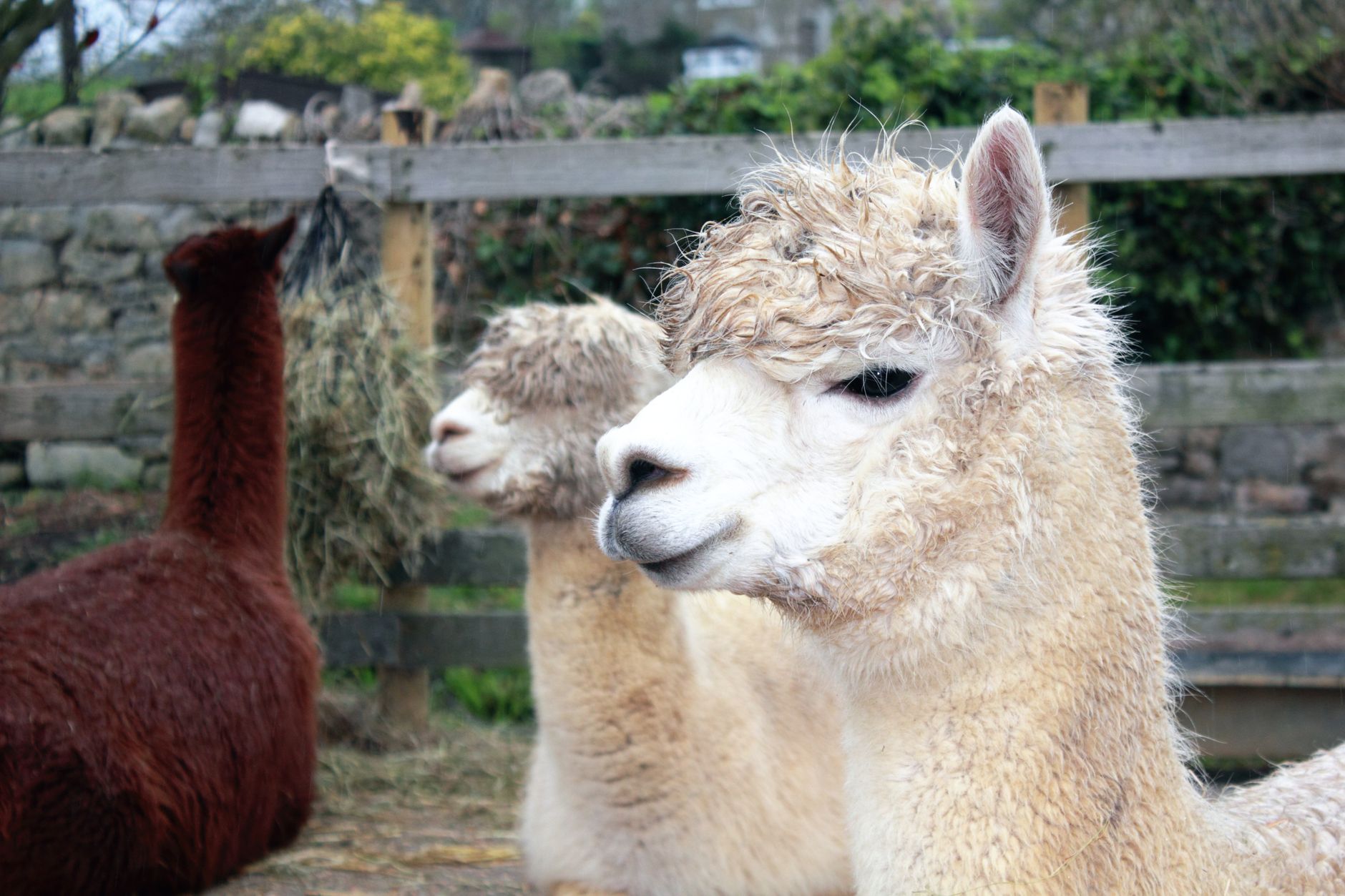 fit better. Llamas need more room to move and are more destructive to fences.
Diet and Nutrition
Both are grazers and browsers, but llamas eat more. A 125-pound alpaca eats about 2 to 3 pounds of grass hay per day. A 350-pound llama eats 5 to 7 pounds. In winter, add 10 to 20% more.
- Hay: Good quality grass hay, like timothy or orchard grass, is fine. Avoid alfalfa for most adults; it is too rich and can cause obesity.
- Supplements: A camelid-specific mineral supplement is essential. Copper and zinc are critical, but sheep minerals are toxic to camelids because they contain too much copper. Use a product like Camelid Complete or Mazuri Camelid Supplement.
- Grain: Only for pregnant or nursing females, or underweight animals. Most adults do not need grain.
Both species need constant access to fresh water. In winter, use a heated bucket or tank heater to prevent freezing.
Fencing and Shelter Costs
Fencing is the biggest upfront cost. For alpacas, 4-foot welded wire runs about $0.50 to $0.80 per linear foot. For llamas, 5-foot no-climb horse fencing costs $1.00 to $1.50 per linear foot. Add T-posts at $3 to $5 each, spaced 8 to 10 feet apart.
Shelter can be as simple as a three-sided shed. A 10x12 shed costs $500 to $1,500 if you build it yourself, or $2,000 to $4,000 prefab. You can also use a hoop barn or a lean-to against an existing building.
Shearing and Fiber Care
Alpacas need shearing once a year, usually in late spring. Llamas also need shearing, but many owners only shear the belly and legs, leaving the body coat for warmth. If you show llamas, you may shear completely.
- Alpaca shearing: A professional shearer charges $30 to $60 per animal. If you buy your own shears, a good electric clipper set costs $200 to $400. You can sell the fiber: alpaca fleece sells for $3 to $8 per ounce raw, depending on quality and micron count.
- Llama shearing: Llamas have coarser fiber, often used for rugs or rope. You may not sell it. Shearing a llama is harder because they are larger and more stubborn. Budget $50 to $80 per llama if you hire out.
If you keep alpacas for fiber, the shearing cost is offset by fleece sales. With llamas, shearing is a cost with little return.
Temperament and Handling
Alpacas are prey animals, timid and flighty. They are easier to handle if you train them from a young age. Llamas are more confident and can be protective. A llama will spit, kick, or charge if threatened, especially a male.
- Alpacas: Best for families with children, as they are less likely to be aggressive. They are herd animals and need at least one companion.
- Llamas: Can be aggressive toward dogs or strangers. They are often used as guardians for sheep or goats. A gelded male llama makes a good guardian, but a female can also work.
Both need regular handling to stay manageable. Halter training is essential. Start with a lightweight halter and lead rope, and practice leading in a small pen.
Health Care and Veterinary Costs
Both species need annual vet checkups, vaccinations, and deworming. Common health issues include parasites, dental problems, and heat stress.
- Vaccinations: CD/T (Clostridium perfringens type C and D, tetanus) annually. Cost: $15 to $25 per dose.
- Deworming: Fecal tests first, then targeted deworming. Cost: $20 to $40 per test, plus $10 to $20 for dewormer.
- Hoof trimming: Every 6 to 8 weeks. You can learn to do it yourself with a hoof knife and trimmer, which cost $30 to $50. A professional charges $20 to $40 per animal.
Llamas are generally hardier, but their size makes handling more difficult. If you need to medicate a llama, you may need a chute or a skilled helper.
Cost Comparison Table
| Item | Alpaca (per year) | Llama (per year) |
|---|---|---|
| Hay (per animal) | $200-$400 | $400-$700 |
| Shearing | $30-$60 | $50-$80 |
| Vet (vaccines, deworming) | $100-$200 | $150-$300 |
| Hoof trimming | $80-$160 | $120-$240 |
| Total (per animal) | $410-$820 | $720-$1,320 |
These are rough estimates. Costs vary by region and whether you do your own work.
Which One Should You Choose?
Ask yourself what you need. If you want fiber to spin or sell, choose alpacas. They are easier to handle, need less space, and their fleece has value. If you need a livestock guardian or a pack animal for trail work, choose a llama. They are larger, more protective, and can carry 50 to 75 pounds on a pack saddle.
If you are new to camelids, start with alpacas. They are less intimidating and more forgiving. Llamas are better for experienced keepers who can handle their size and attitude.
FAQ
Can alpacas and llamas live together? Yes, they can share pasture. They get along well, but you need at least two of each species for their social needs. A single llama with a group of alpacas can work, but the llama may become too protective and stress the alpacas.
Do llamas spit more than alpacas? Llamas spit more often, especially when competing for food or if they feel threatened. Alpacas spit too, but they are less aggressive. Both can aim accurately, so keep your distance.
How long do alpacas and llamas live? Both live 15 to 20 years with good care. Some llamas live into their mid-20s. Plan for a long-term commitment.
Can I keep a single alpaca or llama? No. Both are herd animals and can develop behavioral problems if kept alone. You need at least two of the same species, or a mixed herd with at least two of one kind.
The Bottom Line
Alpacas and llamas share basic needs: good hay, clean water, shelter, and annual shearing. The differences are in size, cost, and purpose. Alpacas are the better choice for fiber and small farms. Llamas are the better choice for guarding and packing. Match the animal to your land and your goals, and you will have a rewarding partnership for years to come.