Alpaca raising for beginners
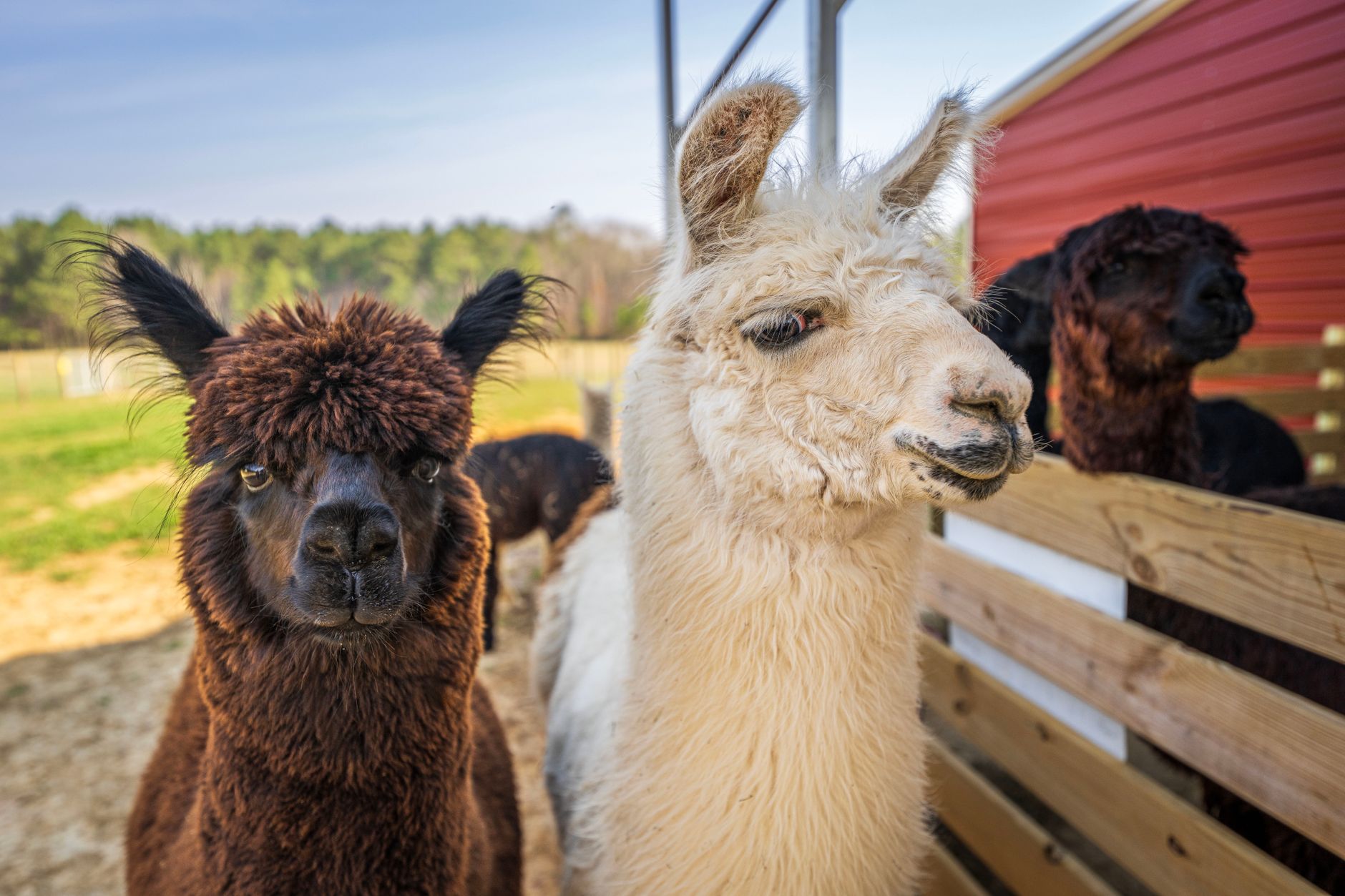
Learn the essentials of raising alpacas: costs, fencing, feed, health care, and daily routines for beginners in 2026.
Alpaca raising for beginners starts with understanding that these animals are not pets but livestock with specific needs. You can start with two to three alpacas on a half acre of good pasture, but you must plan for fencing, shelter, feed, and veterinary care. Expect to spend $1,500 to $3,000 per animal for quality breeding stock, and budget $500 to $1,000 per year per alpaca for ongoing costs. This guide covers the basics so you can decide if alpacas fit your homestead.
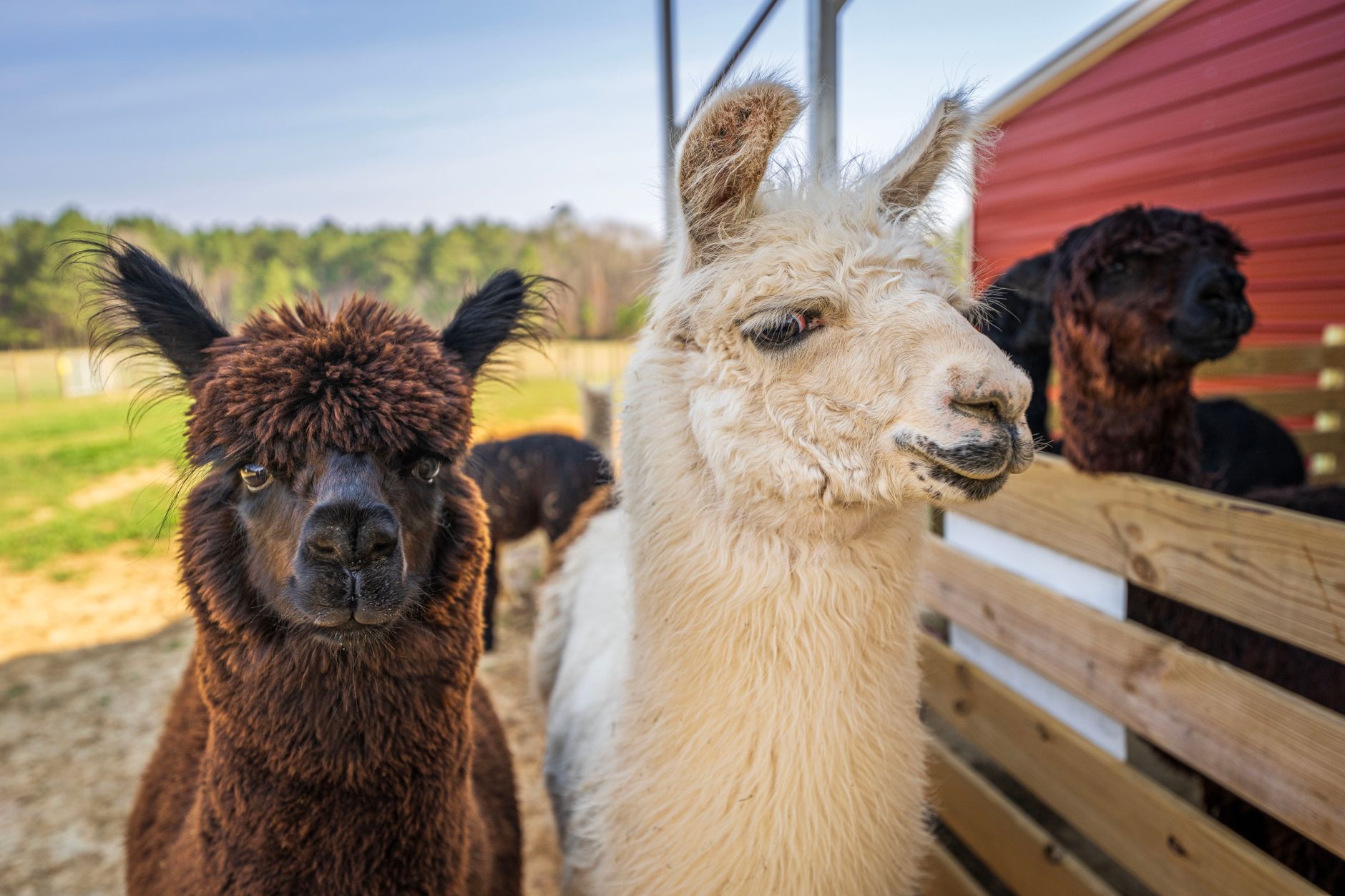
What Alpacas Need: The Basics
Alpacas are hardy in USDA zones 3 to 8, but they need shade in summer and a dry, draft-free shelter in winter. They are not like cattle; they do not do well in deep mud or extreme heat. Provide at least one acre for every five to ten alpacas, but for beginners, start with two or three animals on a half acre to learn the ropes.
Fencing and Shelter
Use woven wire fencing at least 5 feet high, with posts set 8 to 10 feet apart. Alpacas are not jumpers, but they can push through weak fences, and predators like coyotes or dogs are a real threat. A simple three-sided shelter with a roof is enough, but make sure it faces away from prevailing winds. Plan for at least 40 square feet per alpaca inside the shelter.
Feed and Water
Alpacas are grazers, not browsers. They eat grass and hay, and they need a constant supply of fresh water. In winter, you may need a heated water bucket to prevent freezing. Feed good quality grass hay, about 2% of their body weight per day. An adult alpaca weighs 100 to 150 pounds, so that is 2 to 3 pounds of hay daily. In summer, pasture can reduce hay needs, but you still need to supplement if grass is spa
 rse. Avoid alfalfa except for pregnant or nursing females, as it is too rich for maintenance.
Startup Costs and Ongoing Budget
Here is a realistic breakdown for 2026, based on current market prices. Costs vary by region and quality of animals.
| Item | Cost Range | Notes |
|---|---|---|
| Alpacas (each) | $1,500 - $3,000 | Breeding quality females are higher; pet males are lower. |
| Fencing (per foot) | $2 - $4 | Woven wire plus posts. |
| Shelter (per animal) | $500 - $1,000 | Simple pole barn or shed. |
| Annual feed (per alpaca) | $300 - $500 | Hay and supplements. |
| Annual vet care | $100 - $200 | Vaccines, deworming, checkups. |
| Shearing (per alpaca) | $50 - $100 | Professional shearer or DIY. |
| Miscellaneous | $200 - $500 | Grooming supplies, manure removal, etc. |
Total startup for two alpacas, fencing, and a basic shelter: $5,000 to $8,000. Annual costs for two: $1,000 to $1,500.
Daily and Weekly Routine
Alpacas are low maintenance once set up, but they need consistent care.
- Daily: Check water, provide fresh hay, and do a visual health check. Look for signs of lethargy, coughing, or diarrhea.
- Weekly: Clean the shelter and remove manure from high-traffic areas. Alpacas use communal dung piles, so cleaning is manageable.
- Monthly: Trim toenails, check teeth, and assess body condition. You can learn to trim nails yourself with a pair of hoof trimmers ($20 to $40).
Health Care Essentials
Alpacas are generally healthy, but they are susceptible to parasites and heat stress. Work with a veterinarian who knows camelids.
- Vaccinations: Give CD/T (Clostridium perfringens type C and D, tetanus) annually, and possibly rabies in some states.
- Deworming: Fecal tests determine if you need to deworm. Overuse of dewormers creates resistance.
- Heat stress: In summer, provide shade and fresh water. Shearing before summer is critical.
- Signs of illness: Watch for a hunched back, ears down, or not eating. Call your vet immediately if you see these.
Shearing and Fiber
Shearing is done once a year in late spring. You can hire a professional shearer ($50 to $100 per animal) or learn to do it yourself with electric clippers. The fiber, called fleece, sells for $5 to $15 per pound raw, depending on quality. A typical alpaca produces 5 to 10 pounds of fleece per year. You can sell raw fleece, or process it into yarn for higher value. But do not count on fiber income to cover costs; it is a bonus, not a profit center.
Choosing Your Alpacas
Start with two females or a gelded male and a female. Do not buy a breeding male unless you are ready for breeding management. Look for animals that are healthy, with good conformation and a calm temperament. Ask for health records and a vet check. Consider adopting from a rescue, but be aware that rescue animals may have behavioral or health issues. Buy from a reputable breeder who can provide support.
Common Mistakes to Avoid
- Overstocking: Too many alpacas on too little land leads to mud and parasites.
- Poor fencing: Weak fences invite predators. Use woven wire, not just barbed wire.
- Feeding too much grain: Alpacas do not need grain; it can cause obesity and digestive issues.
- Ignoring toenails: Overgrown nails cause lameness. Trim every 2 to 3 months.
- Not planning for shearing: If you cannot shear yourself, book a shearer early in the year.
FAQ
How much land do I need for alpacas?
For two to three alpacas, half an acre is enough if you rotate pastures and provide hay. For a larger herd, plan on one acre per five to ten alpacas.
Are alpacas easy to keep?
Yes, once you have the setup, they are relatively easy. They are quiet, gentle, and do not require daily grooming. But they do need daily water and hay checks.
Can I keep alpacas with other animals?
Alpacas can coexist with llamas, sheep, and goats, but they are prey animals and may be stressed by aggressive animals. Keep them separate from dogs unless the dog is trained and supervised.
How long do alpacas live?
Alpacas live 15 to 20 years. They are a long-term commitment, so plan accordingly.
The Bottom Line
Alpaca raising is rewarding for homesteaders who want gentle, efficient fiber animals and have the time and money for proper care. Start small, invest in good fencing and shelter, and learn the basics of health and shearing. With realistic expectations, you can enjoy these animals for years. If you are ready to commit, take a workshop or visit a local farm before buying your first alpacas.