Alpaca fiber vs merino wool
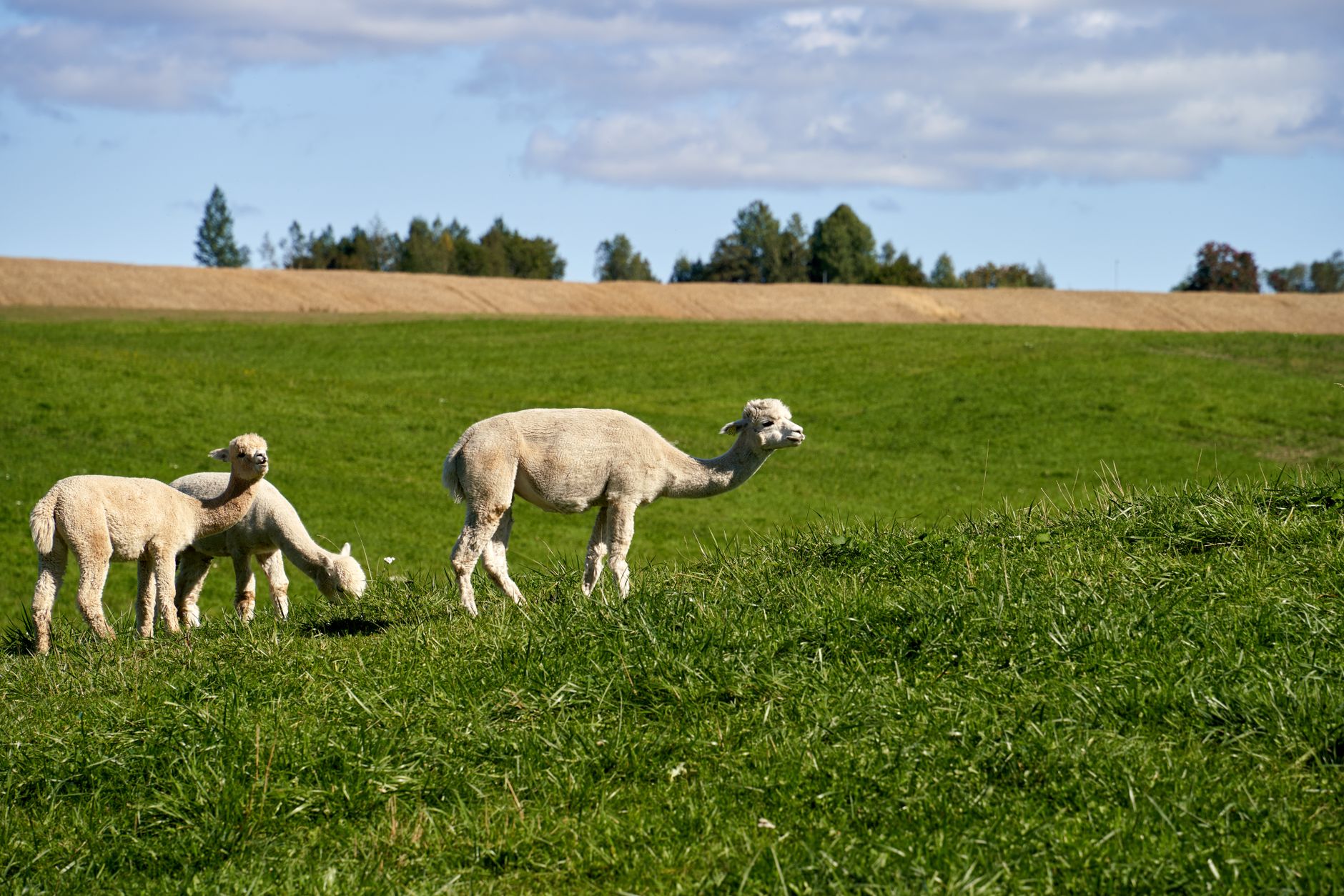
Compare alpaca fiber and merino wool for warmth, softness, durability, and price. Learn which is best for your homestead projects in 2026.
If you are deciding between alpaca fiber and merino wool for your next project, the short answer is: alpaca is warmer, lighter, and hypoallergenic, while merino is finer, more elastic, and easier to find. Both are excellent natural fibers, but they behave differently in yarn, garments, and on the animal. This guide breaks down the real differences so you can choose based on your needs, budget, and climate.
What is the difference between alpaca fiber and merino wool?
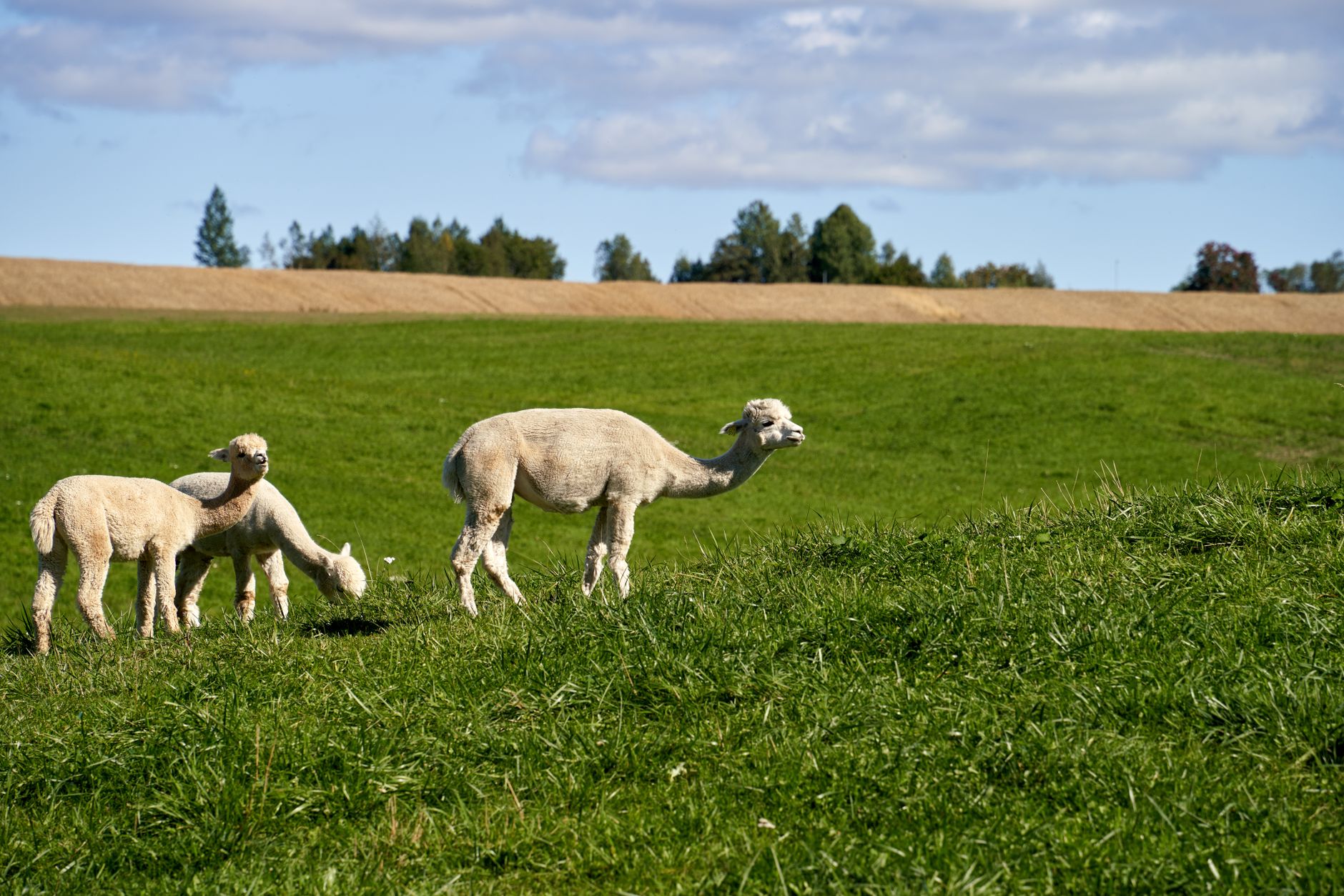
Alpaca fiber comes from the alpaca, a camelid native to South America. It is a hollow-core fiber, which makes it lightweight and excellent at trapping heat. Merino wool comes from the Merino sheep, bred for fine, crimped wool. The crimp gives merino its natural elasticity and ability to return to shape.
In practical terms, alpaca is about 20% warmer than wool of the same thickness, and it has no lanolin, so it is naturally hypoallergenic. Merino is prized for its softness, especially at micron counts below 20, and its abi
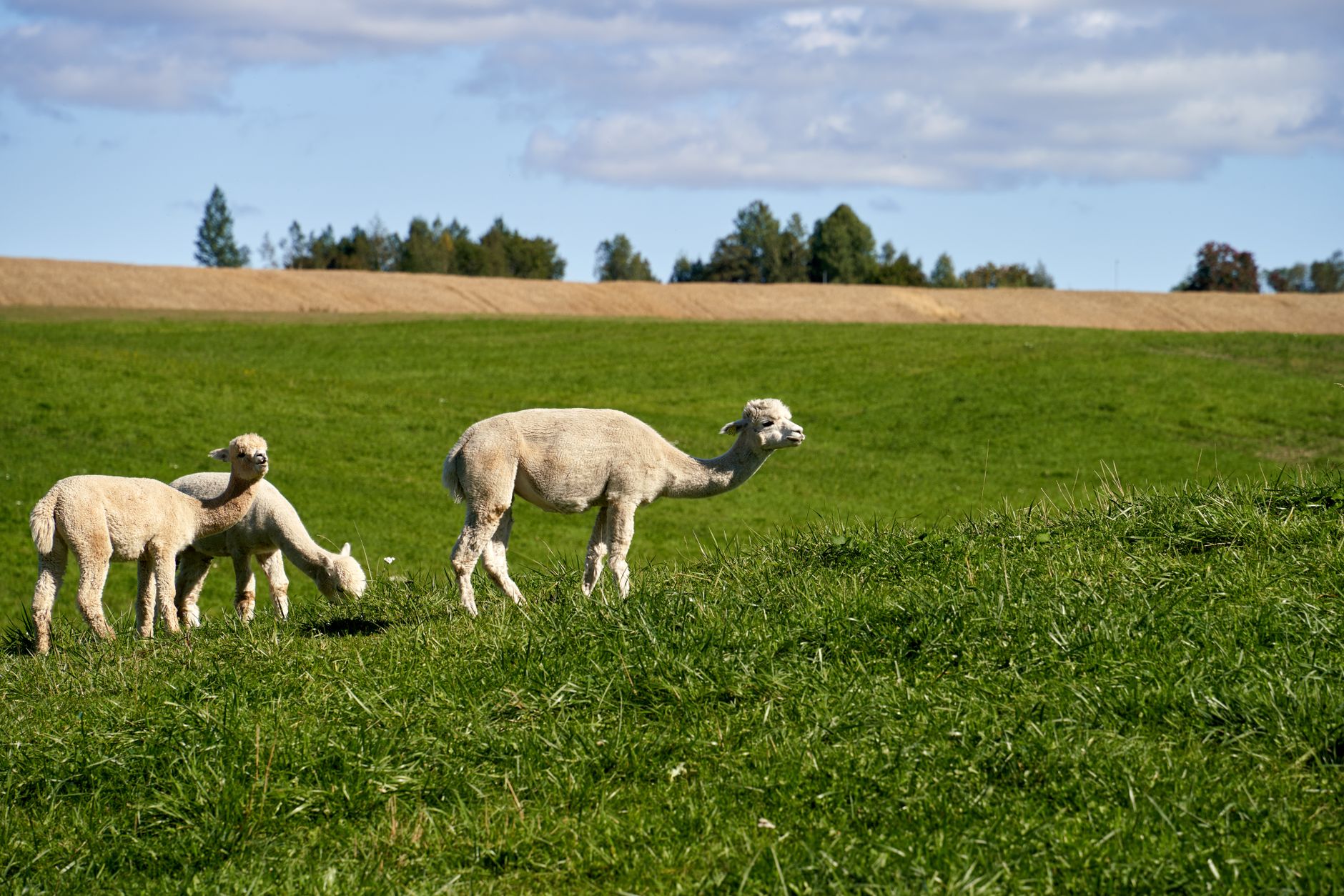 lity to wick moisture. But merino can feel itchy for some people, while alpaca rarely does.
Warmth and weight
Alpaca wins on warmth-to-weight ratio. Because the fiber is hollow, it traps air without adding bulk. A midweight alpaca sweater will keep you warmer than a similar merino sweater, and it will be lighter. For cold, dry climates, alpaca is a top choice. Merino is better for active wear because it breathes and manages moisture, but it is not as warm for the same thickness.
If you are knitting socks or base layers for hiking, merino is the standard. If you are making a blanket or a heavy winter coat, alpaca will serve you better.
Softness and micron count
Both fibers can be soft, but it depends on the micron count. Microns measure fiber thickness; lower is finer and softer.
| Fiber type | Typical micron range | Feel |
|---|---|---|
| Baby alpaca | 18-22 | Very soft, luxurious |
| Fine alpaca | 22-26 | Soft, good for garments |
| Medium alpaca | 26-32 | Slightly coarser, good for outerwear |
| Merino wool (fine) | 17-19 | Extremely soft, no itch |
| Merino wool (standard) | 20-24 | Soft, may itch for sensitive skin |
Baby alpaca is comparable to fine merino in softness. But for everyday wear, many people find alpaca less itchy because it lacks the scale structure that causes prickle. If you have sensitive skin, alpaca is the safer bet.
Durability and care
Merino wool is more elastic and resistant to pilling than alpaca, especially if it is blended with nylon or other synthetics. Alpaca fiber is strong but less springy, so it can stretch out of shape if not cared for properly. Hand wash both in cold water with a gentle detergent, and lay flat to dry. Never use a washing machine or dryer on either.
For high-wear items like socks, merino (or a merino blend) will last longer. For scarves, shawls, and blankets, alpaca is durable enough and adds a beautiful drape.
Price and availability
Alpaca fiber is generally more expensive than merino because alpacas produce less fiber per animal. A single alpaca yields 5 to 10 pounds of raw fiber per year, while a Merino sheep can produce 10 to 20 pounds. Processing costs are also higher for alpaca.
In 2026, expect to pay:
| Product | Price range |
|---|---|
| Raw alpaca fleece (per pound) | $8-$15 |
| Alpaca yarn (per 100g skein) | $15-$30 |
| Merino yarn (per 100g skein) | $8-$20 |
| Merino wool base layer (shirt) | $50-$120 |
| Alpaca sweater (retail) | $100-$300 |
Merino is easier to find in chain craft stores. Alpaca is more of a specialty item, often sold directly from farms or at fiber festivals. If you are on a budget, merino is the practical choice.
Which is better for homesteaders?
If you raise animals, the choice may already be made. Alpacas are gentle, easy on pasture, and their fiber is a premium product. Merino sheep require more land and shearing expertise, but they produce more fiber and are easier to sell in bulk.
For a small homestead, alpacas are lower maintenance: they have soft padded feet, eat less than sheep, and do not need shearing as often (once a year). But they are herd animals, so you need at least two. Merino sheep need regular hoof trimming and parasite control, but they are more versatile for meat and milk.
If you are buying fiber, consider what you will make. For warm, lightweight garments, alpaca is superior. For active wear and items that need to hold their shape, merino is better.
How to test fiber for yourself
Before committing to a large purchase, get samples. Most fiber farms sell sample cards for $5-$10. Rub the fiber on your inner wrist to test for itch. Hold it up to the light to see the halo (fuzziness). Alpaca has a soft halo, merino has a tighter twist.
Also, try spinning or knitting a small swatch. Wash it the way you plan to wash the final item. This will tell you how the fiber behaves over time.
FAQ
Is alpaca fiber warmer than merino wool? Yes, alpaca is about 20% warmer for the same thickness because the fibers are hollow, trapping more air. This makes alpaca ideal for cold, dry climates.
Can I use alpaca fiber for socks? You can, but alpaca lacks elasticity, so socks may stretch out. For socks, choose a merino blend with nylon, or use a merino-alpaca mix (like 50/50) for warmth and durability.
Is alpaca fiber hypoallergenic? Yes, alpaca fiber contains no lanolin, the natural oil in sheep’s wool that causes most allergies. Most people with wool sensitivity can wear alpaca without irritation.
Which is more expensive: alpaca or merino? Alpaca is generally more expensive due to lower yield and higher processing costs. Raw alpaca fleece runs $8-$15 per pound, while merino is often $5-$10 per pound. Finished yarn and garments reflect this difference.
The bottom line
Choose alpaca for warmth, softness, and hypoallergenic properties, especially for scarves, blankets, and sweaters. Choose merino for elasticity, moisture-wicking, and durability, especially for socks, base layers, and active wear. Both are natural, renewable, and far better than synthetics. If you can, buy from a local farm, ask for samples, and test before you invest in a full project. Your hands and your wallet will thank you.