Alpaca farming for beginners
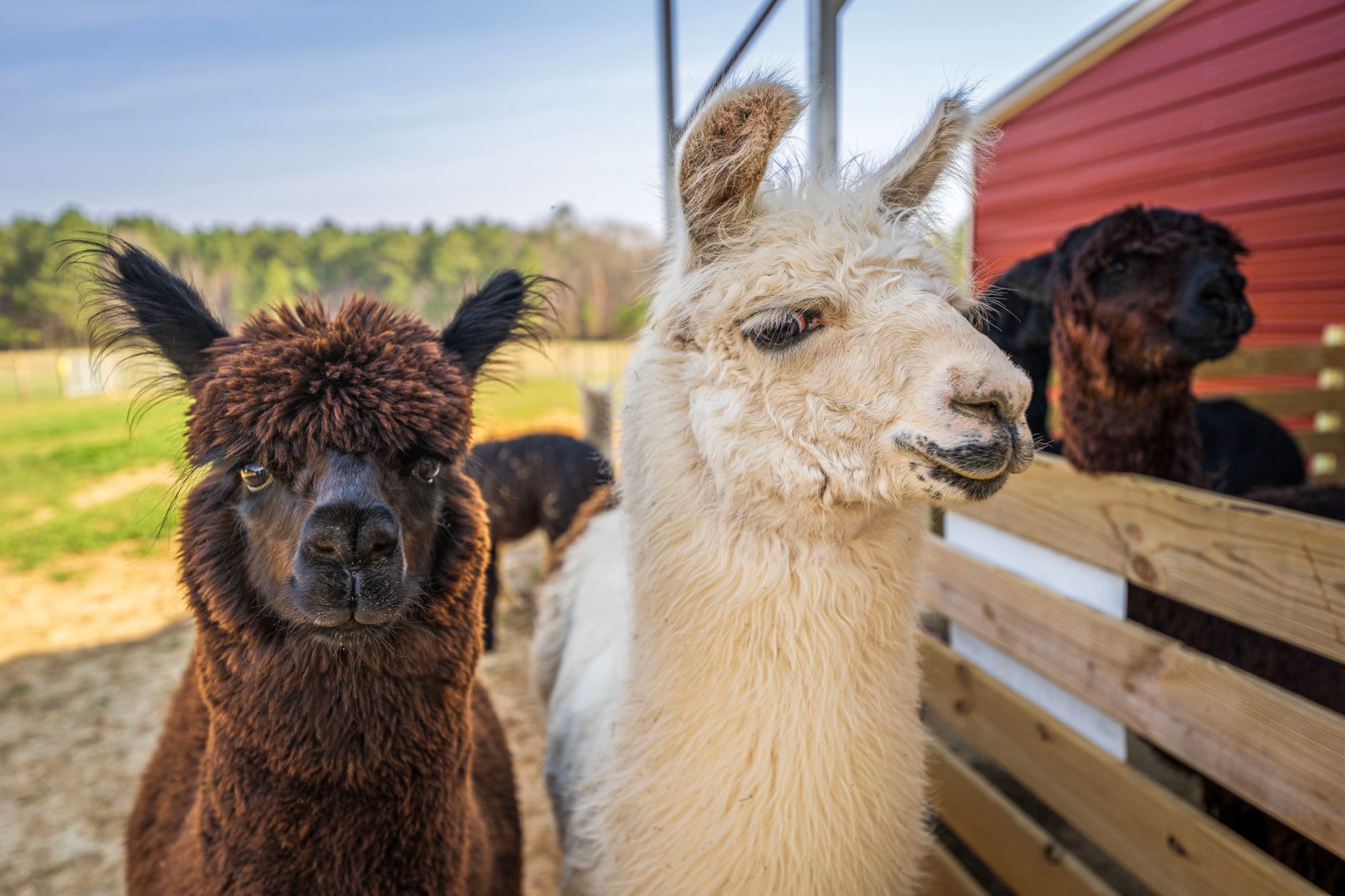
Learn the real costs, space, and daily care for starting alpacas. Covers fencing, feed, health, and first steps for homesteaders in 2026.
Alpaca farming is not a get-rich scheme, but it can be a rewarding addition to a homestead if you have the land, time, and budget. Before you buy your first animals, understand the upfront costs: $1,500 to $5,000 per animal for quality stock, plus $3,000 to $6,000 for fencing and shelter. This guide walks you through the essentials: space, fencing, feed, health, and the first steps to take this week.
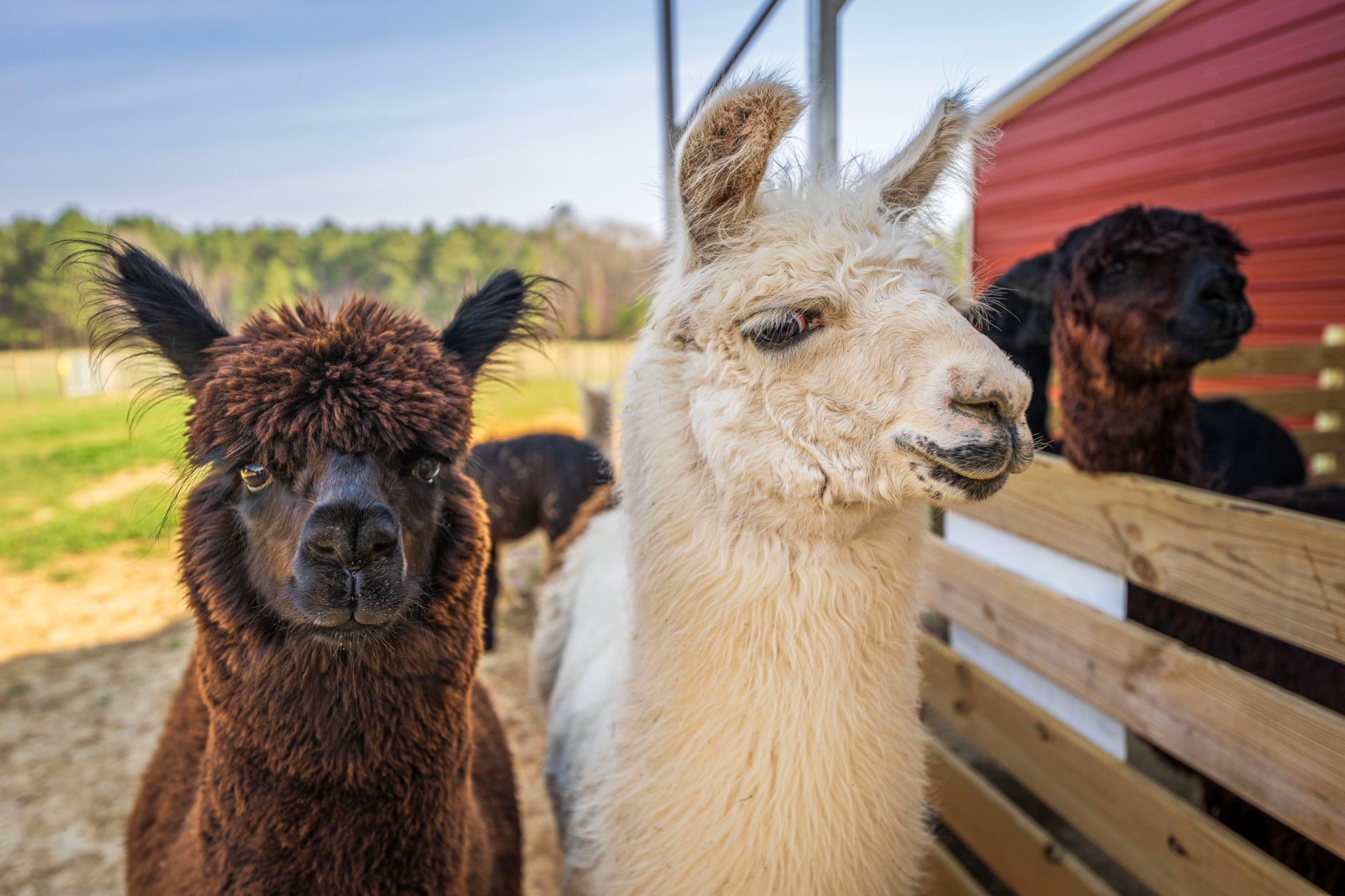
Is Alpaca Farming Right for You?
Alpacas are livestock, not pets. They need daily care, annual shearing, and regular vet visits. They are herd animals, so you must keep at least two, ideally three or more. They are gentle on pasture, but they do require secure fencing and shelter from heat and cold.
Before investing, ask yourself: Do you have at least one acre of pasture? Can you commit to 30 minutes of chores daily? Do you have a plan for their fleece, whether you sell raw fiber, s
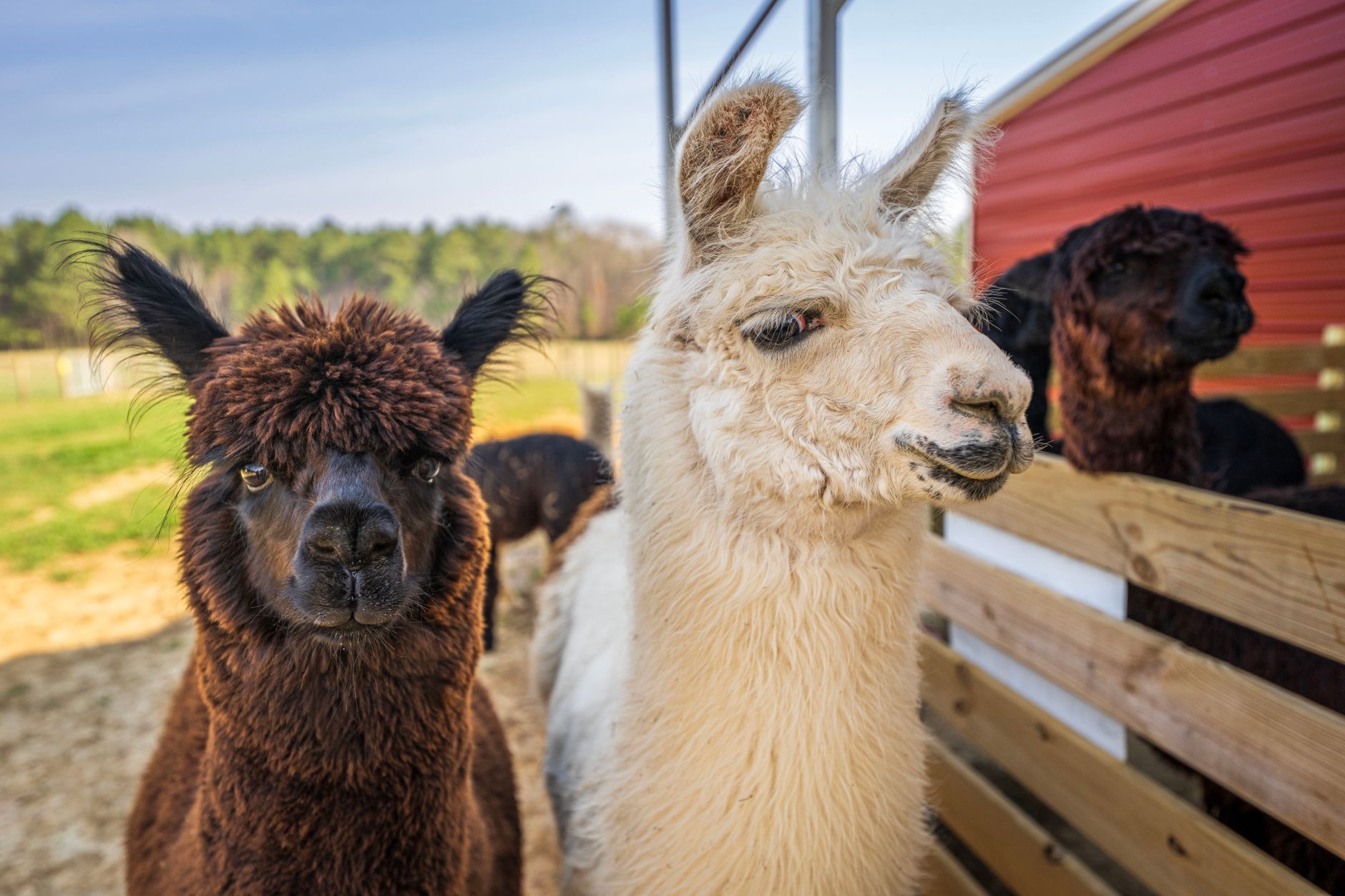 pin it, or make products? If you answered no to any of these, reconsider or adjust your plan.
Space and Fencing Requirements
Alpacas need about one acre of pasture for every 5 to 6 animals, but for beginners, start with 2 to 3 alpacas on one acre. They are efficient grazers and can overgraze small paddocks, so rotate pastures if possible.
Fencing is critical. Alpacas are not jumpers, but they are prey animals and will push against fences. Use 4-foot-high woven wire or field fence with posts every 8 to 10 feet. Avoid barbed wire; it can injure them. A top rail or hot wire can deter predators like coyotes and dogs. Budget $1.50 to $3.00 per linear foot for materials, plus labor if you hire it out.
Shelter: a three-sided run-in shed is enough, about 8x10 feet for 2 to 3 alpacas. They need shade in summer and windbreak in winter. If you have a barn, that works, but it’s not required.
Choosing Your Alpacas
There are two breeds: Huacaya (fluffy, crimped fiber) and Suri (silky, dreadlock-like fiber). Huacayas are more common and easier for beginners because their fleece is more forgiving to process. Suris require more management and higher-end markets.
Buy from a reputable breeder who can provide health records and registration papers. Look for animals that are alert, have clear eyes, and are not overly skittish. Ask about their temperament and any history of health issues. Prices vary: pet-quality or fiber-quality alpacas can be $1,500 to $3,000, while breeding-quality females can be $5,000 to $15,000. For beginners, start with wethers (castrated males) or females, not intact males, unless you plan to breed.
Daily Care and Feeding
Alpacas are ruminants, but they eat less than sheep or cattle. They need high-quality grass hay (about 2% of their body weight per day, roughly 4 to 5 pounds per adult). In winter or when pasture is sparse, supplement with alfalfa or a grain mix designed for llamas and alpacas, but go easy: obesity is a common problem.
Fresh water must be available at all times. In winter, use a heated bucket or tank to prevent freezing.
Daily chores: check for signs of illness (lethargy, not eating, diarrhea), clean water, and inspect fences and shelter. Weekly: clean the barn or shelter, check feet, and observe their droppings (they should be small, dark pellets).
Health and Veterinary Care
Alpacas are hardy but require routine care. Find a vet experienced with camelids before you need one. Annual vaccinations for Clostridium perfringens types C and D and tetanus (CD/T) are essential. Deworming is not always necessary; a fecal test will tell you if parasites are present. Overuse of dewormers leads to resistance.
Hoof trimming is needed every 6 to 8 weeks. You can learn to do it yourself with a pair of hoof trimmers ($20 to $40) and a rasp. Teeth: males develop fighting teeth, which may need trimming. Shearing is annual, usually in spring. Hire a professional shearer ($30 to $50 per animal) or take a class to learn.
Common issues: heat stress in summer (provide shade and fans), and cold stress in winter (provide shelter and extra hay). Watch for signs of parasites, such as weight loss or rough coat.
The First Steps: Your 7-Day Plan
If you are serious about alpacas, here is what to do this week:
- Visit a farm. Find a local alpaca breeder and schedule a visit. See the animals, ask questions, and observe their setup. This is the best education.
- Take a class or read a book. The Alpaca Owners Association offers resources. Books like “The Alpaca Field Manual” by Dr. Norm Evans are practical.
- Check zoning and permits. Call your county extension office to confirm you can keep livestock on your property.
- Budget. Write down all costs: animals, fencing, shelter, feed, vet, shearing, and supplies. Plan for the first year.
- Prepare the land. Test your soil and improve pasture if needed. Fencing and shelter can be installed before you bring animals home.
Costs and Income: Realistic Numbers
Startup costs for 2 alpacas:
| Item | Cost Range |
|---|---|
| Alpacas (2) | $3,000 - $6,000 |
| Fencing (200 ft) | $300 - $600 |
| Shelter | $500 - $1,500 |
| Feed and supplies (first year) | $500 - $1,000 |
| Vet and shearing (first year) | $300 - $600 |
| Total | $4,600 - $9,700 |
Ongoing costs: about $1,000 to $1,500 per year for feed, vet, and shearing for 2 alpacas.
Income: raw fleece sells for $3 to $8 per ounce, but processing and marketing take time. A single alpaca produces 5 to 10 pounds of fleece per year. You may also sell breeding stock or stud services, but that requires a higher investment. Most small farms do not break even for several years, if ever. Treat this as a lifestyle choice, not a business.
FAQ
How much land do I need for alpacas?
A minimum of one acre for 2 to 3 alpacas, but more is better. They need pasture for grazing and exercise.
Can I keep a single alpaca?
No. Alpacas are herd animals and can die from loneliness. You must have at least two, ideally three or more.
Do alpacas spit at people?
They can spit, but usually at each other over food. They rarely spit at humans unless provoked. With gentle handling, it is not a problem.
How long do alpacas live?
Alpacas live 15 to 20 years. Be prepared for a long-term commitment.
The Bottom Line
Alpaca farming is a long-term commitment that requires land, money, and daily care. Start with a visit to a farm, budget realistically, and prepare your pasture and fencing before buying animals. The rewards are not financial, but they are real: gentle animals, beautiful fiber, and a connection to the land. If you are ready for the work, alpacas can be a wonderful addition to your homestead.