Alpaca facts for beginners
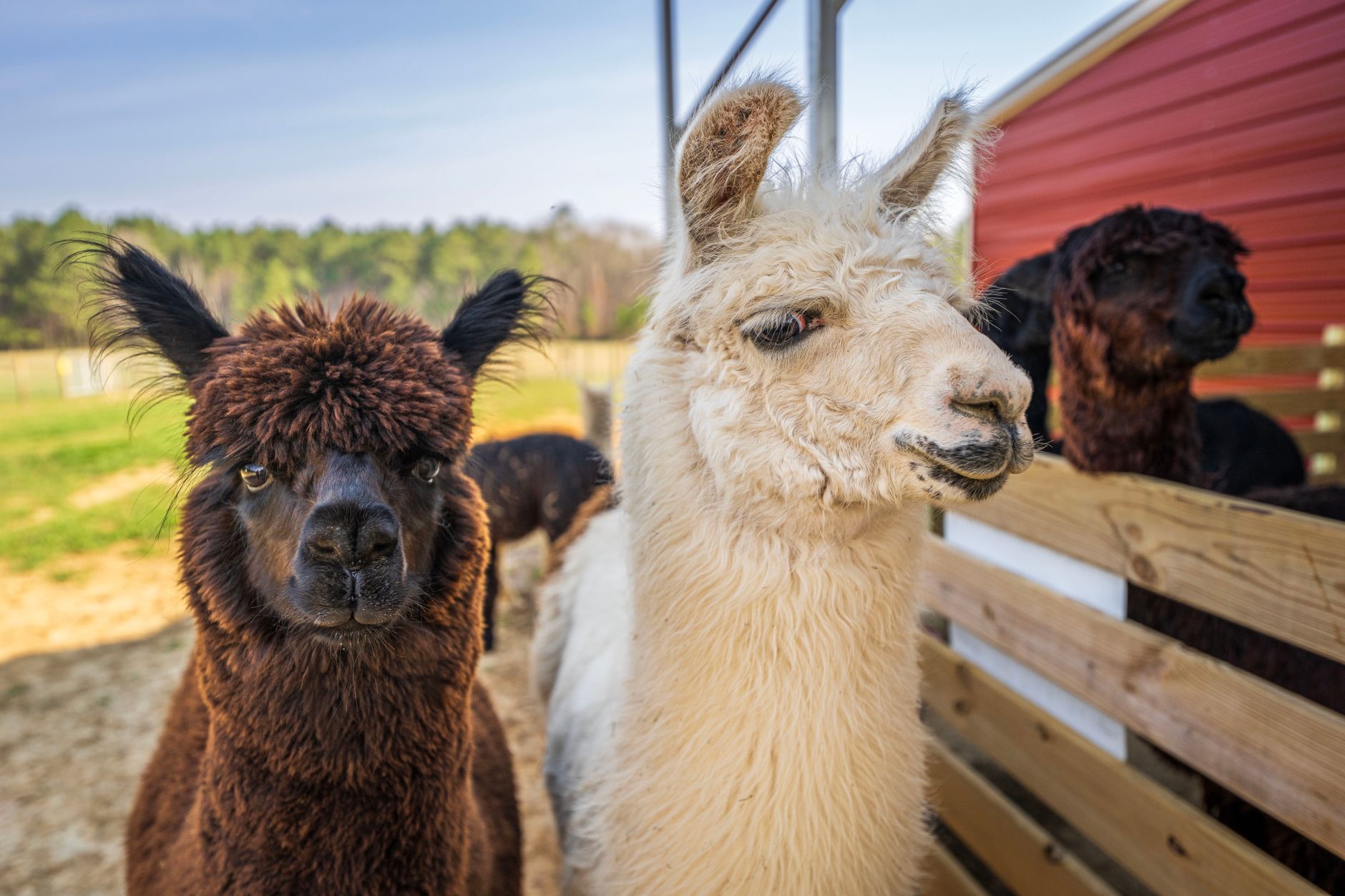
Learn the essential alpaca facts for beginners: costs, care, space, and handling. A practical guide for homesteaders considering alpacas in 2026.
If you are thinking about adding alpacas to your homestead, start with the basics: they are not pets, they are livestock, and they need more than just a pasture. This guide covers the essential facts: what they eat, how much space they need, what they cost, and how to handle them. By the end, you will know if alpacas fit your land, budget, and goals.
What Are Alpacas, Exactly?
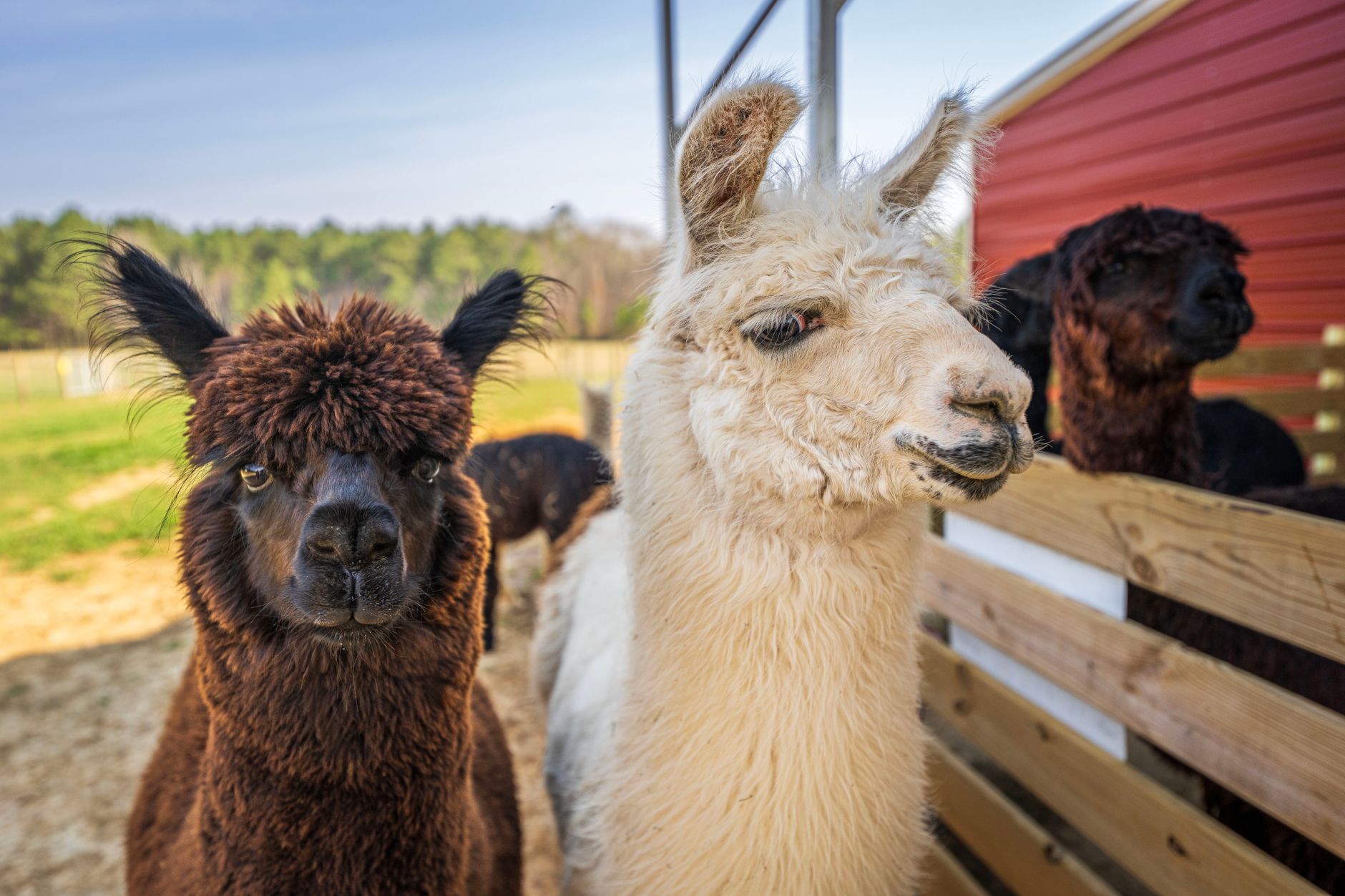
Alpacas are camelids native to South America, related to llamas but smaller and bred for fiber, not pack work. They stand about 36 inches at the withers and weigh 100 to 200 pounds. Their fleece is prized for being soft, warm, and hypoallergenic, which is why most homesteaders keep them.
There are two breeds: Huacaya and Suri. Huacaya alpacas have dense, crimpy fiber that looks fluffy, like a teddy bear. Suri alpacas have long, silky locks tha
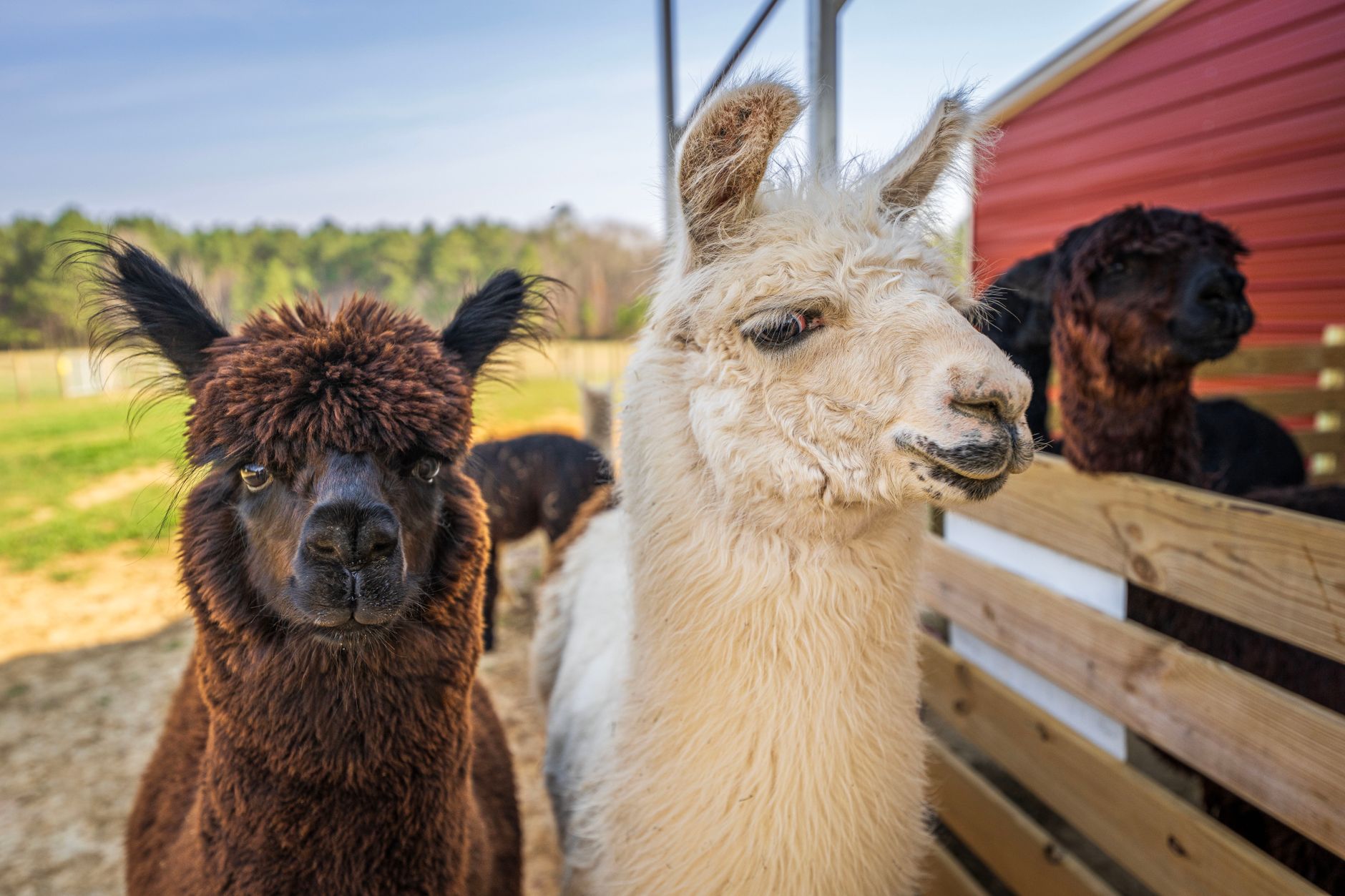 t hang down. Huacayas are more common and easier to manage for beginners, so start there.
Do You Have Enough Space?
Alpacas need more room than you might think. The general rule is 1 acre for every 5 to 10 alpacas, but that is for grazing. You also need a dry, sheltered area, especially in wet climates. Plan for at least 1/4 acre per alpaca if you are on a small homestead, and always provide a three-sided shelter or barn for protection from wind, rain, and heat.
Fencing is critical. Alpacas are not jumpers, but they are curious and can push through weak fences. Use 4 to 5 foot high field fence with small openings, or woven wire. Do not use barbed wire. A simple electric fence can work as a supplement, but not as the primary barrier.
What Do They Eat?
Alpacas are grazers and browsers, but they are efficient eaters. Their diet is mostly grass and hay. In summer, good pasture can provide most of their nutrition, but in winter or during drought, you will feed hay. Plan on 1 to 2 bales of grass hay per alpaca per month, depending on size and weather. Alfalfa is too rich for most alpacas, so stick with grass or orchard grass.
They also need a mineral supplement formulated for camelids, available at farm stores or online. Fresh water at all times, and in winter, you may need a heated bucket to keep it from freezing.
Do not overfeed. Alpacas are prone to obesity, which leads to joint problems and liver issues. A healthy alpaca should have a visible waistline, and you should be able to feel its ribs easily.
What Does It Cost to Get Started?
Alpacas are not cheap. In 2026, prices range from $500 for a pet-quality gelding to $5,000 or more for a breeding-quality female. Show-quality animals can go for $10,000 plus. For a beginner, plan to buy two or three wethers (neutered males) or females, and budget $1,500 to $3,000 per animal for good quality.
Beyond purchase price, you have ongoing costs:
- Feed and hay: $300 to $600 per year per alpaca
- Shearing: $50 to $100 per animal per year, if you hire a shearer
- Vet care: $100 to $300 per year for routine checkups and vaccinations
- Fencing and shelter: $1,000 to $3,000 upfront, depending on your setup
Total first-year cost for two alpacas: $3,500 to $7,000. That is a real investment, so make sure you are ready.
Daily Care and Handling
Alpacas are relatively low-maintenance compared to cows or horses, but they need daily attention. Check them for signs of illness, injury, or fly strike. Clean water and feed. In winter, break ice.
Handling is important. Alpacas are prey animals, so they spook easily. You need to halter-train them, especially for shearing and vet visits. Start by spending time in the pasture, sitting quietly. Then introduce a halter, and practice leading in a small pen. Be patient; it can take weeks to build trust.
Never chase an alpaca. That only makes them more fearful. Instead, use a catch pen and move slowly.
Shearing and Fiber
Once a year, usually in spring, you must shear your alpacas. If you do not, they can overheat in summer and suffer from skin infections. You can hire a professional shearer, which is easier for beginners, or learn to do it yourself. Shearing is physically demanding, so many homesteaders hire it out.
After shearing, you have the fiber. A single alpaca produces 5 to 10 pounds of fleece per year. You can sell raw fleece for $5 to $10 per pound, or have it processed into yarn, which sells for $20 to $50 per skein. But do not expect to make a profit from fiber alone unless you have a large herd and a market. For most small homesteaders, alpacas are a lifestyle choice, not a money-maker.
Health and Common Problems
Alpacas are hardy, but they have specific health needs. They need vaccinations for clostridium and tetanus, and they need regular deworming, based on fecal tests. They are also prone to heat stress, so provide shade and fresh water in summer.
One common issue is “berk,” a skin condition caused by mites. You will see hair loss and itching. Treat with an injectable or topical antiparasitic from your vet.
Another is “cria” (baby alpaca) care. If you breed, you need to be prepared for the birth, which usually happens in the morning. Most births are uncomplicated, but you should have a vet on call.
Can You Keep Just One?
No. Alpacas are herd animals and get depressed if kept alone. They can die from loneliness. You need at least two, preferably three or more. If you have only two, they will bond, but a group of three is better for social dynamics.
What About Llamas?
Llamas are larger, stronger, and often used as guard animals for alpacas. If you have a predator problem, a llama can protect your herd. But llamas are not alpacas, and they have different care needs. For a beginner, start with alpacas only.
FAQ
Do alpacas spit? Yes, they can spit, but it is usually directed at other alpacas, not people. They spit when they are annoyed or competing for food. You can minimize it by not crowding them and by feeding them in separate areas.
Are alpacas good with children? Alpacas are generally gentle and safe around children if they are handled properly. But they are not playmates. Teach children to move slowly and avoid sudden movements. Never leave a child unsupervised with any livestock.
How long do alpacas live? Alpacas live 15 to 20 years, so this is a long-term commitment. Make sure you are ready for that.
Can I keep alpacas in a suburban backyard? It depends on your local zoning laws. Many areas require a minimum lot size of 1 to 2 acres for livestock. Check with your county or city before buying.
The Bottom Line
Alpacas are rewarding animals for the right homesteader. They are quiet, gentle, and produce beautiful fiber. But they require space, money, and daily care. Start with two or three Huacaya wethers, learn to handle them, and see if you enjoy the routine. If you do, you can expand later. If not, you have not overcommitted. Do your research, visit a farm, and talk to other alpaca owners before you buy. Then you will be ready for the real thing.