Alpaca crafts for beginners
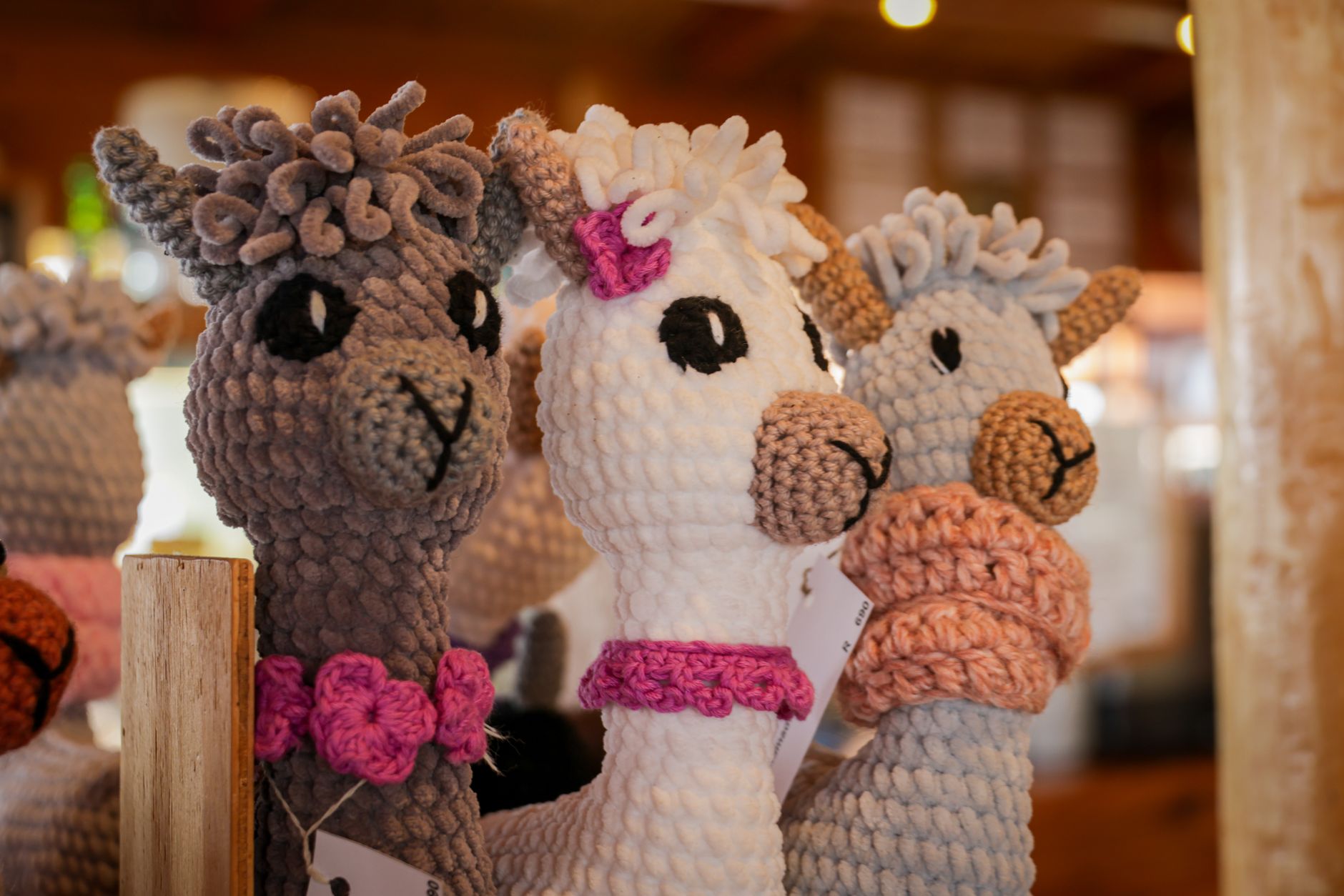
Learn beginner alpaca crafts: spinning, felting, and knitting with alpaca fiber. Get tools, steps, and realistic prices for 2026.
Alpaca fiber is warm, soft, and hypoallergenic, making it a favorite for handcrafters. If you’re new to alpaca crafts, start with three accessible projects: hand spinning, needle felting, and knitting or crochet. You don’t need a barn full of alpacas to begin; you can buy raw or processed fiber online or at local farms. This guide covers the essential tools, basic techniques, and realistic costs so you can make your first project this week.
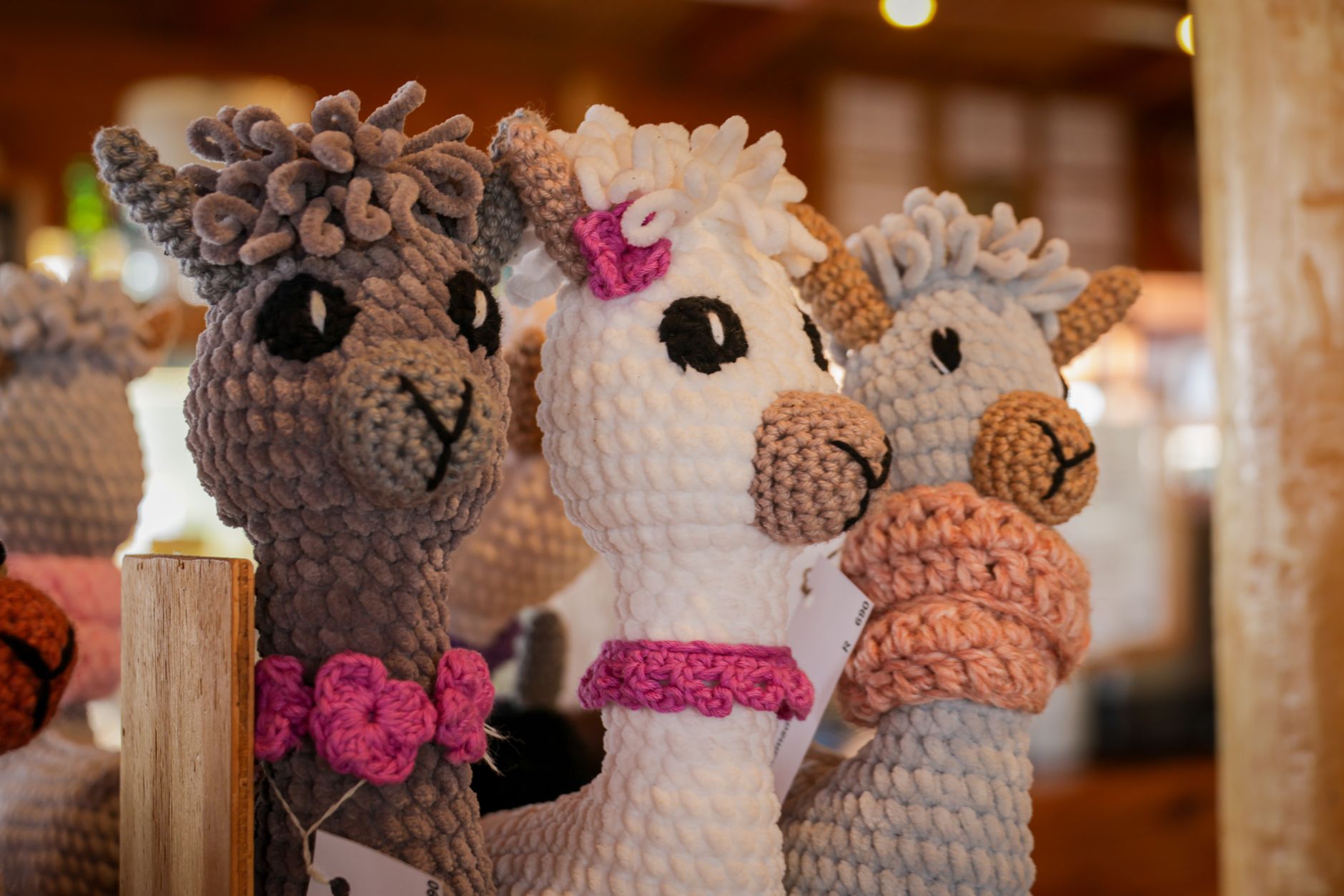
Why Alpaca Fiber?
Alpaca fiber is lighter than wool, has no lanolin (so it’s easier to wash and less likely to irritate skin), and comes in 22 natural colors. For beginners, it’s forgiving: it doesn’t felt as aggressively as sheep’s wool, so mistakes are
 easier to undo. The fiber is also strong and durable, making finished items last for years.
Getting Started: What You Need
Before you buy anything, decide which craft appeals to you. Each has different tools and costs. Here’s a breakdown for 2026:
| Craft | Essential Tools | Starter Cost Range | Skill Level |
|---|---|---|---|
| Hand Spinning | Drop spindle, fiber (roving or top) | $25-$50 | Beginner |
| Needle Felting | Felting needles, foam pad, wool roving | $15-$30 | Beginner |
| Knitting/Crochet | Needles or hook, yarn | $10-$30 | Beginner |
You can also combine crafts: spin your own yarn, then knit it. But start with one to avoid overwhelm.
Project 1: Hand Spinning with a Drop Spindle
Spinning is the most traditional alpaca craft. A drop spindle is a simple tool: a stick with a whorl (weight) that you spin by hand. It’s portable and cheap. Here’s how to start:
- Get fiber: Buy alpaca roving (combed fiber ready to spin) from a farm or online. Look for “huarizo” or “suri” blends if you want extra luster. A 4-ounce bag costs $10-$20.
- Prepare the spindle: Tie a piece of yarn around the shaft, loop it over the hook, and wind the end around the shaft to secure.
- Draft the fiber: Pull a small tuft of roving (about 6 inches long) and twist it onto the leader yarn. This is called “drafting.”
- Spin: Give the spindle a clockwise flick, let it hang, and pull fiber from the roving as it twists. Keep your hands about 4 inches apart to control thickness.
- Wind on: When the yarn gets tight, stop, unwind from the hook, and wind the spun yarn onto the shaft. Continue.
Your first yarn will be lumpy. That’s normal. Aim for a consistent thickness, but don’t stress. A 4-ounce bag will yield about 100-150 yards of thin yarn, enough for a small scarf or hat.
Tip: Practice with a cheap wool roving first if you’re nervous, but alpaca is actually easier because it has less crimp and drafts smoothly.
Project 2: Needle Felting with Alpaca Roving
Needle felting uses barbed needles to tangle fibers into shapes. It’s great for small items like ornaments, coasters, or animal figures. It’s also the fastest way to see results.
- Gather tools: You need a foam pad (about $8), felting needles (a set of 3 costs $6-$10), and alpaca roving in your chosen colors.
- Start simple: Make a ball. Roll a small handful of roving into a loose sphere, then stab it repeatedly with the needle. The barbs pull fibers inward, compacting the shape.
- Shape it: For a flat piece like a coaster, lay roving in a thin layer on the pad and felt it evenly. Add more roving to build up areas.
- Add details: Use a single needle to outline eyes or patterns. Alpaca fiber felts quickly, so you’ll see progress in minutes.
A small project like a coaster takes 1-2 hours. A 1-ounce bag of roving (about $4-$6) makes several coasters.
Safety: Felting needles are sharp. Always stab away from your fingers, and keep the pad between the needle and your lap.
Project 3: Knitting or Crocheting with Alpaca Yarn
If you already knit or crochet, this is the easiest entry. If not, it’s a skill that takes a few hours to learn the basics. Alpaca yarn is available in many weights; for beginners, choose a worsted weight (medium) yarn.
- Buy yarn: Look for 100% alpaca or an alpaca/wool blend. A 100-gram skein (about 220 yards) costs $15-$25. For a scarf, you’ll need 2 skeins.
- Choose a pattern: A simple garter stitch scarf (knit every row) or a single crochet rectangle is perfect. Both are just repetitive stitches.
- Check gauge: Knit a 4x4 inch swatch to ensure your stitches aren’t too tight or loose. Alpaca has drape, so it can stretch; keep your tension relaxed.
- Finish: Bind off loosely to avoid a tight edge. Weave in ends with a tapestry needle.
A scarf takes 4-6 hours for a beginner. The result is soft, warm, and luxurious.
Where to Buy Alpaca Fiber and Yarn
You can buy directly from farms (often cheaper), at fiber festivals, or online. Look for:
- Local farms: Search “alpaca farm near me” or check your state’s alpaca association. Many sell roving, yarn, and even raw fleece.
- Online retailers: Etsy, Amazon, and specialty sites like Paradise Fibers or The Alpaca Yarn Company. Prices vary: roving $8-$12 per ounce, yarn $15-$30 per skein.
- Fiber festivals: These happen in spring and fall across the US. You can touch the fiber and get advice from farmers.
For raw fleece (straight off the animal), expect to pay $5-$10 per pound, but you’ll need to skirt, wash, and card it, which is more advanced.
Caring for Your Finished Items
Alpaca items are delicate. Hand wash in cool water with a mild detergent (like Woolite or a wool wash), and lay flat to dry. Never wring or hang, as wet alpaca stretches. Store folded in a drawer or on a shelf, not on a hanger.
FAQ
Q: How much alpaca fiber do I need for a scarf? A: For a knitted scarf, plan on 200-300 yards of worsted weight yarn. That’s about 2 skeins (100g each) or 8 ounces of roving if you spin your own.
Q: Can I use alpaca fiber straight from the animal? A: Yes, but it needs cleaning and processing. Raw fleece contains dirt, grease, and vegetable matter. You’ll need to wash it, pick out debris, and card or comb it before spinning or felting. For your first project, buy processed roving or yarn.
Q: What’s the difference between huacaya and suri alpaca fiber? A: Huacaya has a crimpy, fluffy texture (like sheep’s wool), while suri is silky and straight with a lustrous sheen. Both are excellent for crafts; suri is more slippery to spin, so huacaya is easier for beginners.
Q: Is alpaca fiber expensive? A: Compared to sheep’s wool, yes. A skein of alpaca yarn runs $15-$30, while wool is $8-$15. But alpaca is warmer and softer, so you use less for the same warmth. Raw fleece is cheaper if you’re willing to process it yourself.
The Bottom Line
Start with one craft, buy quality tools, and practice. Hand spinning with a drop spindle is the most traditional and portable, but needle felting gives quick wins. Knitting or crochet is easiest if you already have those skills. All three are beginner-friendly with alpaca fiber. Expect to spend $25-$50 to get started, and your first project will be ready within a week. The key is to enjoy the process; alpaca fiber is forgiving, and every mistake teaches you something.
Once you’ve mastered one craft, try blending alpaca with wool for elasticity, or dyeing your own fiber with natural dyes. The alpaca community is welcoming, so don’t hesitate to ask questions at your local farm or online forum. Happy crafting!