Alpaca care for beginners
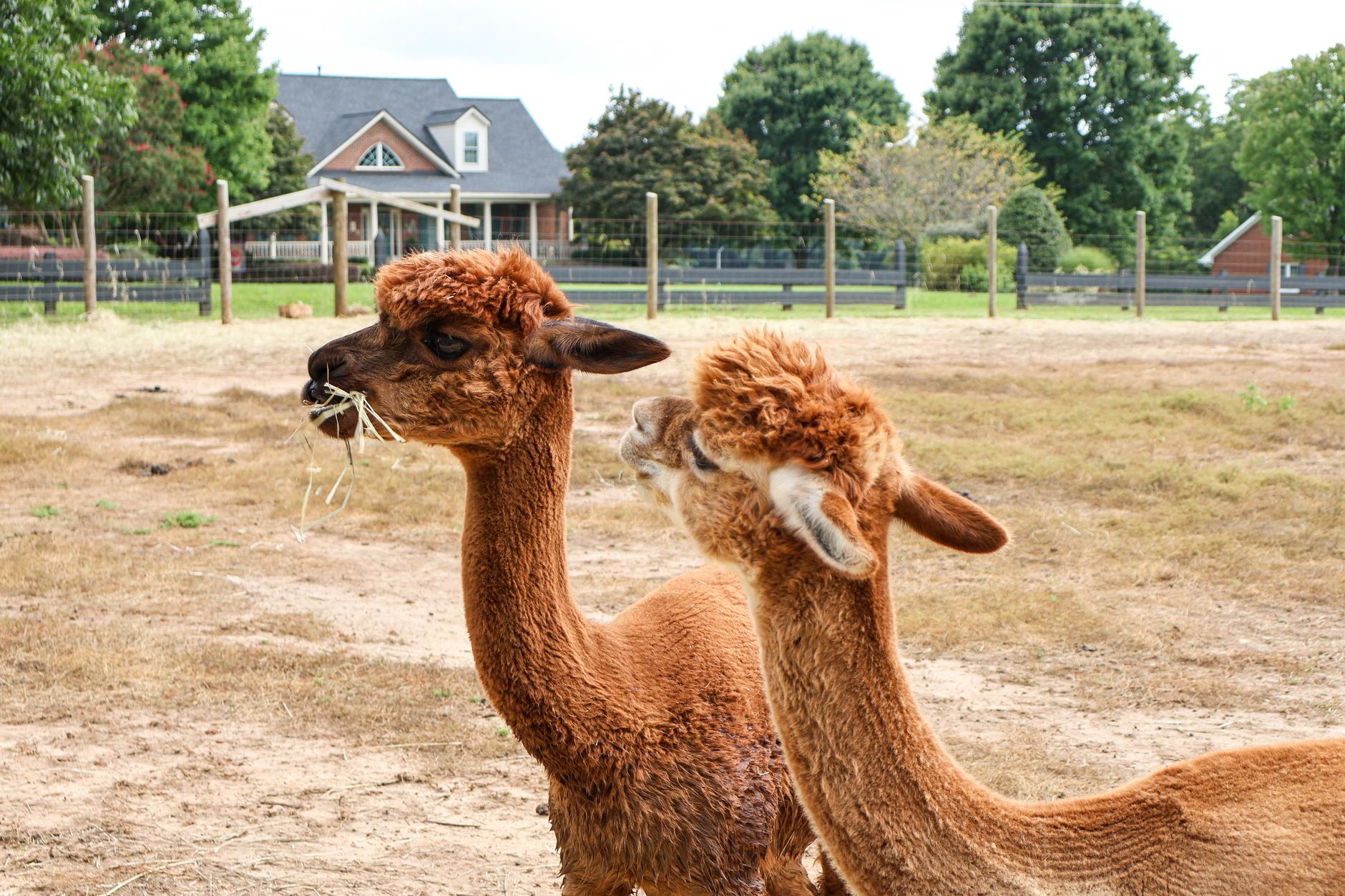
Learn the essentials of alpaca care: fencing, feeding, shearing, and health checks. Real costs, schedules, and tips for first-time owners.
Alpaca care is not complicated, but it is specific. You need secure fencing, a simple shelter, a steady supply of hay, and a twice-yearly shearing schedule. Plan on spending $2,000 to $4,000 per animal initially, plus $500 to $1,000 per year in feed, vet, and supplies. This guide covers the basics so you can start with confidence.
Fencing and Shelter
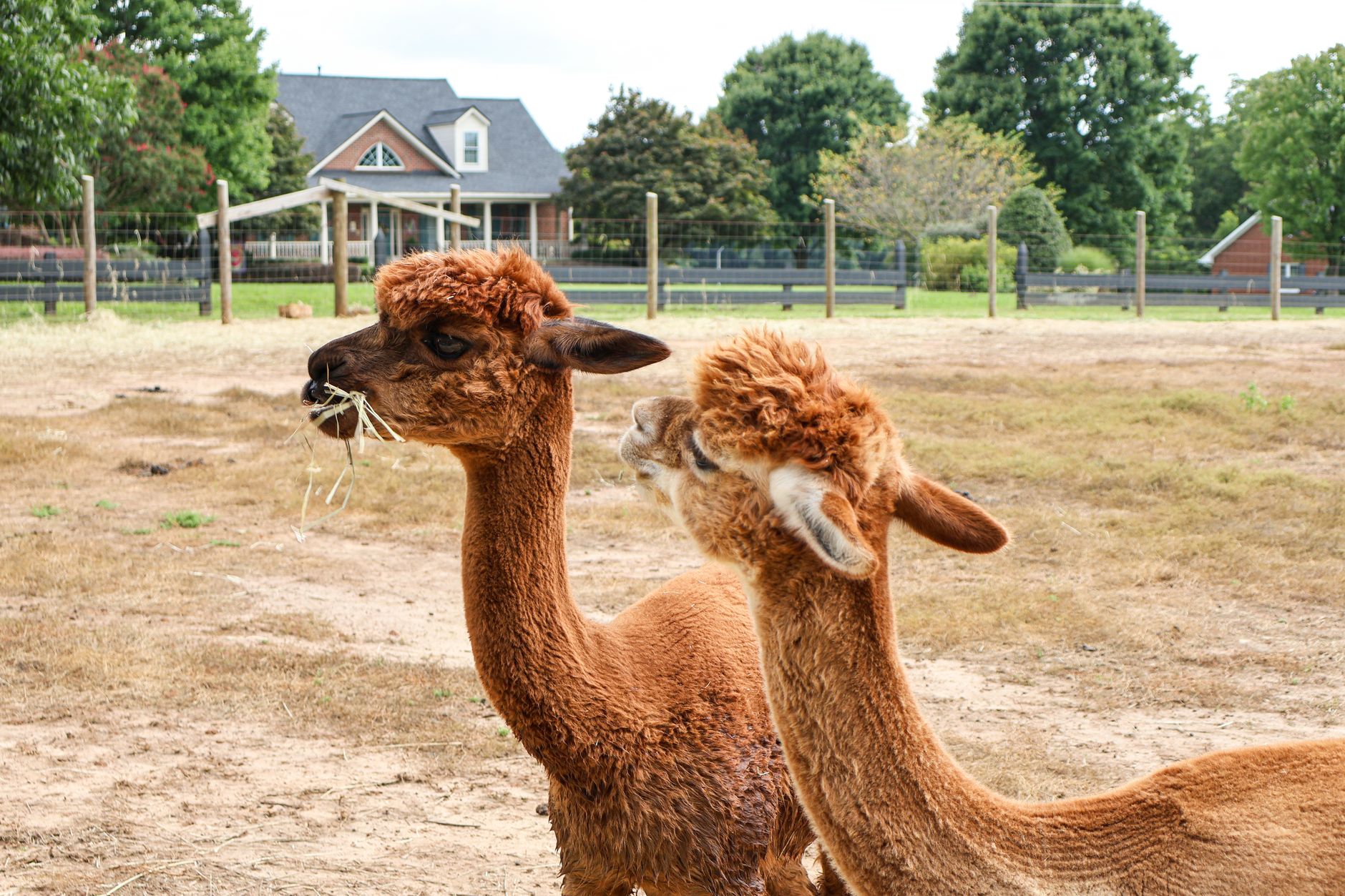
Alpacas are not escape artists like goats, but they need protection from predators. Use woven wire fencing at least 4 feet high, with posts set 8 to 10 feet apart. Avoid barbed wire; it can injure their necks and legs. A perimeter fence of 5-foot no-climb horse fence costs about $0.50 to $0.80 per linear foot, plus posts at $5 to $10 each. For a half-acre paddock, expect to spend $500 to $1,000 on materials.
Shelter can be a simple three-sided run-in shed, 8 by 12 feet for two to three alpacas. A pole barn kit costs $1,500 to $3,000, or you can build a lean-to for under $500 using scrap lumber and metal roofing. The shelter should face away from prevailing winds and have good drainage. Alpacas ar
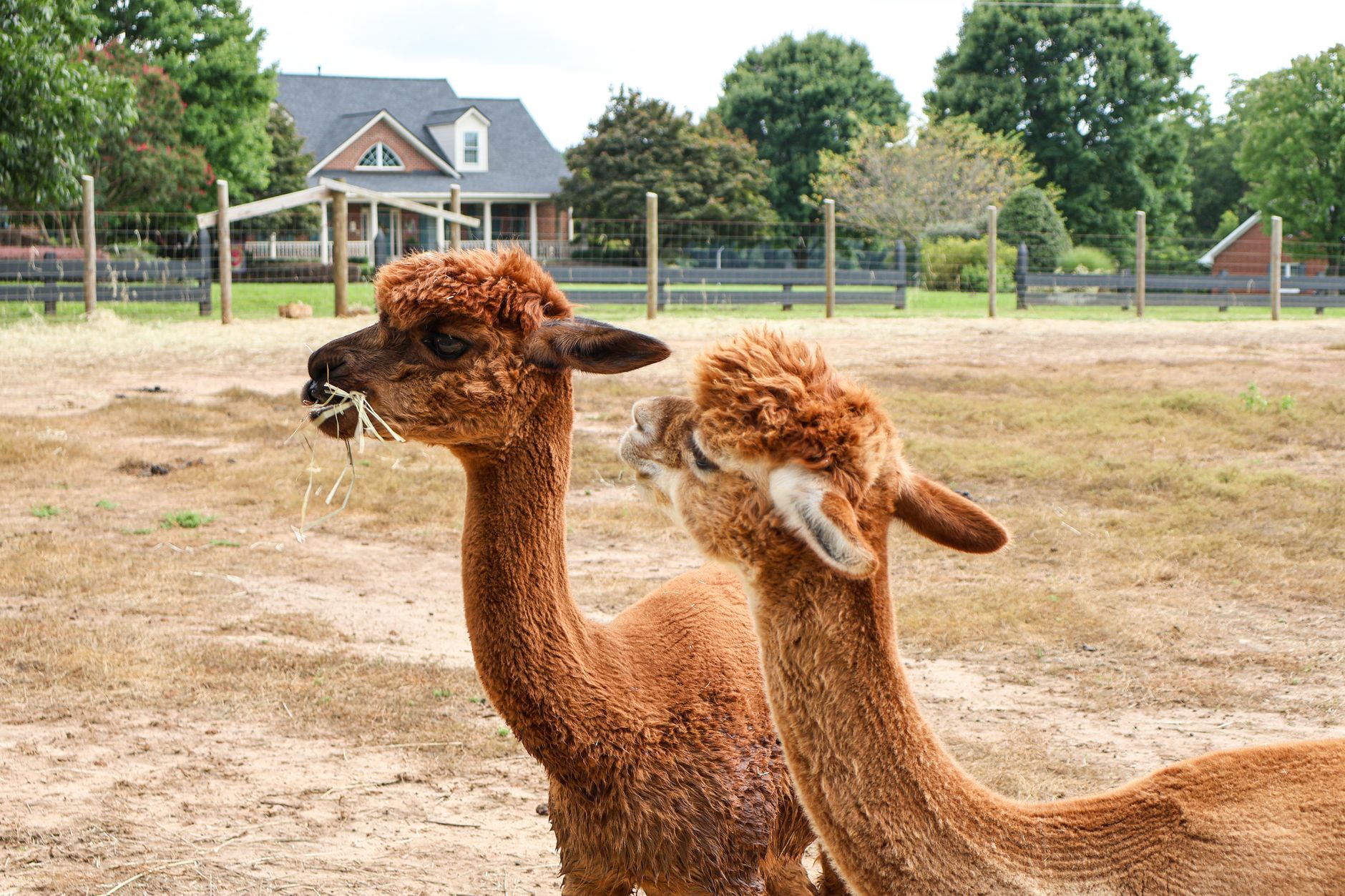 e hardy in cold, but they need shade in summer and a dry place to escape rain and snow.
Feeding and Water
Alpacas are grazers, not browsers. Their diet should be 80% grass hay, with the rest as pasture or supplements. Feed 2% of body weight per day in hay; a 150-pound alpaca eats about 3 pounds of hay daily. Good quality grass hay costs $5 to $10 per bale (50 to 60 pounds), so budget $150 to $300 per animal per year. Avoid alfalfa unless you have pregnant or lactating females; it is too rich and can cause weight gain.
Provide fresh water daily. In winter, use a heated bucket to prevent freezing. A 5-gallon bucket works for two alpacas, but a stock tank is easier. Add a mineral supplement formulated for camelids; a 50-pound bag costs $25 to $40 and lasts months.
Pasture is optional. If you have grass, rotate paddocks to avoid overgrazing. One acre supports 5 to 6 alpacas, but you will still need hay in winter or during drought. Start with hay and add pasture as you learn.
Shearing and Grooming
Shearing is the most important maintenance task. Alpacas need shearing once a year, usually in late spring before temperatures rise. If you do it yourself, buy a quality shearer like the Lister Star, which costs $400 to $600. Blades are $30 to $50 per set, and you will need a spare. Alternatively, hire a professional shearer; they charge $40 to $80 per animal, and it is worth it for the first year.
Shearing is not just for looks. Without it, alpacas overheat in summer and are more prone to skin infections. After shearing, check for mites, lice, or cuts. Trim toenails every 6 to 8 weeks; you will need a pair of hoof trimmers ($20 to $40) and a helper to hold the animal.
Health and Veterinary Care
Alpacas are hardy but need routine care. Find a vet experienced with camelids before you buy. Annual checkups cost $100 to $200 per animal, including vaccinations. Core vaccines are CD-T (clostridium perfringens C and D, tetanus) and rabies. Give CD-T annually, and rabies as required by your state.
Watch for signs of illness: lethargy, loss of appetite, diarrhea, or coughing. Alpacas are stoic, so subtle changes matter. Common issues include parasites (fecal testing is $20 to $40), and heat stress in summer. Provide shade and plenty of water during hot spells.
Quarantine new animals for 30 days to prevent disease spread. Keep a first-aid kit with wound spray, antiseptic, bandages, and a thermometer. Normal temperature is 99 to 102°F.
Daily and Weekly Routine
Daily: check water, hay, and look for signs of injury or illness. Spend 10 minutes observing each animal; you will learn their normal behavior. Weekly: clean the shelter, check fences, and refill minerals. Monthly: trim toenails, weigh animals if possible, and do a body condition score.
Alpacas are social and need at least one companion. They are not pets to be coddled, but they are curious and can be trained to lead with a halter. Spend time sitting in the paddock so they get used to you.
Costs and Initial Setup
Here is a realistic budget for your first two alpacas:
| Item | Cost Range |
|---|---|
| Alpacas (2) | $2,000 - $4,000 |
| Fencing (half-acre) | $500 - $1,000 |
| Shelter | $500 - $3,000 |
| Hay (first year) | $300 - $600 |
| Feeders, waterers | $100 - $200 |
| Shearing supplies | $400 - $600 |
| Vet and vaccines | $200 - $400 |
| Miscellaneous | $200 - $500 |
| Total | $4,200 - $10,300 |
Ongoing costs are $500 to $1,000 per year per animal, depending on hay prices and vet needs.
FAQ
How much land do I need for alpacas?
Minimum is half an acre for two alpacas, but an acre is better for rotation. They do not need much pasture if you feed hay.
Can I keep a single alpaca?
No. Alpacas are herd animals and can become depressed and ill if alone. Get at least two, preferably three for a small group.
Do alpacas spit at people?
They can, but usually only at each other over food. With gentle handling, spitting at humans is rare.
How long do alpacas live?
They live 15 to 20 years. Plan for a long-term commitment.
The Bottom Line
Alpaca care is manageable if you start with good fencing, a simple shelter, and a consistent feeding routine. The biggest costs are upfront, but ongoing care is not expensive. Shearing is the one skill you must learn or pay for, and health checks are non-negotiable. Start with two animals, find a camelid vet, and spend time observing them daily. Alpacas are rewarding livestock, and with this guide, you are ready to begin.