Alpaca advice for beginners
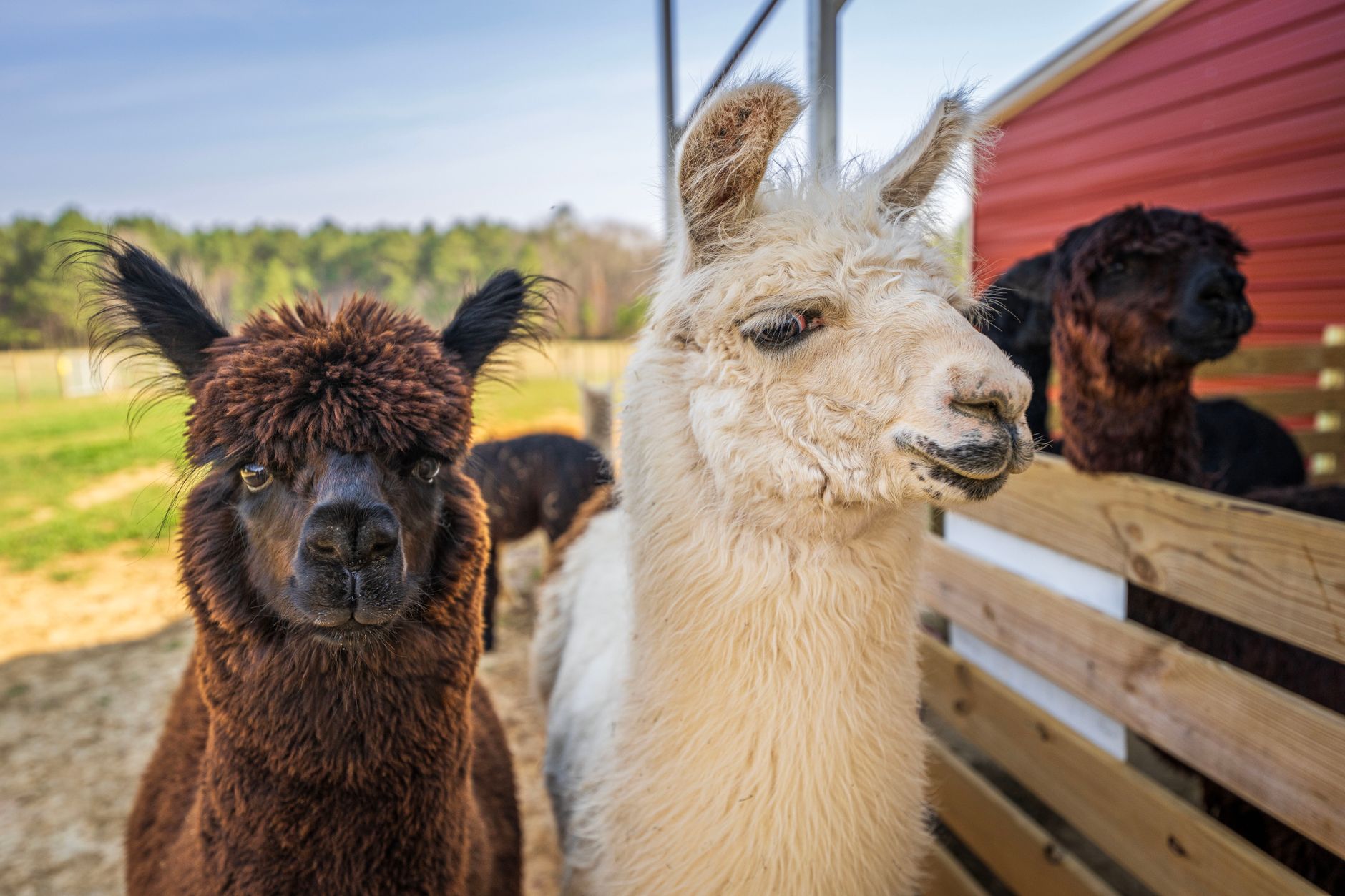
Learn the essentials of starting with alpacas: costs, fencing, feed, health, and daily care. Practical advice for homesteaders in 2026.
If you are thinking about getting alpacas, start with the basics: they are livestock, not pets, and they require daily care, secure fencing, and a budget for feed and vet bills. This guide covers what you need to know before you buy your first animals, with realistic costs and steps you can take this week.
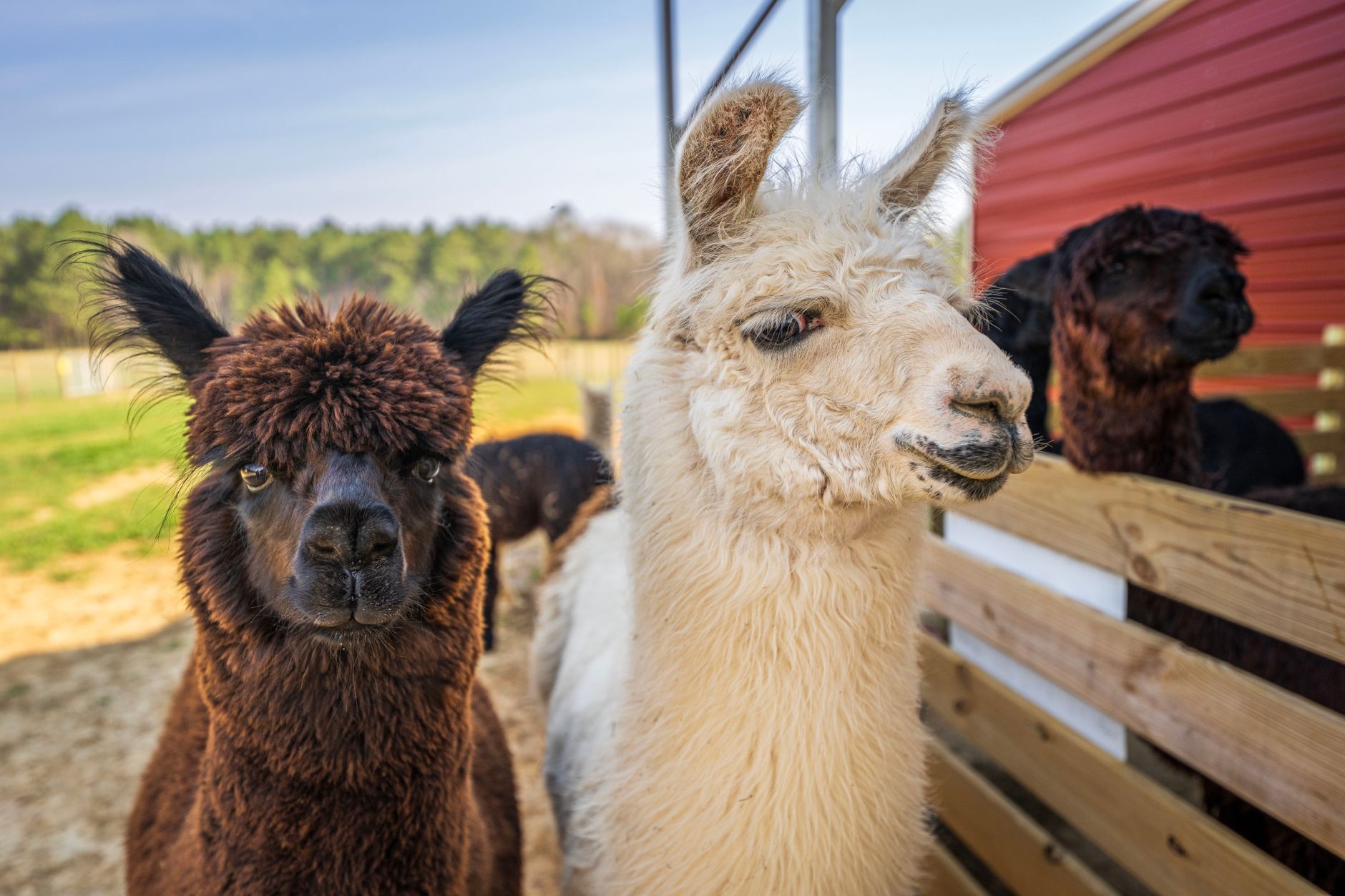
Why Alpacas?
Alpacas are gentle, hardy animals that produce luxurious fiber. They are easier on pastures than sheep or goats because they have padded feet and graze without pulling grass up by the roots. They also tend to be quieter and less destructive than many other livestock. But they are herd animals, so
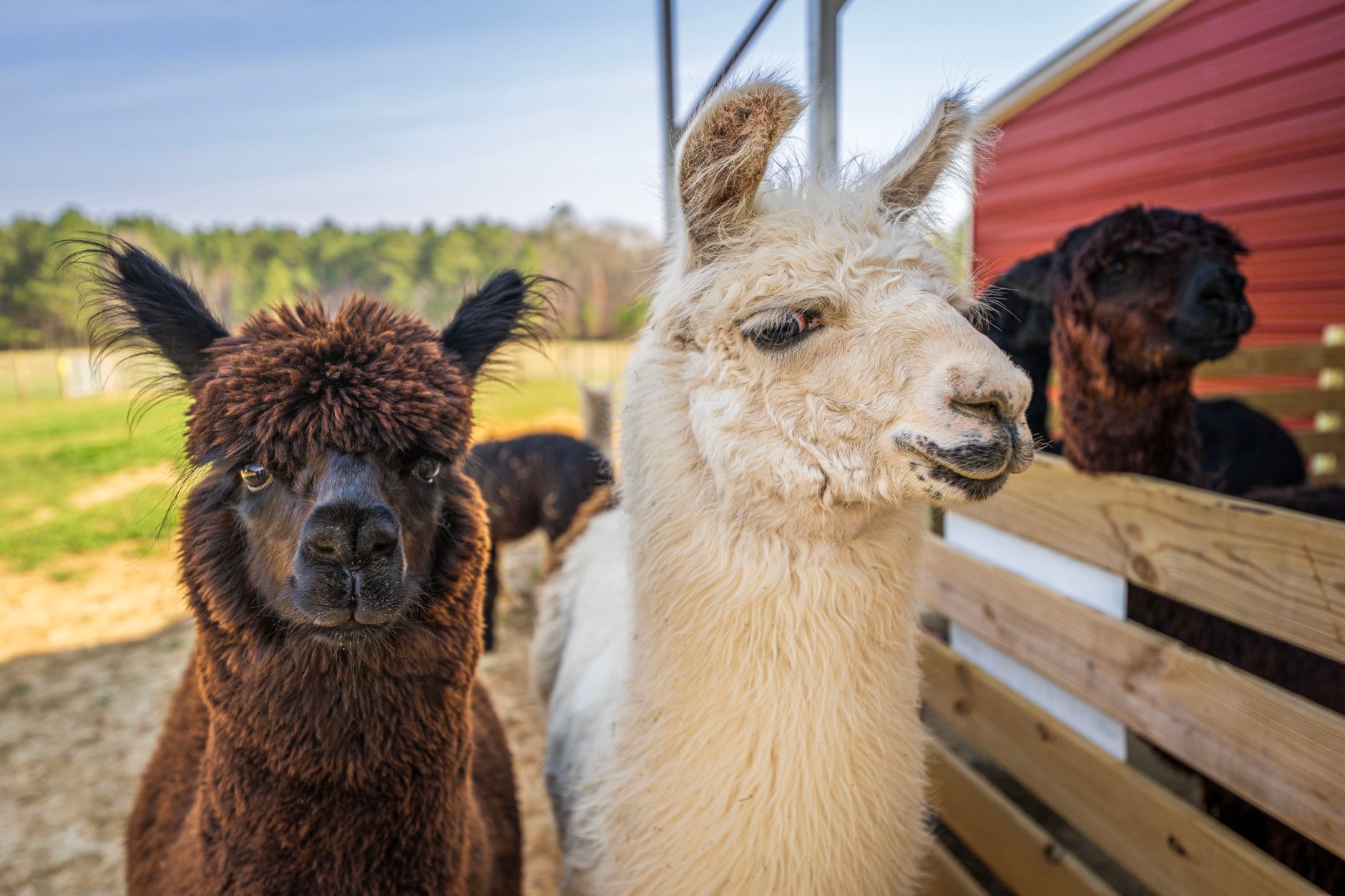 you must have at least two; a single alpaca will become stressed and may die of loneliness.
Costs: What to Expect in 2026
Here is a realistic breakdown of startup costs for two alpacas (the minimum herd size):
| Item | Cost Range |
|---|---|
| Purchase price per alpaca (pet or fiber quality) | $500 - $2,500 |
| Fencing (per foot, installed) | $2 - $5 |
| Shelter (simple three-sided run-in, DIY) | $500 - $2,000 |
| Annual feed per alpaca | $200 - $400 |
| Annual vet care (vaccines, deworming, emergencies) | $100 - $300 per alpaca |
| Shearing (per alpaca, professional) | $50 - $100 |
Total startup for two alpacas, including fencing and shelter, will likely run $3,000 to $8,000. Annual costs after that are roughly $600 to $1,400 for the pair. Prices vary by region and bloodline; show-quality or breeding stock costs more.
Fencing and Shelter
Alpacas do not challenge fences like goats, but they need secure fencing to keep predators out and alpacas in. Use woven wire or field fence at least 4 feet high, with posts every 8 to 10 feet. Avoid barbed wire; it can injure their skin and fleece. A top rail or hot wire is optional but helps deter coyotes and dogs.
Shelter can be simple: a three-sided run-in shed facing away from prevailing winds. Plan for at least 20 square feet per alpaca. They need shade in summer and a dry, draft-free place in winter. You do not need a heated barn; alpacas handle cold well as long as they are dry and have wind protection.
Feeding: Hay, Pasture, and Supplements
Alpacas are grazers, but they do best on good-quality grass hay. Feed about 2% of their body weight in hay per day; a typical alpaca weighs 100 to 150 pounds, so that is 2 to 3 pounds of hay daily. In 2026, a bale of grass hay costs $10 to $20 depending on your region. Alfalfa is too rich for most alpacas; use it only as a treat or for pregnant/lactating females.
If you have pasture, rotate them to avoid overgrazing. Alpacas are efficient eaters, but a half-acre can support 2 to 4 alpacas if managed well. Do not let them get fat; obesity causes joint problems and reduces fertility.
Provide a mineral supplement formulated for camelids (alpacas and llamas). Copper is essential, but sheep minerals contain too much copper and are toxic to alpacas. Look for a camelid-specific mineral at your feed store or online.
Fresh water must be available at all times. In winter, use a heated bucket or tank heater to prevent ice.
Daily and Weekly Care
Alpacas are not high-maintenance, but they need consistent attention:
- Daily: Check water, hay, and that all animals are alert and moving normally. Watch for signs of illness: lethargy, not eating, diarrhea, or coughing.
- Weekly: Clean the shelter and remove manure from high-traffic areas. Alpacas use communal dung piles, which makes cleanup easier.
- Monthly: Trim toenails. Use a pair of hoof trimmers (about $20 to $40). If you are unsure, ask your vet or a neighboring alpaca owner to show you.
- Annually: Shearing in spring (April or May, depending on your zone). You can hire a professional shearer for $50 to $100 per animal, or take a class and do it yourself. Shearing is essential; without it, alpacas overheat in summer.
Health and Vet Care
Find a vet who has experience with camelids before you bring animals home. Alpacas need annual vaccines (CD/T, which covers clostridium and tetanus) and regular deworming based on fecal tests. Common health issues include:
- Parasites: Barber pole worm and other internal parasites. Rotate pastures and deworm strategically, not on a fixed schedule.
- Heat stress: In summer, provide shade and plenty of water. Shearing early helps.
- Dental problems: Older alpacas may need teeth trimming. Watch for weight loss or dropping feed.
Emergency vet calls can cost $100 to $300 just for the visit, so budget accordingly. Consider pet insurance for livestock, which is available through some companies and costs $100 to $300 per year per animal.
Getting Started: Steps You Can Take This Week
- Research local regulations: Check zoning and livestock ordinances in your area. Some towns require a minimum lot size or a permit.
- Visit an alpaca farm: Talk to owners, see their setup, and ask about their costs and challenges. Most are happy to share.
- Take a class or webinar: Many farms offer beginner alpaca workshops, either in person or online. Expect to pay $50 to $150.
- Prepare your land: Install fencing and shelter before you bring animals home. It is easier to do this before the alpacas arrive.
- Find a vet: Call local large-animal vets and ask if they treat alpacas. If not, ask for a referral.
- Budget: Calculate your startup and annual costs, and set aside an emergency fund of at least $500.
FAQ
How much land do I need for alpacas?
A good rule of thumb is 1 acre per 5 to 6 alpacas, but you can start with two alpacas on a half-acre if you supplement with hay. The key is to avoid overgrazing; if your pasture is small, plan to feed more hay.
Are alpacas easy to train?
Alpacas are intelligent and can learn to lead on a halter and load into a trailer, but they are not as trainable as dogs. Start handling them daily from a young age. Be patient; they respond best to calm, consistent handling.
Do alpacas get along with other animals?
They can coexist with llamas (as guardians) and with goats or sheep if introduced carefully. However, alpacas can be stressed by aggressive animals. Many homesteaders keep alpacas with a llama or a livestock guardian dog for predator protection.
What do I do with the fleece?
You can sell raw fleece, have it processed into yarn, or learn to spin it yourself. Raw fleece sells for $5 to $15 per pound, depending on quality. Processing into yarn costs $8 to $15 per pound. Many owners simply enjoy using the fiber for their own projects.
The Bottom Line
Alpacas can be a rewarding addition to a homestead, providing fiber, companionship, and gentle grazing. But they are a long-term commitment (they live 15 to 20 years) and require daily care, secure fencing, and a budget for feed and vet bills. Start by visiting farms, preparing your land, and finding a knowledgeable vet. If you do your homework, you will be ready to welcome your first alpacas with confidence.