How to grow garlic
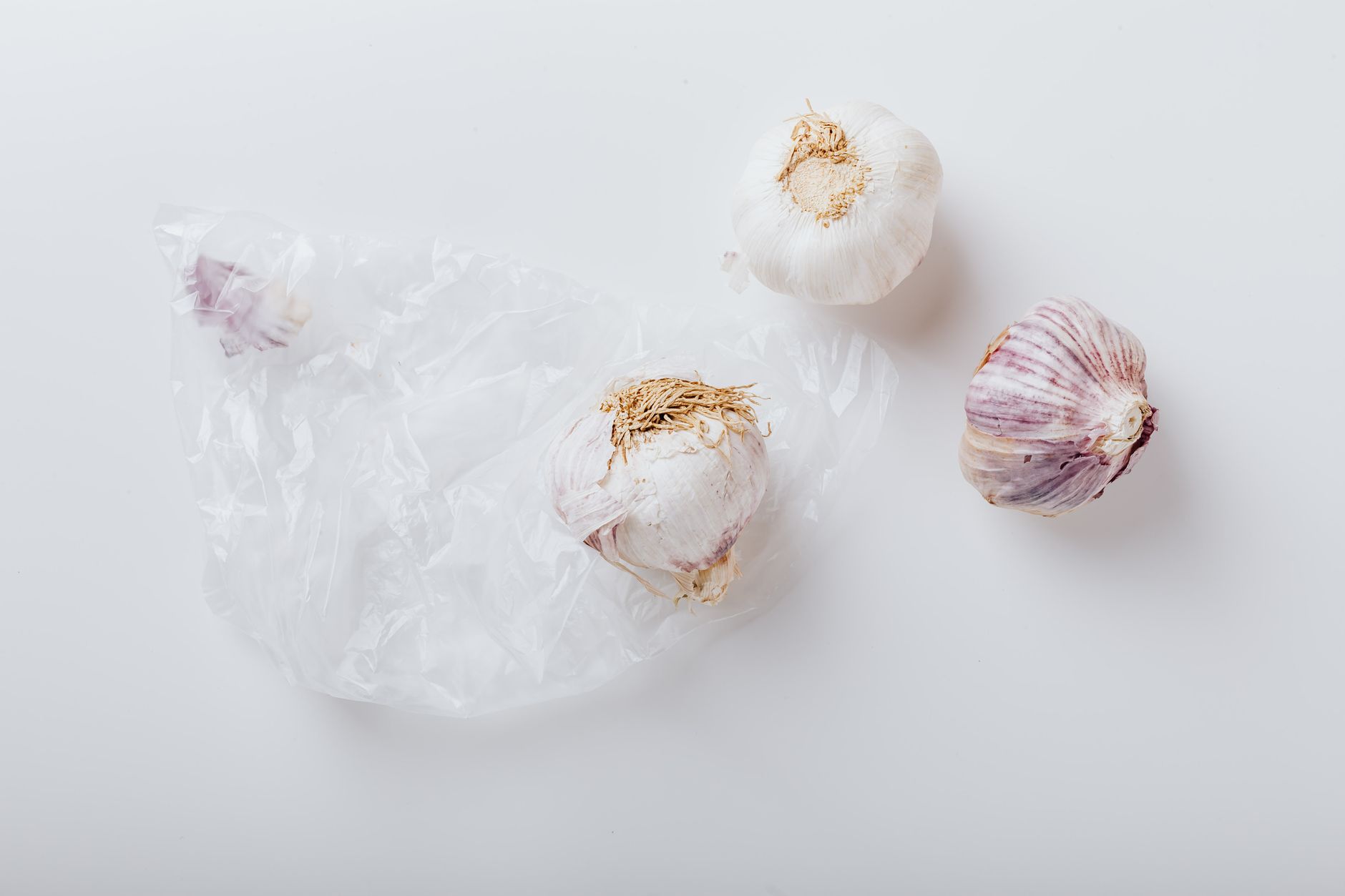
Learn how to grow garlic successfully: planting times, soil prep, variety selection, and harvest tips for zones 3-9. Realistic yields and costs included.
Garlic is one of the easiest crops for a home garden or small farm, but only if you plant the right variety at the right time and give it the soil it demands. The single most important rule: plant in fall, about 4 to 6 weeks before the ground freezes, so roots establish before winter. For most of the US, that means October for zones 3-5, late October to November for zones 6-7, and November to early December for zones 8-9. If you miss that window, you can plant in early spring, but expect smaller bulbs and lower yields.
Choose the right variety
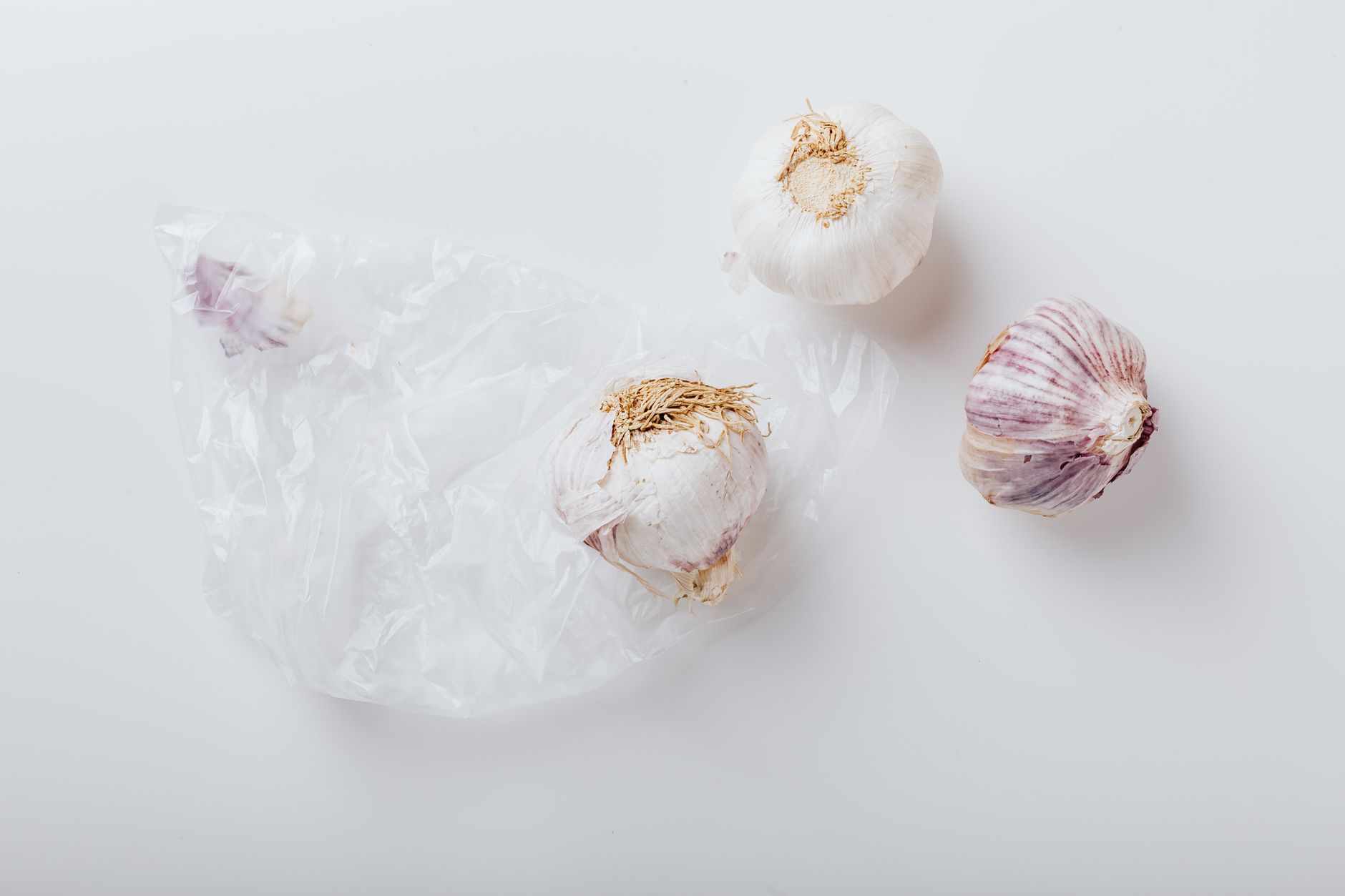
Garlic falls into two main types: hardneck and softneck. Hardneck varieties produce a flower stalk (scape) and have fewer, larger cloves per bulb; they are more cold-hardy and have more complex flavors. Softneck varieties do not bolt, store longer, and are what you find in most grocery stores. For northern climates (zones 3-6), hardneck is the safer choice. For southern zones (7-9), softneck often performs better because it needs less winter chill.
Here are proven varieties for different regions:
| Variety | Type | Best Zones | Flavor | Storage |
|---|---|---|---|---|
| Music | Hardneck | 3-7 | Strong, spicy | 4-6 months |
| German Extra Hardy | Hardneck | 3-6 | Rich, hot | 4-5 months |
| Chesnok Red | Hardneck | 3-7 | Sweet, roasted | 5-6 months |
| Inchelium Red | Softneck | 5-9 | Mild, buttery | 6-8 months |
| California Early | Softneck | 6-9 | Mild, classic | 8-10 months |
| California Late | Softneck | 6-9 | Mild, pungent | 8-10 months |
Buy seed garlic from a reputable nursery or online supplier, not from the grocery store (which may be treated to prevent sprouting). Expect to pay $10 to $15 per pound for seed garlic, and you’ll
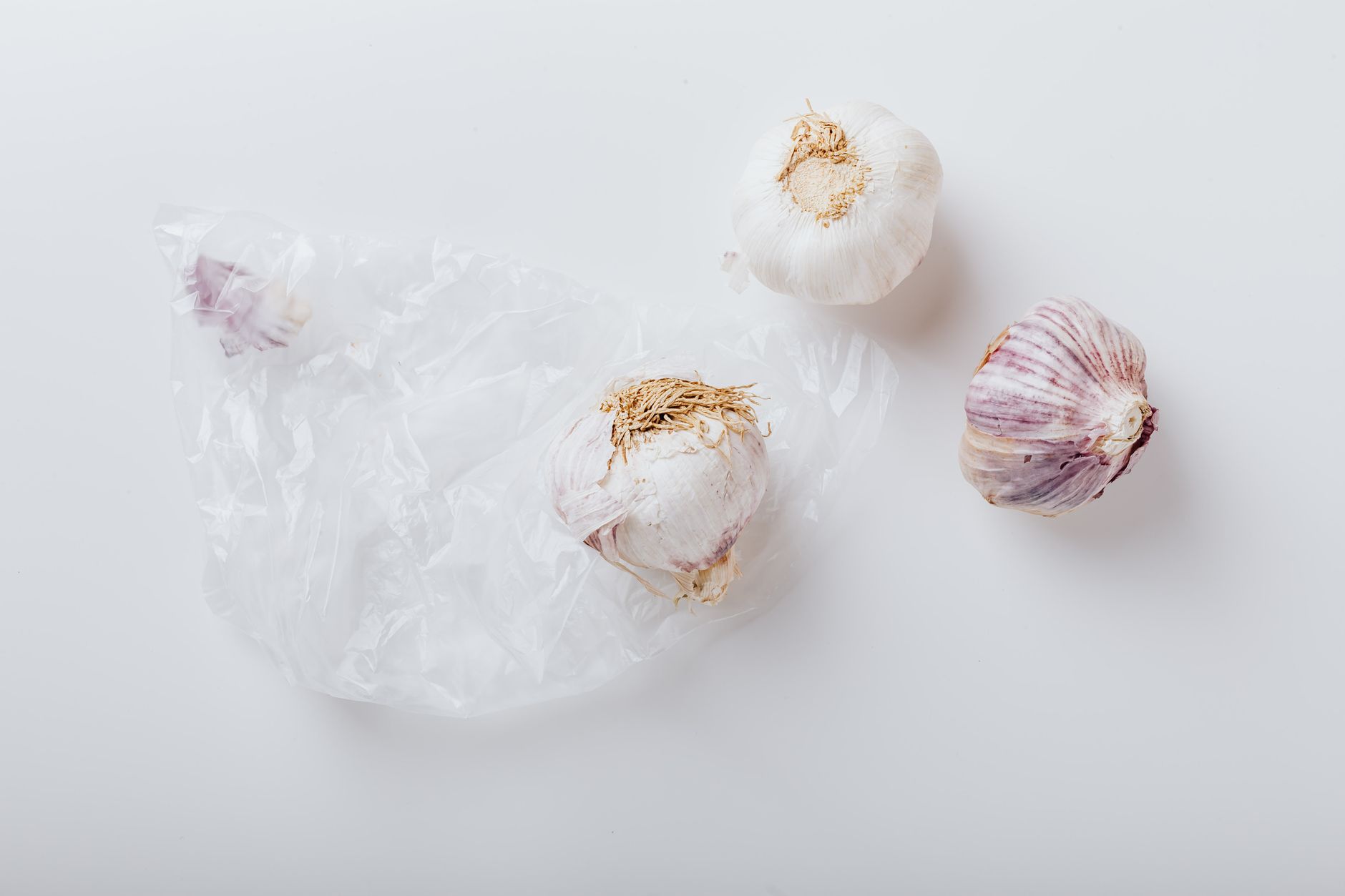 need about 1 pound for every 50 to 60 cloves, which plants a 25-foot row.
Prepare the soil
Garlic needs full sun (at least 6 hours) and well-drained soil with a pH between 6.0 and 7.5. Heavy clay or waterlogged soil will rot the bulbs. If your soil is heavy, consider raised beds or amend with compost.
Two weeks before planting, work in 2 to 3 inches of compost or aged manure, plus a balanced fertilizer like 10-10-10 at a rate of 1 pound per 50 square feet. Do not use fresh manure; it can burn roots and introduce pathogens. If your soil is low in phosphorus or potassium, add bone meal or kelp meal according to soil test recommendations.
Plant the cloves
Break apart the bulb into individual cloves just before planting, keeping the papery skin on. Choose the largest cloves; small cloves produce small bulbs. Plant each clove pointy end up, 2 to 3 inches deep (measured from the tip of the clove to the soil surface), and 6 to 8 inches apart in rows 12 to 18 inches apart. In heavy soil, plant shallower (2 inches); in sandy soil, deeper (3 inches).
After planting, water in well, then mulch with 4 to 6 inches of straw or shredded leaves. Mulch protects against winter freeze-thaw cycles and suppresses weeds. In spring, pull back some mulch once shoots emerge, but keep a light layer to retain moisture.
Care through the season
Garlic needs consistent moisture, about 1 inch of water per week, especially in spring when bulbs are forming. Stop watering about 2 weeks before harvest to let bulbs cure. Fertilize in early spring (March or April) with a nitrogen-rich feed like blood meal or fish emulsion at a rate of 1 pound per 50 square feet. Side-dress along the rows and water in.
For hardneck varieties, you’ll see scapes (curly flower stalks) in late spring. Cut them off when they curl, usually late May to early June. This directs energy to bulb growth, not seeds. Scapes are edible; sauté them like green beans.
Weeds are your biggest enemy. Hand-pull or hoe shallowly, as garlic roots are near the surface. Mulch helps, but you’ll still need to weed weekly.
Harvest and cure
Garlic is ready to harvest when the lower leaves turn brown but the upper leaves are still green, typically 8 to 10 months after planting. For hardneck, that’s usually late June to July; for softneck, July to August. Dig up a bulb to check; if the cloves fill the skin and the bulb is firm, it’s ready. Do not wait until all leaves are brown, or the bulb will split and store poorly.
Use a garden fork to loosen the soil, then pull the bulbs gently. Shake off excess soil, but do not wash them. Cure in a dry, shaded, well-ventilated area (like a shed or garage) for 2 to 4 weeks. Hang them in bundles or lay them on a screen. Once the necks are dry and the outer skin is papery, trim the roots and cut the stems to 1 inch for softneck, or braid them if you prefer.
Store cured garlic in a cool, dark, dry place (50-60°F) with good air circulation. Hardneck keeps 4-6 months; softneck 8-10 months. Do not store in the refrigerator; it will sprout.
Troubleshooting common problems
- Rust or white rot: These fungal diseases appear as orange spots or white mold at the base. Rotate crops, avoid overhead watering, and remove infected plants immediately.
- Soft rot or mold during storage: Usually from harvesting too late or curing in humid conditions. Ensure bulbs are fully cured and store in low humidity.
- Small bulbs: Often from planting too late, too little water, or overcrowding. Plant earlier, space properly, and water consistently.
- Bolting in softneck: Some softnecks may bolt in stress. Cut scapes if they appear.
FAQ
Can I plant garlic in spring? Yes, but do it as early as the soil can be worked (February to April depending on zone). You’ll get smaller bulbs, and you may need to chill the cloves in the refrigerator for 6-8 weeks before planting to mimic winter.
How much garlic can I expect from one bulb? One clove grows one bulb, and that bulb typically has 6 to 12 cloves, depending on variety. So a pound of seed garlic (about 50 cloves) can yield 50 bulbs, or roughly 5 to 10 pounds of garlic.
Do I need to remove scapes from hardneck garlic? Yes, cutting scapes increases bulb size by 10-20%. Do it when they curl, and use them in cooking.
Can I grow garlic in containers? Yes, use a pot at least 8 inches deep and 12 inches wide, with drainage holes. Plant cloves 4 inches apart, and protect the pot from freezing in winter by moving it against a wall or wrapping it.
The bottom line
Growing garlic is a low-maintenance, high-reward crop for any gardener. Plant in fall, choose the right variety for your zone, give it rich, well-drained soil, and harvest when the lower leaves brown. With minimal effort, you’ll have a year’s supply of fresh, flavorful garlic that stores well. Start with a small patch this fall, and you’ll never go back to store-bought.