How to eat shallots
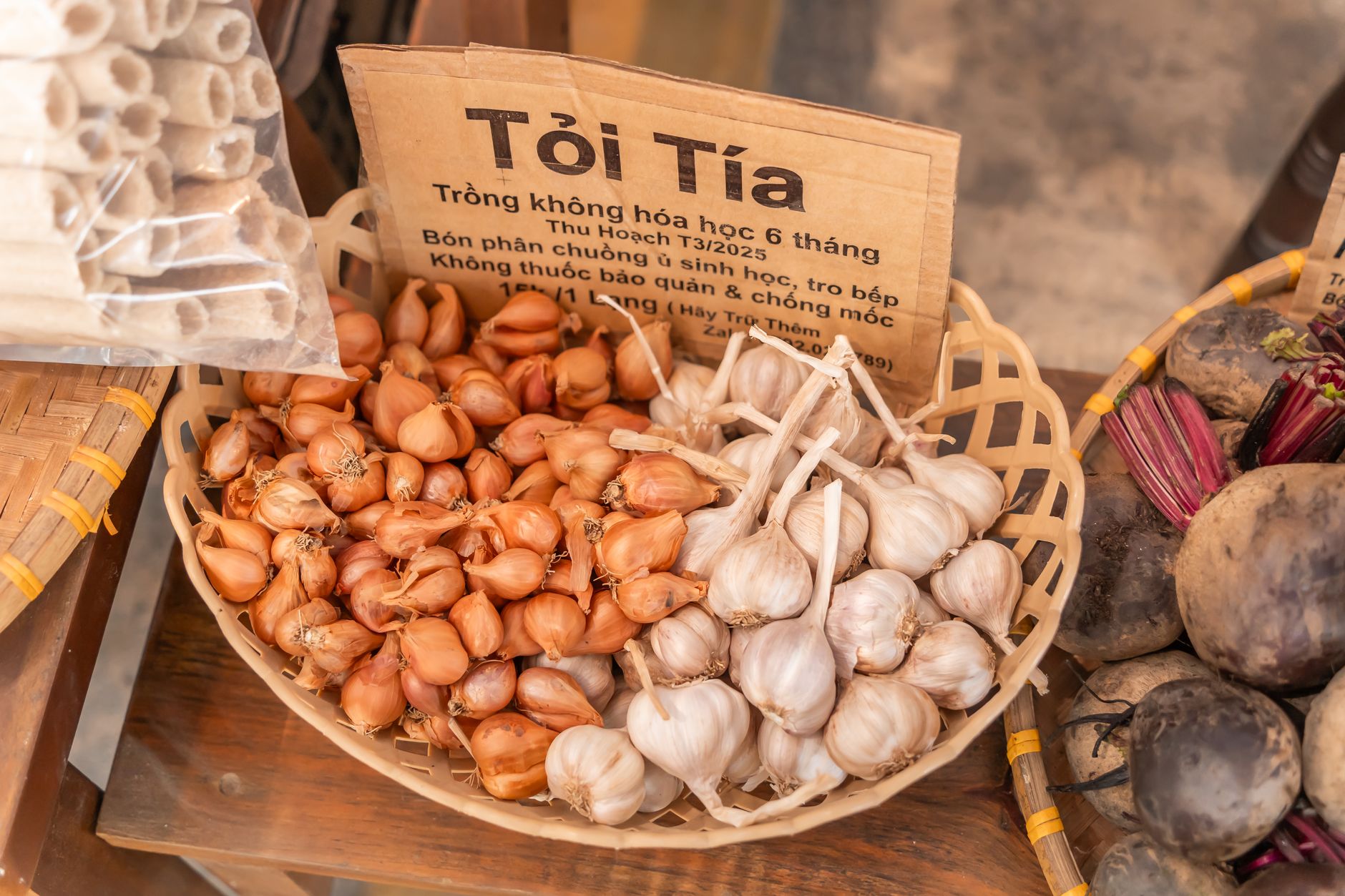
Learn how to eat shallots raw, cooked, or pickled with practical tips, variety suggestions, and storage advice for gardeners and homesteaders.
Shallots are the refined cousin of the onion: milder, sweeter, and quicker to cook. You can eat them raw in salads, caramelize them for sauces, or pickle them for a tangy crunch. This guide covers the best ways to prepare and enjoy shallots, from simple slicing to full recipes, with realistic advice for home gardeners.
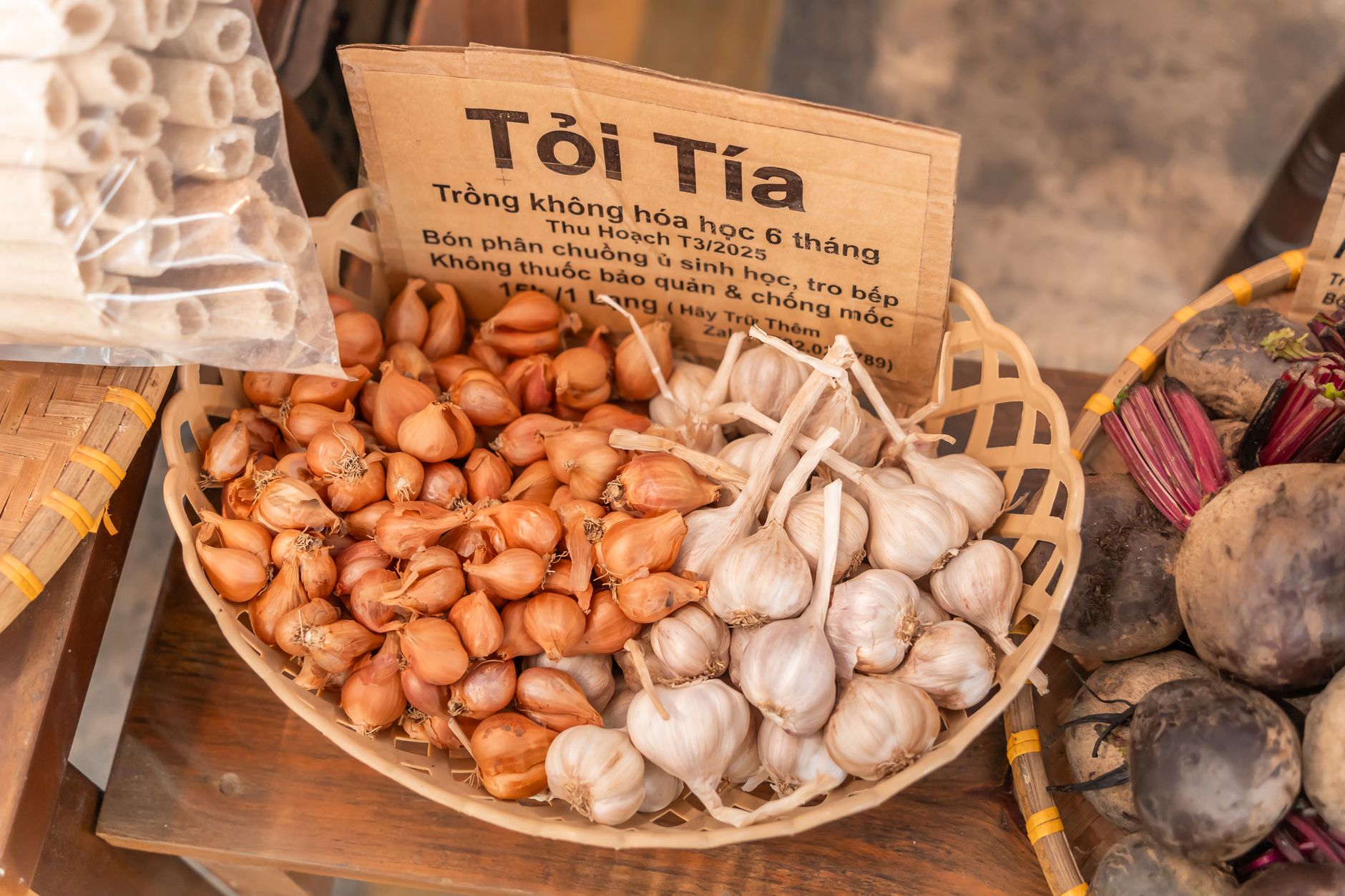
Raw shallots: the crisp, mild bite
Raw shallots are a staple in vinaigrettes and salads because they add a gentle onion flavor without overwhelming the dish. To eat them raw, peel and slice thinly against the grain, then soak in cold water for 10 minutes to reduce sharpness if needed. For a classic French dressing, mince one shallot and whisk with 2 tablespoons red wine vinegar, 6 tablespoons olive oil, salt, and pepper. This makes enough for a large salad.
If you grow your own, harvest shallots in midsummer (July in most zones) and cure them for two weeks in a dry, shaded spot. For immediate use, you can pull them early as
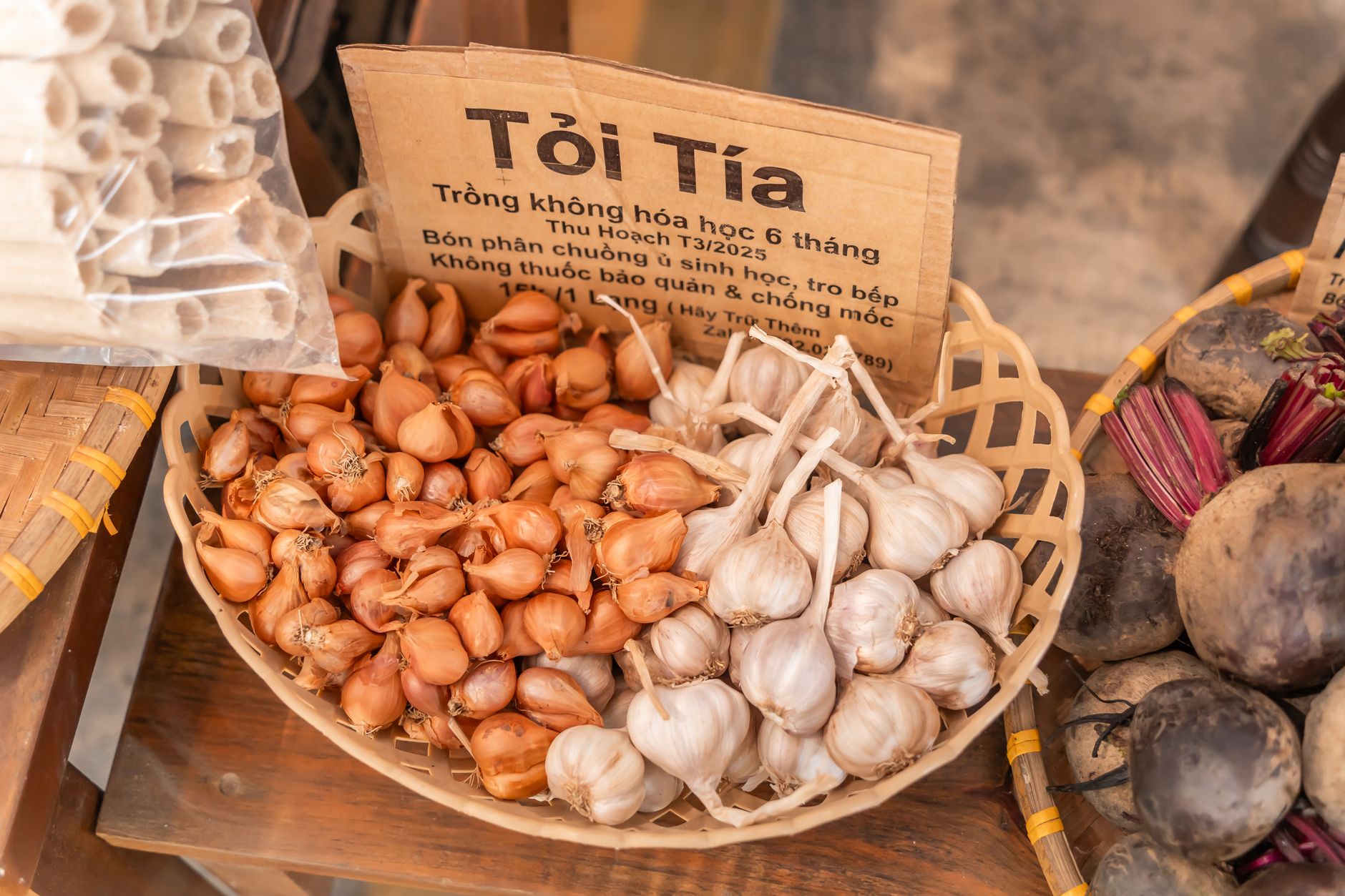 green shallots, which are milder and can be chopped whole, like scallions.
Cooked shallots: caramelized, roasted, or fried
Cooking shallots brings out their natural sugars. For caramelized shallots, slice 4-5 shallots (about 1 cup) and cook in 2 tablespoons butter or olive oil over medium-low heat for 20-25 minutes, stirring occasionally, until deep golden brown. Use them on burgers, pasta, or crostini. This method works with any variety, but ‘French Red’ or ‘Gray Griselle’ are classic choices with rich flavor.
Roasting whole shallots is even easier: preheat oven to 400°F, toss peeled shallots with olive oil and salt, and roast for 25-30 minutes until soft and caramelized. Serve as a side dish or mash into soups. For crispy fried shallots, slice thinly, toss in flour, and fry in oil at 350°F for 2-3 minutes until golden. Drain on paper towels and use as a topping for Asian dishes or salads.
Pickled shallots: a quick pantry staple
Pickled shallots are a great way to preserve a surplus harvest. Use a simple brine: 1/2 cup white vinegar, 1/2 cup water, 1 tablespoon sugar, and 1 teaspoon salt. Heat until dissolved, pour over sliced shallots in a jar, and refrigerate. They are ready in 24 hours and last up to 2 months. For a spiced version, add a bay leaf and a few peppercorns. This works with any shallot, but ‘Pikant’ or ‘Prisma’ hold their crunch well.
Shallot varieties and their best uses
Different shallots have subtle flavor differences. Here is a quick guide:
| Variety | Flavor | Best use |
|---|---|---|
| French Red | Classic, pungent | Raw, caramelized |
| Gray Griselle | Complex, nutty | Roasting, sauces |
| Pikant | Mild, sweet | Pickling, salads |
| Prisma | Mild, elongated | Pickling, cooking |
If you are buying shallots at the store, look for firm, dry bulbs with no sprouts. Prices range from $3 to $5 per pound in 2026, depending on season and source.
Storage and shelf life
Store shallots in a cool, dry, dark place with good air circulation, like a mesh bag or basket. They will keep for 2-3 months at 50-60°F. Do not refrigerate whole shallots, as moisture can cause mold. Once cut, wrap tightly and refrigerate for up to 1 week. If you have a large harvest, you can freeze chopped shallots for up to 6 months, but they will lose some crispness.
Simple recipes to try this week
Here are three ways to eat shallots right now:
- Shallot vinaigrette: Mince 1 shallot, mix with 1 tablespoon Dijon mustard, 2 tablespoons white wine vinegar, and 1/4 cup olive oil. Season with salt and pepper. Drizzle over greens.
- Caramelized shallot pasta: Cook 6 shallots, sliced, in butter for 20 minutes. Toss with cooked spaghetti, a splash of pasta water, and grated Parmesan.
- Pickled shallot tacos: Quick-pickle 2 shallots as above, then add to fish or chicken tacos with avocado and cilantro.
FAQ
Can you eat shallots raw? Yes, raw shallots are safe and delicious. Slice thinly to mellow the bite, or soak in cold water for 10 minutes if you prefer a milder flavor.
What is the difference between shallots and onions? Shallots are milder and sweeter, with a finer texture and more delicate layers. They cook faster and are often used raw in dressings, while onions are more pungent and versatile for long cooking.
How do you know when a shallot is ready to harvest? Shallots are ready when the tops turn yellow and fall over, usually 90-120 days after planting. Lift them gently, cure in a dry, shaded spot for 2 weeks, then trim and store.
Can you eat shallot greens? Yes, the green tops are edible and taste like a mild scallion. Chop them for salads, soups, or stir-fries. Use them fresh, as they do not store long.
The bottom line
Eating shallots is simple: use them raw for a mild bite, cook them to bring out sweetness, or pickle them for a tangy treat. Start with a basic vinaigrette or caramelized batch this week, and experiment with varieties to find your favorite. With proper storage, you can enjoy your harvest for months.