How much onion powder equals 1 onion
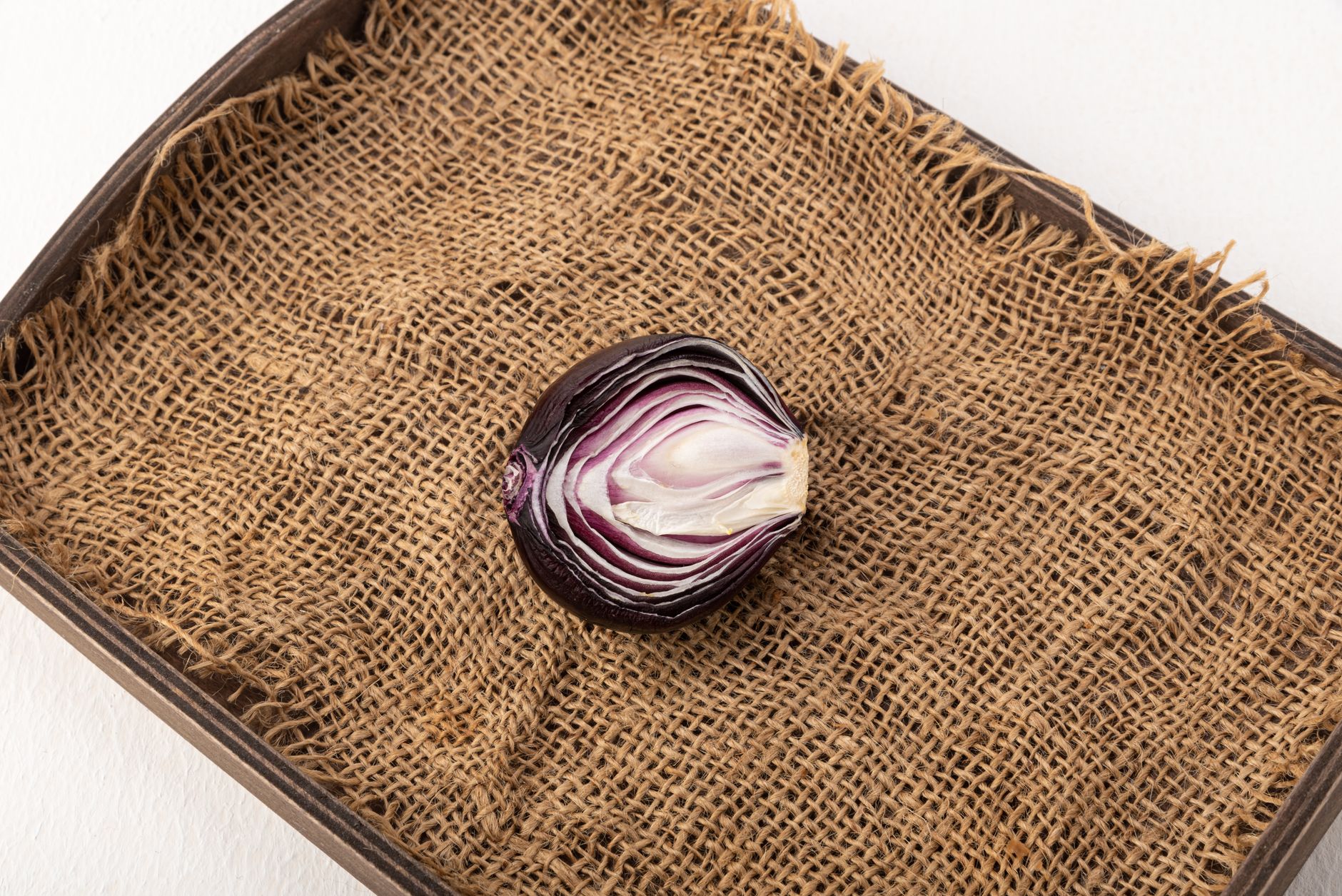
Find the exact conversion from fresh onion to onion powder for cooking and canning. Learn equivalents, storage tips, and how to substitute in recipes.
If you’re out of fresh onions or want a longer shelf life, the standard conversion is 1 tablespoon of onion powder for 1 medium onion (about 1 cup chopped). That’s the simple answer, but let’s break it down so you can adjust for different onion sizes and recipe needs.
Why the conversion matters
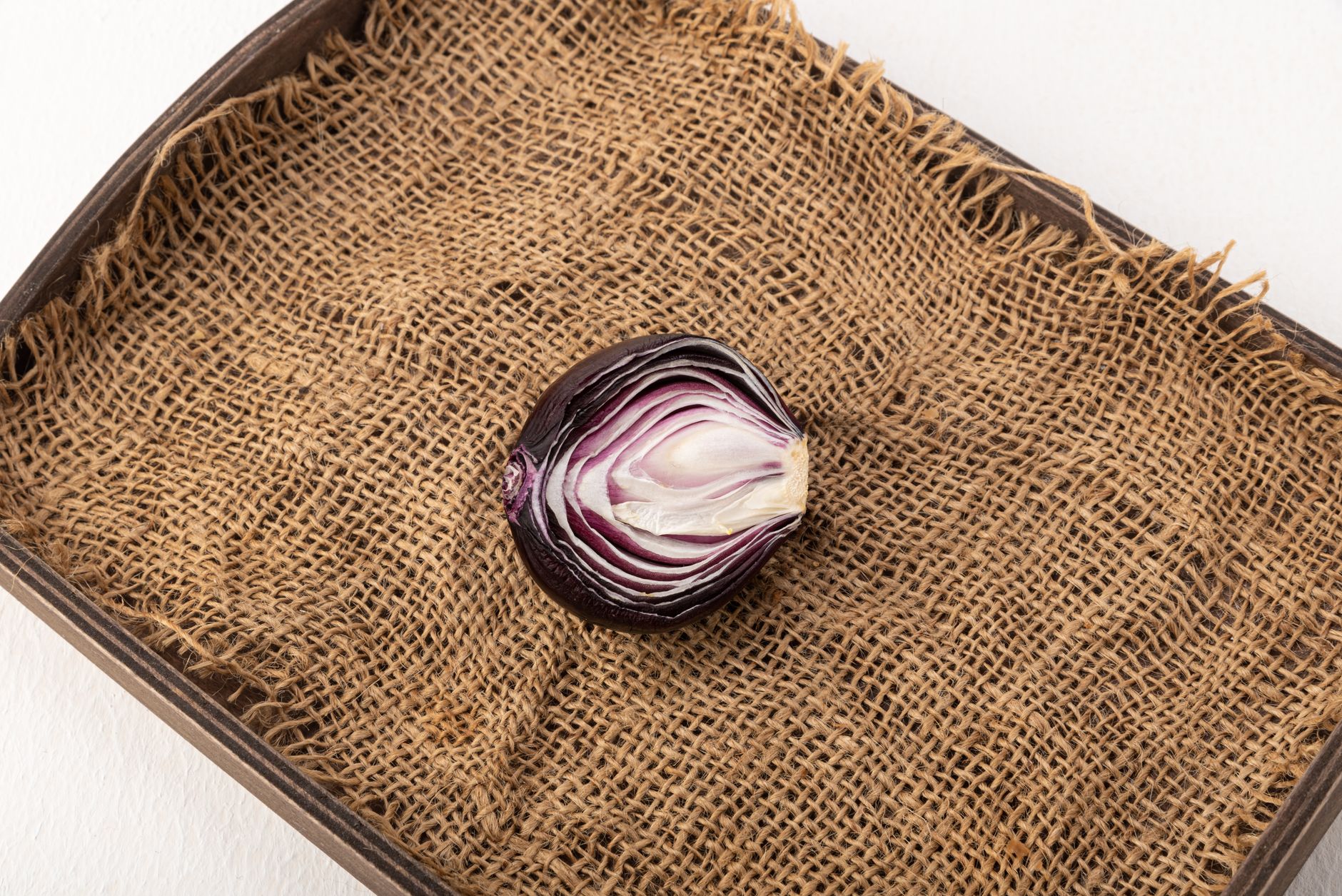
Onion powder is dehydrated and ground, so it’s more concentrated than fresh. One medium onion (2.5 to 3 inches in diameter) yields about 1 cup chopped, which equals 1 tablespoon of onion p
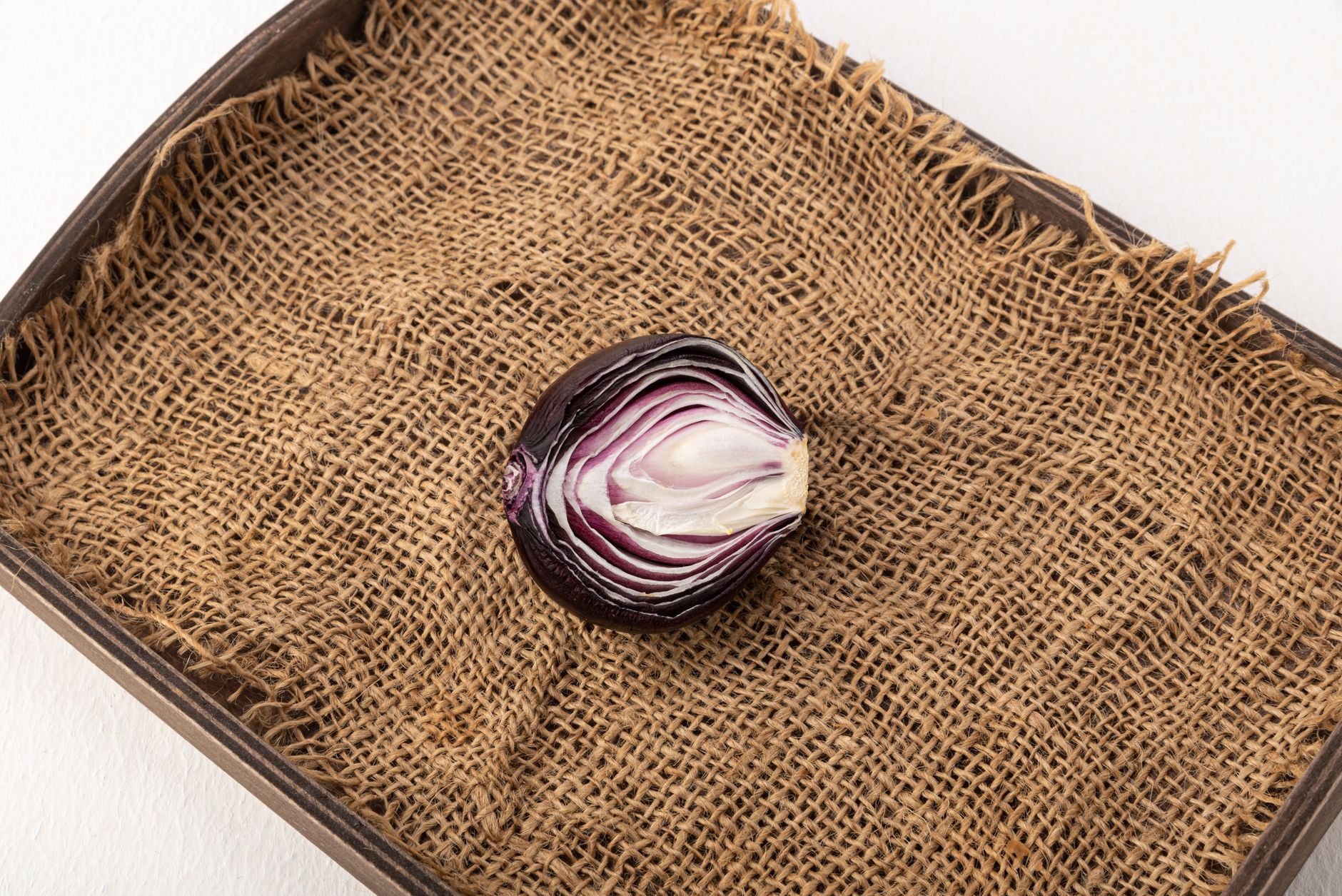 owder. For a large onion (3 to 4 inches), use 1.5 tablespoons. For a small onion (2 inches), use 2 teaspoons.
Exact equivalents by onion size
| Onion size | Chopped fresh | Onion powder |
|---|---|---|
| Small (2 in) | 1/2 cup | 2 teaspoons |
| Medium (2.5-3 in) | 1 cup | 1 tablespoon |
| Large (3-4 in) | 1.5 cups | 1.5 tablespoons |
| Extra large (4+ in) | 2 cups | 2 tablespoons |
These are approximate. If your onion is unusually juicy or dry, adjust slightly. For cooking, you can add a bit of water to rehydrate the powder if needed, but for most dishes (soups, stews, sauces), it’s fine as is.
How to measure onion powder correctly
Use a standard measuring spoon, not a kitchen spoon. Level it off with a knife. If you’re using a scale, 1 tablespoon of onion powder weighs about 6 grams. For a medium onion, that’s your target.
Substituting in recipes
When a recipe calls for fresh onion, you can swap in onion powder at the ratio above. But remember: onion powder doesn’t add moisture or texture. In dishes where onion is a primary component (like onion rings or a salad), use fresh. For cooked dishes, powder works well.
If you’re using onion flakes (larger pieces), use 1/2 cup of flakes for a medium onion, since they’re less dense than powder.
How to make your own onion powder
If you grow onions, you can make powder at home. Slice onions thinly (1/8 inch), dehydrate at 125°F for 8 to 12 hours until brittle, then grind in a spice grinder. Store in an airtight jar. A pound of fresh onions yields about 1/4 cup of powder, so it’s not a cost saver, but it’s a great way to use a surplus.
Storage and shelf life
Store onion powder in a cool, dark place. It keeps for 2 to 3 years if sealed. Check for clumping or loss of aroma; if it smells weak, replace it. Homemade powder has a shorter shelf life, about 1 year, because it retains a bit more moisture.
Cost comparison (2026)
A 4-ounce jar of commercial onion powder costs $3 to $5. That equals about 12 tablespoons, or the equivalent of 12 medium onions. Fresh onions run $1 to $2 per pound, and a pound is about 3 medium onions. So powder is roughly 2 to 3 times more expensive per onion equivalent, but it saves time and prevents waste.
Common mistakes to avoid
- Using too much: start with less, taste, and add more. You can always add, but you can’t remove.
- Not adjusting for salt: some onion powders have added salt. Check the label. If salted, reduce other salt in the recipe.
- Using powder in raw applications: it won’t rehydrate well in cold dishes. Use fresh or rehydrate powder in warm water first.
FAQ
Can I use onion powder in place of fresh in any recipe? Yes, for cooked dishes. For raw uses like salads or salsas, fresh is better for texture and bite.
How much onion powder equals one onion in a soup or stew? Use 1 tablespoon per medium onion, but you may need to add a little water to make up for the missing moisture. Start with 1 tablespoon and adjust.
Is onion powder the same as onion salt? No. Onion salt is onion powder mixed with salt, usually 1 part powder to 3 parts salt. If you use onion salt, reduce the recipe’s salt accordingly.
Can I substitute onion flakes for powder? Yes, but use more: 1/2 cup of flakes for a medium onion. Flakes are less concentrated.
The bottom line
For most recipes, 1 tablespoon of onion powder replaces 1 medium onion. Keep this ratio in mind, and you’ll never be stuck without onions. Store powder properly, and it’ll last for years. If you’re a gardener, making your own powder is a satisfying way to preserve a harvest, even if it’s not cheaper. Start with the basic conversion, taste as you go, and adjust for your dish.
Now you can confidently swap fresh for dried in any recipe, whether you’re canning tomatoes or making a quick weeknight stew.