How much is 2 shallots
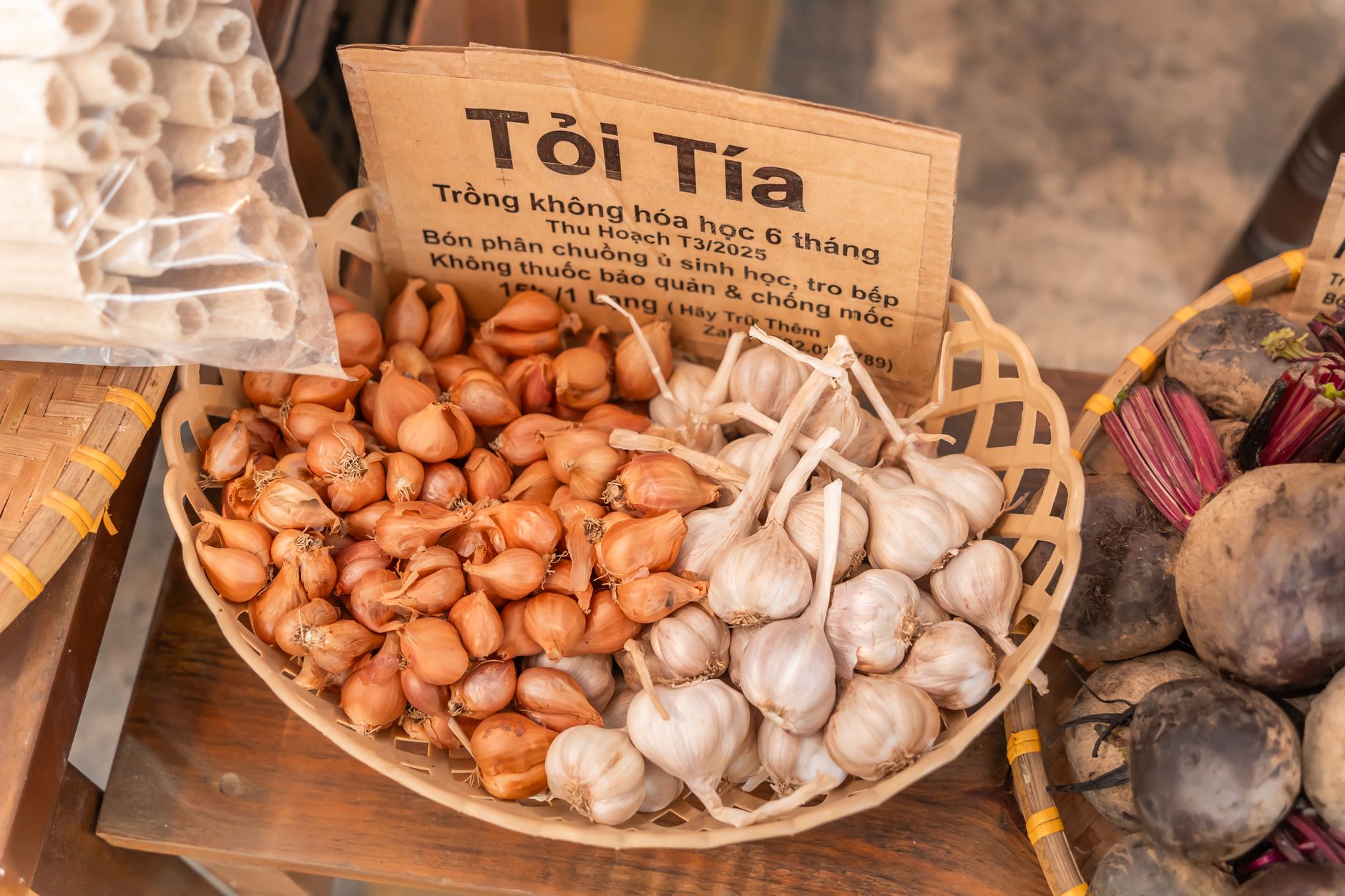
Learn the exact weight, cost, and yield of 2 shallots, plus how to grow your own from sets or seeds in 2026.
If you’re holding two shallots and wondering what they weigh or cost, here’s the short answer: two medium shallots typically weigh about 1.5 to 2 ounces (40 to 60 grams) total, and at 2026 grocery prices, they’ll set you back roughly $0.50 to $1.00, depending on whether they’re conventional or organic. But if you’re a gardener, the real question is what those two shallots can become: plant them, and you’ll harvest 8 to 12 new shallots in about 90 days. Let’s break down the numbers and show you how to turn a tiny purchase into a pantry staple.
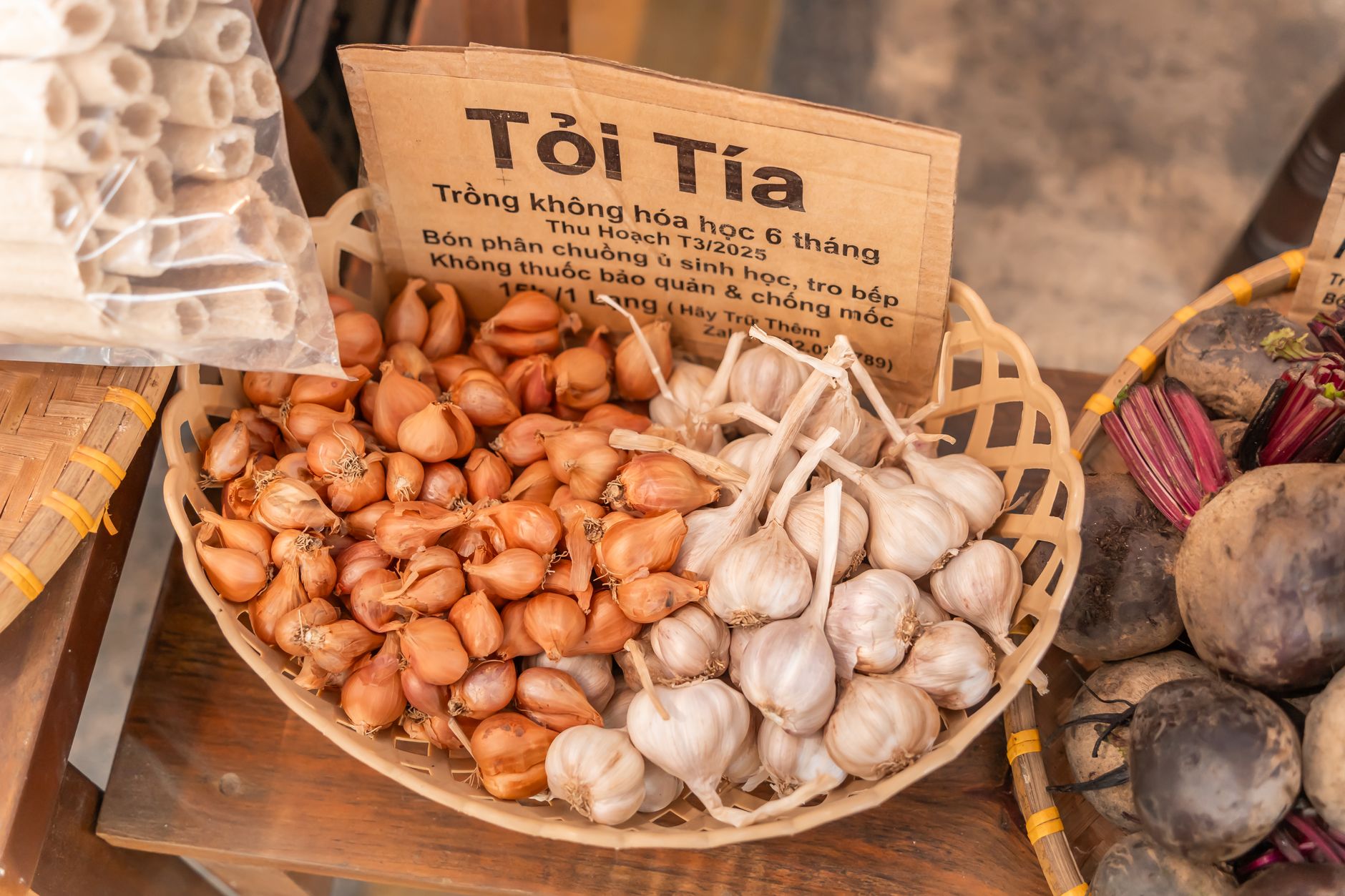
What Two Shallots Weigh and Cost
Shallots vary in size, but a standard “medium” shallot is about the size of a golf ball, weighing 0.75 to 1 ounce (20 to 30 grams) each. So two medium shallots weigh 1.5 to 2 ounces total. If you have larger ones (like the size of a small onion), they can weigh up to 1.5 ounces each, making two of them 3 ounces.
In 2026, prices for shallots in US grocery stores average:
- Conventional: $3.50 to $5.00 per pound
- Organic: $5.00 to $7.00 per pound
At $4 per pound, two ounces (0.125 pounds) costs about $0.50. Organic might push that to $0.75 or $1.00. Farmers markets often sell sh
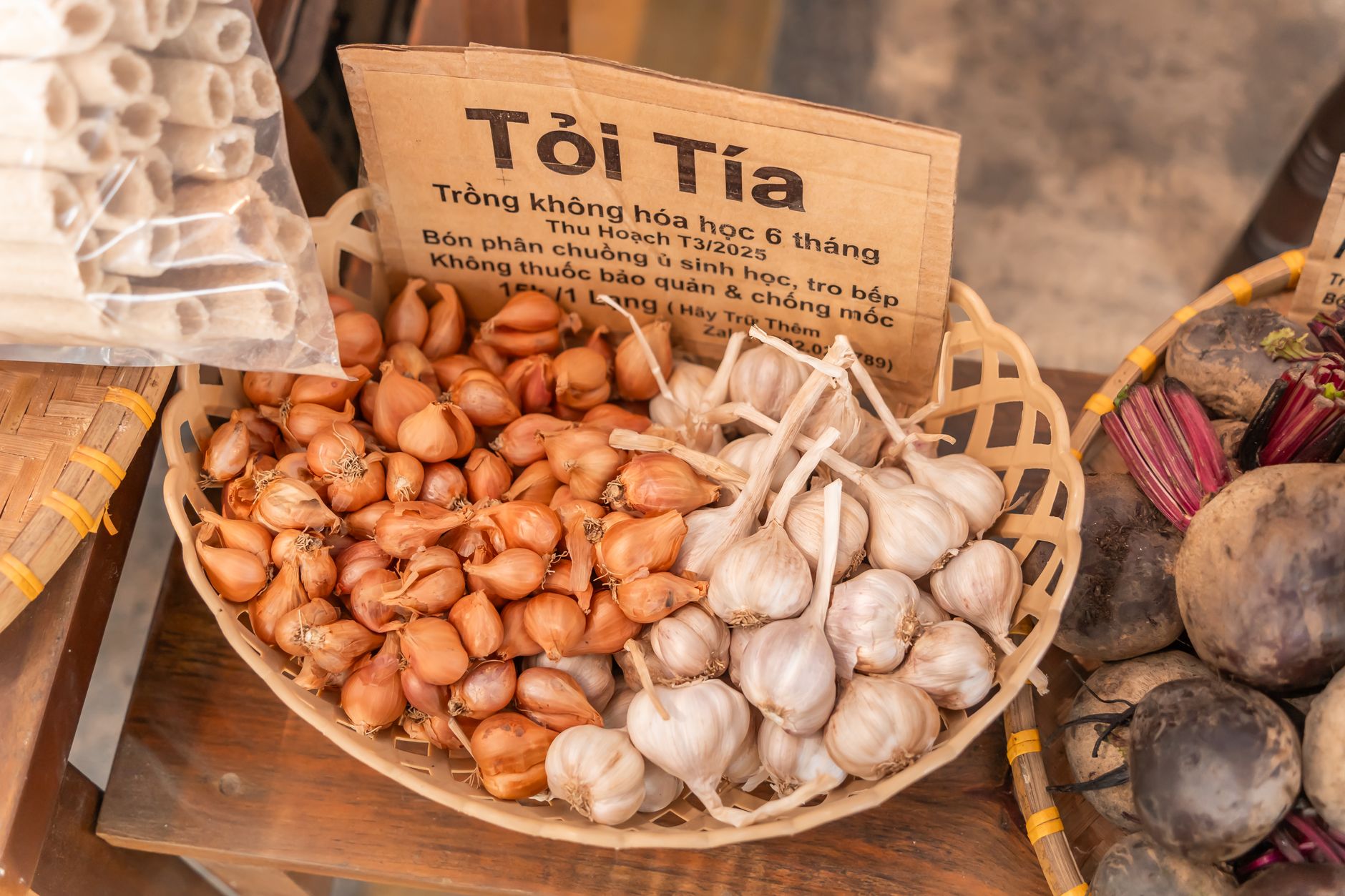 allots in bunches of 3 to 5 for $2 to $3, so two would be roughly $1.00 to $1.50.
Why Grow Your Own: The Yield Math
One shallot bulb, when planted, splits into a cluster of new bulbs. On average, a single planted shallot produces 4 to 6 new shallots, but with good soil and spacing, you can get 8 to 10. So two planted shallots can yield 8 to 20 new bulbs. That’s a return of 4 to 10 times your initial investment.
For example, if you buy 2 shallots for $1, you could harvest 16 shallots (at 8 per plant), which at grocery prices would be worth $4 to $6. Not bad for a few months of patience.
How to Plant Two Shallots (Step by Step)
You can plant shallots from sets (small bulbs) or from seed. Sets are easier and faster, especially for beginners. Here’s how to do it with two shallots:
-
Choose the right time: Plant in fall (October to November) in zones 7-10 for an early summer harvest, or in early spring (March to April) in zones 3-6. Shallots need a period of cold (below 50°F) to trigger bulb formation, so adjust accordingly.
-
Prepare the soil: Shallots prefer well-drained, loose soil with a pH of 6.0 to 7.0. Work in compost or aged manure a week before planting. If your soil is heavy clay, consider raised beds.
-
Plant the bulbs: Separate the shallot into individual cloves, just like garlic. Plant each clove pointy end up, 1 inch deep, with the tip just below the surface. Space them 6 inches apart in rows 12 inches apart. For two shallots, you’ll have about 4 to 6 cloves (since each shallot has 2 to 3 cloves).
-
Water and mulch: Water thoroughly after planting, then add a 2 to 3 inch layer of straw or leaves to retain moisture and suppress weeds.
-
Fertilize: Side-dress with a balanced fertilizer (like 10-10-10) at planting and again when the plants are 6 inches tall. Avoid high-nitrogen fertilizers, which encourage leafy growth over bulbs.
-
Harvest: When the tops turn yellow and fall over (usually 90 to 120 days after planting), gently lift the bulbs with a fork. Let them cure in a dry, shaded spot for 2 to 3 weeks before storing.
Best Shallot Varieties for 2026
Not all shallots are the same. Here are reliable varieties for different regions:
- French Red Shallot: The classic, with coppery skin and pink flesh. Great for zones 5-9. Produces 6-8 bulbs per plant.
- Gray Shallot (Griselle): Heirloom with a stronger flavor. Hardy in zones 4-8, but lower yields (4-6 per plant).
- Ambition: A Dutch hybrid that stores well, suitable for zones 3-9. Yields 5-7 bulbs.
- Conservation: Another French type, disease-resistant, good for organic gardens. Zones 5-9.
Costs of Growing vs. Buying
Here’s a realistic cost comparison for 2026:
- Seed shallots (sets): $8 to $12 per pound at garden centers, or about $0.50 per bulb. Two bulbs cost $1 to $2.
- Seeds: A packet of shallot seeds (about 100 seeds) costs $3 to $5. You can grow 50 to 100 shallots from that, but it takes longer (about 6 months from seed to harvest).
- Fertilizer and soil amendments: $5 to $10 for a small bag of fertilizer, which will last multiple seasons.
If you’re growing just two shallots, your upfront cost is minimal, but you’ll need to buy a whole pound of sets (unless you find them loose). That’s $8 to $12, but you’ll have plenty to plant and share.
Common Mistakes to Avoid
- Planting too deep: Shallots need shallow planting. If buried too deep, they rot.
- Overwatering: Shallots like moisture but not soggy soil. Water only when the top inch is dry.
- Harvesting too early: Wait until the tops die back completely. Early harvest means smaller bulbs.
- Storing improperly: Cure thoroughly, then store in a cool, dry, dark place (50-60°F) with good air circulation.
FAQ
Can I use grocery store shallots for planting? Yes, but they may be treated to prevent sprouting. Look for organic ones, which are less likely to be treated. Plant them as soon as possible after purchase.
How long do shallots take to grow? From sets, about 90 days. From seed, 5 to 6 months. Fall-planted shallots are ready in early summer.
Can I grow shallots in containers? Absolutely. Use a pot at least 12 inches deep and 12 inches wide. Plant cloves 4 inches apart. Water regularly and fertilize monthly.
How do I store shallots after harvest? Cure them in a dry, airy spot for 2 to 3 weeks, then trim the tops and roots. Store in a mesh bag or basket in a cool, dark place. They’ll keep for 6 to 8 months.
The Bottom Line
Two shallots are a small investment: about $1 at the store, or $2 if you buy sets. But planted, they can give you a pound or more of shallots in a few months. Whether you’re cooking or gardening, two shallots are a starting point. If you’re planting, choose a reliable variety like French Red, give them well-drained soil and full sun, and you’ll have more than you need. For the price of a cup of coffee, you can grow a crop worth $5 to $10. That’s a good trade.