How much garlic puree equals a clove
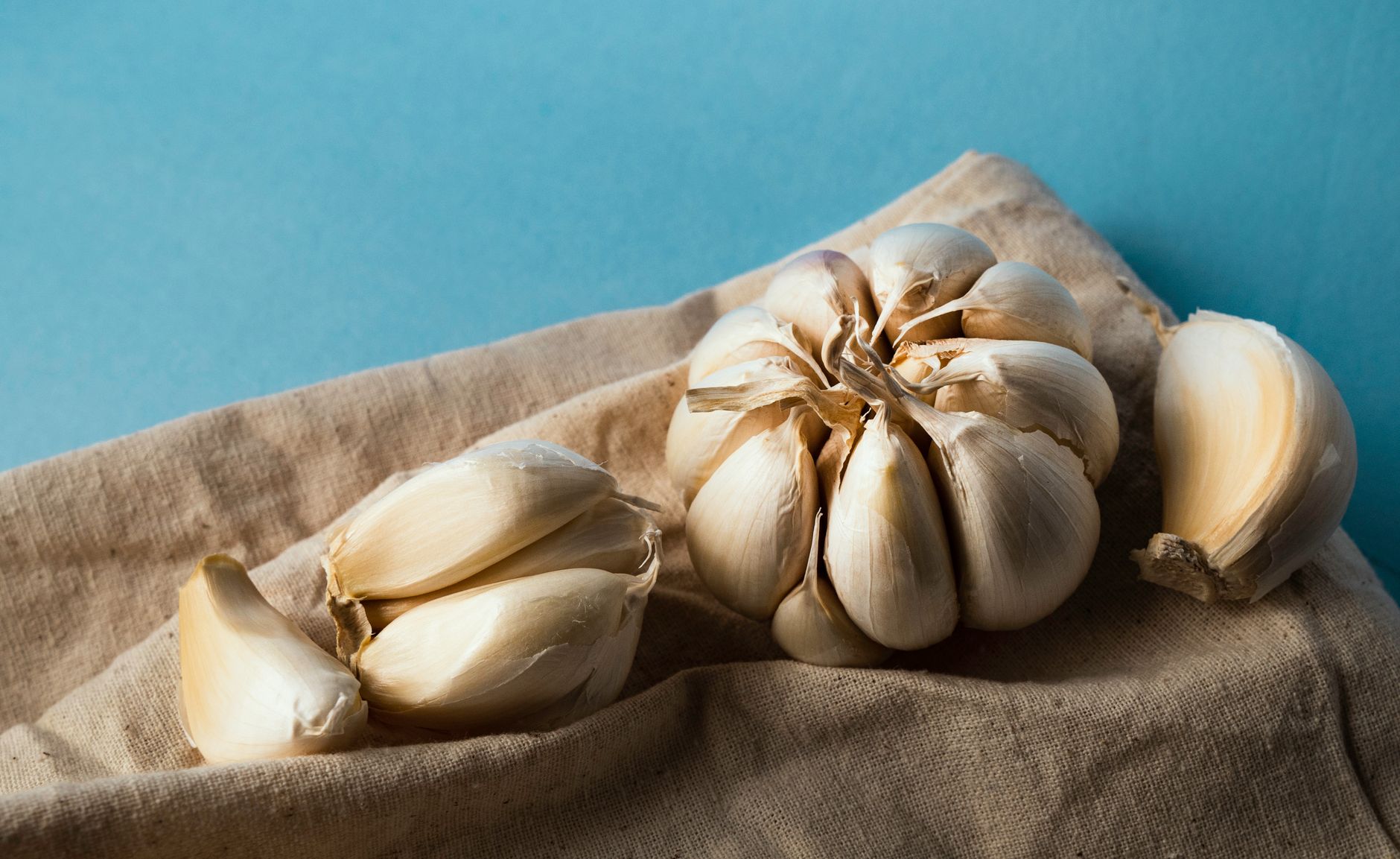
Learn the exact amount of garlic puree that replaces one clove, plus tips for measuring, storing, and using puree in your kitchen.
If you’re swapping garlic puree for fresh cloves, the rule of thumb is simple: 1 teaspoon of garlic puree equals 1 clove of garlic. That’s the short answer. But to get the flavor right, you need to know a few details about how puree is made and how it behaves in cooking.
Why 1 teaspoon works
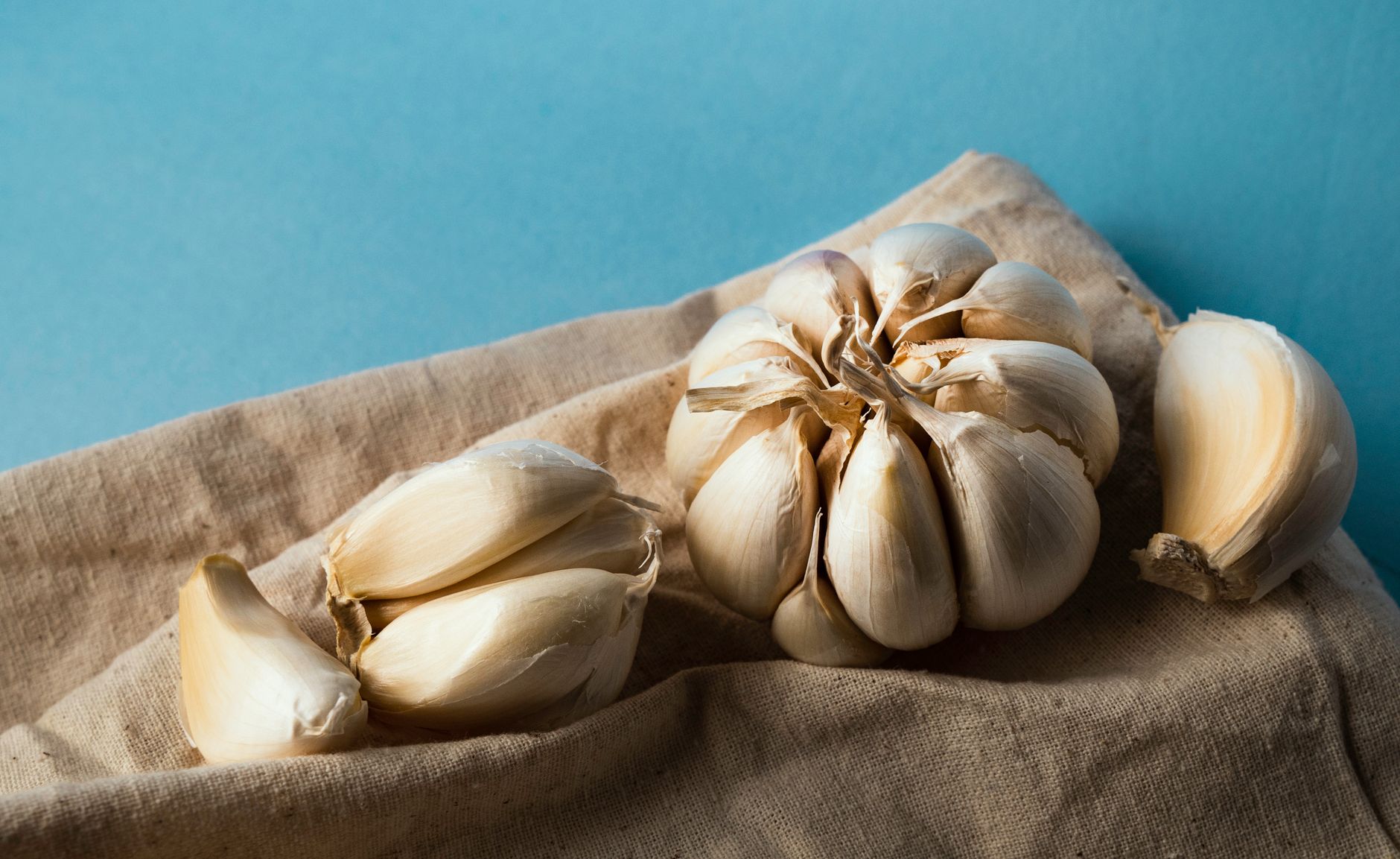
A standard garlic clove weighs about 3 to 5 grams. When you crush or puree it, you get roughly 1 teaspoon (about 5 ml) of paste. Commercial garlic puree, like the kind in jars, is usually made from fresh garlic with a bit of citric acid or oil to preserve it. It’s more concentrated than minced garlic because it’s ground into a fine paste, so 1 teaspoon gives you the same punch as one average clove.
If your cloves are larger or smaller, adjust accordingly. A jumbo clove might give you 1.5 teaspoons of puree, while a small one might only give 2/3 teaspoon. For most recipes, the difference won’t ruin any
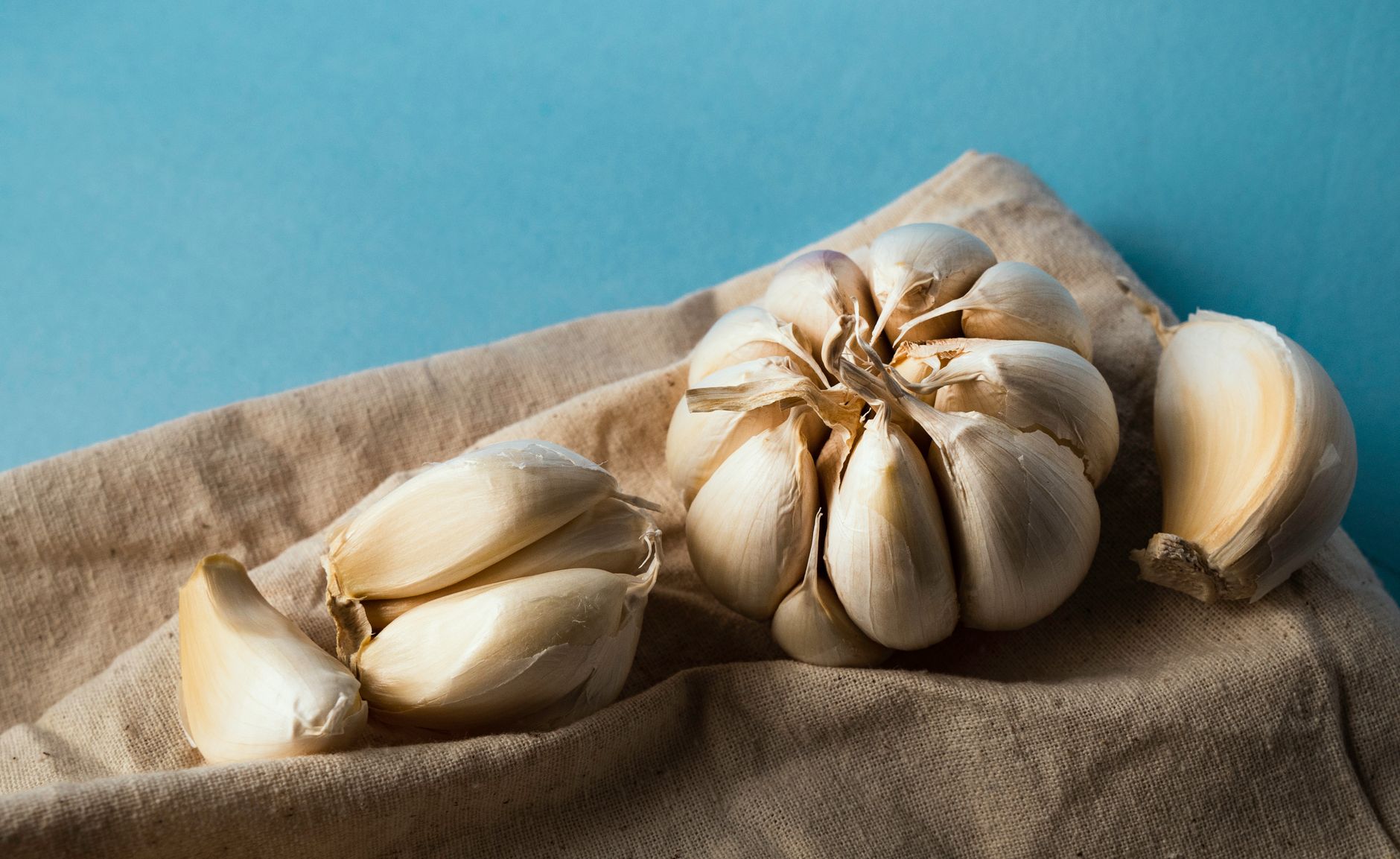 thing, but if you’re making something where garlic is the star, like aioli or garlic bread, measure to taste.
How to measure garlic puree accurately
Use a standard measuring spoon, not a kitchen spoon. Level the puree with a knife for consistency. If the puree has separated (oil on top), stir it well before measuring. If you’re using homemade puree, remember that it might be less concentrated than commercial versions if you added water or oil. In that case, you may need 1.5 teaspoons per clove.
Substituting in recipes: fresh, minced, puree, and powder
Here’s a quick conversion chart for common garlic forms. This is based on average clove size (3-5 grams) and standard commercial products.
| Form | Amount for 1 clove |
|---|---|
| Fresh clove | 1 clove (3-5 g) |
| Minced fresh | 1 teaspoon |
| Garlic puree (jar) | 1 teaspoon |
| Garlic powder | 1/4 teaspoon |
| Granulated garlic | 1/2 teaspoon |
| Garlic salt | 1/2 teaspoon (reduce salt in recipe) |
Note: Garlic powder is more concentrated than puree because it’s dehydrated. If you use powder, add it early in cooking so it rehydrates. Puree can be added at any point, but if you add it late, the flavor will be more pungent.
How to make your own garlic puree
Making puree at home is easy and saves money. Here’s what you need:
- Fresh garlic bulbs (choose firm, plump ones)
- A food processor or high-speed blender
- A neutral oil (like sunflower or grapeseed) or water
- A pinch of salt (optional)
- A clean glass jar with lid
Steps:
- Peel the garlic cloves. To peel quickly, smash them with the flat side of a knife, then the skins slip off.
- Put the cloves in the food processor. Add about 1 tablespoon of oil or water per cup of cloves. The liquid helps the blades move and prevents the puree from turning into a paste that sticks.
- Pulse until smooth. Scrape down the sides as needed.
- Transfer to a jar. Press a piece of plastic wrap directly on the surface to minimize air exposure, then cap it.
- Store in the fridge for up to 2 weeks, or freeze in ice cube trays. Each frozen cube is about 1 tablespoon, which equals 3 cloves. Pop one out as needed.
Cost: A pound of garlic (about 10 bulbs) costs $3 to $6 in 2026. That yields roughly 1.5 cups of puree, which is about 24 tablespoons. A 4-ounce jar of commercial puree runs $4 to $7, so homemade is significantly cheaper if you use a lot.
Using garlic puree in cooking
Garlic puree is a time-saver, but it’s not identical to fresh garlic. The puree has already been crushed, which starts the enzymatic reaction that creates allicin, the compound responsible for garlic’s sharp bite. That means puree will have a slightly more mellow and rounded flavor than a clove you just chopped. For raw applications like salad dressing or salsa, use puree sparingly and taste as you go.
When cooking, add puree at the same point you would add minced garlic. If a recipe says “add garlic and cook for 1 minute until fragrant,” do the same with puree. It can burn just as easily, so keep an eye on it.
Storing garlic puree
Commercial puree has a long shelf life, often 6 months to a year unopened. Once opened, refrigerate and use within 3 months. Homemade puree is more perishable because it lacks preservatives. In the fridge, it lasts 1 to 2 weeks if you keep it covered. For longer storage, freeze it. You can freeze puree in ice cube trays, then transfer the cubes to a freezer bag. Frozen puree keeps for 6 months without much flavor loss.
If you see any mold or off smell, throw it out. Don’t risk it.
Common mistakes to avoid
- Using a heaping spoonful: level it off, or you’ll overpower the dish.
- Confusing puree with minced garlic in a jar: minced garlic is chunkier and less concentrated. Use 1.5 teaspoons of minced for 1 clove.
- Adding puree too early in a long cook: it can turn bitter if it cooks for more than 30 minutes. Add it later if you want a milder, sweeter flavor.
- Storing puree in a metal container: garlic reacts with metal, which can change the color and taste. Use glass or plastic.
FAQ
Can I use garlic puree instead of cloves in canning or pickling?
No. For canning and pickling, use fresh cloves only. Puree is too dense and may not allow proper heat penetration, and it can alter the acidity balance. Stick to fresh for safety.
How do I adjust if my recipe calls for 2 cloves but I only have puree?
Use 2 teaspoons of puree. If the dish is raw, start with 1.5 teaspoons and taste, because puree can be more intense in raw applications.
Is garlic puree the same as garlic paste?
Yes, they’re essentially the same. Some pastes may include additional ingredients like salt or oil, so check the label. If it has salt, reduce the salt in your recipe accordingly.
Can I freeze garlic puree in glass jars?
Yes, but leave headspace because the puree expands when frozen. Use wide-mouth jars and don’t fill to the top. Thaw in the fridge overnight.
The bottom line
One teaspoon of garlic puree equals one average clove. For most recipes, that’s all you need to remember. If you’re making your own puree, keep it simple: use oil or water, store it properly, and freeze what you don’t use within two weeks. It’s a practical way to save time without sacrificing flavor, as long as you measure accurately and adjust for the puree’s concentration. Now go ahead and swap that clove for a teaspoon, and your dinner will thank you.