How much garlic powder equals one clove
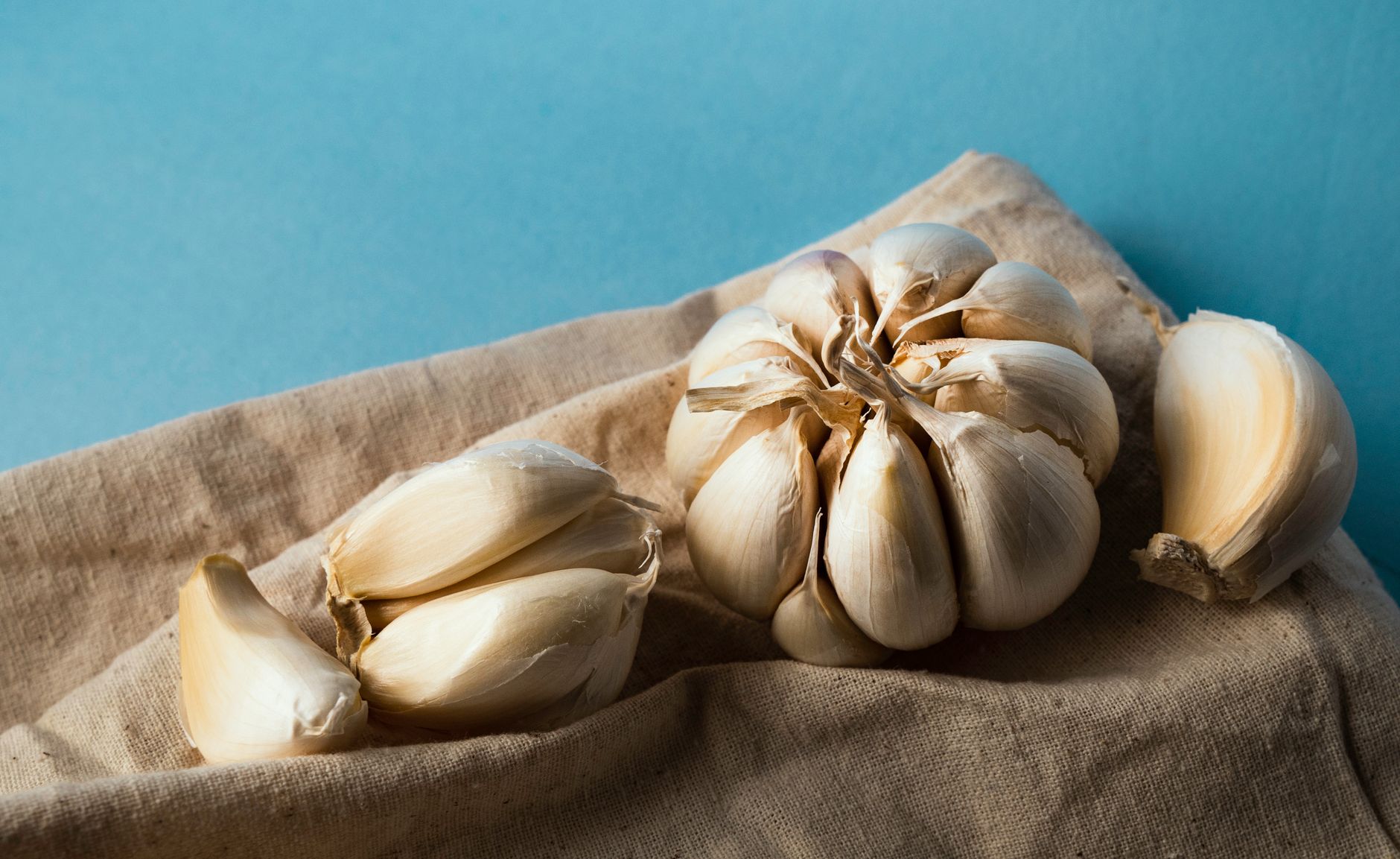
Learn the exact conversion from garlic cloves to powder, plus storage tips and how to adjust recipes for fresh vs. dried garlic.
If you are out of fresh garlic or just prefer the convenience of powder, the standard conversion is 1/4 teaspoon of garlic powder for one average clove. That is the number to start with, but it is not a hard rule. Clove size varies, and so does the intensity of different powders. This guide gives you the exact math, the variables that matter, and how to swap without ruining your dish.
The basic conversion: clove to powder
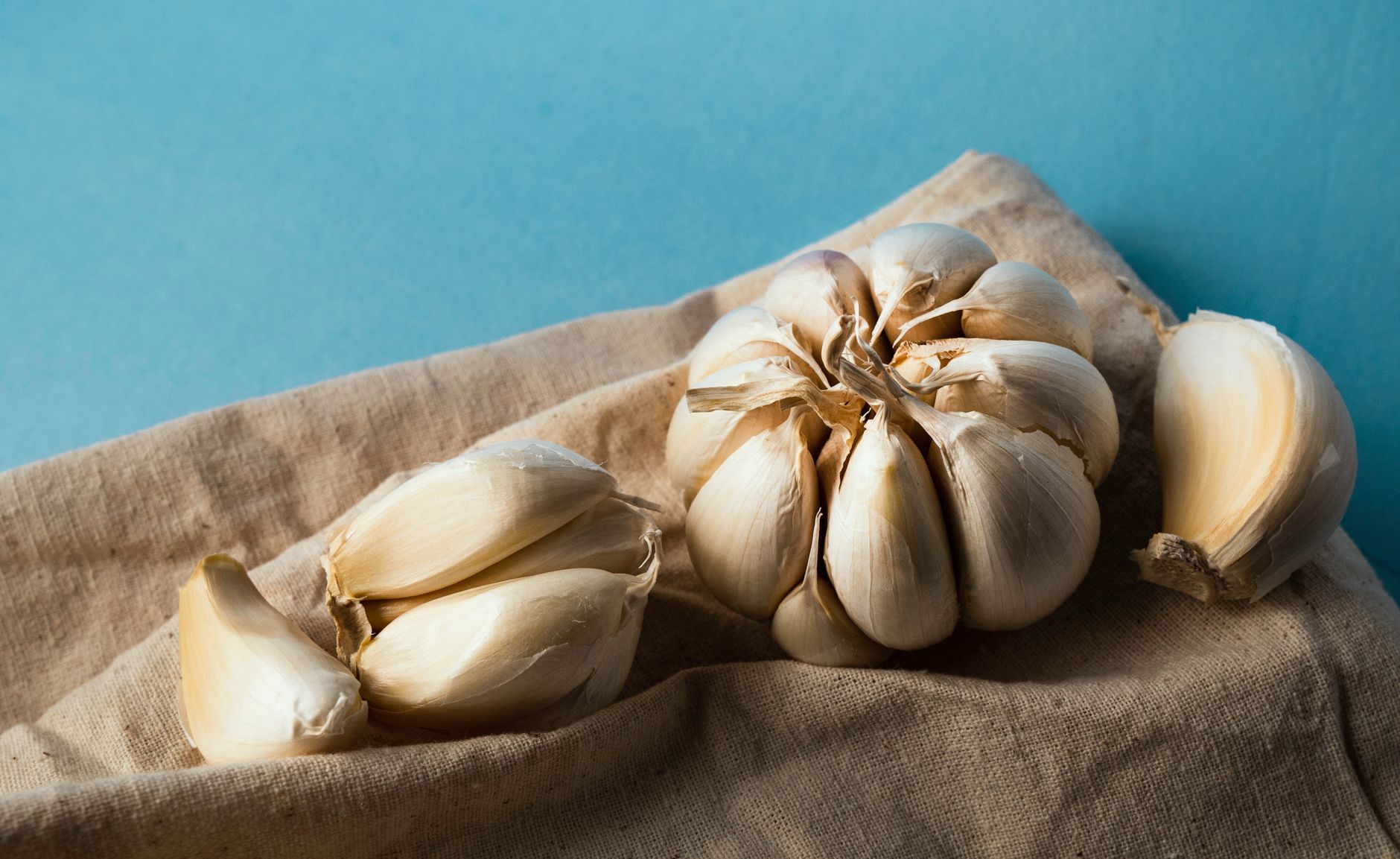
For a medium clove, which is about 5 to 7 grams, you need 1/4 teaspoon of garlic powder. That is the equivalent of about 1 gram of powder. If your cloves are smaller or larger, adjust by volume, not by count. A large clove, 8 to 10 grams, needs 1/3 teaspoon. A small clove, 3 to 4 grams, needs 1/8 teaspoon.
Here is a quick reference table for common clove sizes:
| Clove size | Weight (grams) | Garlic powder equivalent |
|---|---|---|
| Small | 3-4 | 1/8 teaspoon |
| Medium | 5-7 | 1/4 teaspoon |
| Large | 8-10 | 1/3 teaspoo |
 |
||
| n |
Remember, these are starting points. Taste as you go, especially if you are cooking a large batch.
Why the conversion is not exact
Garlic powder is dehydrated and ground, so it is more concentrated than fresh garlic. The drying process removes water, which intensifies the flavor compounds. That is why you use less powder by volume. But the intensity also depends on the variety of garlic. For example, hardneck varieties like ‘Music’ or ‘German Red’ have a stronger, more pungent flavor than softneck types like ‘California Early’. If you are using powder made from a strong hardneck, you might want to start with 1/8 teaspoon and add more if needed.
Another factor is the brand of powder. Some commercial powders add anti-caking agents or are blended with other spices. Check the label. If it is pure garlic, the conversion holds. If it is a garlic salt blend, you need to account for the salt and reduce other salt in your recipe.
How to measure garlic powder correctly
Use a measuring spoon, not a kitchen spoon. Scoop the powder and level it off with a knife. Do not pack it down. Garlic powder can clump, so fluff it with a fork before measuring. If you are measuring for a recipe that calls for a specific number of cloves, like 3 cloves, multiply the per-clove amount. For 3 medium cloves, that is 3/4 teaspoon of powder.
For a more precise approach, use a kitchen scale. One medium clove equals about 1 gram of garlic powder. So if a recipe calls for 4 cloves, you need 4 grams of powder. This is especially useful if you are making a spice blend or a large batch of sauce.
When to use powder instead of fresh
Powder is not a perfect substitute for fresh garlic in every dish. Fresh garlic has a sharp, pungent bite that mellows with cooking. Powder is more mellow and slightly sweet, with a more uniform flavor. Use powder when you want a subtle garlic background, like in a dry rub, a marinade, or a salad dressing. Use fresh when you want the garlic to be a star, like in a garlic bread or a stir-fry.
If a recipe calls for fresh garlic and you only have powder, add the powder earlier in the cooking process. Powder needs time to rehydrate and release its flavor. If you add it at the end, it can taste dusty. For uncooked dishes like dips or dressings, let the powder sit in the liquid for at least 10 minutes before serving.
Storing garlic powder for maximum shelf life
Garlic powder lasts about 3 to 4 years if stored properly. Keep it in an airtight container in a cool, dark place. Do not store it over the stove or near a window. Heat and light degrade the flavor. If you grow your own garlic and make powder, dry the cloves completely before grinding. Any moisture will cause clumping and mold. Use a dehydrator at 115°F for 8 to 12 hours, or until the cloves snap, not bend. Then grind in a spice grinder or blender. A good dehydrator costs $50 to $150, and a spice grinder runs $20 to $40.
How to substitute fresh garlic for powder
If you have powder and want to use fresh, the reverse conversion is: 1/4 teaspoon powder equals one medium clove. So if a recipe calls for 1 teaspoon of powder, that is 4 cloves of fresh garlic. Mince the fresh garlic and add it to the dish. For a milder flavor, you can roast the cloves first. Roasting mellows the pungency and adds sweetness. To roast, cut the top off a head of garlic, drizzle with olive oil, wrap in foil, and bake at 400°F for 40 minutes. Then squeeze out the soft cloves and mash them.
Adjusting recipes for powder vs. fresh
When you swap, you may need to adjust the liquid in the recipe. Fresh garlic contains water, so if you use powder, you might need to add a tablespoon or two of water, broth, or oil to make up the difference. For example, if a recipe calls for 3 cloves of fresh garlic and you use 3/4 teaspoon of powder, add 1 to 2 tablespoons of liquid. This is especially important in baking or in sauces where consistency matters.
Also, consider the salt. If you use garlic salt instead of pure powder, reduce the salt in the recipe by the amount of salt in the garlic salt. A typical garlic salt is 3 parts salt to 1 part garlic powder. So if a recipe calls for 1 teaspoon of garlic powder, you would use 4 teaspoons of garlic salt and reduce the added salt by 3 teaspoons.
FAQ
Can I use garlic powder in place of fresh in any recipe?
Yes, but the flavor will be different. Powder is more mellow and less pungent. For raw applications like salads or salsas, let the powder sit in liquid for 10 minutes to soften. For cooked dishes, add it early.
How much garlic powder equals a teaspoon of minced garlic?
One teaspoon of minced garlic is about 1 clove, so use 1/4 teaspoon of powder. If the minced garlic is packed, it might be closer to 1 1/2 cloves, so use 1/3 teaspoon.
Is garlic powder as healthy as fresh garlic?
Garlic powder retains most of the beneficial compounds, but fresh garlic has more allicin, which forms when you crush or chop it. Allicin breaks down quickly, so powder has less. For health benefits, fresh is better, but powder is still a good option.
How do I make my own garlic powder?
Peel and slice cloves thinly, dehydrate at 115°F until brittle, then grind. Store in an airtight jar. It will last for years.
The bottom line
One medium clove equals 1/4 teaspoon of garlic powder. Use that as your baseline, but adjust for clove size and the strength of your powder. Taste as you cook, and remember that powder is more concentrated and needs time to hydrate. With these conversions, you can swap confidently in any recipe.
If you grow your own garlic, try making powder from a hardneck variety like ‘Music’ for a more robust flavor. It is a simple way to preserve your harvest and have garlic on hand all year. And if you are buying powder, look for pure garlic with no additives. The price range for a 6-ounce jar is $4 to $8, which is about 50 to 60 teaspoons, so it is a cost-effective pantry staple.