How much garlic powder equals 1 tbsp minced
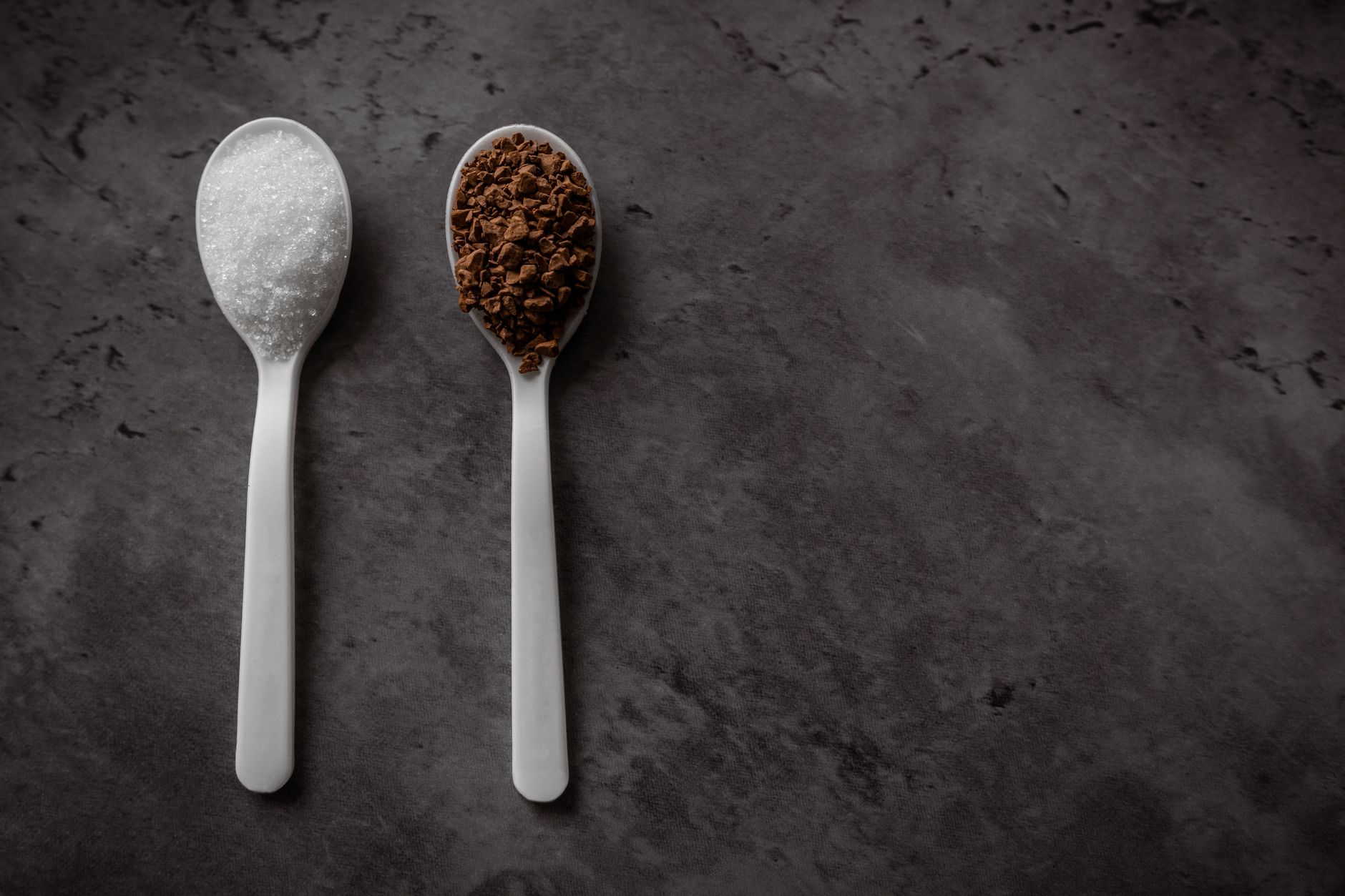
Learn the exact conversion: 1 tablespoon minced garlic equals 1/2 teaspoon garlic powder. Plus tips for cooking and storing.
If you’re out of fresh garlic or just want a quicker option, here’s the direct answer: 1 tablespoon of minced garlic equals 1/2 teaspoon of garlic powder. That’s the standard conversion for dried, powdered garlic. Use this ratio in any recipe that calls for minced garlic, and you’ll get a similar flavor, though not identical. Powder is more concentrated, so start with less and adjust to taste.
Why the conversion works
Garlic powder is dehydrated and ground, so it packs more flavor per volume than fresh minced garlic. Fresh garlic contains water, which dilutes its intensity. When you dry it, the flavor compounds concentrate. That’s why you use less powder. The 1/2 teaspoon per tablespoon ratio is a
 good baseline, but it can vary by brand and how finely the powder is ground. Some powders are stronger, so taste as you go.
How to measure correctly
Use a standard measuring spoon, not a kitchen spoon. Level the powder with a knife for accuracy. If you’re using garlic powder that has clumped, break it up first. For a more precise conversion, remember: 1 tablespoon = 3 teaspoons. So 1/2 teaspoon is one-sixth of a tablespoon. If a recipe calls for 2 tablespoons minced, use 1 teaspoon powder.
When to use powder vs. fresh
Powder works best in dry rubs, marinades, soups, and sauces where it can rehydrate. It won’t give the same texture as fresh, so avoid it in dishes where garlic is a main component, like garlic bread or aioli. For those, use fresh or jarred minced garlic. Powder also has a longer shelf life: up to 3 years if stored in a cool, dark place. Fresh minced garlic lasts about a week in the fridge.
Conversion table for common amounts
| Fresh minced garlic | Garlic powder |
|---|---|
| 1/2 teaspoon | 1/8 teaspoon |
| 1 teaspoon | 1/4 teaspoon |
| 1 tablespoon | 1/2 teaspoon |
| 2 tablespoons | 1 teaspoon |
| 1/4 cup | 2 teaspoons |
Tips for using garlic powder in cooking
If you’re substituting powder in a cooked dish, add it early so it can bloom in the oil or liquid. For uncooked dishes like salad dressings, let it sit for 10 minutes to rehydrate. You can also mix powder with a little water to make a paste, which mimics minced garlic better. Use 1/2 teaspoon powder plus 1 teaspoon water for each tablespoon of minced.
Storing garlic powder
Keep it in an airtight container away from heat and light. A pantry or cabinet works. Check the expiration date; older powder loses potency. If it smells weak, use a bit more. For best flavor, buy small jars and replace yearly.
FAQ
Can I use garlic salt instead of powder?
Yes, but adjust for salt. Garlic salt is about 3 parts salt to 1 part garlic powder. So for 1/2 teaspoon powder, use 2 teaspoons garlic salt and reduce other salt in the recipe by 1 1/2 teaspoons. Better to use unsalted powder and add salt separately.
How does granulated garlic compare?
Granulated garlic is coarser than powder, so it’s less dense. Use 3/4 teaspoon granulated for 1 tablespoon minced. It rehydrates slower, so add it earlier in cooking.
Does roasted garlic powder work the same?
Roasted garlic powder has a milder, sweeter flavor. Use the same amount, but expect a different taste. It’s great in rubs and dressings.
What if I only have garlic flakes?
Flakes are larger and need rehydration. Use 1 tablespoon flakes for 1 tablespoon minced, but soak in water for 5 minutes before using. They won’t dissolve completely, so they add texture.
The bottom line
For 1 tablespoon of minced garlic, use 1/2 teaspoon of garlic powder. This ratio works for most recipes. Taste and adjust, especially with different brands. Keep powder on hand for quick meals, but remember fresh garlic has a brighter flavor. Store powder properly and it will last for years. Now you can cook with confidence, whether you’re using fresh or dried.