How long does shallots last
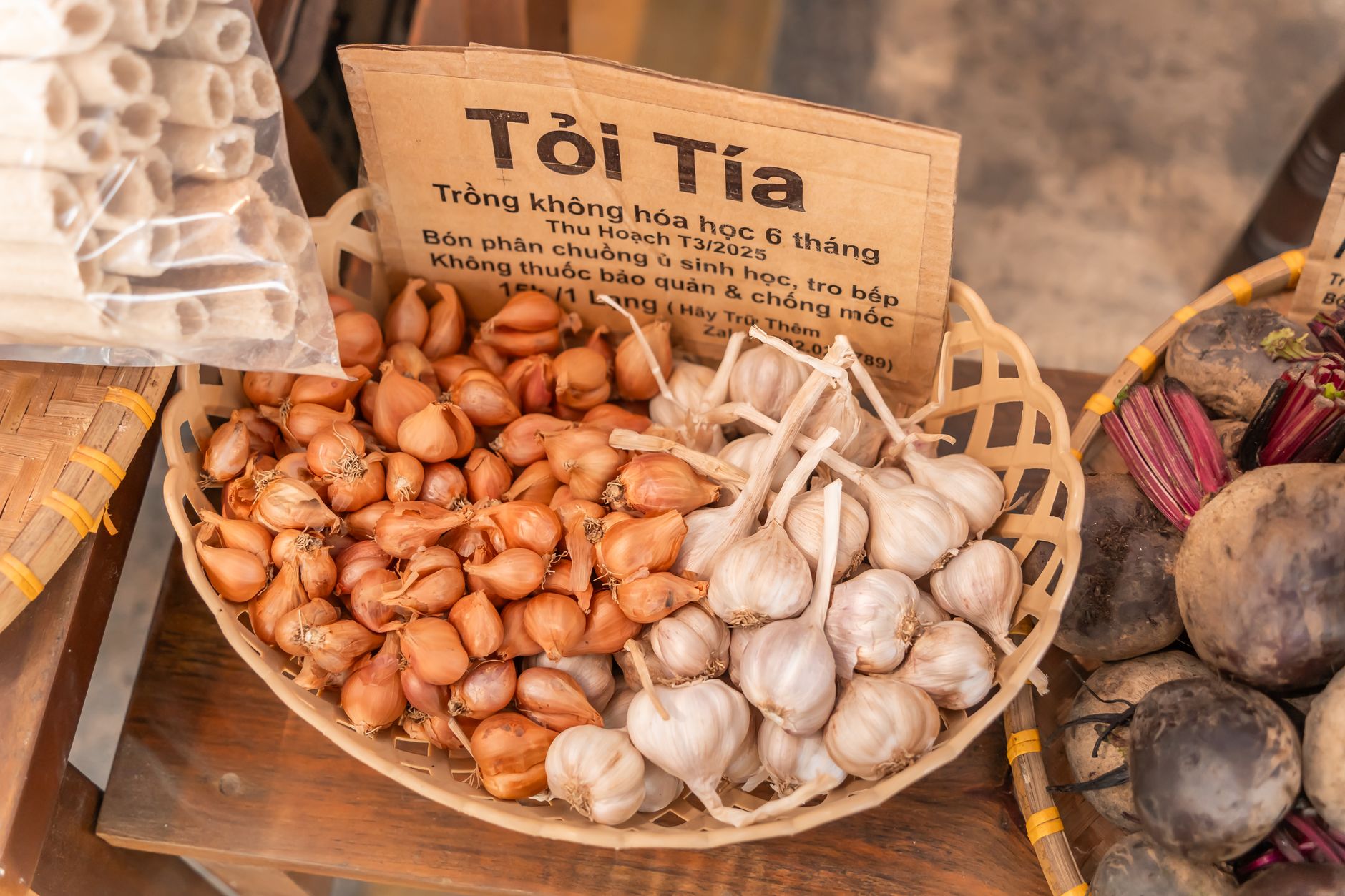
Learn how long shallots last in storage, from harvest to pantry, with proper curing and storage methods for maximum shelf life.
Shallots last 6 to 8 months when properly cured and stored in a cool, dry, dark place. Without curing, they may only keep for 2 to 4 weeks. The key is to harvest at the right time, cure thoroughly, and store under the right conditions.
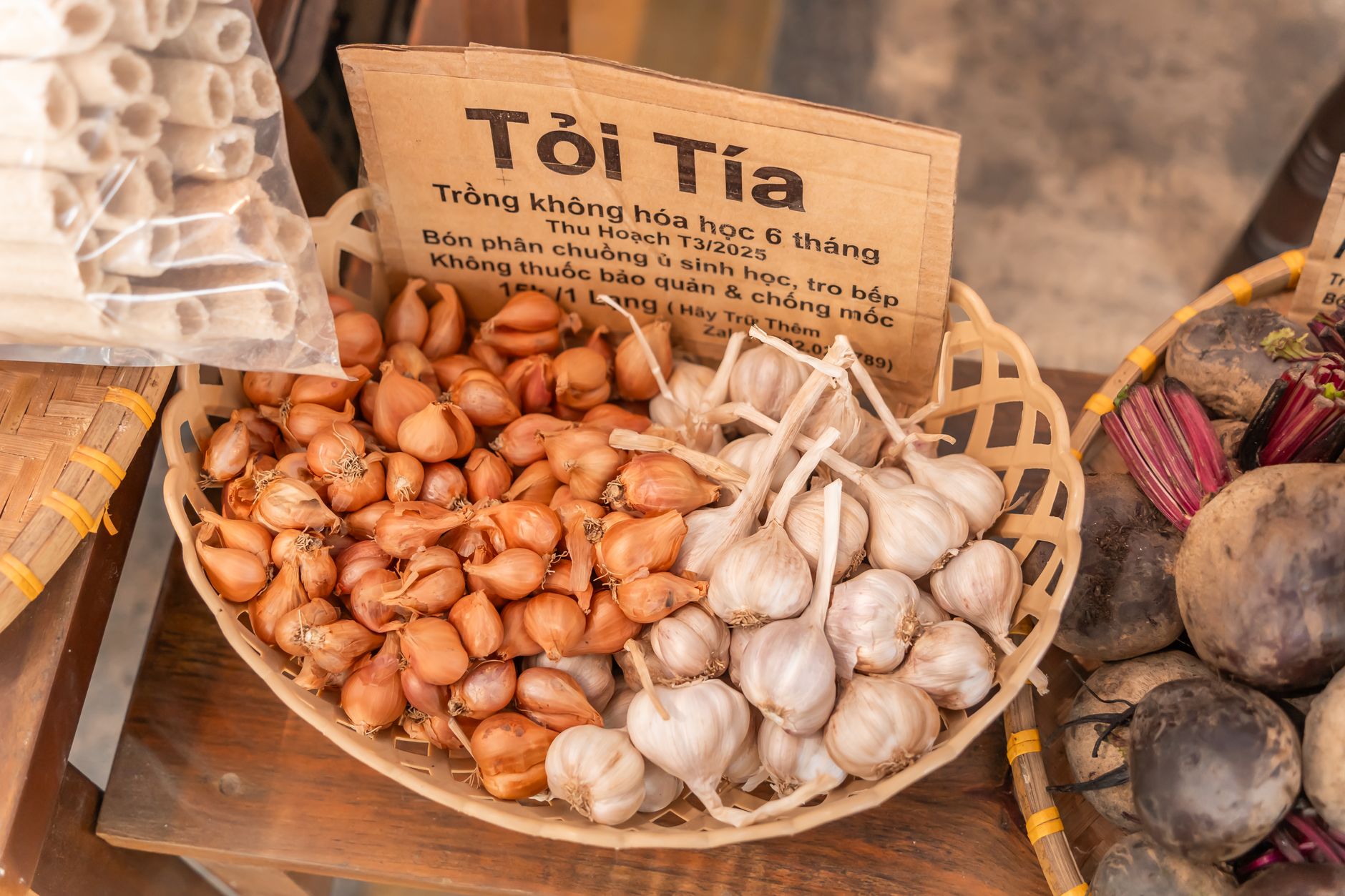
Harvest Timing and Curing
Shallots are ready to harvest when the tops yellow and fall over, usually 90 to 120 days after planting. In most US zones, this is mid to late summer. For example, in zone 5, plant in early spring (April) and harvest in August. In zone 8, plant in fall (October) for a June harvest.
Curing is essential for long storage. After digging, leave the shallots in the field for 2 to 3 days if the weather is dry, then move them to a well-ventilated shed or greenhouse. Spread them in a single layer on wire racks or slatted shelves. Cure for 2 to 3 weeks until the necks are completely dry and the skin
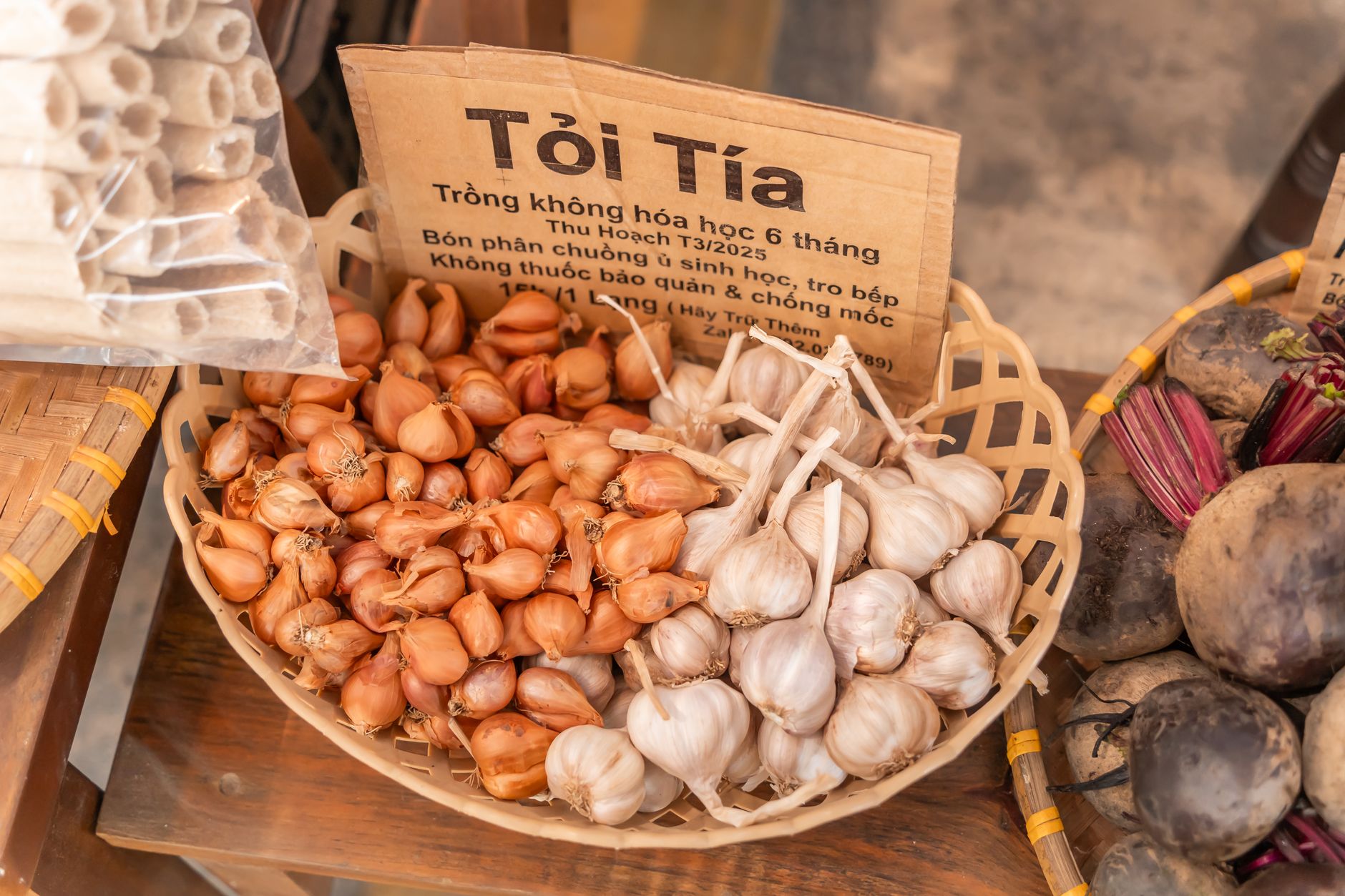 s are papery. A fan can speed this up, but avoid direct sunlight, which can cause sunscald.
Storage Conditions and Methods
Once cured, store shallots in a cool, dry, dark place with good air circulation. Ideal temperature is 32°F to 40°F (0°C to 4°C) with 60% to 70% humidity. A basement, root cellar, or unheated pantry works well. Avoid storing near potatoes, which release moisture and ethylene gas that can cause sprouting.
For long-term storage, use mesh bags, wire baskets, or braid the tops and hang them. Do not use plastic bags, as they trap moisture and promote rot. Check monthly and remove any that show signs of sprouting or softness.
Shelf Life by Storage Method
| Storage Method | Shelf Life | Notes |
|---|---|---|
| Countertop (uncured) | 2 to 4 weeks | Use quickly; will sprout in warm conditions |
| Refrigerator (cured, in mesh bag) | 2 to 3 months | Keep in crisper drawer, but humidity may cause mold |
| Root cellar or cool pantry (cured) | 6 to 8 months | Ideal for long-term storage |
| Freezer (chopped or whole) | 10 to 12 months | Blanch or freeze raw; texture changes |
Extending Shelf Life with Freezing and Dehydrating
If you have more shallots than you can use in 8 months, freeze or dehydrate them. To freeze, peel and chop, then spread on a baking sheet and freeze until solid. Transfer to freezer bags or containers. They will keep for up to a year, but use them in cooked dishes, as they lose crispness.
Dehydrating is another option. Slice thinly and dry at 125°F (52°C) for 6 to 8 hours until brittle. Store in an airtight jar in a dark cupboard. Rehydrate in water or add directly to soups and stews. Dried shallots last up to 2 years.
Common Mistakes That Shorten Shelf Life
- Harvesting too late: If tops have completely dried and fallen, the shallots may have started growing again, reducing storage life.
- Curing too short: Even a few days of inadequate curing can cause rot in storage.
- Storing in plastic: Traps moisture, leading to mold and sprouting.
- Storing near apples or potatoes: These release ethylene gas, which triggers sprouting.
FAQ
How do I know when shallots are cured?
The necks should be completely dry and tight, and the outer skins should be papery and rustle when touched. Cut a neck: if it is still moist or green, cure longer.
Can I store shallots in the refrigerator?
Yes, but only for 2 to 3 months. Place cured shallots in a mesh bag or paper bag in the crisper drawer. The humidity can cause mold, so check weekly and remove any that soften.
Do shallots sprout like onions?
Yes, if exposed to light and warmth. Store them in the dark and keep temperatures below 40°F (4°C) to minimize sprouting.
What is the best way to store shallots for winter?
Cure thoroughly, then place in a mesh bag or braid and hang in a cool, dry, dark place like a root cellar or unheated pantry. Aim for 32°F to 40°F (0°C to 4°C) and 60% to 70% humidity.
The Bottom Line
Properly cured and stored, shallots last 6 to 8 months. Harvest when tops fall, cure for 2 to 3 weeks, and store in a cool, dark, dry place. For longer storage, freeze or dehydrate. Avoid plastic bags and keep them away from potatoes and apples. With these steps, you can enjoy your homegrown shallots through winter and into early spring.