How long does onions last
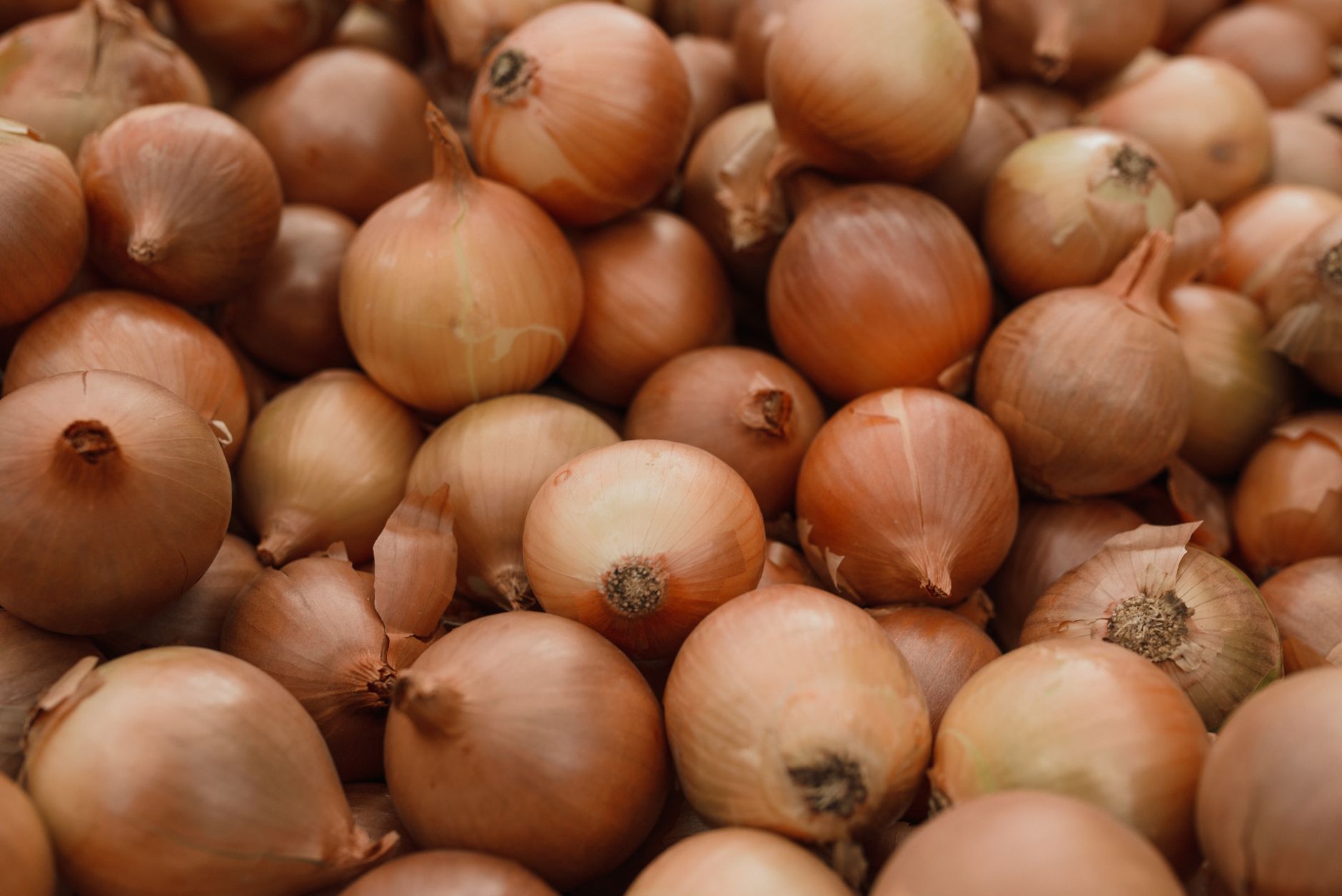
Learn how long onions last in storage, from harvest to pantry, with real timelines, varieties, and storage tips for gardeners and homesteaders.
Onions last anywhere from 2 weeks to 12 months depending on variety, curing, and storage conditions. For most homegrown onions, expect 4 to 6 months in a cool, dry, dark place if you cure them properly. This guide covers exact timelines for different onion types, how to store them for maximum shelf life, and what to do with the ones that won’t keep.
Why Onions Spoil: The Short Version
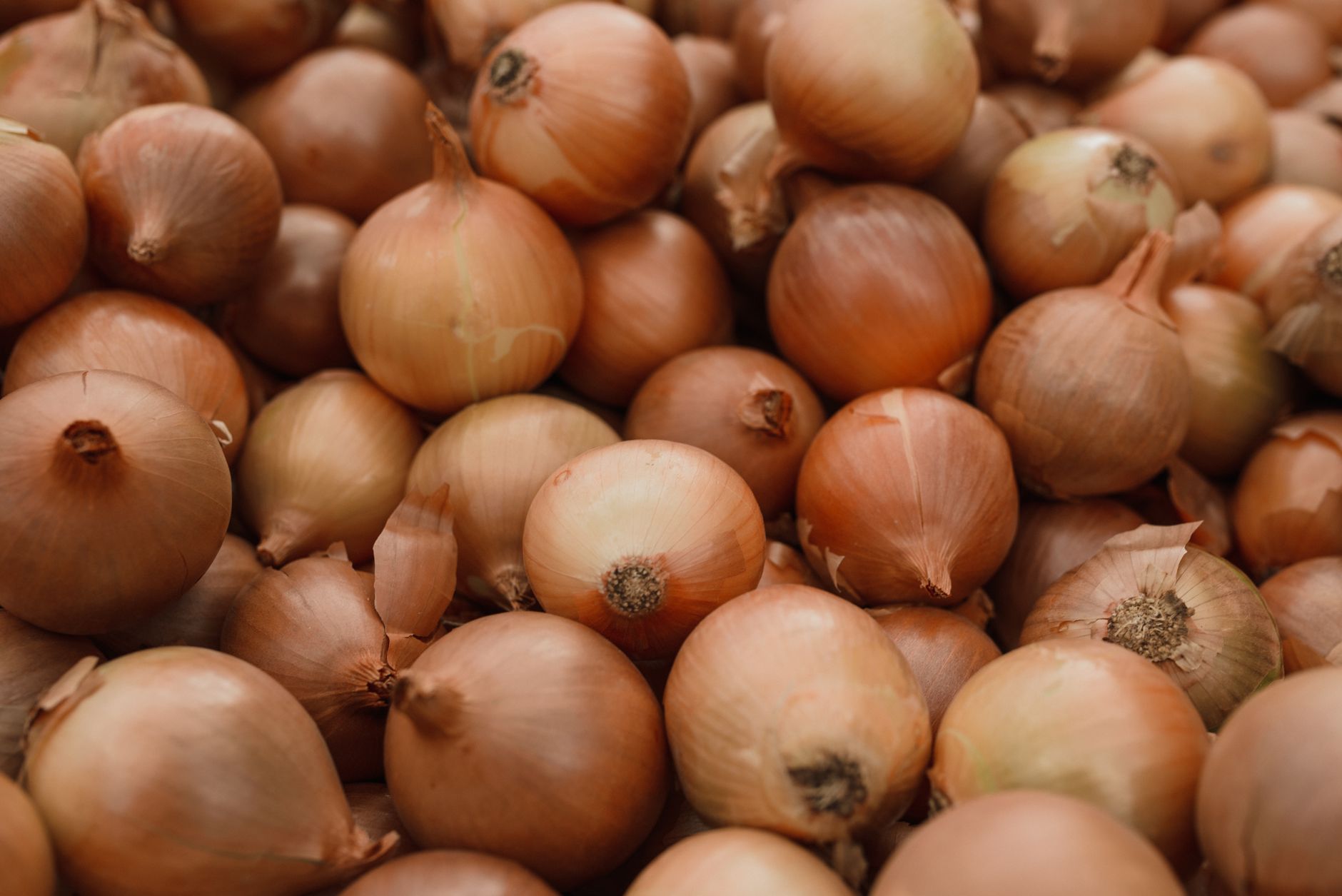
Onions spoil because they respire and sprout. Moisture and warmth trigger sprouting, while bruises and cuts invite rot. Curing removes excess moisture from the outer skins, which seals the bulb and slows down both proce
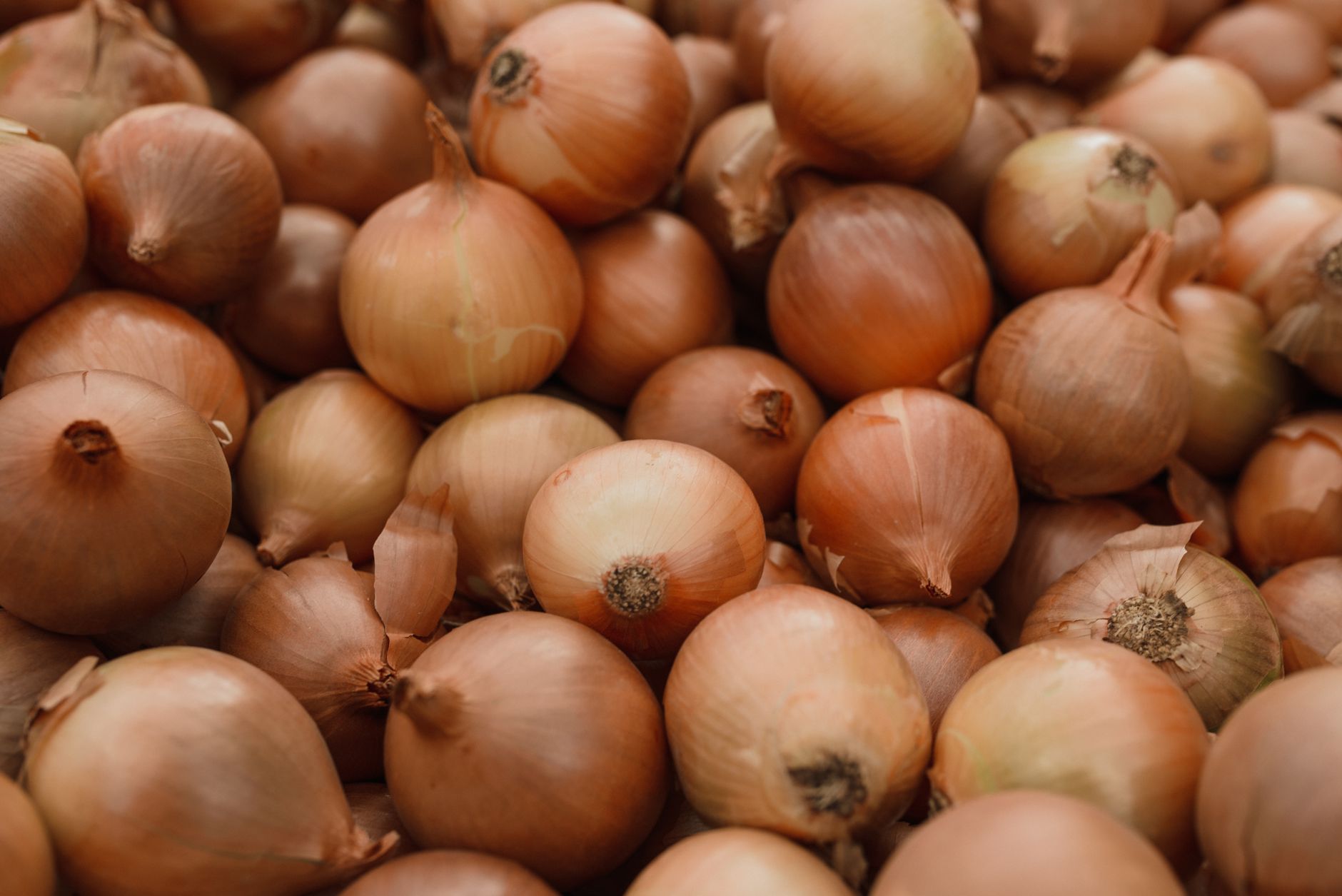 sses. The key is to start with a well-cured onion and keep it in the right environment.
Storage Life by Onion Type
Not all onions are created equal. Here’s what you can expect from common types when stored properly (60-65°F, 60-70% humidity, dark, well-ventilated):
| Onion Type | Storage Life | Best Varieties |
|---|---|---|
| Sweet onions (Vidalia, Walla Walla) | 1-3 months | ‘Candy’, ‘Texas SuperSweet’ |
| Red onions | 3-5 months | ‘Red Burgermaster’, ‘Red Wethersfield’ |
| Yellow onions | 5-8 months | ‘Copra’, ‘Patterson’, ‘Redwing’ (actually yellow) |
| White onions | 4-6 months | ‘White Sweet Spanish’, ‘Southport White Globe’ |
| Shallots | 6-8 months | ‘French Gray’, ‘Jermor’ |
| Storage onions (long-day) | 8-12 months | ‘Copra’, ‘Stuttgarter’, ‘Yellow Globe’ |
Note: Sweet onions have higher water content and thinner skins, so they rot faster. Grow storage onions if you want to eat from your pantry all winter.
How to Cure Onions for Long Storage
Curing is the single most important step. Here’s the process:
- Harvest at the right time: When 50-75% of the tops have fallen over, pull the onions. Do not wait for all tops to fall, or they may start re-growing.
- Dry in the field or a well-ventilated shed: Lay onions on a wire rack or in mesh bags, leaving tops attached. Keep them out of direct sun to prevent sunscald. Ideal curing conditions: 75-85°F, 60-70% humidity, good airflow. This takes 2-3 weeks in dry weather, longer if humid.
- Check for dryness: The neck should be tight, and the outer skin should be papery and rustle when touched. Cut off the tops, leaving 1 inch of stem.
- Brush off loose soil: Do not wash onions before storage. Washing introduces moisture and speeds rot.
If you live in a humid climate (like the Southeast), cure indoors with a fan. Set up a box fan near a rack of onions for 2 weeks.
Best Storage Conditions for Onions
Once cured, onions need:
- Temperature: 32-40°F is ideal for long-term storage (like a root cellar or refrigerator). At room temperature (60-70°F), they’ll last 4-6 months for storage types, but check weekly for sprouts.
- Humidity: 60-70%. Too dry and they shrivel; too wet and they rot.
- Darkness: Light triggers sprouting. Use a pantry, closet, or paper bag.
- Airflow: Store in mesh bags, wire baskets, or pantyhose (one onion per leg, tied between). Never store in plastic bags.
If you don’t have a cool spot, a basement or garage works in winter. In summer, a refrigerator crisper drawer is fine for short-term (2-3 months), but the humidity is high, so check for mold.
How to Tell If an Onion Is Going Bad
Check your stored onions every 2 weeks. Look for:
- Soft spots: Press gently. If it gives, use it immediately or compost it.
- Sprouting: Green shoots mean the onion is using its stored energy. It’s still edible but will taste milder and get mushy. Use it within a week.
- Mold: Black or green fuzz on the skin or neck. Discard immediately, and check neighboring onions.
- Smell: A sour or fermented smell means rot. Throw it out.
Extending Shelf Life: Freezing, Dehydrating, and Canning
If you have more onions than you can use in 6 months, preserve them:
- Freezing: Chop onions, spread on a baking sheet, freeze for 2 hours, then transfer to freezer bags. They’ll last 8-12 months. No need to blanch. Use directly in cooked dishes.
- Dehydrating: Slice thin, dry at 125°F for 6-10 hours until brittle. Store in an airtight jar. Rehydrate in water or add directly to soups. Shelf life: 1 year.
- Canning: Pressure canning is required for onions (they’re low-acid). Use a tested recipe. Shelf life: 12-18 months. This is more work but saves freezer space.
Prices for a food dehydrator: $40-$100. A pressure canner: $75-$150. Both are worth it if you grow a lot of onions.
What About Green Onions (Scallions)?
Green onions don’t store well. They last 1-2 weeks in the fridge in a plastic bag. To keep them longer, stand them in a glass of water with the roots submerged, cover loosely with a bag, and change water every 2 days. They’ll last up to 3 weeks. Or chop and freeze them.
FAQ
Q: Can I store onions with potatoes? No. Potatoes give off moisture and ethylene gas, which makes onions sprout faster. Keep them separate.
Q: Why do my onions sprout even in a cool pantry? If the temperature fluctuates above 70°F, or if they get light, they’ll sprout. Also, some varieties (like sweet onions) are naturally short-day and sprout quickly. Try a storage variety like ‘Copra’.
Q: Can I eat onions that have sprouted? Yes, but they’ll be softer and milder. Cut off the green shoot and use the onion within a few days. The sprout is edible but tough.
Q: How long do store-bought onions last? They’ve already been cured, so they’ll last 2-4 weeks at room temperature, longer in the fridge. But they may have been stored for months before you buy them, so check for soft spots.
The Bottom Line
Homegrown onions, properly cured, will last 4-6 months in a cool, dark pantry. For longer storage, choose storage-type varieties like ‘Copra’ or ‘Patterson’, cure them thoroughly, and keep them at 32-40°F if possible. Check them every couple of weeks, and use or preserve any that show signs of spoilage. With a little care, you can enjoy your own onions until spring planting time.