How long does leek take to grow
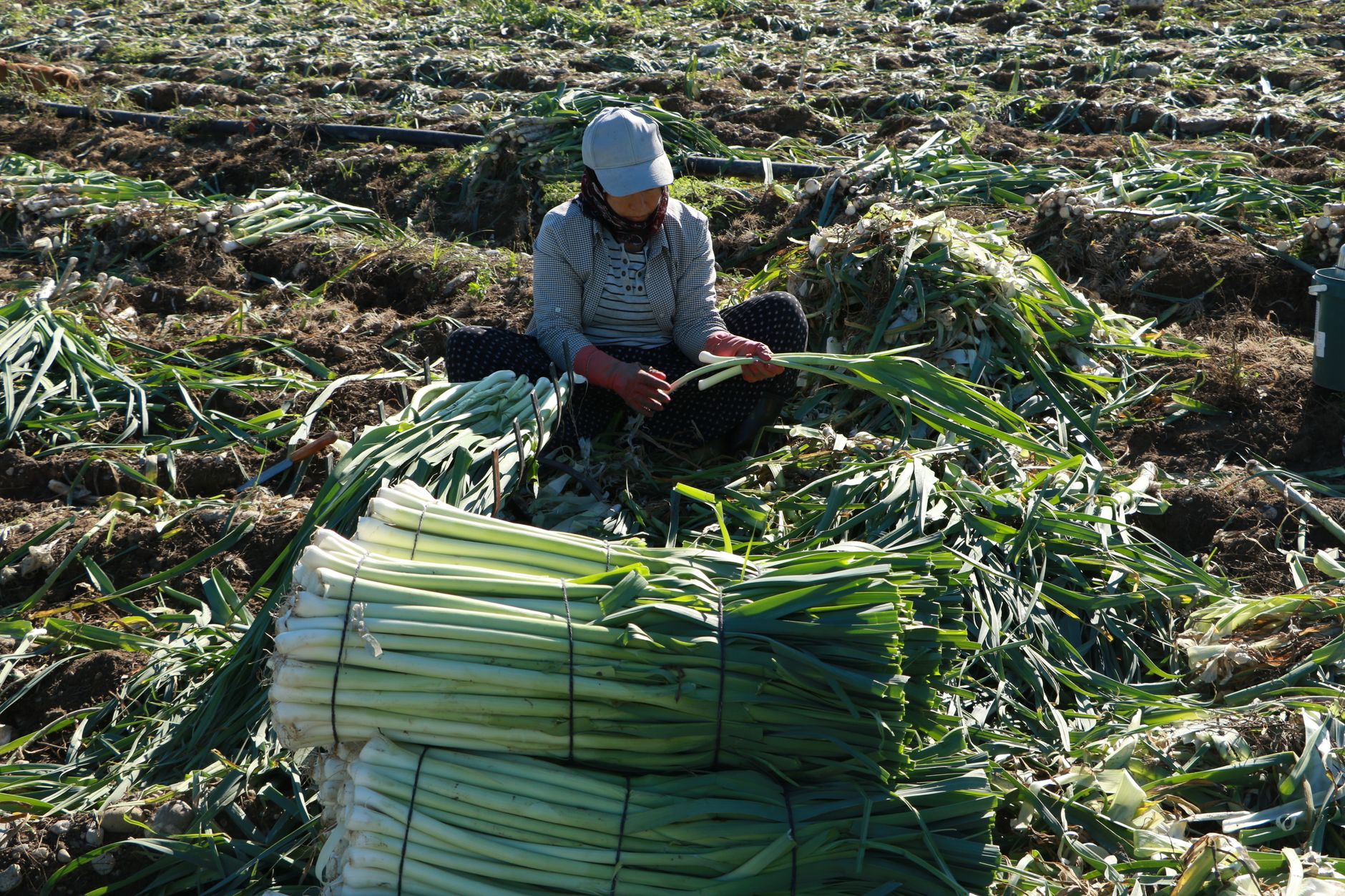
Leeks take 90-120 days from seed to harvest. Learn exact timing by zone, variety, and method, plus tips to speed up growth.
Leeks take 90 to 120 days from seed to harvest, depending on the variety and your growing zone. If you start seeds indoors in late winter, you can harvest by mid-summer; direct sowing in spring means fall harvest. This guide gives you exact dates, varieties, and steps to plan your leek crop.
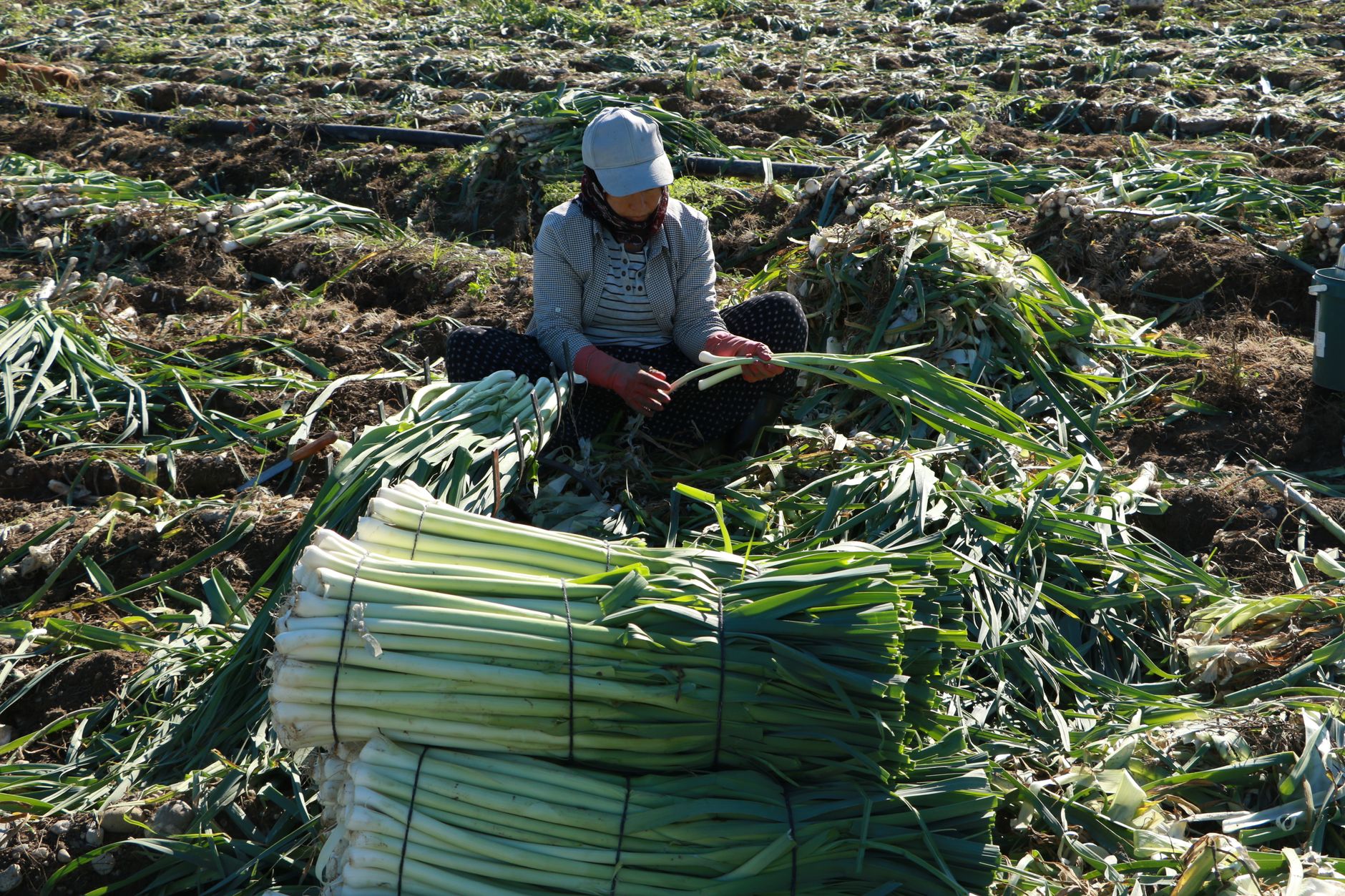
Why leeks are slow (but worth it)
Leeks are slow because they are biennials grown as annuals. They spend the first season building a thick stem, not a bulb. Unlike onions, they do not bulb up, so they need a long, cool growing season. The good news
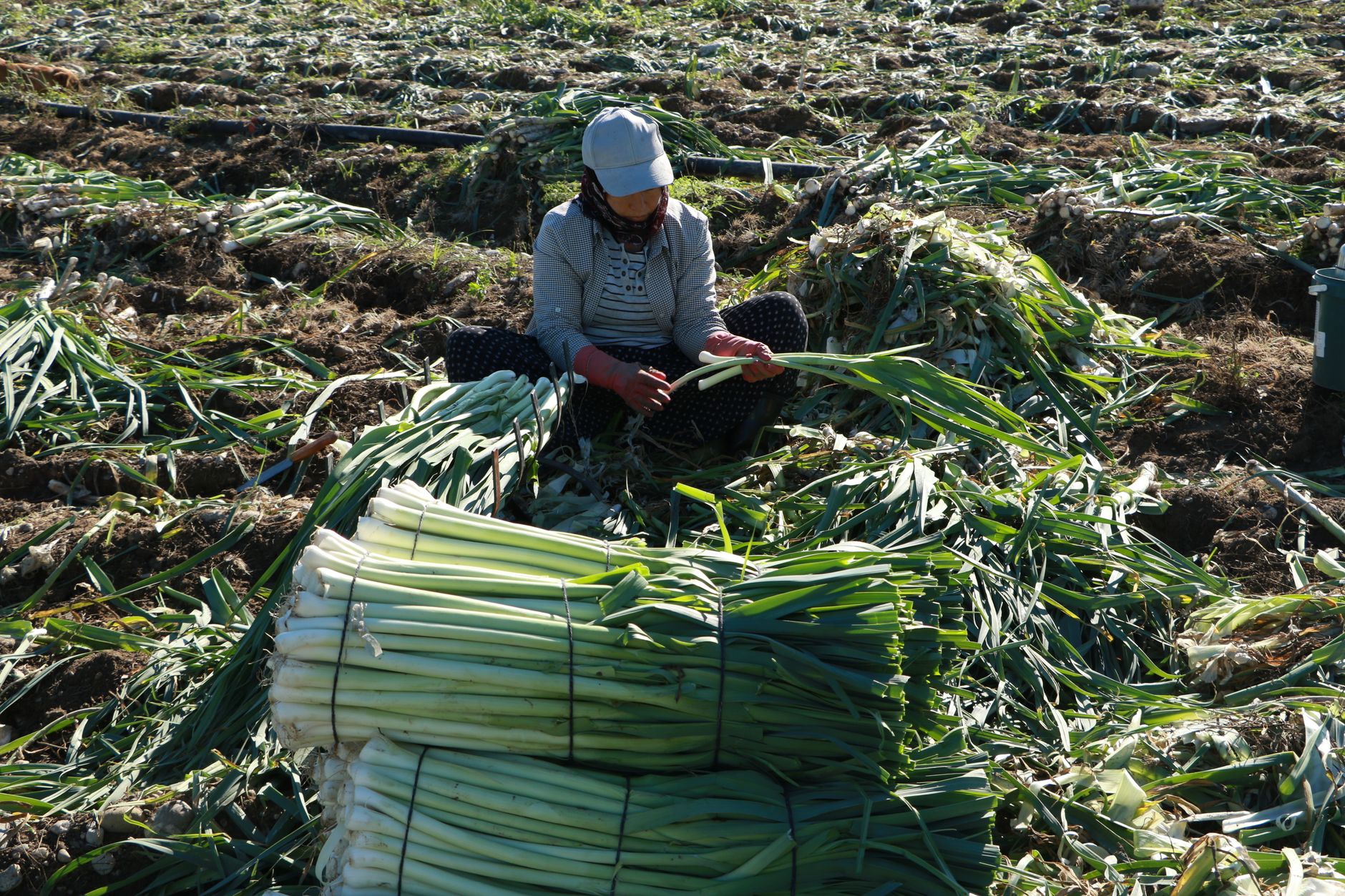 : they are frost hardy, so you can leave them in the ground well into winter and harvest as needed.
Leek growth timeline: from seed to harvest
Here is the average timeline, assuming you start seeds indoors 8 to 10 weeks before your last frost date.
| Stage | Days from sowing | What happens |
|---|---|---|
| Germination | 7 to 14 | Seeds sprout at 60-70°F. Keep soil moist. |
| Seedling growth | 14 to 60 | Plants grow slowly, pencil-thick by week 8. |
| Transplanting | 60 to 70 | Harden off and plant out after last frost. |
| Field growth | 70 to 120 | Stems thicken; blanching improves white length. |
| Harvest | 90 to 120 | Ready when stems are 1 inch thick or more. |
If you direct sow, add 2 to 3 weeks to the total, because soil temperatures are cooler. In USDA zones 3 to 5, direct sow in late April or early May for fall harvest. In zones 6 to 8, sow in March for summer harvest, or July for winter harvest.
Choosing varieties for faster or slower harvest
Variety choice changes your harvest window by 2 to 4 weeks.
- Early varieties (90 to 100 days): ‘King Richard’, ‘Varna’, ‘Jolant’. These are slim, fast, and best for summer harvest.
- Mid-season (100 to 110 days): ‘Lancelot’, ‘Giant Musselburgh’, ‘Blue Solaise’. Good for fall and early winter.
- Late varieties (110 to 120 days): ‘Bandit’, ‘Tadorna’, ‘American Flag’. Very hardy, overwinter well in zones 5 to 8.
For a continuous harvest, plant a mix: start ‘King Richard’ indoors in February, transplant in April, then sow ‘Bandit’ directly in June for winter.
How to speed up leek growth
Leeks are slow, but you can shave off 2 to 3 weeks with these steps:
- Start indoors: Use a seed tray with 1.5 inch cells. Sow 2 seeds per cell, thin to 1. Use a heat mat to keep soil at 70°F. This gives you a 8-week head start.
- Harden off properly: 7 days before transplanting, expose seedlings to outdoor shade for increasing hours. This prevents transplant shock.
- Plant deep: Dig a 6 inch deep trench or use a dibber to make 6 inch holes. Drop a seedling in, water in, and let soil wash back. This blanches the stem and encourages longer white shafts.
- Feed monthly: Side-dress with compost or a balanced fertilizer (10-10-10) at transplant and again 6 weeks later. Leeks are heavy feeders.
- Water consistently: Keep soil evenly moist, about 1 inch per week. Drought slows growth and makes stems tough.
When to plant leeks by zone
Use these dates as a guide. Adjust for your local frost dates.
| USDA Zone | Start indoors | Transplant out | Direct sow | Harvest window |
|---|---|---|---|---|
| 3-4 | Feb 15 - Mar 1 | Apr 15 - May 1 | Apr 15 - May 1 | Aug - Oct |
| 5-6 | Feb 1 - Mar 1 | Mar 15 - Apr 15 | Mar 15 - Apr 15 | Jul - Sep |
| 7-8 | Jan 15 - Feb 15 | Mar 1 - Apr 1 | Mar 1 - Apr 1 | Jun - Aug |
| 8-9 | Jan 1 - Feb 1 | Feb 15 - Mar 15 | Feb 15 - Mar 15 | May - Jul |
For winter harvest in zones 7 to 9, sow directly in July or August. In colder zones, you can mulch heavily and harvest through early winter.
Harvesting: when and how
Leeks are ready when the stems are at least 1 inch in diameter. You can harvest earlier for baby leeks, but they will be smaller. Use a garden fork to loosen the soil, then pull gently. Do not wash until you are ready to use, as they store better with soil on.
If you leave leeks in the ground over winter, they will survive down to 20°F with mulch. In spring, they will bolt (send up a flower stalk) and become woody, so harvest before that.
Common problems and how to avoid them
- Bolting: Caused by cold snaps after warm weather. Plant at the right time and avoid transplanting too early.
- Thin stems: Usually from crowding or poor soil. Space plants 6 inches apart in rows 12 inches apart.
- Onion thrips: Tiny insects that cause silvery streaks. Use row covers or insecticidal soap.
- Leaf yellowing: Nitrogen deficiency. Side-dress with compost or fish emulsion.
FAQ
Can I grow leeks in containers? Yes, use a pot at least 12 inches deep and 8 inches wide per plant. Fill with quality potting mix and keep watered. Expect smaller yields, but it works for patio gardeners.
Do leeks need full sun? Leeks prefer full sun, at least 6 hours a day. In hot zones (8+), afternoon shade can prevent stress.
Can I overwinter leeks in the ground? Yes, in zones 5 to 8, mulch with straw or leaves after the ground freezes. Harvest as needed through winter. In zones 3-4, it is risky; dig and store in a cool root cellar.
Why are my leeks taking longer than 120 days? Check soil temperature, water, and fertility. Cold springs or drought can delay growth. Also, some varieties are naturally slower. Patience: they will catch up if you feed and water.
The bottom line
Leeks take 90 to 120 days from seed, but with indoor starts and the right variety, you can harvest in as little as 75 days. Plan your planting dates by zone, choose early or late varieties based on your harvest goal, and give them consistent water and feeding. Start seeds indoors now if you want summer leeks; direct sow in late spring for fall. With a little patience, you will have a steady supply of fresh leeks for months.