How long does it take to grow onions
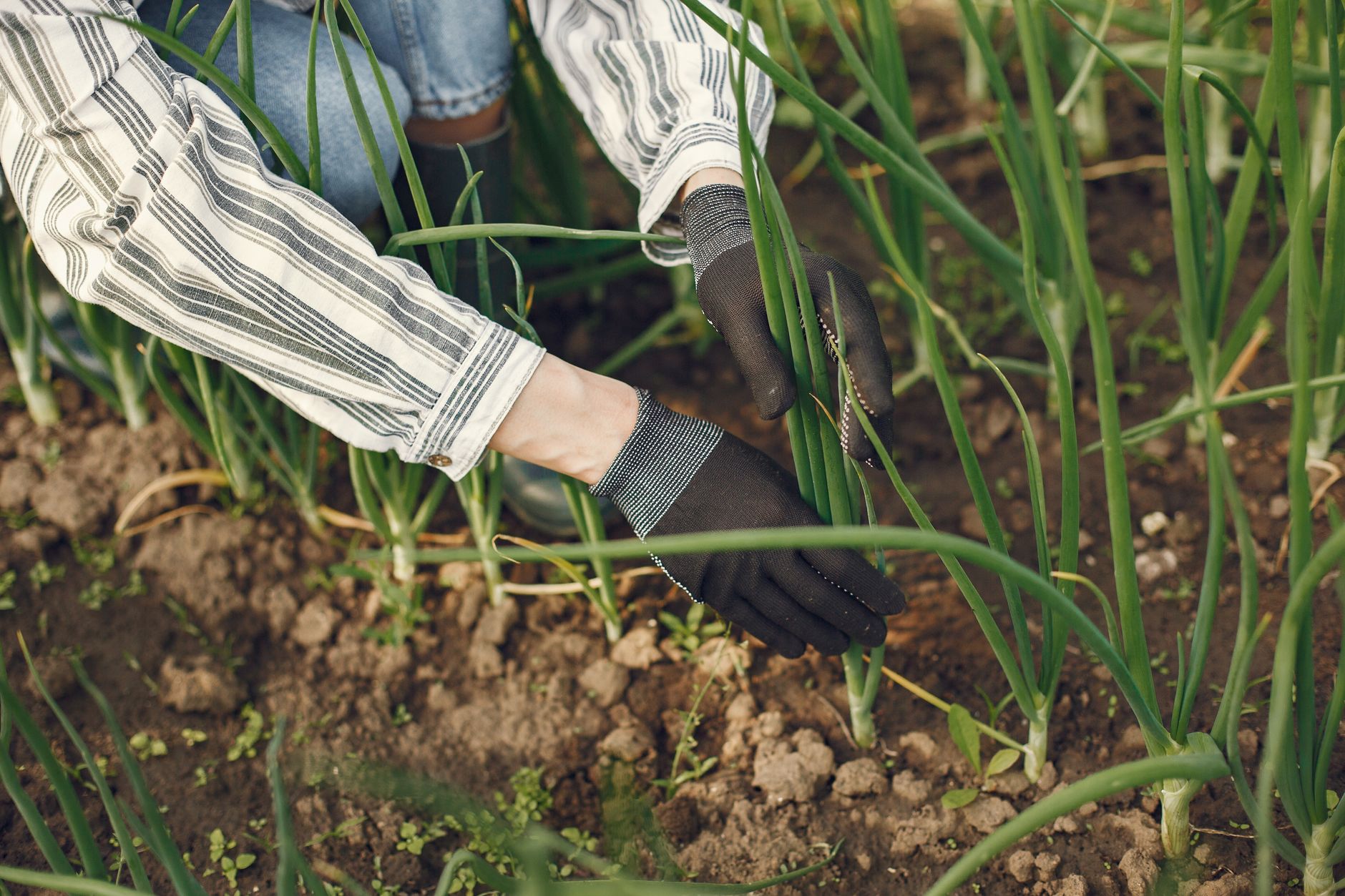
Onions take 100-175 days from seed, 60-100 from sets. Learn day length, planting dates by zone, and step-by-step tips for a successful harvest.
Onions take 100 to 175 days from seed to full bulb, depending on the variety and how you start them. Sets (small bulbs) cut that to 60 to 100 days, and transplants from seed started indoors save about 8 to 10 weeks. The key is matching the right onion type to your day length and planting at the right time for your zone.
Onion types and day length
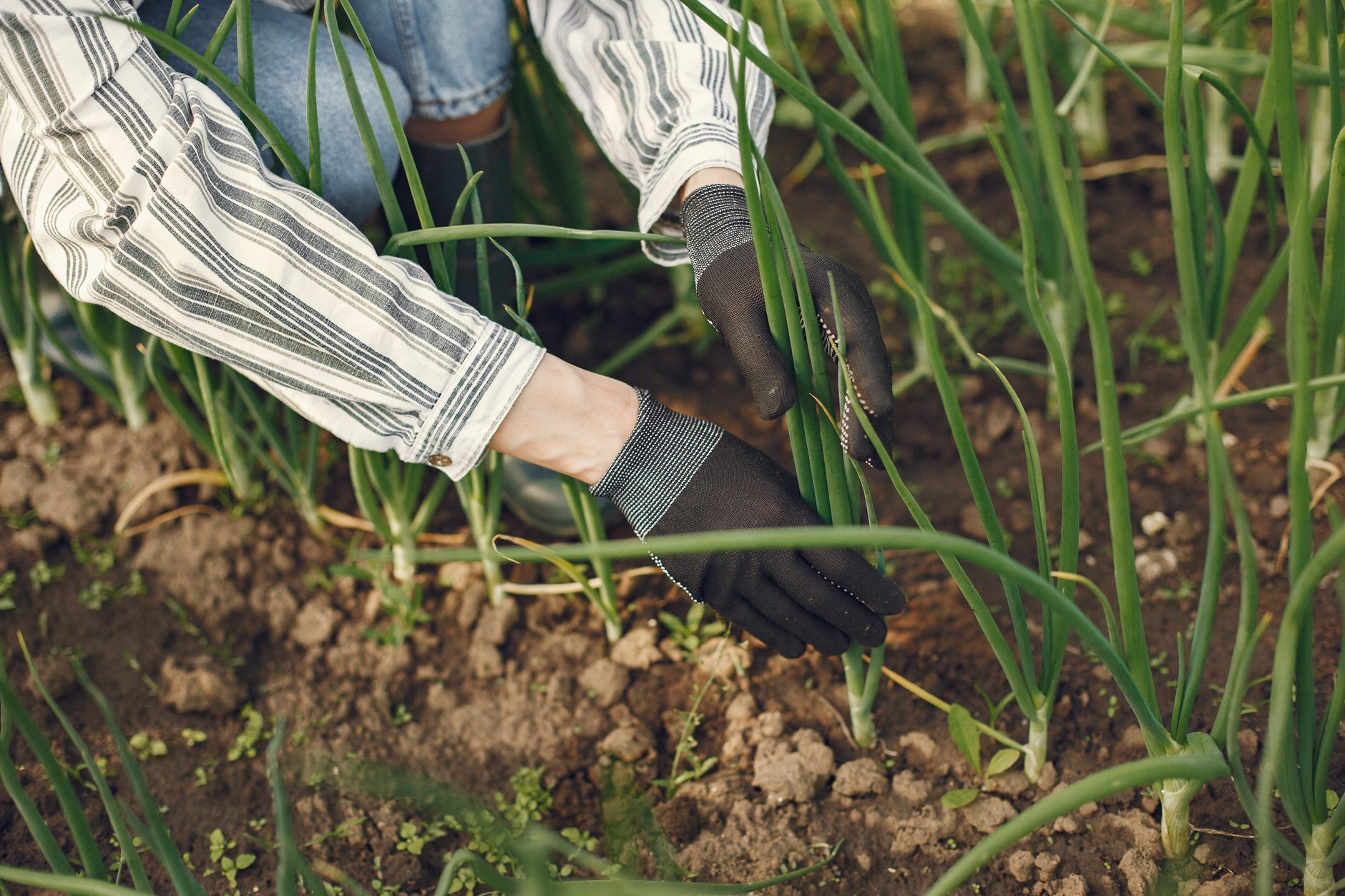
Onions bulb based on day length. Pick the wrong type and you get tops but no bulbs.
- Short-day onions: Start bulbs when daylight hits 10-12 hours. Best for zones 7-10. Plant in fall or early winter. Varieties: ‘Red Creole’, ‘Texas SuperSweet’, ‘Yellow Granex’ (Vidalia type).
- Long-day onions: Need 14-16 hours of daylight. Best for zones 3-6. Plant in early spring. Varieties: ‘Walla Walla’, ‘Yellow Sweet Spanish’, ‘Red Zeppelin’.
- Day-neutral onions: Bulb with 12-14 hours, work in zones 5-8. Varieties: ‘Candy’, ‘Superstar’,
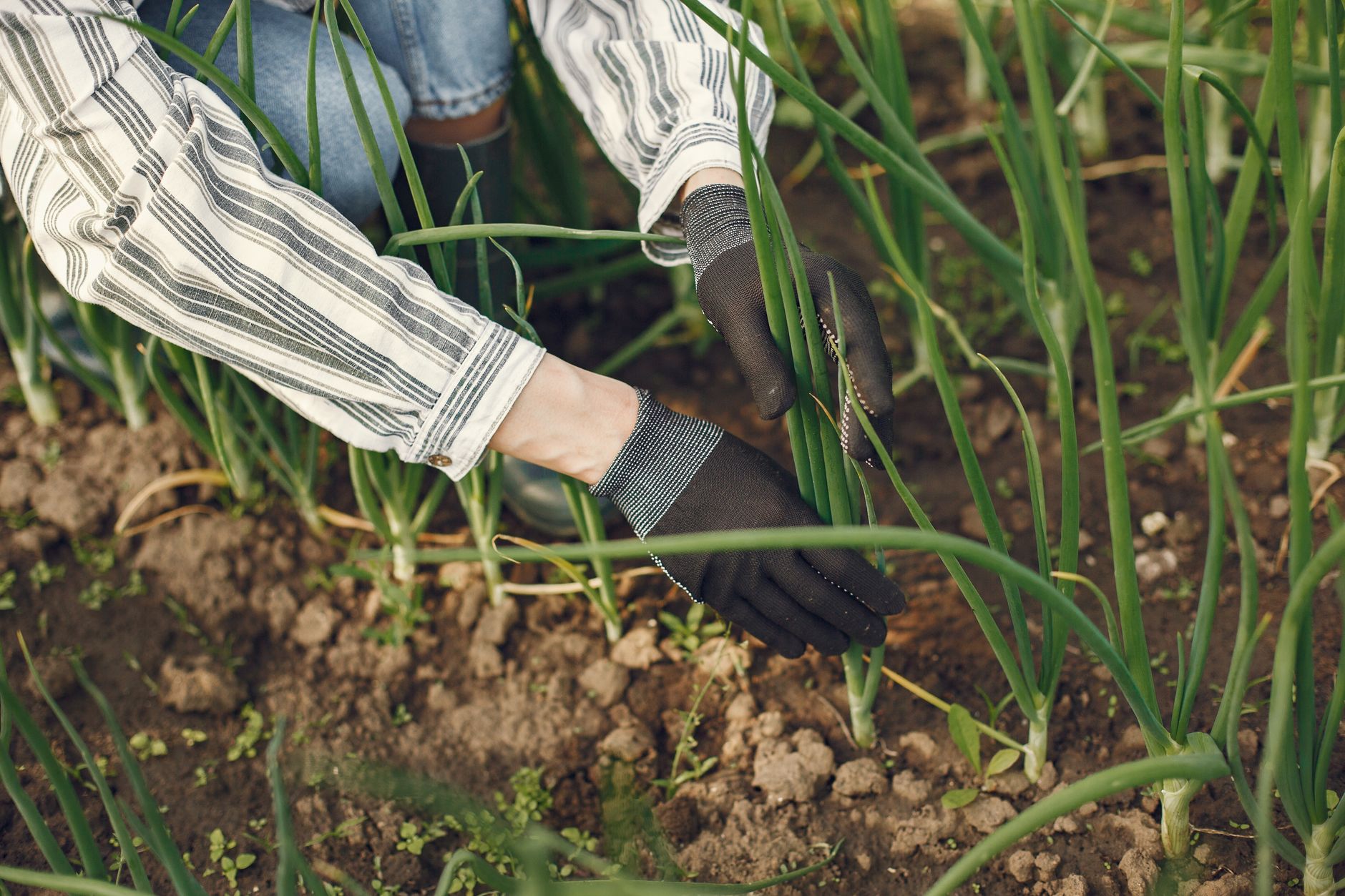 ‘Red Candy Apple’.
Check your zone before buying seed or sets. A quick USDA zone map lookup will settle it.
Timeline from seed to harvest
Starting from seed is cheapest but slowest. Here is the realistic breakdown:
- Seed starting indoors: 8-10 weeks before your last frost date. Sow seeds 1/4 inch deep in trays, keep soil at 65-75°F. Seedlings need bright light, 14-16 hours a day.
- Transplanting: Harden off seedlings for 7-10 days, then plant outside 1 inch deep, 4 inches apart in rows 12-18 inches apart. This happens 2-4 weeks before last frost for long-day, or in fall for short-day.
- Bulb formation: Starts when day length hits the trigger. Bulbs swell over 4-6 weeks.
- Harvest: When tops flop over and start to yellow, usually 100-175 days from seed, 60-100 days from sets.
If you use sets, you skip the indoor seed step. Plant sets 1 inch deep, 4 inches apart, in early spring (or fall for short-day). Harvest comes 60-100 days later.
Planting dates by USDA zone
Use these as a guide, adjust for your local frost dates.
| Zone | Long-day sets (spring) | Short-day sets (fall) | Seed starting indoors | Transplant out |
|---|---|---|---|---|
| 3-4 | April-May | Not recommended | March | May |
| 5-6 | March-April | Not recommended | February-March | April |
| 7-8 | February-March | October-November | January-February | February-March |
| 9-10 | January-February | October-December | December-January | January-February |
For zones 3-6, stick to long-day. For zones 7-10, short-day is safer. Day-neutral works in zones 5-8 and is more forgiving.
Step-by-step: grow onions from sets (easiest method)
Sets are the most reliable for beginners. A 1-pound bag costs $8-$12 and plants about 100 onions.
- Choose your sets: Buy from a reputable supplier like Dixondale Farms or Johnny’s Selected Seeds. Look for firm, dime-sized bulbs. Avoid sets larger than a nickel; they tend to bolt.
- Prepare soil: Onions need loose, well-drained soil with pH 6.0-7.0. Work in 2 inches of compost and a balanced fertilizer like 10-10-10 at 1 pound per 10 square feet.
- Plant: In early spring (or fall for short-day), plant sets 1 inch deep, 4 inches apart, with the pointy tip up. Rows 12-18 inches apart. Water in well.
- Mulch: A 2-inch layer of straw or grass clippings keeps soil moist and suppresses weeds.
- Water: Give 1 inch of water per week, more in hot weather. Onions are shallow-rooted; consistent moisture is critical.
- Fertilize: Side-dress with nitrogen (blood meal or 21-0-0) 3 weeks after planting, then again when bulbs start to swell. Too much nitrogen late can cause thick necks and poor storage.
- Harvest: When tops flop over, stop watering. Wait 2 weeks, then pull bulbs on a dry day. Cure them in a warm, airy spot for 2-3 weeks until necks are dry.
Growing from seed: what it really takes
Seed is cheaper (a packet costs $3-$5 for 200 seeds) but adds 8-10 weeks indoors. You need a seed-starting setup: trays, potting mix, and a grow light. A basic setup costs $40-$60. If you have the space and time, seed gives you more variety choices. If not, sets are fine.
For seed, start 8-10 weeks before last frost. Sow 3-4 seeds per cell, thin to one. Keep soil moist, not wet. Fertilize with a half-strength liquid fertilizer weekly after the first true leaf appears. Harden off before transplanting.
Common mistakes that delay harvest
- Wrong day length: This is the biggest one. A short-day onion in zone 5 will never bulb.
- Planting too deep: Bulbs need to sit on top of the soil. Plant sets 1 inch deep, not 3.
- Overcrowding: Onions need 4 inches between plants. Crowded onions stay small.
- Inconsistent water: Dry spells cause small bulbs and early bolting.
- Harvesting too early: Wait until tops flop. Early harvest means small, watery bulbs.
FAQ
Can I grow onions from grocery store onions? You can sprout the root end, but you will not get good bulbs. Grocery onions are often treated to prevent sprouting, and the variety may not suit your day length. Buy seed or sets from a nursery.
How do I know when onions are ready to harvest? When about half the tops have flopped over and started to yellow, stop watering. Wait 2 weeks, then pull. The necks should feel soft and the skins papery.
Can I grow onions in containers? Yes, use a pot at least 10 inches deep and 12 inches wide. Plant sets 4 inches apart. Water more often, as containers dry out faster. Expect smaller bulbs but still usable.
Why are my onions bolting (flowering)? Bolting is caused by temperature swings or planting sets that are too large. Use small sets, plant at the right time, and keep soil evenly moist. Cut off any flower stalks immediately to redirect energy to the bulb.
The bottom line
Onions take 100-175 days from seed, or 60-100 days from sets. For most home gardeners, sets are the fastest and easiest route. Match your variety to your day length, plant at the right time for your zone, and give consistent water and nutrients. You will have bulbs by midsummer to early fall, ready to cure and store for months. Start with a small batch this season, keep notes, and adjust next year. That is how you get good at onions.