How long does garlic take to mature
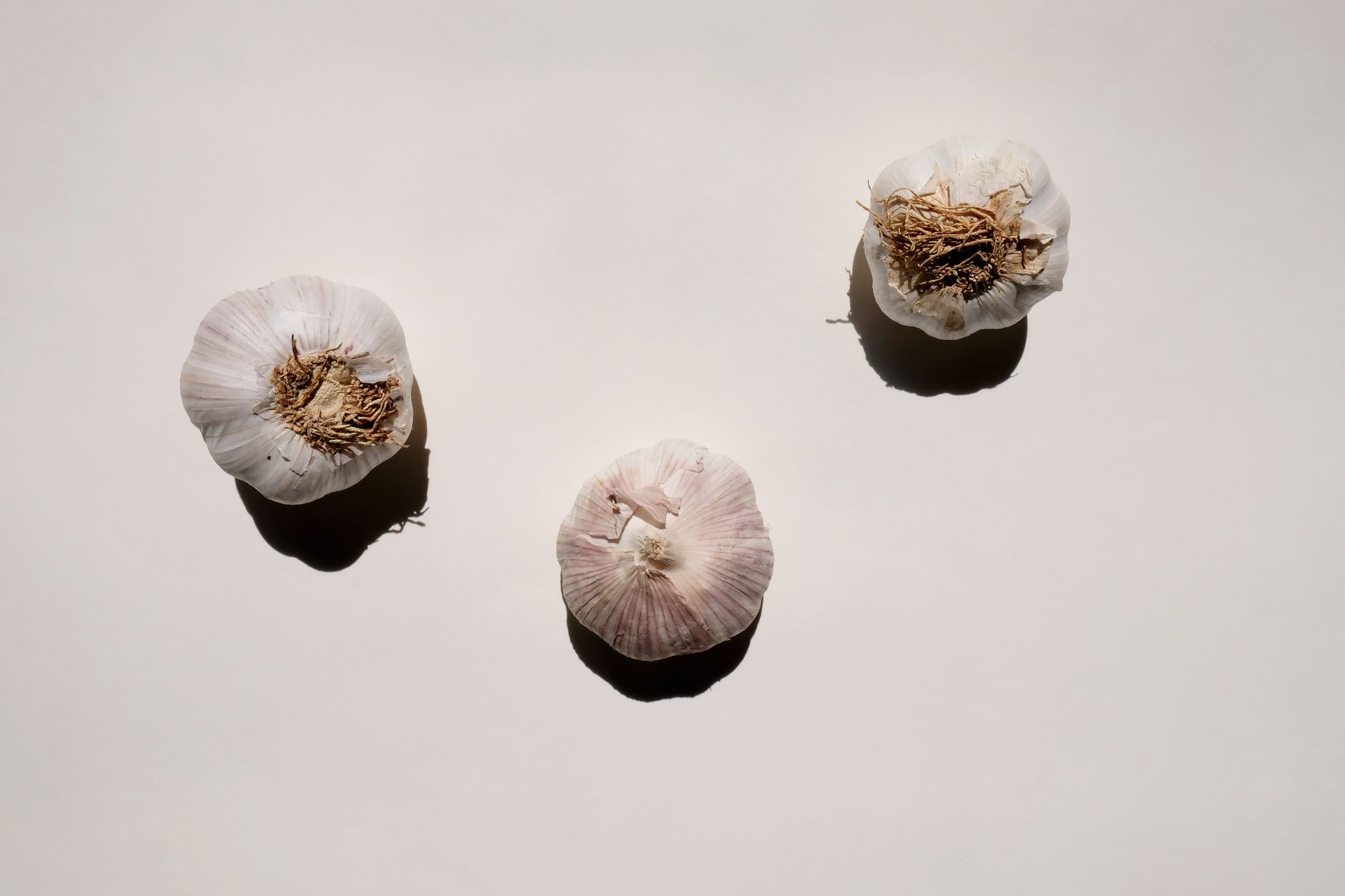
Garlic takes 8 to 9 months from planting to harvest. Learn exact timelines by zone, when to plant, and how to know when it's ready.
Garlic takes about 8 to 9 months from planting to harvest, depending on your zone and variety. In most of the US, you plant in fall (October or November) and harvest in early summer (June or July). If you plant in spring, expect a smaller crop and harvest in late summer. Here is the exact timeline and how to time it right.
Why garlic takes so long
Garlic is a biennial that we grow as an annual. It needs a cold period (vernalization) to trigger bulb formation. That is why fall planting works: the cloves sit in cold soil over winter, then grow leaves in spring, and bulb up as days leng
 then. If you plant in spring, the cold period is shorter, so bulbs are smaller and often have fewer cloves.
Planting to harvest timeline by zone
Use these dates as a guide. Adjust by 1 to 2 weeks based on your local weather.
| USDA Zone | Plant in fall | Harvest in summer | Total months |
|---|---|---|---|
| 3-4 | Late Sept to mid-Oct | Mid-July to early Aug | 9-10 |
| 5-6 | Mid-Oct to early Nov | Early to mid-July | 8-9 |
| 7-8 | Late Oct to mid-Nov | Late June to early July | 8 |
| 9-10 | Nov to Dec | Late May to June | 6-7 |
In zones 9 and 10, you may need to pre-chill cloves in the fridge for 6 to 8 weeks before planting to mimic winter. Otherwise, bulbs may not form properly.
How to tell when garlic is ready
Do not rely on the calendar alone. Watch the plant. Garlic is ready when the lower leaves turn brown and dry, but the upper leaves are still green. Typically, that is 3 to 4 weeks after the scapes (flower stalks) appear. For hardneck varieties, cut the scapes when they curl; this directs energy to the bulb. For softneck varieties, no scapes to cut.
Here is a simple test: dig up one bulb. If the wrapper is papery and the cloves are plump and fill the skin, it is ready. If the bulb is still smooth and the cloves are not defined, wait another week. If the wrapper is splitting, you waited too long; harvest immediately.
What happens if you harvest too early or too late
Harvesting too early gives small, underdeveloped bulbs that do not store well. Harvesting too late causes the wrappers to split and the cloves to separate, which shortens storage life. Aim for that window when the lower leaves are brown but the upper leaves are still green.
Step-by-step harvest process
- Stop watering 1 to 2 weeks before harvest. Dry soil makes digging easier and reduces rot.
- Loosen the soil with a garden fork, 4 to 6 inches away from the plant to avoid cutting bulbs.
- Pull the garlic by the stems, not the bulbs. Shake off loose soil.
- Cure in a dry, shaded, well-ventilated area for 2 to 4 weeks. Do not wash the bulbs; just brush off dirt.
- After curing, trim the roots and cut the stems to 1 inch above the bulb, or braid softneck varieties.
- Store in a cool, dry place (50-60°F) with good air circulation. Properly cured garlic can last 6 to 8 months for hardneck, 8 to 12 months for softneck.
Real varieties and their maturity times
Different types mature at slightly different rates. Here are common ones and their typical harvest windows (from fall planting):
| Variety | Type | Days to maturity (from planting) | Harvest window |
|---|---|---|---|
| German Extra Hardy | Hardneck | 240-270 | Mid-July (zone 5) |
| Music | Hardneck | 240-270 | Mid-July (zone 5) |
| Chesnok Red | Hardneck | 250-280 | Late July (zone 5) |
| California Early | Softneck | 210-240 | Late June (zone 7) |
| Inchelium Red | Softneck | 240-270 | Early July (zone 6) |
| Kettle River Giant | Hardneck | 250-280 | Late July (zone 4) |
These are based on fall planting. If you plant in spring, add 2 to 3 weeks to the harvest date, but bulbs will be smaller.
What about spring planting?
Spring planting is possible in zones 5 and warmer, but you will get smaller bulbs. Plant as early as the soil can be worked, usually March or April. Harvest in late August or September. For best results, choose softneck varieties like California Early or Inchelium Red, which are more adaptable. Expect yields about half of fall-planted garlic.
Common mistakes that delay or ruin harvest
- Planting too late in fall: cloves may not root well before freeze, leading to poor growth.
- Planting too early in fall: cloves may sprout and then get killed by winter.
- Overwatering in spring: causes rot and delays maturity.
- Removing all leaves too early: leaves feed the bulb; leave at least 5 to 6 green leaves until harvest.
- Harvesting on a rainy day: wet bulbs cure poorly and rot faster.
FAQ
Can I harvest garlic in less than 8 months?
If you plant in spring, you may harvest in 4 to 5 months, but bulbs will be smaller. For full-size bulbs, plan for 8 to 9 months from fall planting.
How do I know if my garlic is mature without digging?
Watch the leaves. When the bottom 3 to 4 leaves have turned brown and dried, but the top 4 to 5 are still green, it is ready. This usually happens 3 to 4 weeks after scapes appear.
What if my garlic is still green in July?
If you are in a cool zone (4 or 5), that is normal. In warmer zones, it may mean you planted late or had a cool spring. Wait until the lower leaves brown, even if it is later than expected.
Can I leave garlic in the ground over winter?
No. Garlic is a biennial; if left, it will flower and produce bulbils, and the bulb will split and lose quality. Harvest when mature and store it.
The bottom line
Garlic takes 8 to 9 months from fall planting to harvest. Plant in October or November, cut scapes in June, and harvest when the lower leaves brown. Use the calendar as a guide, but trust the leaf color test. With proper curing and storage, your garlic will last through winter and into spring.
If you are new to garlic, start with a reliable hardneck like Music for cold zones or a softneck like Inchelium Red for warmer areas. Plant cloves 4 inches apart, 2 inches deep, mulch well, and you will have a harvest by next July.