How long does garlic take to cure common cold
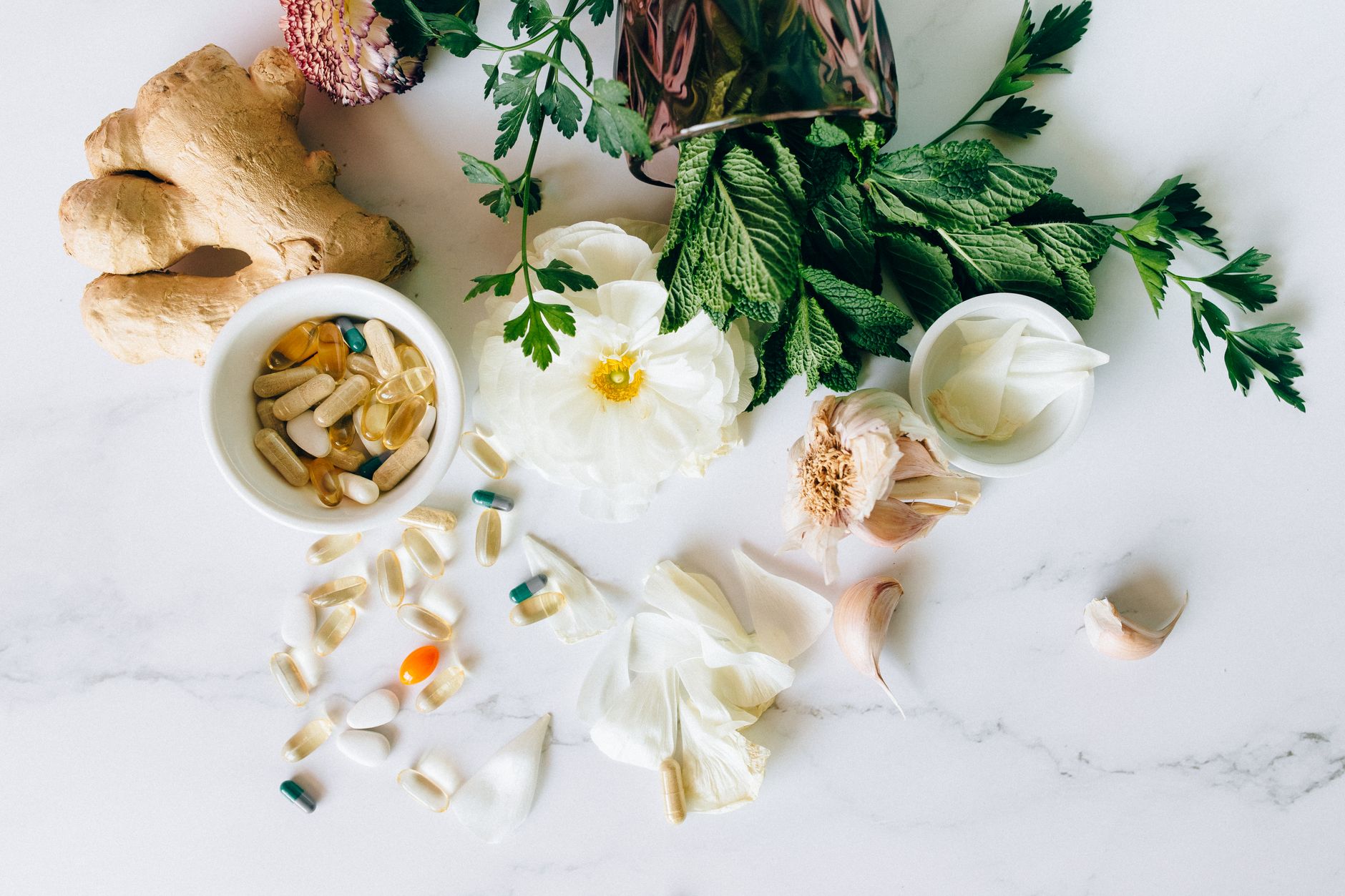
Garlic does not cure the common cold, but it may shorten duration by 1-2 days if taken early. Learn realistic benefits, dosage, and how to use it.
Garlic does not cure the common cold. No food or supplement cures a viral infection, and anyone telling you otherwise is selling something. What garlic can do, based on decent evidence, is modestly reduce the duration and severity of cold symptoms if you take it consistently before and during the illness. In one often-cited 2001 study, people taking a daily garlic supplement had 64% fewer colds and recovered about 1.5 days faster when they did catch one. That is not a cure, but it is a real, measurable benefit worth using in your kitchen and medicine cabinet.
What the science actually says
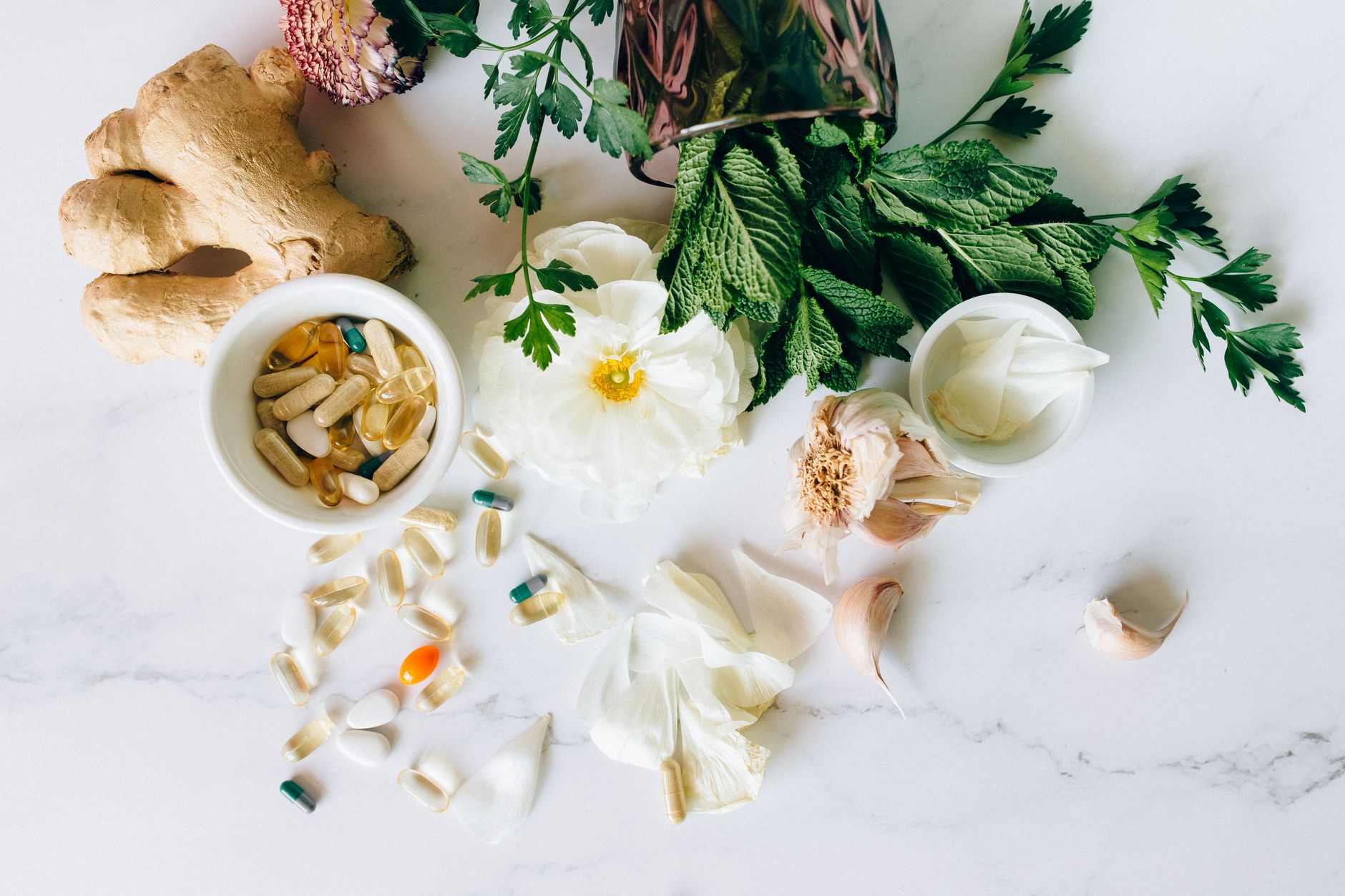
The most cited research on garlic and colds is a 12-week trial from 2001 where 146 volunteers took either a garlic supplement (Allium sativum) or a placebo. The garlic group reported 24 colds total versus 65 in the placebo group, and the average cold duration was 1.5 days shorter. A 2014 Cochrane review found that garlic may prevent colds and shorten symptoms, but called the evidence weak and limited. No study shows garlic kills the cold virus in humans. The likely mechanism is allicin, a sulfur compound that has antimicrobial and anti-inflammatory properties in lab tests, but your body does not absorb allicin well. Still, the practic
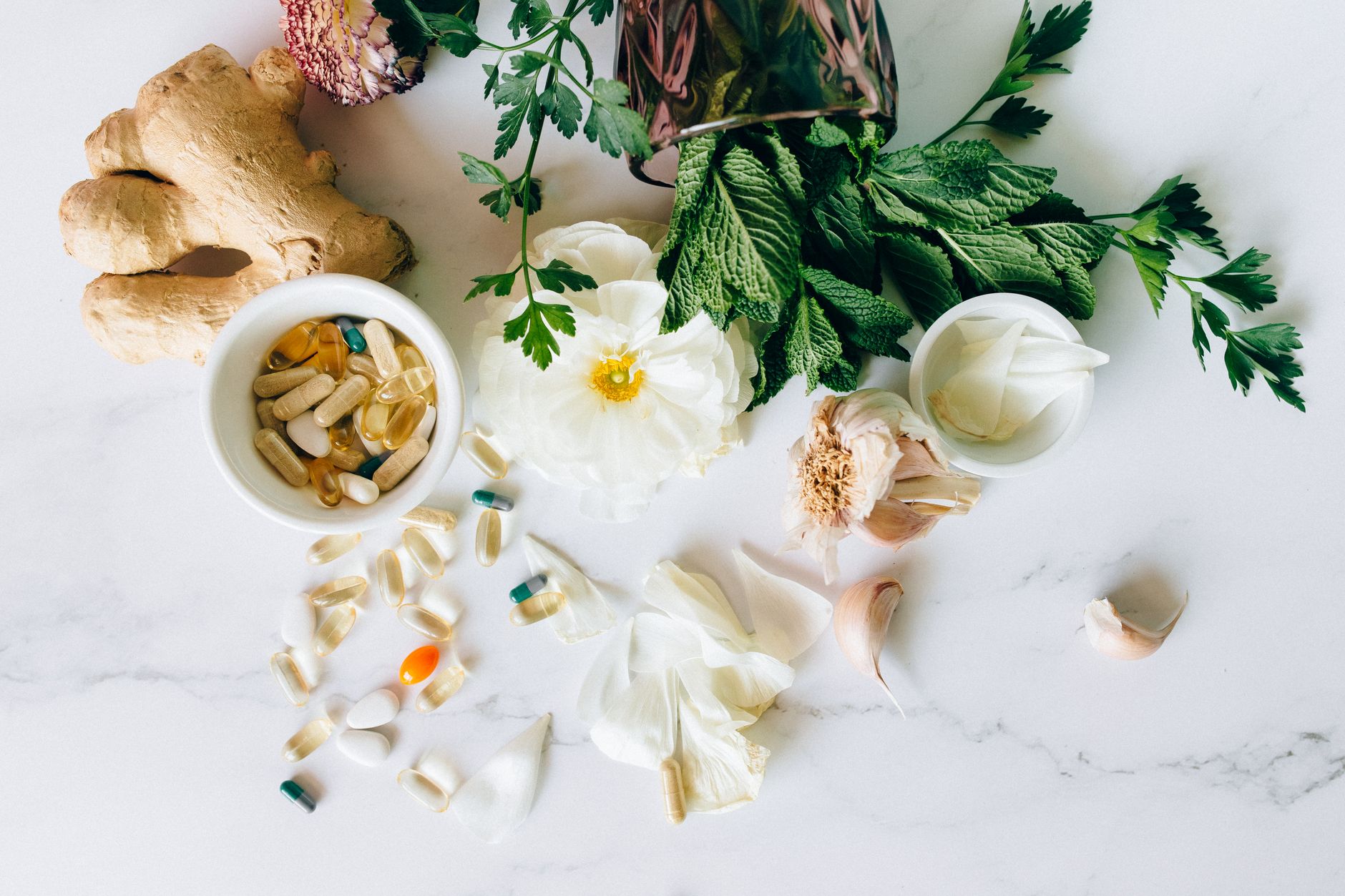 al takeaway is simple: garlic is not a cure, but it can trim a day or two off your misery if you start early and take it daily.
How to use garlic for a cold: realistic steps
If you feel a cold coming on, start garlic immediately. Do not wait for full symptoms. Here is what works and what does not.
Fresh garlic: the most reliable option
Fresh garlic is cheap, available everywhere, and retains more active compounds than most supplements. Crush or chop a clove and let it sit for 10 minutes before eating. This allows the enzyme alliinase to convert alliin to allicin, the compound that does the work. Add it to food, or swallow it like a pill with water. Do not chew raw garlic for long; it burns and can upset your stomach. Start with one to two cloves per day, split into doses. If you have a sensitive stomach, cook it lightly, but know that heat reduces allicin, so raw or lightly crushed is better for medicinal use.
Garlic supplements: easier but pricier
If fresh garlic is too strong, use a supplement standardized for allicin potential. Look for enteric-coated capsules that protect the allicin from stomach acid. A typical dose is 600 to 1,200 mg per day, split into two or three doses. In the 2001 study, participants took 180 mg of allicin powder daily, which is roughly equivalent to one to two fresh cloves. Expect to pay $10 to $20 for a month’s supply of a decent brand. Avoid aged garlic extract for colds; it has less allicin and is better for immune support over time, not acute symptoms.
What not to do
Do not apply garlic directly to your skin or nostrils. It can cause chemical burns and does not help a cold. Do not take garlic supplements if you are on blood thinners like warfarin, or before surgery, because garlic can increase bleeding risk. Do not expect garlic to prevent every cold; it is not a magic shield.
How long until you feel better?
A typical cold lasts 7 to 10 days. With garlic, you might feel better 1 to 2 days sooner, meaning 5 to 8 days total. That is the realistic range. If you start garlic at the first tickle in your throat, you may also reduce the severity of symptoms like congestion and cough. But if you already have a full-blown cold, garlic will not shorten it much; it is most effective as a preventive and early intervention.
Garlic varieties and storage for medicinal use
For the highest allicin content, choose hardneck garlic varieties like ‘Music’, ‘German White’, or ‘Chesnok Red’. These are the ones you grow in your garden or buy at farmers markets. Softneck varieties like ‘California Early’ and ‘Inchelium Red’ are fine for cooking but have slightly lower allicin levels. Store garlic in a cool, dark, dry place, not in the fridge. Properly cured garlic lasts 6 to 8 months. If you grow your own, plant cloves in October for zones 5-7, or November for zones 8-9, and harvest in July. A pound of seed garlic costs $12 to $20 and yields 5 to 8 pounds of bulbs.
Garlic in your daily routine: a simple plan
Here is a practical routine you can start this week:
- Daily prevention: Add one crushed raw clove to salad dressing, salsa, or a spoonful of honey. Do this during cold season (October to March in most zones).
- At first symptom: Double your intake to two cloves per day, split into morning and evening doses. Combine with zinc lozenges (15 mg per day) and vitamin C (1,000 mg per day) for a broader approach.
- During a cold: Continue two cloves per day until symptoms resolve. Drink plenty of fluids and rest. Garlic will not cure you, but it may help you recover faster.
FAQ
Can garlic cure a cold overnight?
No. Garlic does not cure any viral infection. At best, it may shorten the duration by 1 to 2 days if taken early and consistently. Do not expect overnight results.
Is raw garlic better than supplements?
Yes, for colds. Raw crushed garlic has higher allicin content than most supplements. If you cannot tolerate raw, use an enteric-coated supplement standardized for allicin potential.
Can I take garlic with other cold remedies?
Yes, garlic pairs well with zinc, vitamin C, and echinacea. Avoid taking garlic with blood thinners or before surgery. Always tell your doctor about supplements.
How much garlic is too much?
More than 3 to 4 cloves per day can cause stomach upset, heartburn, or bad breath. Stick to 1 to 2 cloves daily for prevention, and 2 cloves during a cold.
The bottom line
Garlic will not cure a cold, but it can reduce your chances of catching one and help you recover a day or two faster if you do. Start with fresh crushed garlic at the first sign of symptoms, take it daily, and pair it with rest and fluids. For $10 to $20, you can stock up on supplements or grow your own hardneck varieties for a steady supply. Use garlic as part of a broader cold-fighting strategy, not as a miracle cure. Your nose will still run, but maybe not for as long.