How long do leeks take to grow
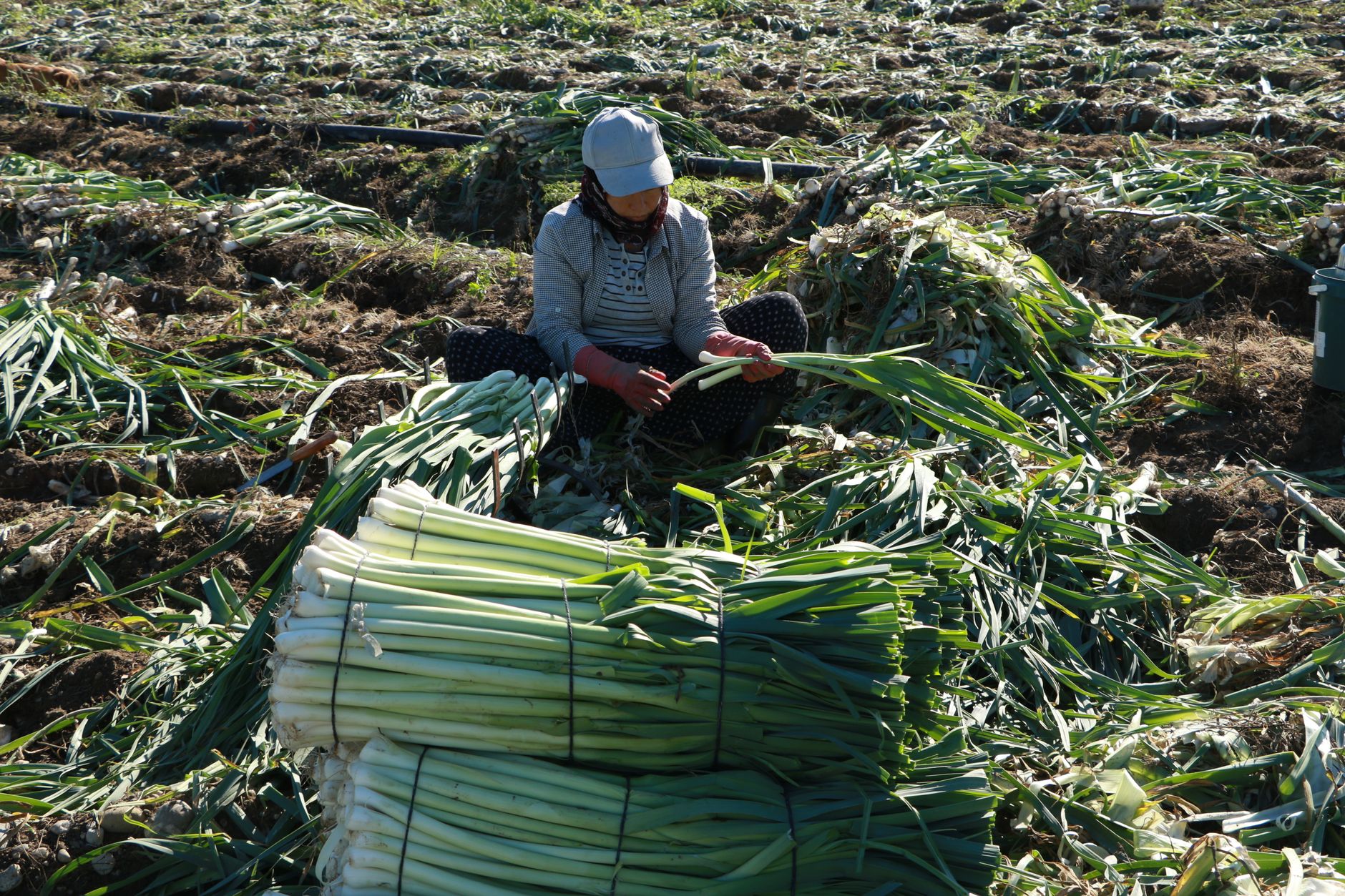
Leeks take 120-150 days from seed to harvest. Learn exact timing by zone, variety, and method, plus tips to speed up growth.
Leeks take 120 to 150 days from seed to harvest, depending on variety and growing conditions. If you start seeds indoors in late winter, you can harvest in mid-summer; direct sowing in spring gives fall or winter harvests. The key is matching your variety’s days to maturity with your local frost dates.
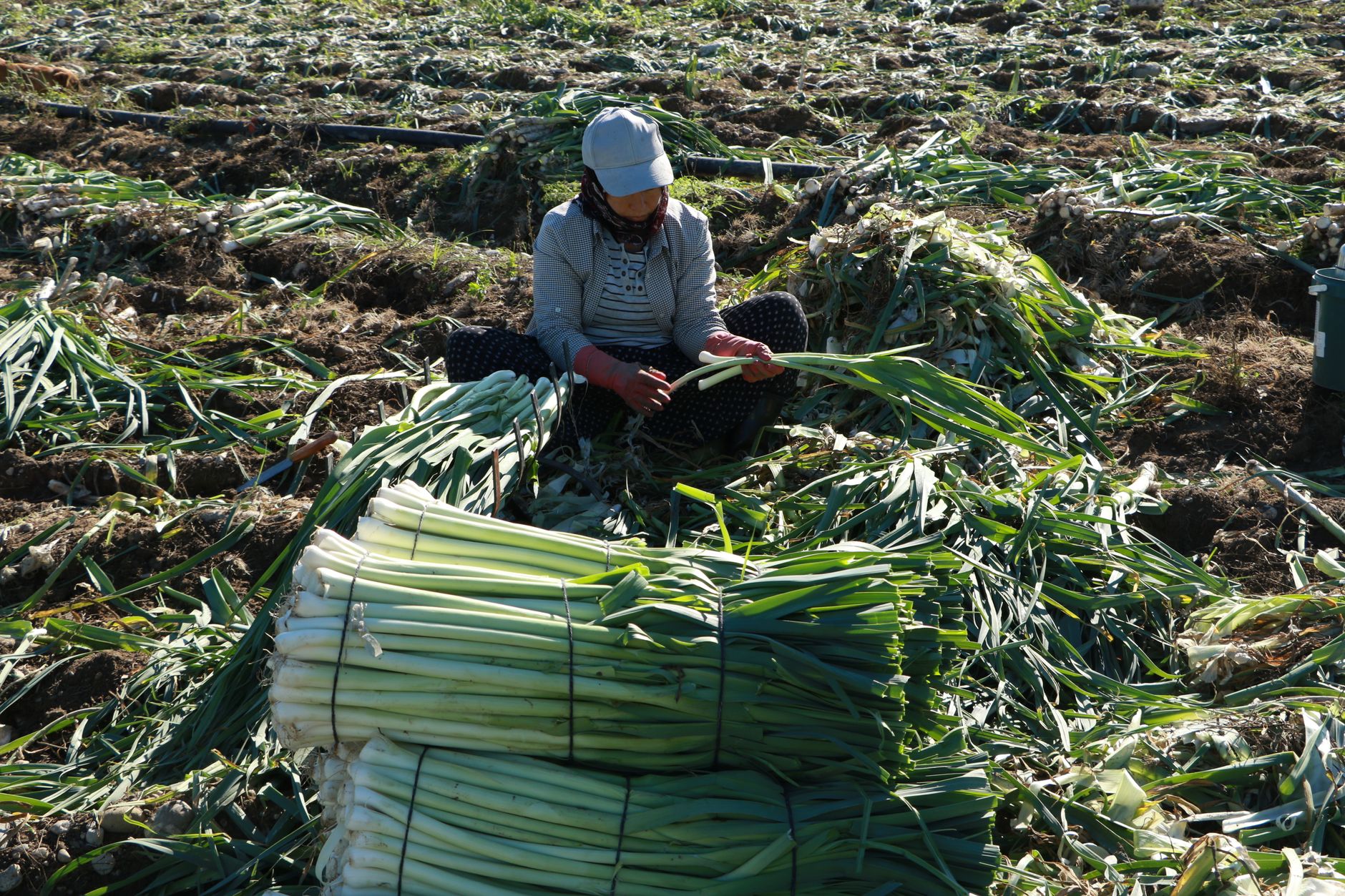
Why leeks are slow (and worth it)
Leeks are slow because they are biennials grown as annuals. They spend months building a thick, blanched shaft, not a bulb. Unlike onions, they don’t have a clear “stop” signal; you can harvest them over a long window once they r
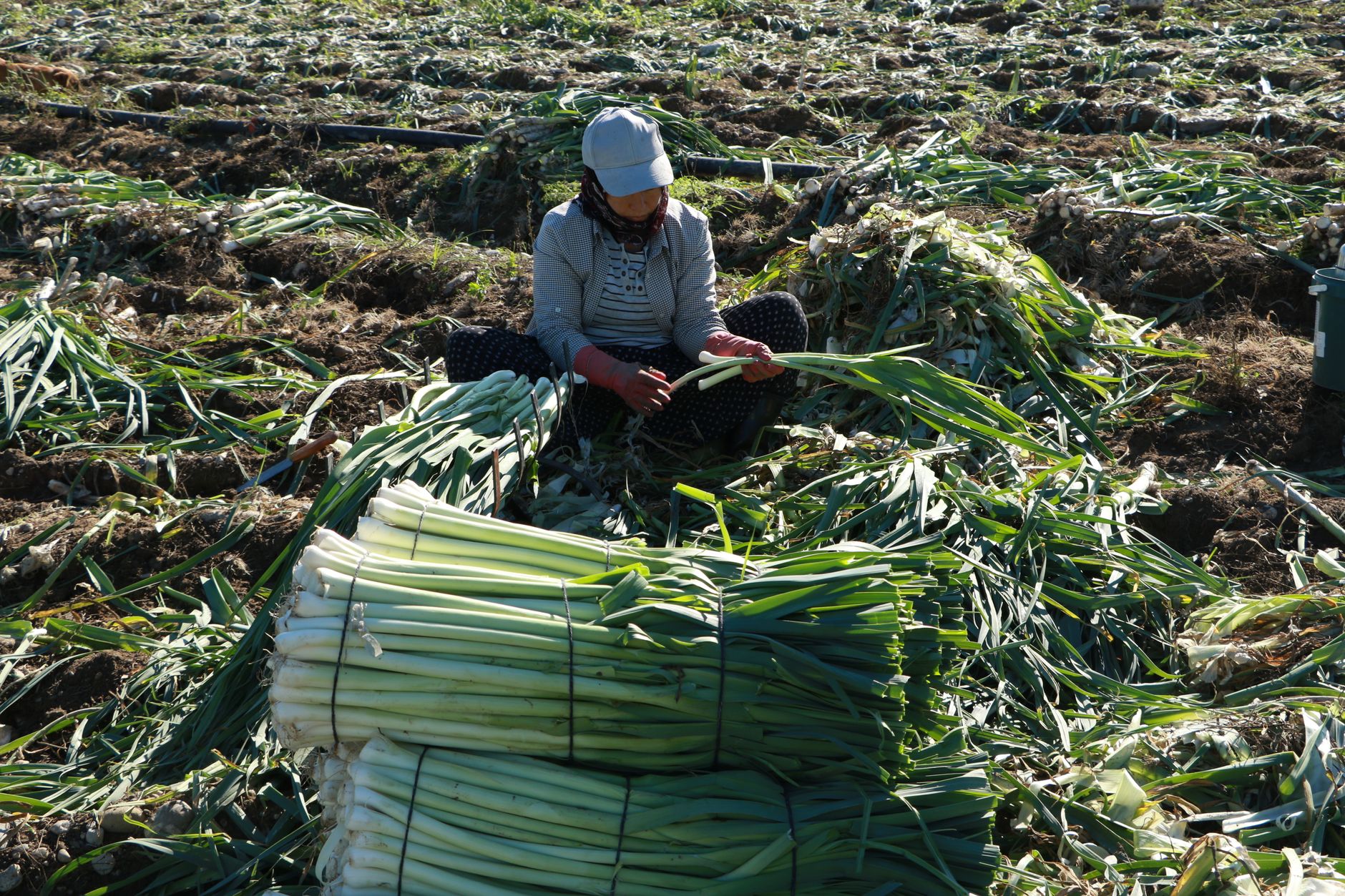 each pencil thickness. That flexibility is a blessing, but it means you need patience and a plan.
Seed to harvest timeline by method
| Method | Start date (by zone) | Harvest window | Total time |
|---|---|---|---|
| Indoor seed (zones 3-5) | Feb 15 - Mar 15 | Jul 15 - Sep 1 | 140-160 days |
| Indoor seed (zones 6-8) | Jan 15 - Feb 15 | Jun 15 - Aug 1 | 130-150 days |
| Direct sow (zones 3-5) | Apr 15 - May 1 | Sep 15 - Nov 1 | 150-170 days |
| Direct sow (zones 6-8) | Mar 15 - Apr 1 | Aug 1 - Oct 1 | 130-150 days |
| Fall crop (zones 6-8) | Jul 1 - Jul 15 | Nov 15 - Dec 15 | 130-150 days |
These ranges assume you transplant seedlings when they are 8-10 weeks old and about 8 inches tall. Direct sowing works but extends the timeline by 2-3 weeks because seedlings grow slowly in cool soil.
Variety matters: choose for speed or size
| Variety | Days to maturity | Best for | Notes |
|---|---|---|---|
| ‘King Richard’ | 75-80 | Fast harvest | Thin shafts, sweet, good for baby leeks |
| ‘Lincoln’ | 85-90 | Fall harvest | Cold hardy, medium length |
| ‘American Flag’ | 90-100 | Winter storage | Thick shafts, reliable |
| ‘Bandit’ | 100-110 | Overwintering | Very cold hardy, harvest in early spring |
| ‘Giant Musselburgh’ | 100-120 | Large leeks | Traditional Scottish variety, huge stems |
For the fastest harvest, choose ‘King Richard’ and start indoors. For a winter leek, ‘Bandit’ or ‘American Flag’ are your best bets.
How to speed up leek growth
Leeks are slow, but you can shave 2-3 weeks off the timeline with these steps:
-
Start indoors: Sow seeds in 72-cell trays, 2-3 seeds per cell, 1/4 inch deep. Keep at 65-70°F. Use a heat mat if your house is cool. Seedlings emerge in 7-14 days.
-
Harden off properly: 7 days before transplanting, set trays outside for 1 hour, then increase by 1 hour daily. This prevents transplant shock, which can stall growth for a week.
-
Transplant at the right size: Wait until seedlings are 8-10 weeks old, about 8 inches tall, and pencil-thick. Smaller transplants take longer to establish.
-
Plant deep: Dig a 6-inch deep trench or use a dibber to make a 6-inch hole. Drop the seedling in, and water in. The trench gradually fills with soil, blanching the shaft. This saves you from hilling later.
-
Feed monthly: Leeks are heavy feeders. Apply a balanced fertilizer (10-10-10) at transplanting, then side-dress with compost or a high-nitrogen feed (like blood meal) every 4 weeks. One tablespoon of blood meal per plant, worked into the soil, gives a noticeable boost.
-
Water consistently: Leeks need 1 inch of water per week. Inconsistent moisture causes tough, stringy stems. Use drip irrigation or a soaker hose to keep the soil evenly moist.
Harvesting: when is it ready?
You can start harvesting when the stems are at least 1 inch in diameter, even if the variety says 75 days. For full size, wait until the shaft is 1.5-2 inches thick. Use a garden fork to loosen the soil, then pull gently. If you want a longer harvest window, leave some in the ground and dig as needed; leeks tolerate frost and even snow, and their flavor sweetens after a cold snap.
For overwintering, mulch heavily with straw or leaves in late fall. In zones 5-7, you can harvest through winter if the ground doesn’t freeze solid. In zones 3-4, ‘Bandit’ can survive with protection, but expect to harvest in early spring before new growth starts.
Common mistakes that delay harvest
- Starting too late: If you sow indoors in April, you’ll harvest in September at best. Start 10-12 weeks before your last frost date.
- Shallow planting: If you don’t trench or hill, the shaft stays green and thin. Plant deep from the start.
- Skipping fertilizer: Leeks in poor soil grow slowly. Test your soil; add compost before planting.
- Overcrowding: Thin to 6 inches apart. Crowded leeks compete for nutrients and stay skinny.
FAQ
Can I grow leeks in containers? Yes. Use a pot at least 12 inches deep and 12 inches wide per plant. Fill with quality potting mix, and plant one leek per pot. Water daily in summer. Harvest when stems are 1 inch thick.
What is the fastest way to grow leeks? Start ‘King Richard’ indoors 10 weeks before last frost, use a heat mat, transplant at 8 inches tall, and feed monthly. You can harvest baby leeks in as little as 75 days from transplant.
Do leeks need full sun? Yes, at least 6 hours of direct sun. In hot climates (zones 8+), afternoon shade is fine, but morning sun is essential for growth.
Can I direct sow leeks in fall for spring harvest? In zones 6-8, sow seeds in August, let them grow to pencil size, then mulch heavily. They will overwinter and resume growth in spring. Harvest in May. This works best with ‘Bandit’ or ‘Giant Musselburgh’.
The bottom line
Leeks take 120-150 days from seed, but you can plan for a steady harvest by choosing fast varieties and starting indoors. The most reliable path: start ‘King Richard’ indoors 10 weeks before your last frost, transplant deep, feed monthly, and you’ll be pulling leeks by mid-summer. For winter storage, plant ‘American Flag’ or ‘Bandit’ in spring and harvest after frost. Patience pays off: a well-grown leek is sweeter and more tender than anything from the store.