How do shallots grow
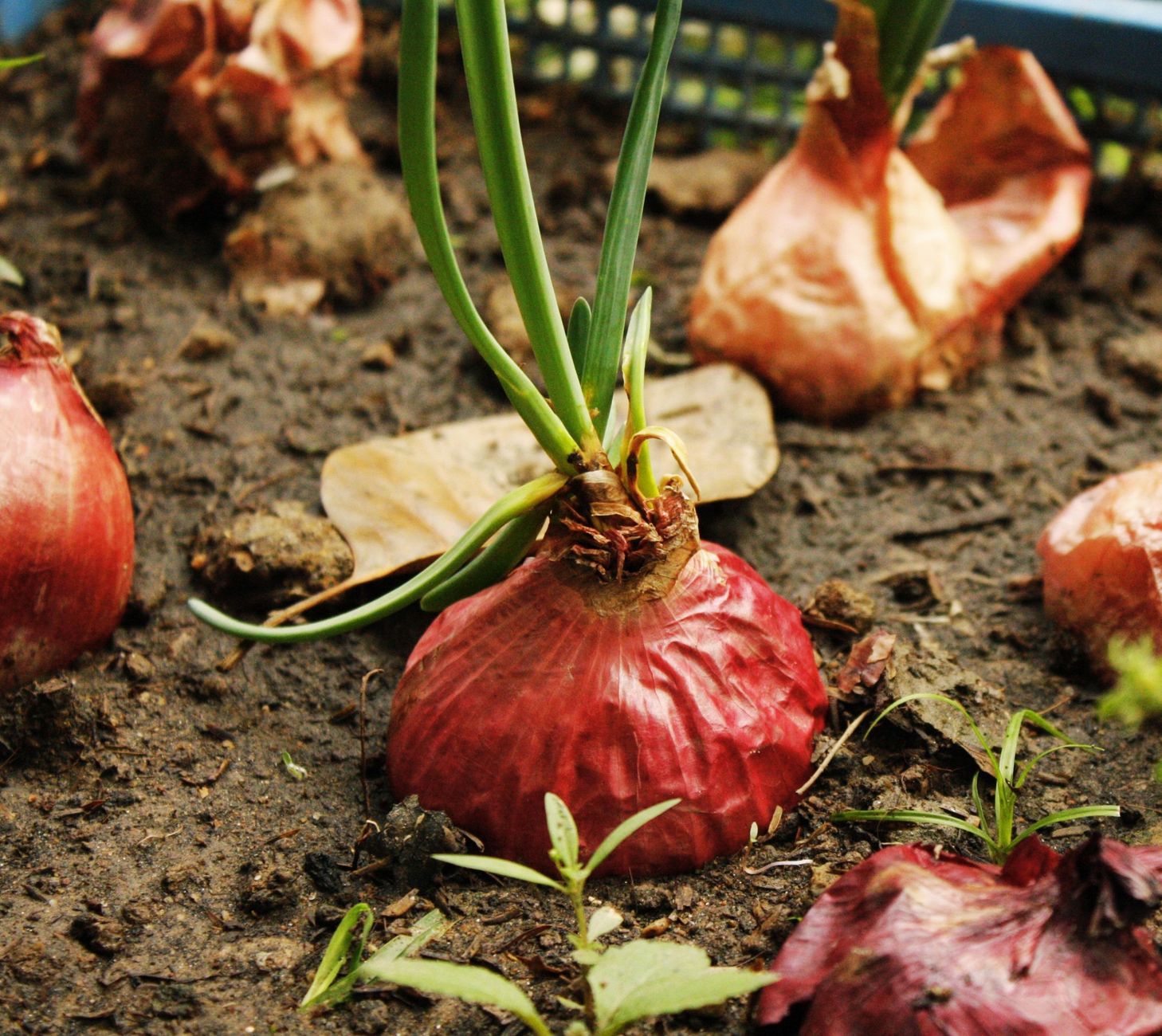
Learn how to grow shallots from planting to harvest: soil prep, spacing, watering, and timing for zones 3-9, plus varieties and storage tips.
Shallots grow from individual cloves planted in fall or early spring, depending on your zone. They need full sun, well-drained soil, and a consistent moisture schedule, and they mature in about 90 to 120 days. Here is the step-by-step process that works in my garden and thousands of others.
Planting shallots: timing and zones
Shallots are cold-hardy but not as hardy as onions. In USDA zones 3 to 6, plant in early spring as soon as the soil can be worked, usually 4 to 6 weeks before the last frost. In zones 7 to 9, plant in fall, 4 to 6 weeks before the first hard frost, so they establish roots before winter. Fall-planted shallots often produce larger bulbs because they get a head start.
| Zone | Best planting time | Harvest time |
|---|---|---|
| 3-5 | Early spring (March-April) | Mid-summer (July) |
| 6 | Early spring or fall (October) | Early summer (June) or late summer (August) |
| 7-9 | Fall (October-November) | Late spring (May-June) |
For spring planting, aim for soil temperatures above 40°F. For fall, pla
 nt when soil is still warm but air is cooling, so roots grow before dormancy.
Choosing varieties and buying sets
You can grow shallots from seed, but most gardeners use sets (small bulbs) because they are faster and more reliable. Popular varieties include:
- French Red: classic red-skinned, pink flesh, stores well, mild flavor.
- Gray (Griselle): French heirloom, gray skin, strong flavor, less productive but prized.
- Golden Gourmet: yellow skin, sweet, large bulbs, good for long storage.
Buy sets from a reputable nursery or seed company. A 1-pound bag of sets costs $10 to $15 and covers about 50 feet of row. Avoid grocery-store shallots, as they may be treated to prevent sprouting.
Soil preparation and planting depth
Shallots prefer loose, fertile soil with a pH of 6.0 to 7.0. Work in 2 inches of compost or aged manure before planting. If your soil is heavy clay, raise beds or add sand to improve drainage. Shallots rot in soggy soil.
Plant each set pointy side up, 1 inch deep, with the tip just below the surface. Space sets 6 inches apart in rows 12 inches apart. This gives each bulb room to split into a cluster. If you plant too close, bulbs stay small.
Watering and fertilizing
Water shallots regularly, about 1 inch per week, especially during dry spells. Keep the soil evenly moist but not waterlogged. Mulch with straw or grass clippings to retain moisture and suppress weeds.
Fertilize at planting with a balanced fertilizer like 10-10-10 at a rate of 1 cup per 10 feet of row. Side-dress with nitrogen (blood meal or fish emulsion) when tops are 6 inches tall, then again when bulbs start to swell. Too much nitrogen late in the season delays bulb formation.
Caring for growing shallots
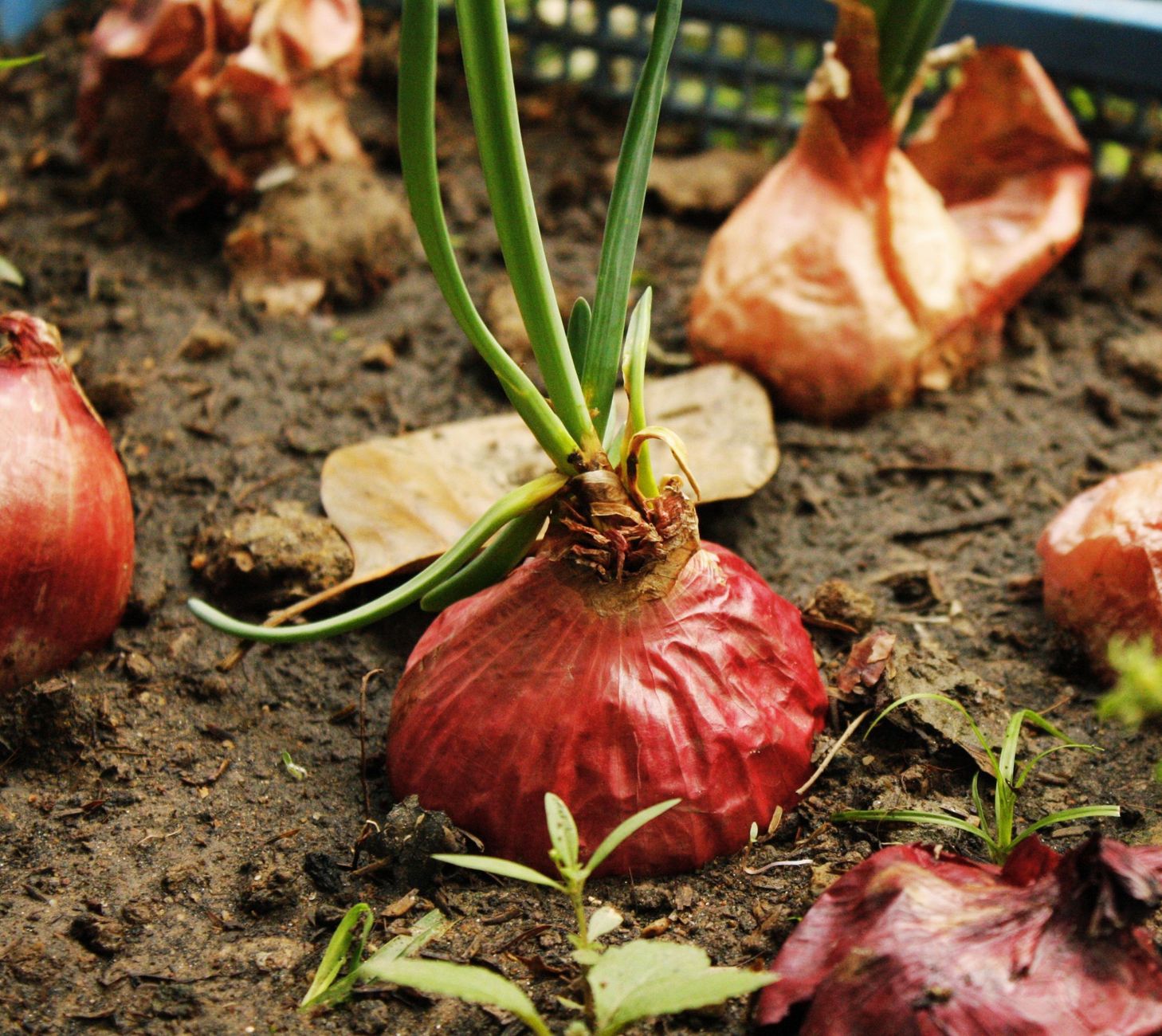
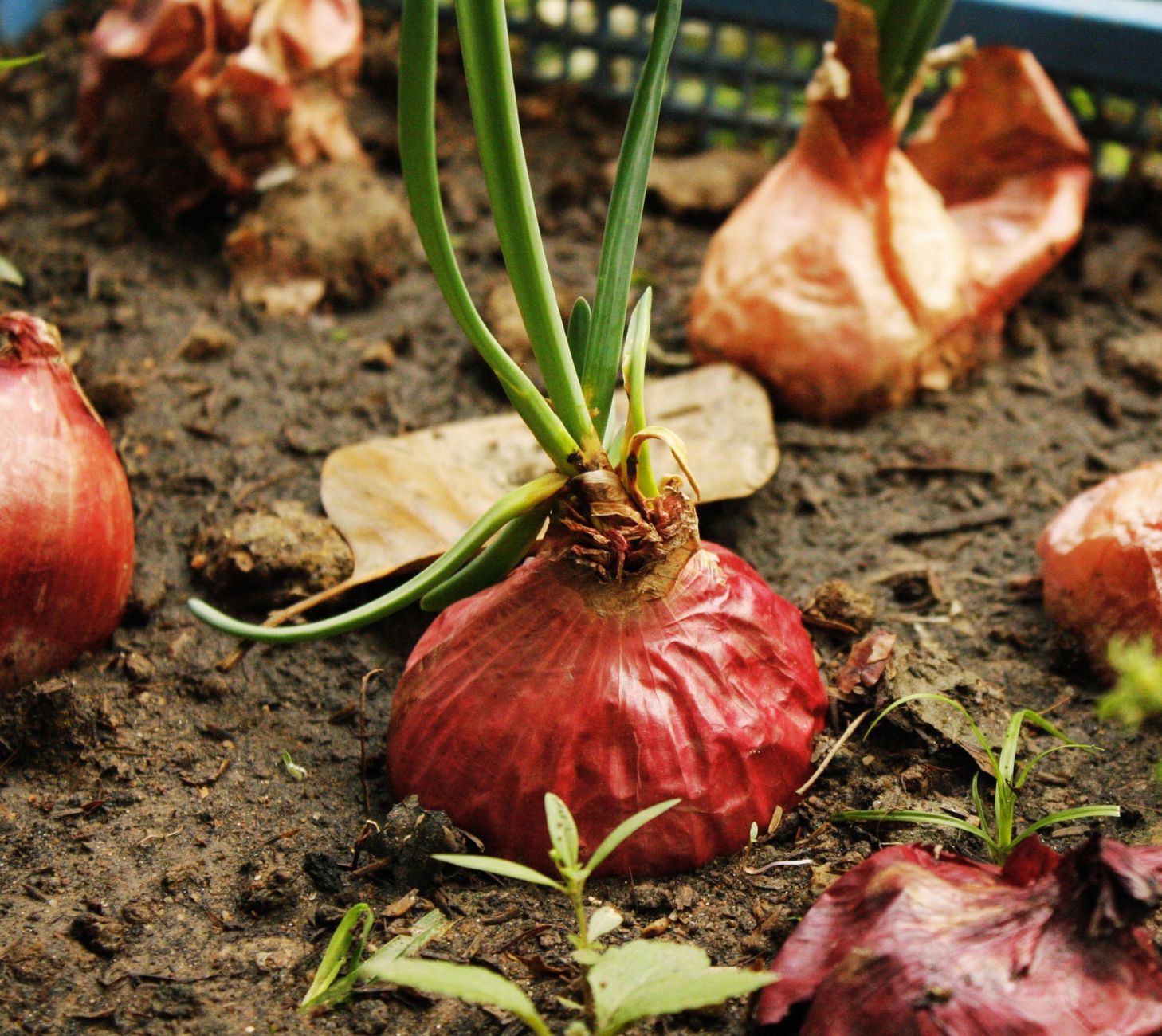
Weed by hand or with a hoe, but be careful not to disturb the shallow roots. As bulbs grow, they push up out of the soil; that is normal. Do not mound soil over them, as they need exposure to sun to mature.
In spring, some shallots will send up flower stalks. Cut these off as soon as they appear, because flowering diverts energy from bulb growth. You can eat the young scapes like green onions.
Harvesting and curing
Shallots are ready when the tops yellow and fall over, usually 90 to 120 days after planting. Loosen the soil with a fork, then pull the clusters. Do not wash them. Instead, let them cure in a warm, dry, airy place out of direct sun for 2 to 3 weeks. I use a wire rack in my garage.
After curing, trim the tops to 1 inch and the roots, then store in a cool, dry place (50 to 60°F) with good air circulation. Properly cured shallots keep for 6 to 8 months. Expect a yield of 4 to 6 shallots per planted set, depending on variety and conditions.
Common problems and solutions
- Rotting bulbs: usually from overwatering or poor drainage. Improve soil, water less.
- Small bulbs: often from planting too close or too much nitrogen. Space correctly, cut fertilizer after midsummer.
- Pests: onion maggots and thrips can attack. Use row covers early, rotate crops yearly.
- Bolting (flowering): caused by temperature swings. Plant at the right time, remove scapes promptly.
FAQ
Can I grow shallots in containers? Yes. Use a pot at least 12 inches deep with drainage holes. Plant sets 4 inches apart, water regularly, and harvest when tops die back. Expect smaller yields than in-ground.
How do I save shallots for next year? Choose the best-formed bulbs from healthy plants. Cure them fully, then store in a cool, dry place. Replant them the next season. Do not save from plants that bolted.
What is the difference between shallots and onions? Shallots grow in clusters like garlic, have a milder, sweeter flavor, and store longer. They are used more like a seasoning than a main vegetable.
Can I plant shallots from grocery store bulbs? It is possible, but not recommended. Store bulbs may be treated with sprout inhibitors, and they may carry disease. Use certified sets for best results.
The bottom line
Growing shallots is straightforward if you match planting time to your zone, give them loose soil and even moisture, and harvest at the right moment. Start with a reliable variety like French Red, plant sets 6 inches apart, and you will have a steady supply for months. The key mistakes are planting too deep, overwatering, and letting flowers form. Avoid those, and you will be pulling clusters of sweet, aromatic shallots by midsummer.