Growing scallions from seed
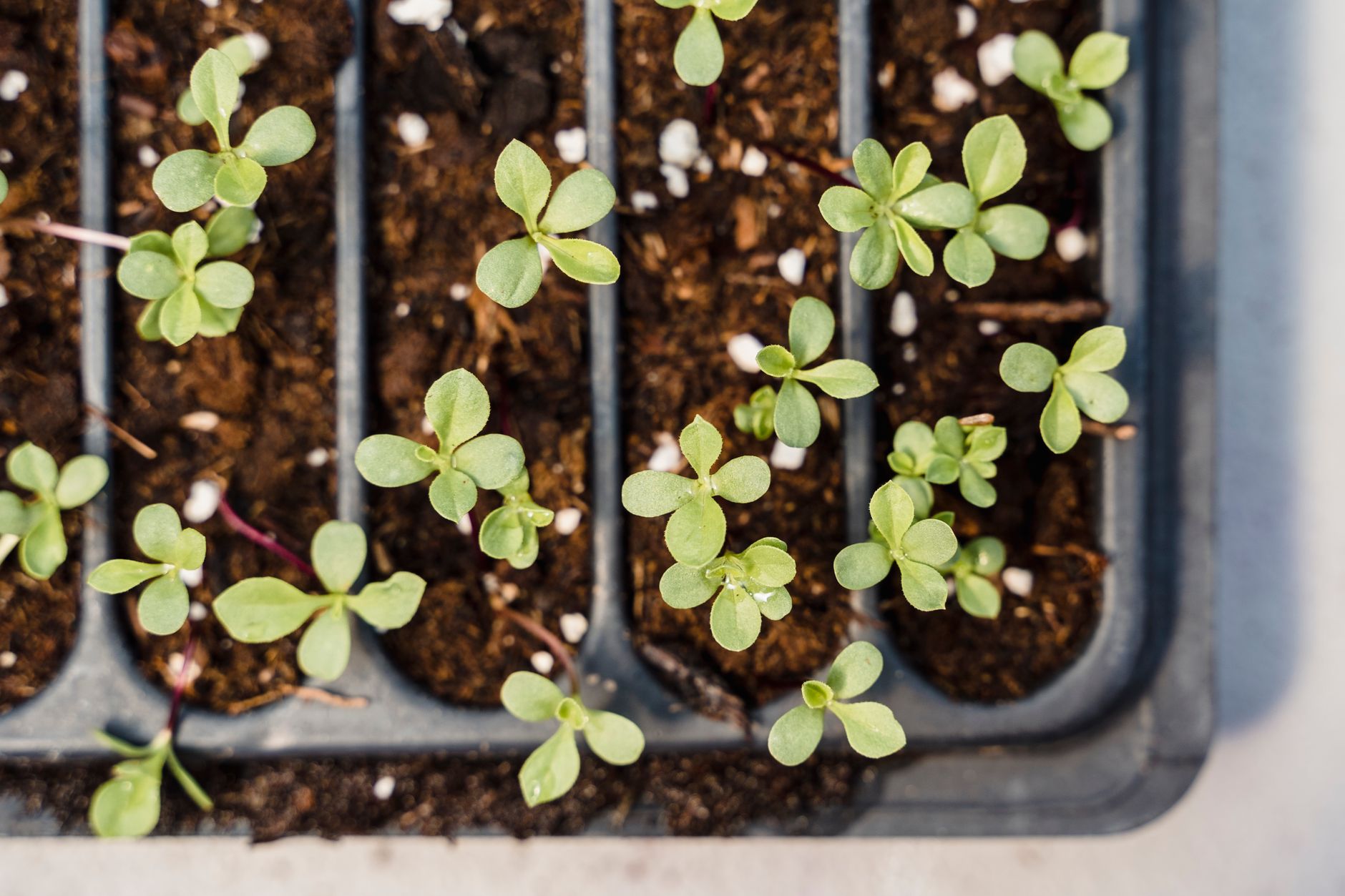
Learn how to grow scallions from seed with direct sowing, container tips, and variety picks. Realistic yields and dates for US zones.
Growing scallions from seed is straightforward and cheaper than buying transplants. You can harvest baby scallions in as little as 60 days from sowing, or wait for full-size stalks at 75 to 90 days. Direct sow in the garden or in containers; scallions tolerate cool weather and even light frost, so start early in spring or late summer for fall harvests.
Why grow scallions from seed?
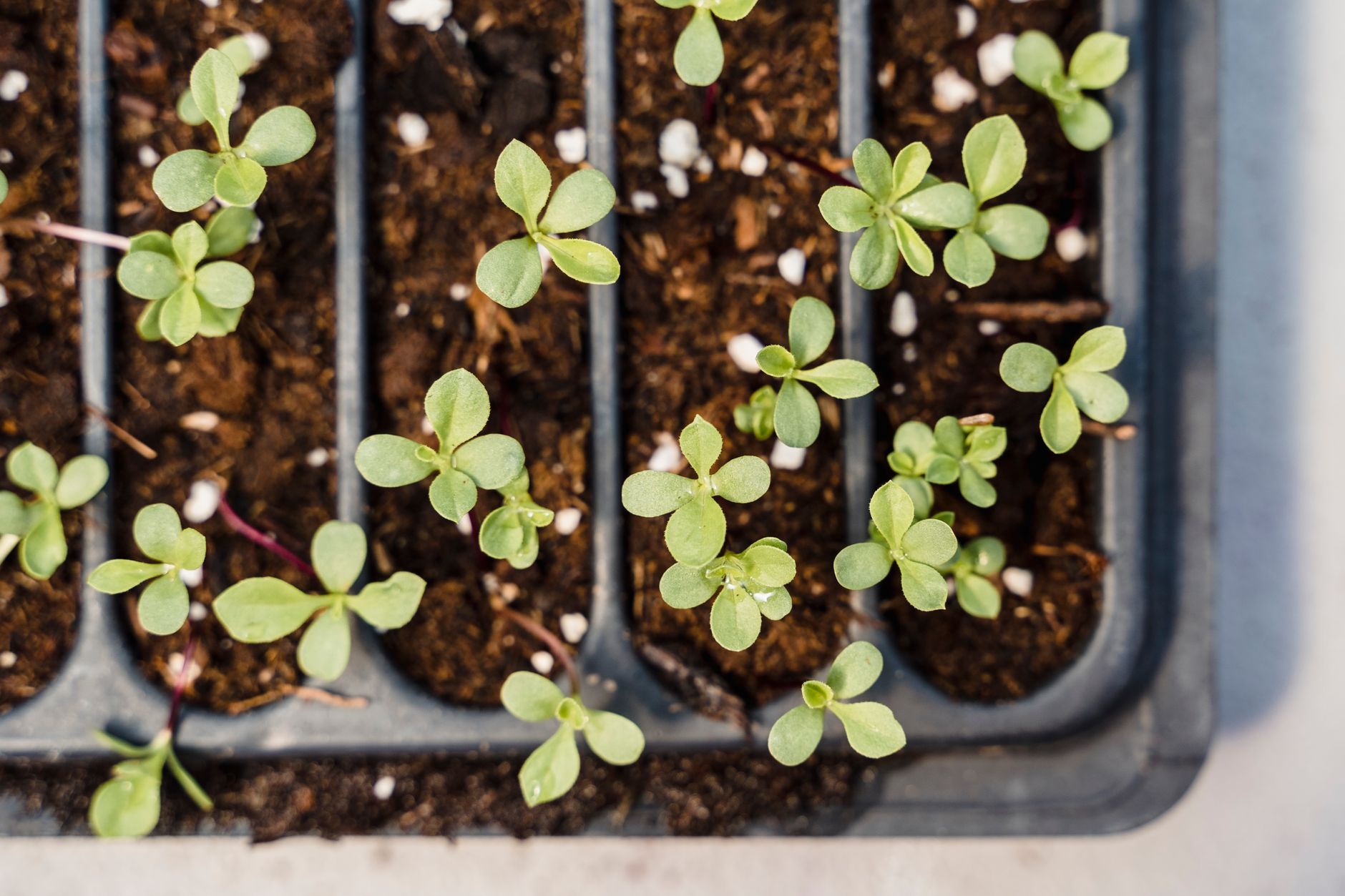
Seed costs pennies per plant compared to $2 to $3 for a six-pack of transplants. You also get access to varieties you won’t find at garden centers, like ‘Red Beard’ or ‘Nabechan’. Plus, scallions are one of the easiest alliums to g
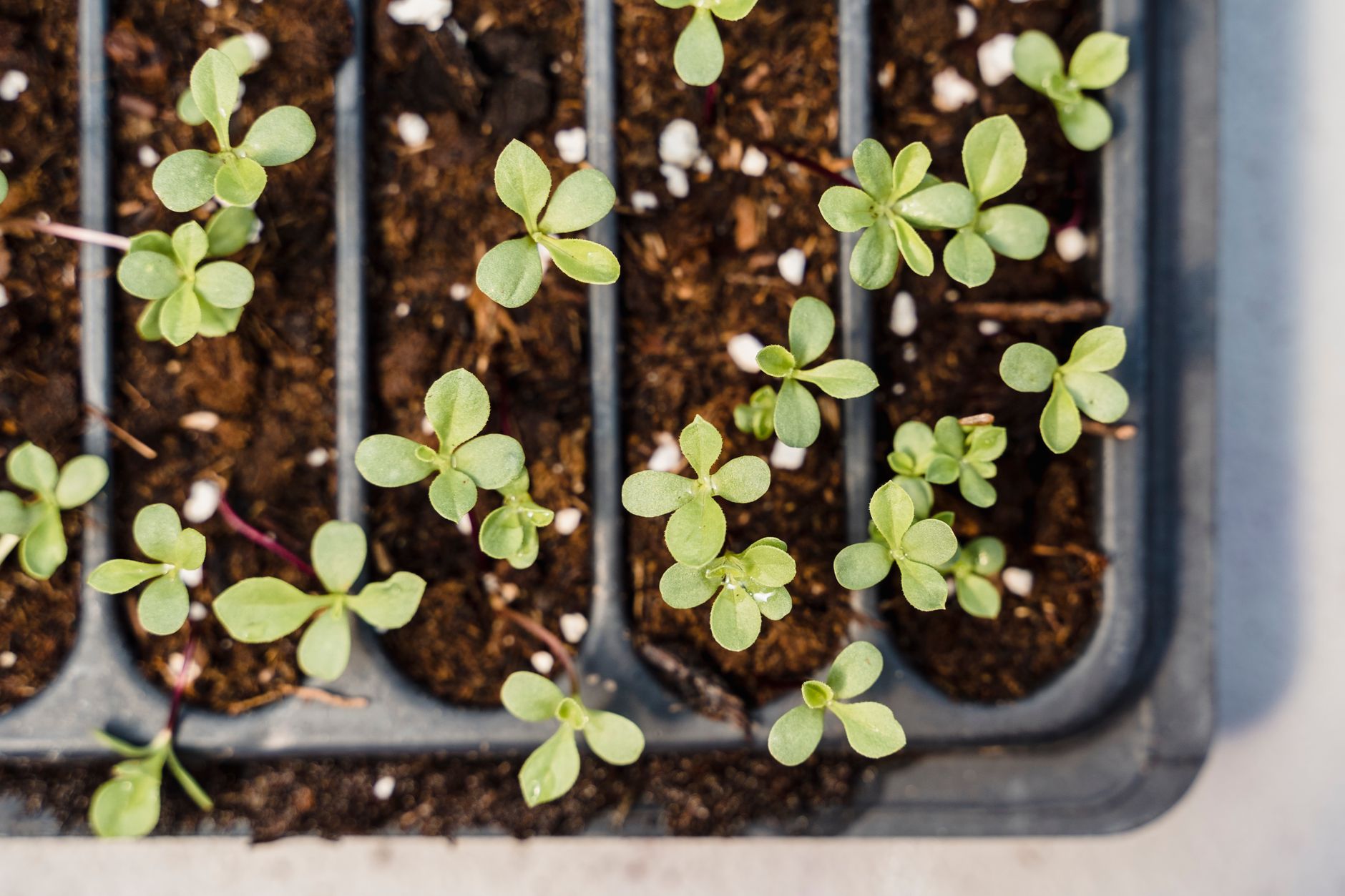 row from seed: they don’t need a long growing season, and you can harvest them at any size.
Choosing scallion varieties
Scallions are simply onions harvested before the bulb forms. Choose bunching onion types (Allium fistulosum) for perennial clumps, or any standard onion variety if you want to pull them early. Here are reliable choices:
| Variety | Type | Days to maturity | Notes |
|---|---|---|---|
| ‘Evergreen Hardy White’ | Bunching | 65-75 | Cold hardy, perennial in zones 5-9 |
| ‘Red Beard’ | Bunching | 70-80 | Red stems, mild flavor |
| ‘Nabechan’ | Bunching | 65-75 | Japanese variety, very uniform |
| ‘White Lisbon’ | Standard onion | 60-70 | Classic scallion, quick |
| ‘Tokyo Long White’ | Bunching | 75 | Long white shanks, heat tolerant |
For a continuous harvest, sow a mix of early and late varieties. ‘White Lisbon’ is a good early choice, while ‘Evergreen Hardy White’ will keep producing through fall.
When to plant scallion seeds
Scallions prefer cool weather. Soil temperature should be at least 40°F for germination, but 50 to 70°F is ideal. In most zones, you can sow as soon as the ground is workable in spring.
| USDA Zone | Spring sowing | Fall sowing |
|---|---|---|
| 3-4 | April to May | July to August |
| 5-6 | March to April | August to September |
| 7-8 | February to March | September to October |
| 9-10 | January to February | October to November |
In mild winter zones (8-10), you can also sow in late fall for winter harvests. Scallions tolerate frost down to about 20°F, so they often survive winter with minimal protection.
How to sow scallion seeds
You can start seeds indoors 6 to 8 weeks before your last frost, but direct sowing is simpler and works well for most gardeners. Scallion roots are shallow, so they don’t like transplanting, but if you start indoors, use cell trays and plant out without disturbing the roots.
Direct sowing steps
- Prepare the bed: loosen soil to 6 inches deep, mix in 1 inch of compost. Scallions prefer a pH of 6.0 to 7.0.
- Sow seeds 1/4 inch deep, 1 inch apart in rows 12 inches apart. For a dense bed, scatter seeds and thin to 2 inches apart.
- Keep soil moist until germination, which takes 7 to 14 days. Use a fine mist to avoid washing seeds away.
- Thin seedlings to 2 inches apart for bunching types, 3 inches for standard onions if you want thicker stalks.
Container growing
Scallions grow well in pots at least 6 inches deep. Fill with potting mix, sow seeds 1 inch apart, and keep moist. Place in full sun (6+ hours). A 12-inch pot can hold 15 to 20 scallions.
Caring for scallion plants
Scallions are low maintenance, but they need consistent moisture and some feeding.
- Water: Keep soil evenly moist, about 1 inch per week. Mulch with straw to retain moisture and suppress weeds.
- Fertilizer: Side-dress with a balanced organic fertilizer (like 10-10-10) at 3 weeks, then again at 6 weeks. Use 1 tablespoon per 10 feet of row.
- Weeding: Hand-pull weeds; scallion roots are shallow and easily disturbed.
- Pests: Onion maggots can be a problem in cool, wet springs. Use row covers to prevent egg-laying. Thrips are less common but can be washed off with a strong spray.
Harvesting scallions
You can start harvesting when scallions are pencil-thin, about 60 days after sowing. For full-size, wait until the stalks are 1/2 to 1 inch thick.
- Baby scallions: Pull every other plant to thin, leaving the rest to grow.
- Full-size: Use a trowel to loosen soil, then pull the whole plant. Rinse and trim roots.
- Regrowth: If you cut the tops leaving 1 inch of white base, some bunching varieties will regrow, but it’s often easier to sow successive crops every 3 weeks.
Yields: A 10-foot row of scallions yields about 50 to 60 full-size scallions, or 100 baby scallions if you harvest early. Expect to pay $3 to $5 for a packet of 200 seeds, which is enough for a 20-foot row.
Common problems and solutions
- Poor germination: Soil too dry or too cold. Keep soil moist and wait for soil temps above 50°F.
- Bolting (flowering): Caused by temperature swings or stress. Plant at the right time and water consistently.
- Thin stalks: Overcrowding. Thin to at least 2 inches apart.
- Yellow leaves: Usually overwatering or nutrient deficiency. Let soil dry slightly between waterings and feed with a liquid seaweed solution.
FAQ
Can I grow scallions indoors? Yes, use a south-facing window or grow light. Sow in a shallow tray, keep soil at 60-70°F, and harvest in 8-10 weeks. They need 12-14 hours of light daily.
How long do scallion seeds last? Onion seeds are short-lived. They remain viable for 1 to 2 years if stored in a cool, dry place. For best germination, use fresh seeds each year.
Can I plant scallions from grocery store scraps? You can regrow the white root ends in water or soil, but they won’t produce many new scallions. For a real harvest, start with seeds.
What’s the difference between scallions and green onions? Scallions are usually bunching onions with no bulb, while green onions are any onion harvested early. In practice, the terms are interchangeable.
The bottom line
Growing scallions from seed is a low-cost, high-success project for any gardener. Direct sow in spring or fall, keep the soil moist, and harvest as needed. With a $5 seed packet, you can have fresh scallions for months. Start with a reliable variety like ‘Evergreen Hardy White’ and you’ll never buy scallions again.